
From YouTube Indie Pilot to Prime Video Powerhouse: How Vivienne Medrano and ‘Hazbin Hotel’ Redefined Adult Animation
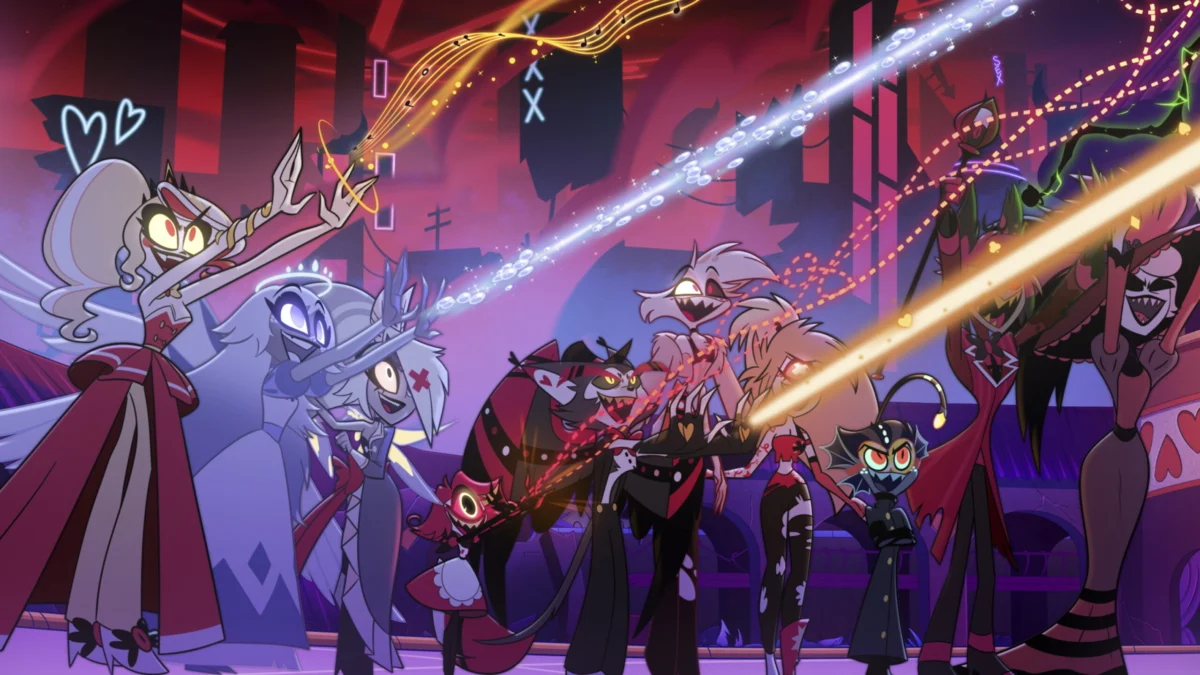
Main Facts: The Rise of a Hellish Phenomenon
The journey of Hazbin Hotel from a passion project dropped onto YouTube by independent creator Vivienne Medrano to a multi-season, critically lauded Prime Video tentpole represents a seismic shift in the landscape of modern adult animation. Following the conclusion of its second season—part of a robust four-season order secured by Amazon’s streaming arm—the profane, musical, and surprisingly poignant series has cemented its status as a cornerstone of contemporary queer-inclusive television.
Produced through a unique pipeline partnership between Medrano’s independent studio, Spindlehorse Toons, and Bento Box Entertainment, alongside prestige indie powerhouse A24, Hazbin Hotel occupies a rare tier in the streaming ecosystem. It bridges the gap between chaotic internet subculture and high-production-value serialized storytelling. The series follows Charlie Morningstar, the optimistic princess of Hell, as she endeavors to run a rehabilitation hotel for damned souls, constantly sparring with the bureaucratic forces of Heaven and the unruly denizens of the underworld.
Despite the logistical hurdles of scaling up an indie concept for a major studio, the series has managed to retain the chaotic, high-energy charm that first captured millions of digital viewers. As Season 2 wraps up with a high-stakes cliffhanger in its finale, "Curtain Call," the production team is already looking ahead, proving that the gates of Hell are wide open for long-term storytelling.

Chronology: From Digital Sketchpads to Streaming Dominance
To understand the cultural footprint of Hazbin Hotel, one must trace its roots back to the nascent days of independent web animation:
- The Genesis (2019): Vivienne Medrano releases the independent pilot for Hazbin Hotel on YouTube, utilizing crowdfunding and an army of freelance animators. The pilot goes viral, amassing tens of millions of views and cultivating a fiercely loyal global fandom.
- The A24 Pickup (2020): Recognizing the intellectual property’s massive commercial and cultural potential, indie studio A24 steps in to option the series for television development, pairing Medrano with established industry partners like Bento Box.
- The Prime Video Debut (2024): Hazbin Hotel officially premieres its first season on Prime Video, shattering expectations with massive viewership numbers and instantly securing a premature renewal for Season 2, alongside a rare overarching four-season commitment.
- The Evolution of Season 2 (Late 2025–2026): With a stable infrastructure and expanded runtimes, Season 2 airs to widespread critical praise. Medrano and her creative team hit their stride, delivering more cohesive narratives, deeper character explorations, and tighter integration between visual style and vocal performances.
Supporting Data: Production Pipelines and Creative Evolution
The transition from a decentralized YouTube model to a structured studio pipeline was not without friction. In interviews with industry trade publications, Medrano has spoken candidly about the growing pains of scaling production.
"It’s a very complicated show, and the studio that took it on had never really done a show like ours before, so there’s been a lot of learning, a lot of growth," Medrano explained. The animation demands of Hazbin Hotel—which shares a fictional universe with its sister series, Helluva Boss—require a delicate choreography of action choreography, rapid-fire comedic timing, elaborate musical numbers, and explicit, boundary-pushing gore.

Furthermore, the creative feedback loop between the visual artists and the voice cast has become a primary driver of the show’s success. While characters often begin as broad archetypes on the drawing board, casting choices fundamentally alter the trajectory of the writing. A prime example is Jeremy Jordan’s portrayal of Lucifer Morningstar. Originally envisioned as a sanitized, zany, P.T. Barnum-esque showman, Jordan’s casting transformed the Devil into a vulgar, affectionately depressed, goofy father figure.
"He just came in, and when he is in that booth, he is that character," Medrano noted. "So now we know how he performs Lucifer, I’m able to write him much more naturally, knowing the characterization that he has now."
Official Responses: Vivienne Medrano on Tone, Scale, and Artistic Philosophy
Reflecting on the creative milestones of the series, Medrano draws a clear line of distinction between her two major television outings thus far. While she remains fiercely proud of the hard-fought battles required to bring Season 1 to life under unprecedented pressure, she views Season 2 as the true realization of her original artistic vision.

"With Season 2, I think what’s very cathartic for me is it was given more leeway," Medrano said. "We had more time, in the runtime, to tell this story… and we found the creative team that really meshed with and made the show better. So for all those reasons, I feel like Season 2 is kind of the bar now for the show."
Medrano is also remarkably self-aware regarding the tonal balancing act of the series. Growing up on a steady diet of early Nickelodeon, Disney, and Warner Bros. animation, her aesthetic inherently leans toward a brighter, more cartoony visual style. While she occasionally toys with the idea of pushing the violence and horror into darker territories—akin to Amazon stablemate Invincible or Adult Swim’s Rick and Morty—she recognizes that her signature style relies on juxtaposition.
"I’m somebody who takes my world and my characters and my story obscenely seriously, but I don’t take myself that seriously," Medrano reflected. "Ultimately, I know that [it’s] just one person, with my edgy Tumblr OCs that I came up with when I was young, and at the end of the day, that this is a cartoon. That level of ‘we take ourselves seriously but we also don’t’ is baked into the DNA of tone and style of the show."

This philosophy heavily influences the show’s musical numbers, which have become a defining hallmark of the franchise. While early seasons required a scramble to fit original songs organically into developing plots—such as crafting Niffty’s (Kimiko Glenn) chaotic musical sequences—the writing room for future seasons is increasingly able to fulfill long-held, pre-conceived "want" and "need" songs that Medrano envisioned years before the series ever hit television screens.
Implications: The Future of Adult Animation in the Streaming Era
The triumphant run of Hazbin Hotel carries significant implications for the broader entertainment industry, proving several vital trends about modern animation consumption:
- The Viability of Creator-Led IP: The successful translation of a grassroots YouTube project into a multi-million-dollar corporate asset validates the internet as a primary incubator for top-tier animation talent. Studios are increasingly looking toward digital creators who have already cultivated built-in, hyper-passionate global audiences.
- The Power of Transmedia Fandoms: Communities built around ships (such as the beloved "Huskerdust" pairing), lore theories, and independent art play a monumental role in sustaining the cultural relevance of streaming properties between release cycles.
- The Musical Animation Renaissance: Hazbin Hotel demonstrates that adult audiences retain a fierce appetite for high-concept, Broadway-style musical storytelling. By marrying foul-mouthed comedy with genuine emotional vulnerability and theatrical composition, the series has carved out a unique demographic niche that traditional network television previously ignored.
As Hazbin Hotel marches toward its previously ordered third and fourth seasons, the creative team shows no signs of slowing down. With a rock-solid foundation, a fiercely dedicated fan base, and an executive structure that trusts its visionary creator, the hotel is primed to remain open for business in the underworld for years to come.
