
Are You Not Entertained? Ridley Scott’s Masterpiece Gladiator Marches Onto Netflix
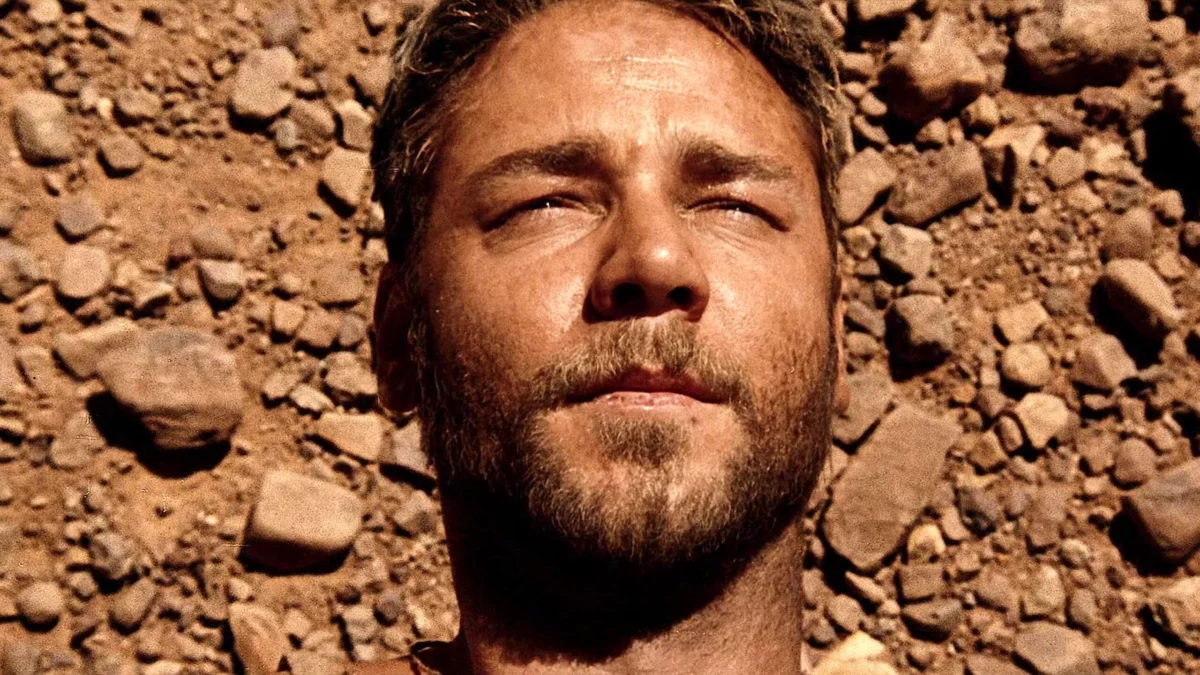
More than a quarter of a century after Russell Crowe first stood amidst the blood and dust of the Colosseum to ask a screaming, bloodthirsty audience if they were not entertained—with an answer that was universally in the affirmative—audiences are once again being granted a ticket to Ancient Rome.
Director Ridley Scott’s monumental historical epic, Gladiator, has officially arrived on Netflix in the United States. Fans can now stream the film that revitalized the historical-epic genre right alongside its successor, Gladiator II. Over 26 years after its theatrical debut in May 2000, viewers can revisit the tragic fall of Maximus Decimus Meridius from the comfort of their own living rooms, marking a major streaming milestone for one of modern cinema’s most celebrated action masterpieces.
The Plot: A Tale of Betrayal, Honor, and Vengeance
Set in 180 CE and loosely rooted in historical figures and events, Gladiator opens on the freezing, mud-soaked frontiers of Germania. Roman forces, led by the fiercely loyal and tactically brilliant General Maximus (Russell Crowe), crush a massive Germanic tribe, securing a critical victory that brings temporary peace to the sprawling Roman Empire.
Behind the military triumph, however, the empire faces an existential crisis. The aging and wise Emperor Marcus Aurelius (Richard Harris) recognizes the moral decay eating away at Rome. Summoning Maximus to his tent, Aurelius reveals his dying wish: he wants Maximus to succeed him upon his death, seize provisional control, and return power to the Roman Senate to restore the Roman Republic.
However, this plan shatters when Aurelius confides in his arrogant, ambitious, and psychologically unstable son, Commodus (Joaquin Phoenix). Flying into a murderous rage upon realizing he is being passed over for the throne, Commodus murders his father under the cover of night, seizing absolute power.
From General to Gladiator
With the throne secured through patricide, Commodus moves quickly to eliminate potential threats. He orders the execution of Maximus and his family. Though the general manages to escape his captors, he arrives too late at his remote estate in Spain. He finds his home reduced to ash, and his wife and young son brutally murdered.
Broken by grief and stripped of everything he loved, Maximus collapses over the graves of his family. He is captured by opportunistic slave traders and dragged across the Mediterranean to the harsh sands of North Africa. There, he is sold to a cynical, aging gladiator trainer named Proximo (Oliver Reed).
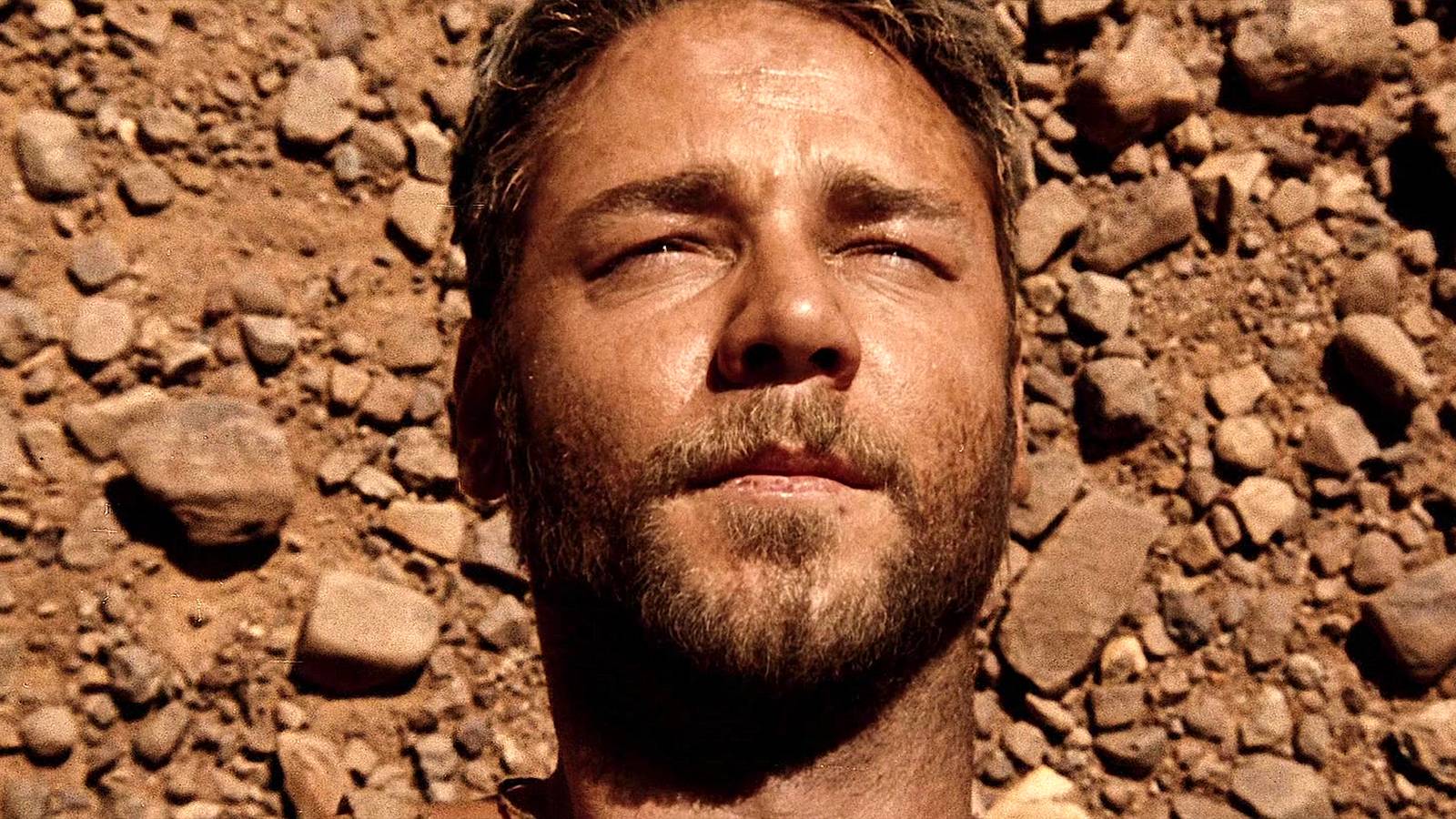
Stripped of his military rank and known simply as "The Spaniard," Maximus quickly adapts to the brutal realities of the arena. He rises through the provincial ranks, transforming into a formidable fighter and one of Proximo’s most prized assets. When Commodus eventually orders a massive, 150-day gladiatorial spectacle in Rome to distract the populace from political dissent, Maximus finally finds his path to the Colosseum—and his long-awaited vengeance against the emperor who destroyed his life.
A Stellar Ensemble Cast
The magnetic friction between Crowe’s stoic, honorable warrior and Phoenix’s whimpering, sadistic villain forms the emotional bedrock of Gladiator. Yet, the film’s enduring legacy is also built upon a powerhouse supporting cast that elevated a standard revenge drama into high art:
- Connie Nielsen as Lucilla, the former princess of Rome, caught in a delicate web of survival and political resistance against her brother, Commodus.
- Oliver Reed in his final film role as Proximo, bringing gruff wisdom, warmth, and mentoring grit to his gladiatorial stable. Reed tragically passed away during the final weeks of production, requiring digital effects to complete his arc.
- Richard Harris as the philosophical and weary Emperor Marcus Aurelius, delivering a masterclass in regal dignity.
- Djimon Hounsou as Juba, a fellow African gladiator who becomes Maximus’s trusted confidant and spiritual anchor.
- Derek Jacobi as Senator Gracchus, a steadfast defender of the Roman Republic working secretly from within the political machine.
- Ralf Möller as Hagen, a fierce Germanic warrior who fights alongside Maximus in the arena.
Chronology of a Legacy: From Development Hell to Streaming Dominance
To understand the cultural footprint of Gladiator, one must look back at the arduous journey it took to reach the silver screen, and how it evolved over the decades into a streaming staple.
1. Development and Pre-Production (Late 1990s)
The genesis of Gladiator began when DreamWorks purchased a spec script titled Always Gladiator from writer David Franzoni, who was inspired by Daniel P. Mannix’s 1958 book Those About to Die. Director Ridley Scott was brought on board, and recognizing historical inaccuracies in the initial draft, hired John Logan to rewrite the script, focusing the narrative more heavily on themes of family, corruption, and the loss of the Republic.
2. Principal Photography and Production Hurdles (1999)
Filming took place across three primary locations: Fort Ricasoli in Malta (used to recreate Ancient Rome and the Colosseum), the forests of Bourne Wood in England (for the opening battle in Germania), and Ouarzazate in Morocco (for the North African slave and training scenes). Production was notoriously challenging, plagued by an evolving script, brutal heat, and the sudden, heartbreaking death of veteran actor Oliver Reed mid-shoot.
3. The Theatrical Triumph (May 2000)
Released by DreamWorks Pictures and Universal Pictures on May 5, 2000, Gladiator was a massive critical and commercial gamble at a time when historical epics and sword-and-sandal movies had long fallen out of fashion in Hollywood. The gamble paid off spectacularly, single-handedly reviving a dormant genre that paved the way for films like Troy, 300, and Kingdom of Heaven.
4. The Streaming Era and Sequel Expansion (2020s)
Over the last two decades, Gladiator has maintained a steady presence as a premier catalog title across various platforms, including Paramount+, Starz, Pluto TV, and now, Netflix US. Its arrival on Netflix coincides with the continuous cultural momentum generated by Ridley Scott’s legacy sequel, Gladiator II, proving that the appetite for Roman swords, sandals, and political intrigue remains as voracious as ever.

Box Office Domination and Critical Acclaim
By the end of its theatrical run, Gladiator had cemented its status as one of the defining blockbusters of the year 2000. Domestically, the film pulled in an impressive $187.7 million, while international markets added an even more staggering $277.8 million, bringing its total global box office haul to $465.5 million.
Beyond its financial success, the film was an absolute juggernaut during awards season. It received 12 Academy Award nominations and ultimately took home five Oscars, including:
- Best Picture
- Best Actor (Russell Crowe)
- Best Costume Design
- Best Sound
- Best Visual Effects
Ridley Scott earned a nomination for Best Director, while Joaquin Phoenix and Djimon Hounsou were recognized for their standout supporting performances.
Cultural Implications and Industry Impact
The release of Gladiator on a major streaming platform like Netflix offers more than just convenient weekend viewing—it underscores the changing economics of Hollywood film distribution and audience consumption habits.
For years, studios relied on physical media sales and cyclical cable licensing agreements to monetize their classic catalogs. Today, streaming libraries serve as battlegrounds for viewer retention. By pairing the original 2000 classic with its 2024 successor, Netflix has curated a definitive cinematic event for subscribers, allowing younger generations to experience the narrative arc in its entirety while giving longtime fans a seamless way to rewatch the saga.
Furthermore, Gladiator established a cinematic language for historical epics that Hollywood still utilizes today. Its gritty, desaturated color palette for battle scenes, combined with Hans Zimmer and Lisa Gerrard’s haunting, emotional score, redefined how action-dramas balance historical spectacle with deeply intimate human tragedy.
As Maximus declares before his final battle in the arena, "What we do in life echoes in eternity." Over 25 years later, the echoes of Ridley Scott’s masterpiece are still ringing loud and clear across modern streaming screens.
