
Star Trek’s Robert Picardo Credits His Success To One Hilarious Thing [Exclusive]
Main Facts: The Evolution of a Sci-Fi Staple
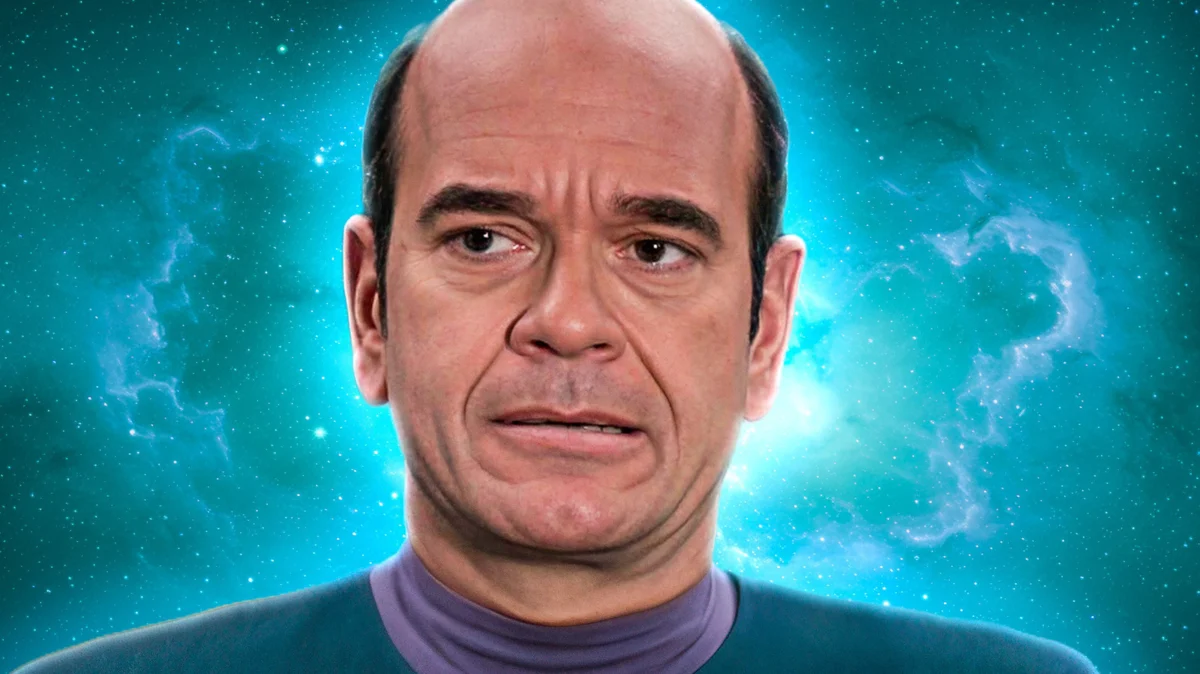
In the vast, interconnected tapestry of the Star Trek franchise, few casting decisions have yielded results as serendipitous—or as enduring—as Robert Picardo’s embodiment of the Emergency Medical Hologram (EMH), universally known simply as "The Doctor." Speaking exclusively at New York Comic Con, the veteran actor revealed that his iconic tenure aboard the USS Voyager almost never happened. In fact, Picardo actively resisted playing the character who would eventually define his career, initially angling for a vastly different role within the Delta Quadrant.
Decades after Star Trek: Voyager first broadcast its pilot in 1995, Picardo’s creation remains a towering figure in sci-fi television history. The character transitioned from a localized, digital utility meant to run only during medical emergencies into a sentient, deeply philosophical, and famously sarcastic individual. According to Picardo, the cornerstone of this brilliant characterization—and his ultimate survival on set during the early, uncertain days of production—boiled down to a very modern, colloquial secret: his "resting b**** face."
This deadpan, utterly unimpressed expression has not only stood the test of time across multiple seasons of Voyager but has also transitioned gracefully into the modern era of the franchise, most recently manifesting in Paramount+’s upcoming Star Trek: Starfleet Academy.
Chronology: From Reluctant Audition to Franchise Longevity
To understand how Robert Picardo became one of the most recognizable faces in the Star Trek universe, one must trace a timeline of happy accidents, creative persistence, and generational humor.
The Road Not Taken: Auditioning for Neelix
When Star Trek: Voyager was casting in the mid-1990s, creators were seeking a robust ensemble to launch the franchise’s fourth live-action series. Picardo, an accomplished stage and screen actor with a resume spanning The Howling, Innerspace, and China Beach, initially read for the role of Neelix. The Talaxian guide and cook was heavily reliant on extensive prosthetics and colorful, eccentric personality traits.
Picardo admitted that he originally favored Neelix over the Doctor "because I thought it was funnier." At the time, the concept of a holographic physician who could only be activated during crises felt creatively restrictive to an actor known for physical comedy and high-energy performances.
The Producers’ Persistence and the Breakthrough
Fortunately for millions of Star Trek fans, the producers saw something distinct in Picardo’s vocal delivery and comedic timing during his initial pass. They called him back, explicitly asking him to read for the role they originally had in mind for him: the EMH.
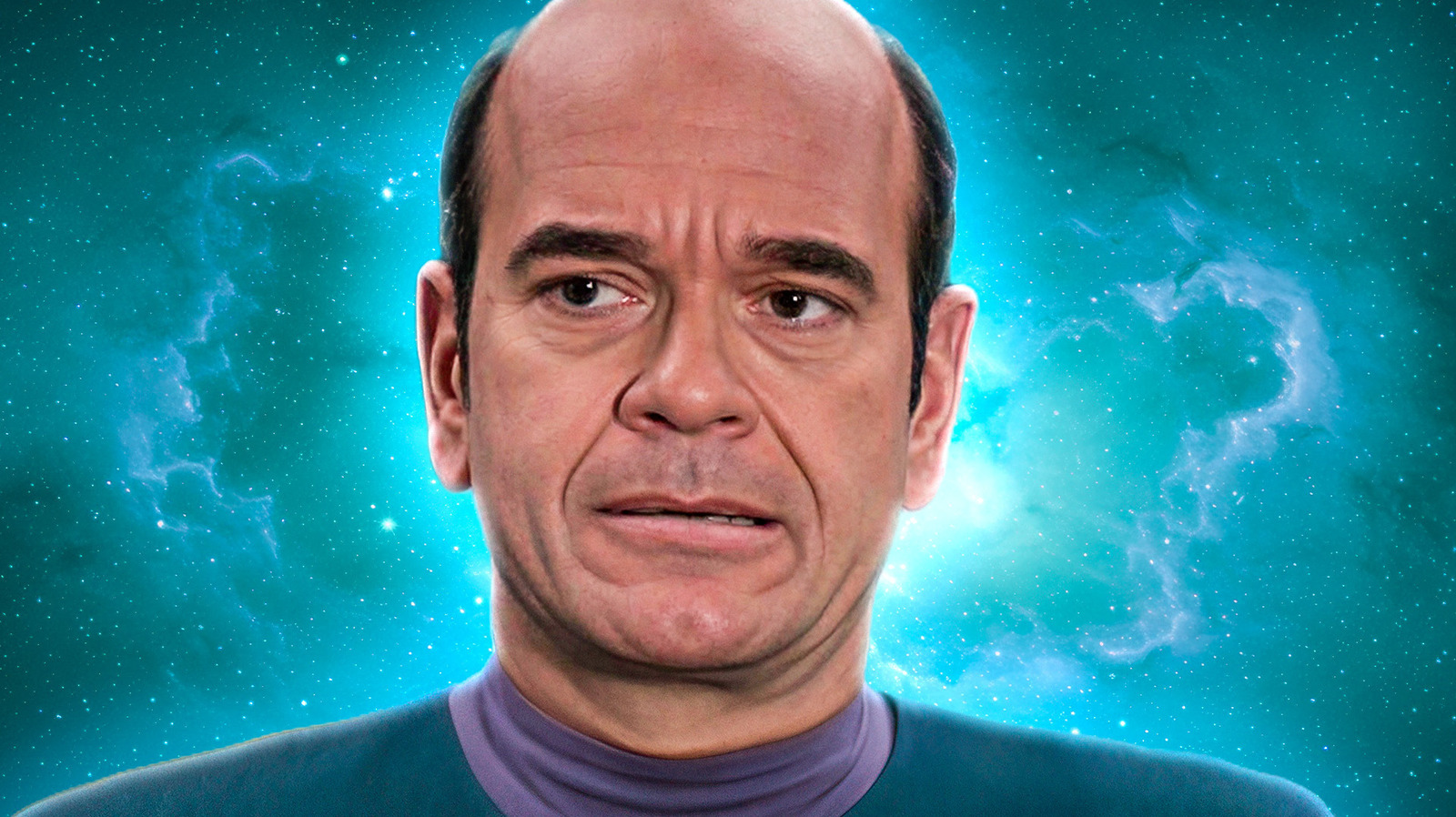
Picardo recalled his initial confusion regarding the character’s written description. "I literally said to my agent, ‘I don’t get the joke. I know they want him to be funny. There’s no lines. He’s described as colorless and humorless. I don’t know how to make that funny,’" Picardo noted.
On paper, the Doctor was written as a baseline computer program devoid of warmth, empathy, or advanced social graces. Yet, through a combination of brilliant line delivery, physical stiffness, and an unmatched ability to register profound annoyance, Picardo turned the holographic safety net into the emotional and comedic beating heart of the ship.
The Modern Return in Starfleet Academy
The character’s journey did not end when Voyager wrapped its seven-season run in 2001. Decades later, the franchise embraced its legacy by bringing legacy characters back into contemporary narratives. Picardo’s return to the Star Trek universe in Starfleet Academy proved that the Doctor’s unique brand of grumpy wisdom hasn’t aged a day. Audiences quickly embraced the transition of the former emergency program into a tenured, straight-laced professor mentoring a brand-new generation of Starfleet officers—and inevitably finding new ways to be endlessly exasperated by them.
Supporting Data: The Mechanics of Holographic Humor
The enduring appeal of the Doctor can be quantified by how the character subverted traditional sci-fi tropes. While characters like Data in Star Trek: The Next Generation explored humanity through a lens of wide-eyed innocence and a literal quest to feel, the Doctor began from a place of supreme, automated arrogance. He knew he was programmed with the sum total of multiple medical databases, making him inherently condescending to biological lifeforms.
- The Evolution of the EMH: Across 172 episodes of Voyager, the Doctor evolved from a tool summoned with the phrase "Computer, activate the Emergency Medical Hologram" to a fully autonomous individual who won civil rights, composed an entire holographic opera (Photons Be Free), and even acquired a mobile emitter from the 29th century that allowed him to walk freely outside of sickbay.
- The Family Diagnosis: According to Picardo, the secret weapon that bridged the gap between a "colorless and humorless" script and a vibrant performance came straight from his own household. "According to my children, the key to my success on ‘Voyager’ is my resting b**** face," Picardo shared with a laugh. "Until I could understand what my role was about, that got me through."
- Critical and Fan Reception: Over the course of the franchise’s history, the Doctor consistently ranks among fans’ top favorite characters from the 1990s television era. His dynamic with Captain Kathryn Janeway (Kate Mulgrew) and Seven of Nine (Jeri Ryan) provided some of the show’s sharpest dramatic and comedic beats.
Official Responses and Behind-the-Scenes Insights
The creative synergy between Picardo and the writers of Voyager is legendary in Star Trek lore. Initially, the production team intended for the Doctor to be a minor background element who would occasionally pop up to fix a broken bone or cure an alien space plague before vanishing back into the computer grid.
However, Picardo’s distinct inflection, timing, and unmistakable facial expressions forced the writers’ room to pivot. Recognizing that they had struck gold, the showrunners quickly began expanding his storylines, granting the character personal autonomy, artistic pursuits, and existential dilemmas that mirrored classic science fiction explorations of artificial intelligence.
In various retrospective interviews, former Voyager showrunners and writers have acknowledged that Picardo elevated scripts simply by virtue of his delivery. Lines that might have read as dry technobabble or clinical detachment were transformed into moments of biting sarcasm. When paired with his signature scowl—the very "resting b**** face" his children pointed out—the Doctor became the ultimate audience surrogate for anyone forced to deal with absurd workplace environments.
Implications: A Lasting Legacy in the Star Trek Universe
Robert Picardo’s accidental journey into the role of the Doctor has broad implications for how television characters are developed and sustained over decades.
Redefining Artificial Intelligence in Sci-Fi
Long before modern conversations surrounding generative artificial intelligence, machine learning, and sentient algorithms dominated the cultural zeitgeist, Star Trek: Voyager was tackling these themes through the Doctor. By grounding the existential dread and growing pains of an AI in razor-sharp wit and physical comedy, Picardo made complex philosophical concepts digestible and deeply entertaining. The Doctor’s journey from property to personhood set a narrative template that later sci-fi series would emulate.
The Value of the Reluctant Icon
Furthermore, Picardo’s experience highlights the unpredictable nature of casting in major franchises. Had he successfully landed the role of Neelix, television history would look vastly different. The absence of his dry delivery would have altered the tonal balance of Voyager, robbing fans of one of the 1990s’ most iconic comedic pairings and character arcs.
A Bridge Between Eras
As the Star Trek franchise continues to expand through streaming platforms like Paramount+, connecting classic eras to modern storytelling has become a vital strategy. The return of legacy actors grounds new series in institutional memory while offering nostalgic comfort to longtime fans. By bringing the Doctor back for Starfleet Academy, the franchise honors its past while allowing Picardo to apply his timeless scowl to a fresh canvas of young actors and ambitious cadets.
Ultimately, what started as a confused actor reading lines for a "colorless and humorless" hologram blossomed into a masterclass in comedic timing, proving that sometimes, the best path to sci-fi immortality is simply looking like you’d rather be anywhere else in the galaxy.
