
Unearthing a Lost TV Gem: When Leonard Nimoy Crossed Paths with Vincent Price on NBC’s Matinee Theatre
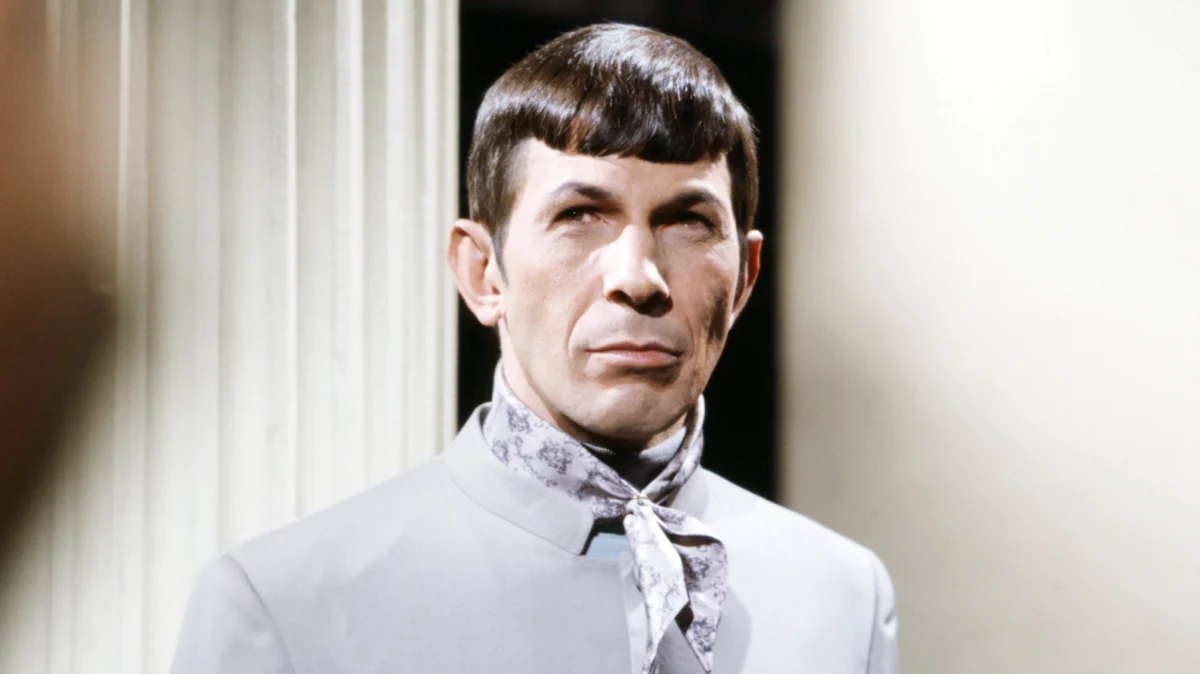
Long before he donned pointed ears, raised a hand in the timeless Vulcan salute, and commanded the bridge of the USS Enterprise as Mr. Spock, a young Leonard Nimoy was grinding it out in the trenches of 1950s episodic television. Like countless actors of his generation, Nimoy’s early career was defined by a relentless cycle of auditions, one-off guest star spots, and blink-and-you-miss-them background appearances.
Among these early stepping stones is a fascinating, nearly forgotten piece of television history: a 1956 appearance on NBC’s ambitious daily drama series, Matinee Theatre, where a twenty-something Nimoy shared the screen—however briefly—with legendary horror icon Vincent Price. Though lost to the annals of streaming platforms and largely scrubbed from public viewing, this forgotten broadcast provides a compelling window into the formative years of a sci-fi legend.
Main Facts: A Brief Encounter in a Forgotten Masterpiece
The event took place in 1956 during an episode of NBC’s live daytime drama Matinee Theatre titled "Whom Death Has Joined Together." The production starred Vincent Price, an actor celebrated not merely for cheap scares, but for a cerebral, deeply psychological brand of cinematic terror. Price famously encapsulated his philosophy on acting by stating, "I don’t play monsters, I play men besieged by fate and out for revenge."
In "Whom Death Has Joined Together," Price’s character was executing a sinister plot: setting up an intricate trap to kill his wife using a volatile combination of a ringing telephone and flammable gas. Into this tense, suffocating atmosphere walks Leonard Nimoy, cast in a modest, virtually silent role as a delivery man.
Reflecting on the experience years later in an interview with the Television Academy, Nimoy recalled the mechanics of the scene:
"He was very nervous when he came to the door. I couldn’t see what was going on inside and I’m kind of looking around."
Nimoy delivered fewer than five lines. After a brief, suspenseful exchange at the doorway, his character’s part was finished. Yet, despite the brevity of the work, the assignment placed him opposite one of the most charismatic theatrical presences of the 20th century, setting a high bar for professionalism in the actor’s burgeoning career.
Chronology: The Landscape of 1950s Live Television
To understand the significance of Nimoy’s appearance on Matinee Theatre, one must understand the unique landscape of American television in the mid-1950s. Broadcast live across the nation five days a week, Matinee Theatre was a monumental undertaking for NBC. Running from 1955 to 1958 under the guidance of producer Albert McCleery, the series produced nearly 600 episodes.
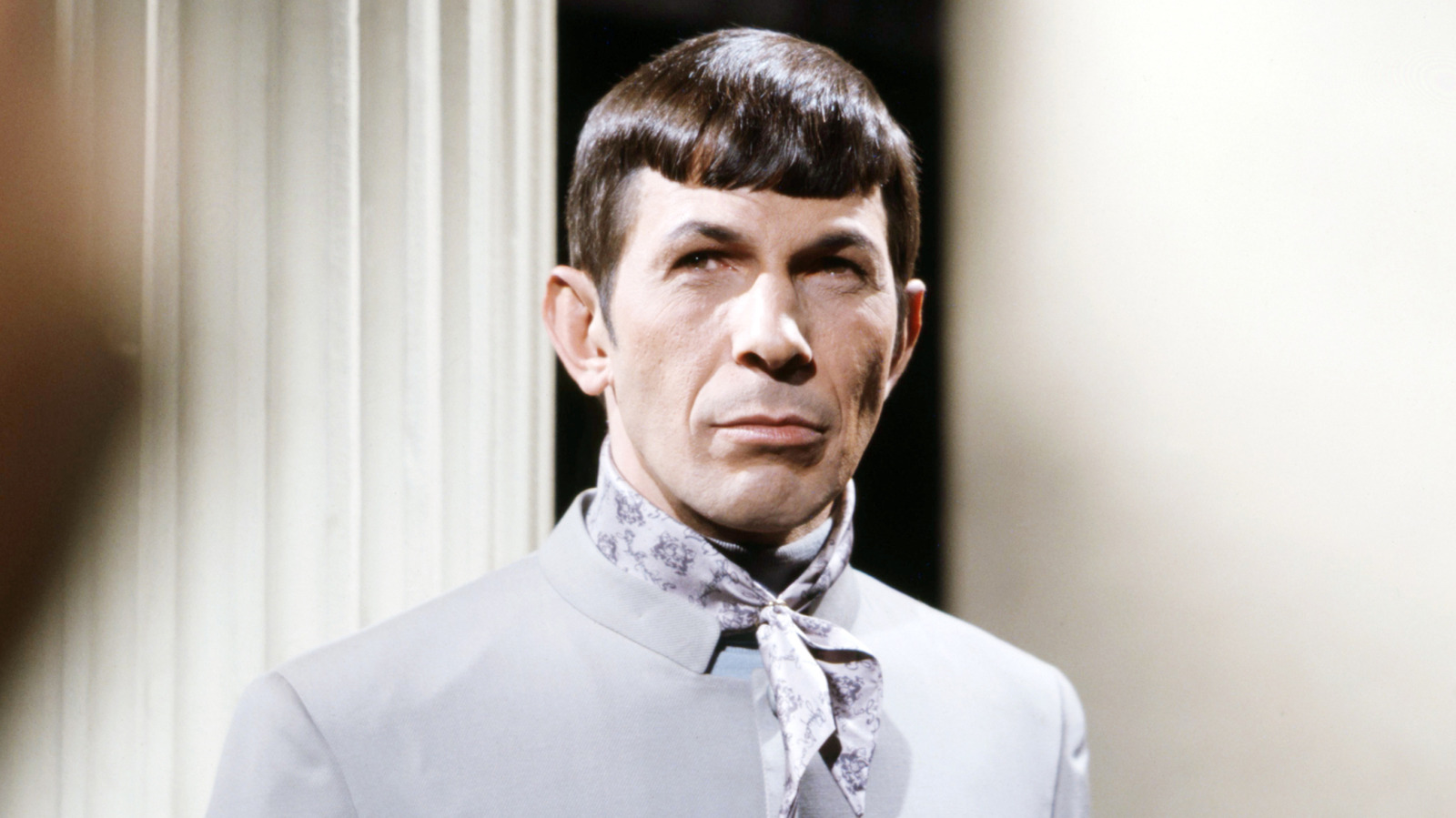
Because videotape was still in its infancy and expensive, and because early archiving standards were practically nonexistent, the vast majority of Matinee Theatre episodes were broadcast live and preserved only via kinescope—if preserved at all. Today, out of those hundreds of hours of groundbreaking live television, only a handful of episodes survive in accessible archives. The Nimoy-Price episode, unfortunately, is not among them, leaving it to exist purely in script archives, production stills, and the oral history of television veterans.
The Matinee Theatre to Star Trek Pipeline
Fascinatingly, Matinee Theatre served as an early career incubator for several actors who would later become inextricably linked to the Star Trek universe:
- 1955: DeForest Kelley—decades before he would diagnose physiological anomalies as Dr. Leonard "Bones" McCoy—starred in the murder-centric Matinee Theatre episode "Beyond a Reasonable Doubt."
- 1956: Leonard Nimoy appears alongside Vincent Price. (Nimoy was actually cast in a second Matinee Theatre episode shortly thereafter, though his performance was ultimately cut during rehearsals).
- 1958: William Shatner—later Captain James T. Kirk—appeared near the twilight of the series run in an episode titled "Hands," which explored the tragic aftermath of a man’s untimely death.
While character actors like John Hoyt found steady, recurring work on the show—appearing in 12 separate episodes of Matinee Theatre—Nimoy and his future Starfleet officers were largely transient talents, moving from live theater stages to single-shot television gigs in search of stability and exposure.
Supporting Data: The Paradox of Small Roles
For Nimoy, navigating an industry dependent on one-off television appearances was an exercise in specialized craftsmanship. Ironically, the actor later reflected that playing tiny, fleeting roles was often far more mentally exhausting and technically difficult than carrying an entire television show or speaking pages of dialogue.
In his interview with the Television Academy, Nimoy elaborated on this paradox:
"It was more difficult to do a one-line or a two- or three-line role than to do pages of dialogue. Because [with] pages of dialogue you get invested in the character and invested in the story."
When an actor has only a single line or a silent reaction shot, establishing a distinct, believable human presence within seconds requires surgical precision. There is no narrative runway to warm up the audience; the character must exist fully, authentically, and immediately. This discipline ultimately served Nimoy well when he was tasked with breathing life into Mr. Spock—a character defined by internal turmoil masked by stoic, extraterrestrial impassivity.
Official Responses and Industry Recollections
While direct contemporary reviews of Nimoy’s performance in "Whom Death Has Joined Together" have been lost to time, historical retrospectives from entertainment historians and Nimoy himself paint a vivid picture of a young actor paying his dues.
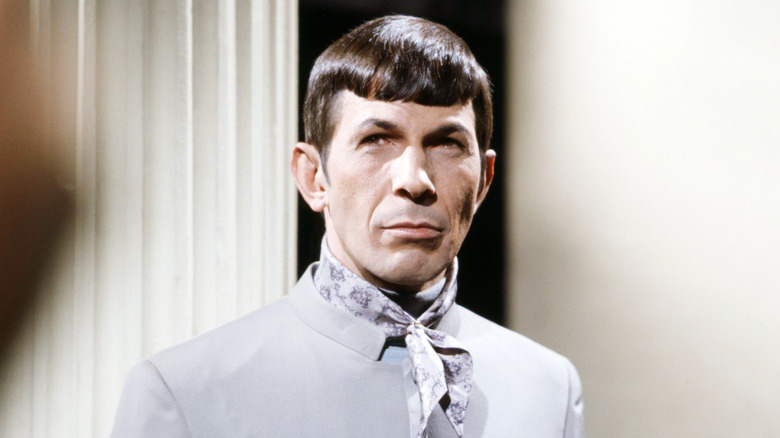
Industry veterans often note that 1950s television guest spots were the primary networking hubs for aspiring talent. It was through this exact ecosystem of guest-star casting that Nimoy secured the connections that would define his professional legacy.
Years after his brief encounter with Vincent Price, Nimoy crossed paths with a director named Gene Roddenberry on the set of the 1960s legal and military drama The Lieutenant. Nimoy had, once again, been hired for a single-episode guest spot. However, that one-off performance left an indelible impression on Roddenberry. When the visionary creator began casting a cerebral, half-human, half-alien science officer for a risky new space-western pilot called The Cage, Nimoy was the only actor from that rejected pilot whom Roddenberry fought to retain when the show was picked up as Star Trek.
Furthermore, Nimoy’s extensive guest-starring circuit also led him to share the screen with William Shatner prior to Star Trek, notably on an episode of the classic spy series The Man from U.N.C.L.E. However, as television historians point out, those early crossovers did not immediately forge the legendary on-screen chemistry that would later define Kirk and Spock; the actors simply didn’t have enough shared screen time in those isolated cameos to establish a lasting rapport.
Implications: The Making of an Icon
The revelation that Leonard Nimoy’s early resume included sharing a stage with a titan of horror like Vincent Price underscores a vital lesson in the evolution of cinematic icons: greatness is rarely born overnight.
Every legend of stage and screen is forged in the crucible of obscurity. The brief, five-line delivery man role in a forgotten 1956 live television broadcast may seem trivial when compared to the cultural monolith of Star Trek. Yet, it represents the exact type of unglamorous, high-pressure environment that sharpened Nimoy’s craft.
By taking every small-part job seriously, interacting with masters of tension like Vincent Price, and surviving the chaotic, unforgiving environment of live 1950s broadcasting, Nimoy cultivated the precise skills needed to construct one of the most beloved characters in television history. Though the tapes of Matinee Theatre may gather dust and fade into historical obscurity, the invisible threads connecting those early live-TV walk-ons to the bridge of the USS Enterprise remain an enduring testament to perseverance, talent, and destiny.
