
The Unstoppable Evolution of John Turturro: A Career in Character and Conscience
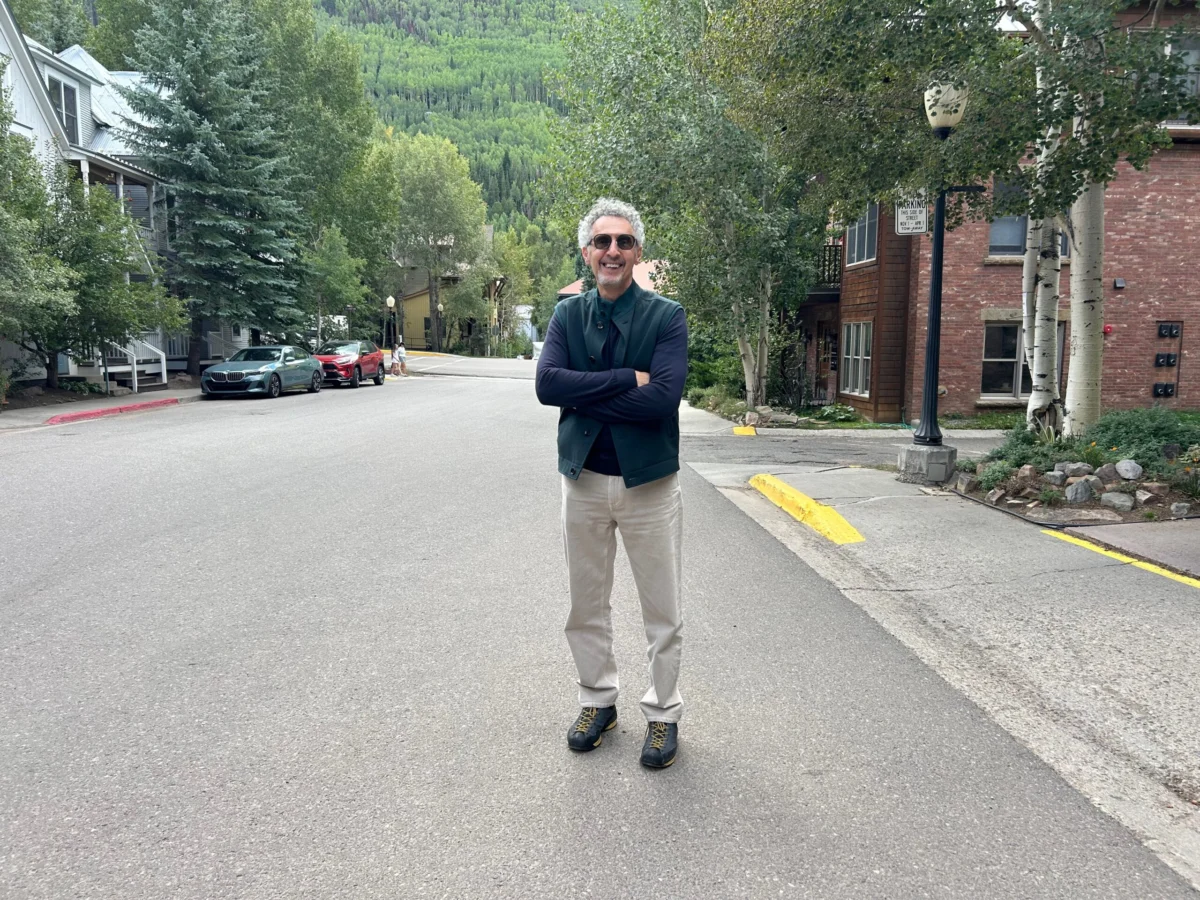
For over four decades, John Turturro has been the cinematic equivalent of a master key—able to unlock the deepest, most complex chambers of the human psyche while blending seamlessly into the distinct universes of auteurs like the Coen brothers and Spike Lee. From the desperate, sweat-drenched anxiety of the title character in Barton Fink to the swaggering, purple-jumpsuited menace of Jesus Quintana in The Big Lebowski, Turturro has cultivated a reputation as an actor’s actor. Yet, at 69, this Italian American icon finds himself at a fascinating new career inflection point: one where his long-standing "overdue" status for an Academy Award is finally meeting the critical momentum of a potential frontrunner.
A Legacy of Memorable Transformations
Turturro’s filmography is a testament to the power of the character actor elevated to lead status. His collaboration with the Coen brothers remains the stuff of legend, having defined the eccentric, intellectual, and often tragicomic tone of their early works. Simultaneously, his partnership with Spike Lee—most notably as the volatile, complex Pino in Do the Right Thing—cemented his ability to play characters who are as problematic as they are human.
Beyond his work in front of the camera, Turturro has quietly built a body of work as a director that mirrors his own sensibilities: gritty, heartfelt, and deeply rooted in the working-class experience. From the Cannes Camera d’Or-winning Mac to the lyrical Illuminata and the musical grit of Romance & Cigarettes, his directorial efforts reveal a man obsessed with the "unexplored" corners of labor and dignity.

The 2026-2027 Breakthrough: A Critical Renaissance
This year, the industry narrative has shifted toward a long-overdue recognition of his craft. His performance in The Only Living Pickpocket in New York, which premiered to acclaim at Sundance and has been a fixture on the fall festival circuit, has Sony Pictures Classics positioning him for a Best Actor Oscar nomination.
The film, directed by Noah Segan, serves as a poignant study of aging, the loss of analog skills in a digital world, and the redemptive power of late-life responsibility. It is a quiet, deliberate performance—a departure from the high-octane energy of his younger roles—and one that seems to have struck a chord with voters and critics alike.
Chronology of a Career: From Theater to Screen
Turturro’s roots are firmly planted in the New York theater scene, a foundation that informs his disciplined approach to every role. His training at the Yale Drama School instilled in him a "humble ritual" approach to acting—a belief that no matter the size of the project, the work requires the same level of granular detail and commitment.

- The Early Years: Emerging from the theater, Turturro quickly gained notice for his intensity, leading to his breakthrough collaborations in the late 1980s.
- The Indie Darling: Through the 90s and early 2000s, he balanced mainstream blockbusters with deeply personal independent projects like Mac, which served as a tribute to his father and the dignity of manual labor.
- The Modern Era: His recent pivot into projects like Tom McCarthy’s A Statement (set for a Spring 2027 release) shows an actor still hungry for intellectual challenges. At a recent New York Film Festival press screening for the film, Turturro was clearly the standout of a massive, 24-actor ensemble, earning the most palpable applause from the audience.
Supporting Data: The Craft of the Performance
In A Statement, Turturro portrays an MIT nuclear expert caught in a 1980 conference on climate change. The film is largely an adaptation of a real-world transcript, requiring an immense level of preparation.
"75 percent of the movie is a transcript edited down," Turturro noted during a sit-down at the Telluride Film Festival. "It’s really about democracy: How can people come to some kind of consensus, if not unanimity, and how difficult it is."
His approach to The Only Living Pickpocket in New York was similarly rigorous. To capture the tactile reality of a pickpocket, he studied with professional "magician pickpocket" Apollo Robbins. "His hands are like a concert pianist’s," Turturro explained. "You have to let it go, or you put your finger in someone’s pocket, and you don’t take it, just hold it. It’s got to be with one hand."

This dedication to the "how" of a character—the specific, physical manifestations of a trade or a trauma—is what elevates his work above standard character acting.
Official Perspectives: The Ethics of the Working Class
When asked about his fascination with blue-collar narratives, Turturro is characteristically candid about the industry’s blind spots. "It drives me crazy when I think how many movies have been made about the Titanic, and no movie was ever made about the Brooklyn Bridge, which stands and serves people every day," he remarked. "The working class is unexplored."
He remains a champion of films that explore class, race, and sex without the sanitized gloss of typical studio fare. While he acknowledges that he has taken on "stupid movies" for the sake of the paycheck or the fun of it, his heart remains with stories that operate "off the beaten track."

Implications: The Oscar Narrative
The buzz surrounding his potential Oscar nomination is not merely sentimental; it is a reflection of a changing Academy that has begun to reward career-long excellence. Turturro’s lack of a previous nomination is, to many industry insiders, a glaring omission in the history of the awards.
If he secures the nomination for The Only Living Pickpocket in New York, it would represent a validation of the "tough guy with a heart" archetype he has spent a lifetime perfecting. The film’s focus on an aging man taking care of his incapacitated wife provides the emotional bedrock that the Academy typically favors.
Furthermore, his continued work with contemporaries like Paul Giamatti and Tatiana Maslany—both on stage and in film—suggests that Turturro is not merely resting on his laurels. He is an actor actively engaging with the next generation of talent, ensuring that his influence continues to ripple outward.

Looking Forward
As he moves toward the release of A Statement in 2027, Turturro seems more interested in the "humble rituals" of his craft than in the trappings of fame. He speaks fondly of his old VHS tapes and his lack of a laser disc player, embodying a man who is deeply nostalgic for the physical artifacts of cinema, yet fully present in the digital reality of today’s production cycles.
Whether or not he takes home the gold in the coming season, the narrative of his career is secure. John Turturro has never been just a face on a screen; he has been an anchor for some of the most important stories told in the last 40 years. He is a craftsman who has, in his own words, "taken the elevator down to the subbasement" to find the truth in every role he plays. For audiences, that journey into the subbasement has been the greatest gift of all.
Summary of Key Developments
- Current Project: The Only Living Pickpocket in New York is currently in the awards conversation, with Sony Pictures Classics pushing for a Best Actor nod.
- Future Slate: A Statement, directed by Tom McCarthy, is slated for a Spring 2027 release, following a successful festival run at NYFF.
- Artistic Stance: Turturro continues to emphasize the need for cinema that explores the working-class experience, a theme he has championed since his 1992 directorial debut, Mac.
- Industry Recognition: Despite a decades-long career, Turturro has yet to receive an Academy Award nomination, a trend many critics expect to be broken in the current cycle.
