
Bridging the Gap: Huawei Unveils the Ruiying Z10 24-240mm Module for the Mate 90 Pro Max Collector’s Edition
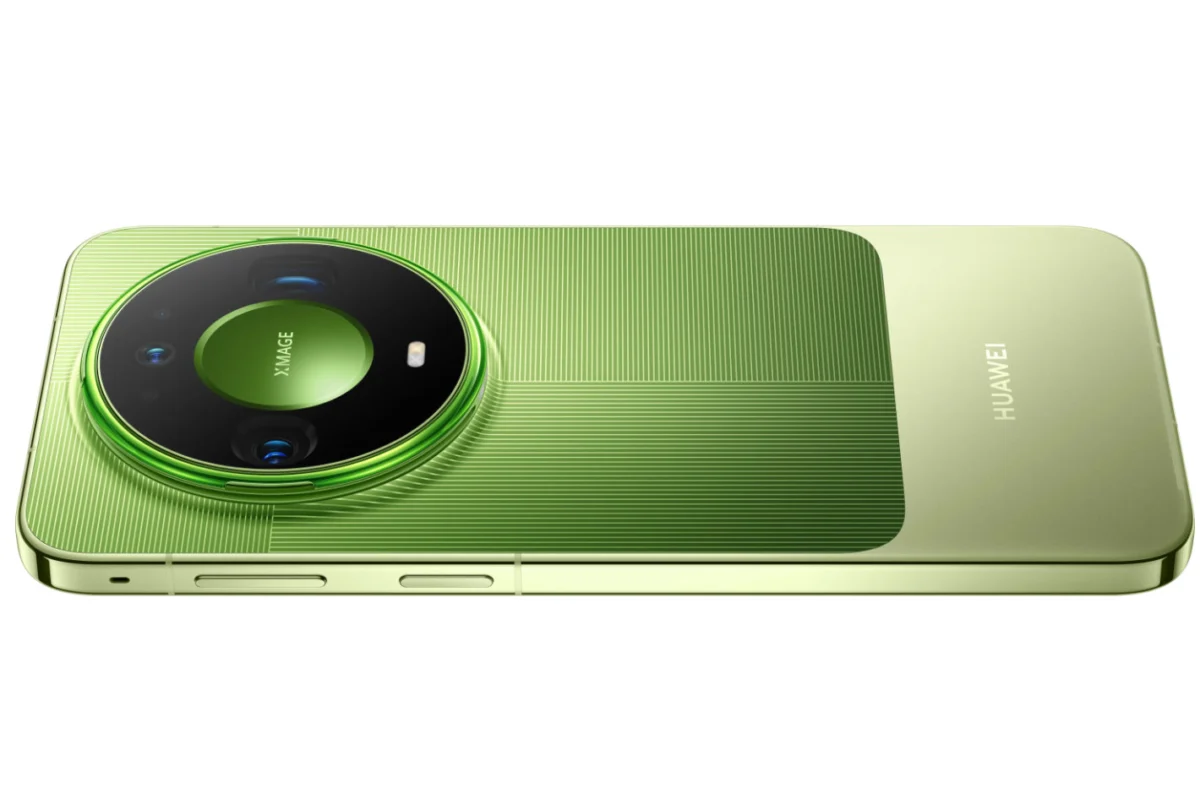
The intersection of mobile communication and high-end digital cinematography has long been a holy grail for consumer electronics manufacturers. While smartphones have effectively replaced pocket point-and-shoot cameras for the vast majority of consumers, professionals and enthusiasts alike have continually pointed to physical limitations—primarily sensor size and optical constraints—as insurmountable barriers to true professional parity.
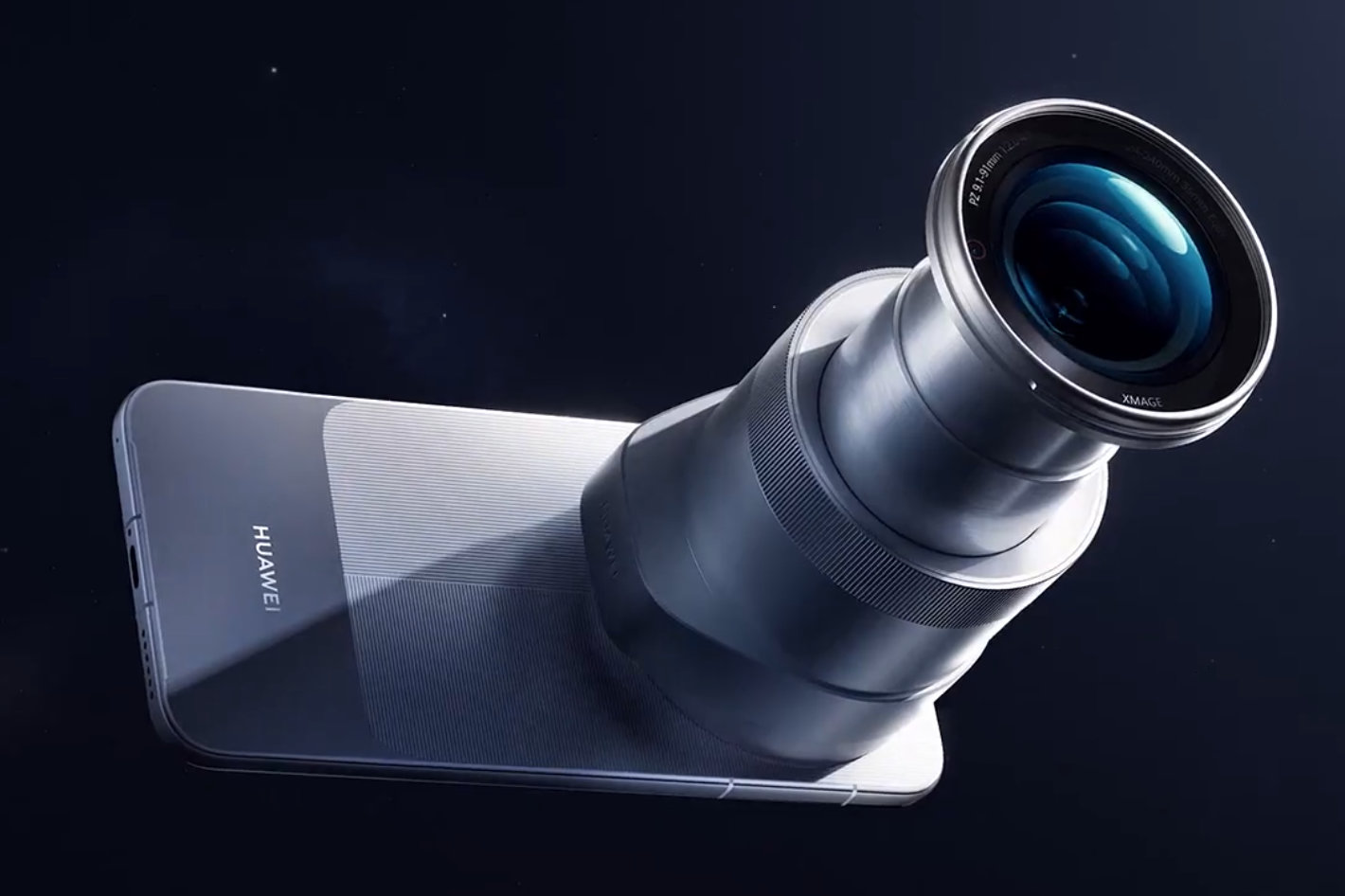
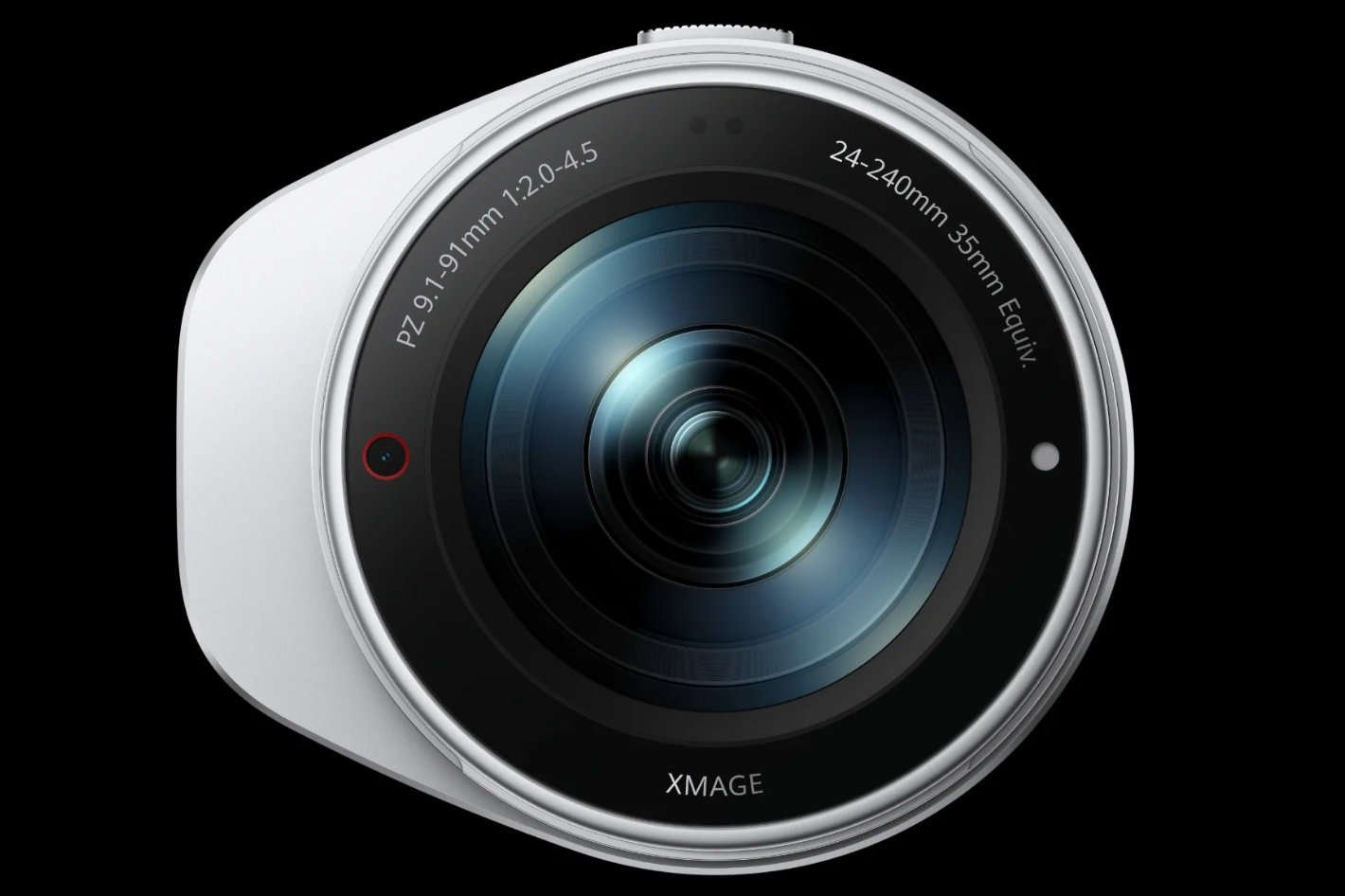
Now, Huawei is pushing the envelope further than most of its western-market competitors are currently willing to venture. With the introduction of the Ruiying Z10 camera accessory for the exclusive Huawei Mate 90 Pro Max Collector’s Edition, the tech giant has delivered a bold statement on the future of mobile imaging. Featuring a massive 1-inch type sensor and a continuous 10x optical zoom lens, this modular approach breathes new life into an old concept: bridging the gap between standalone mirrorless cameras and pocket-sized superphones.
Main Facts: The Ruiying Z10 and Mate 90 Pro Max Ecosystem
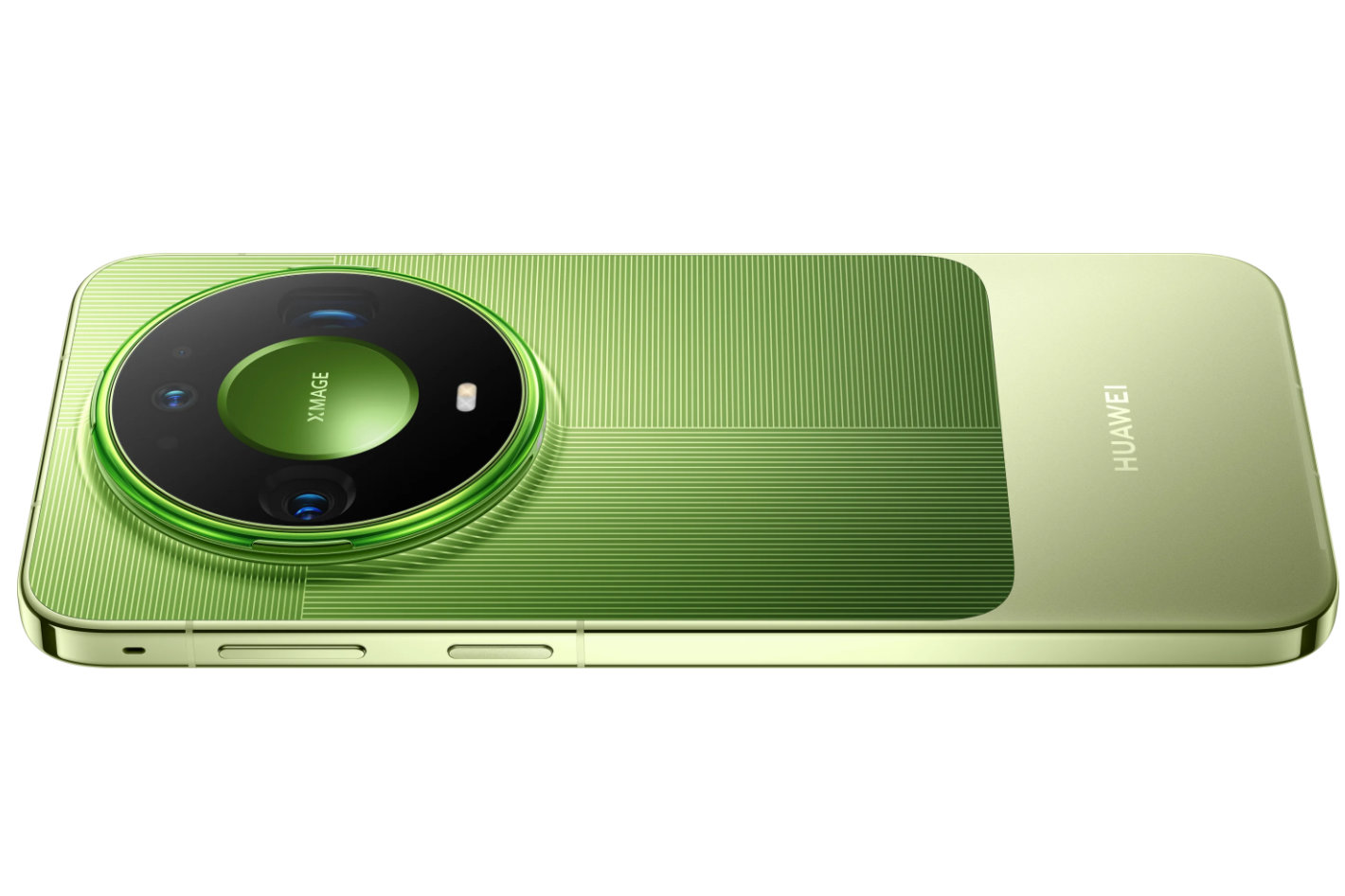
At the core of this high-end photography kit is the Ruiying Z10 module, a dedicated hardware attachment engineered specifically for the Collector’s Edition of the Huawei Mate 90 Pro Max.
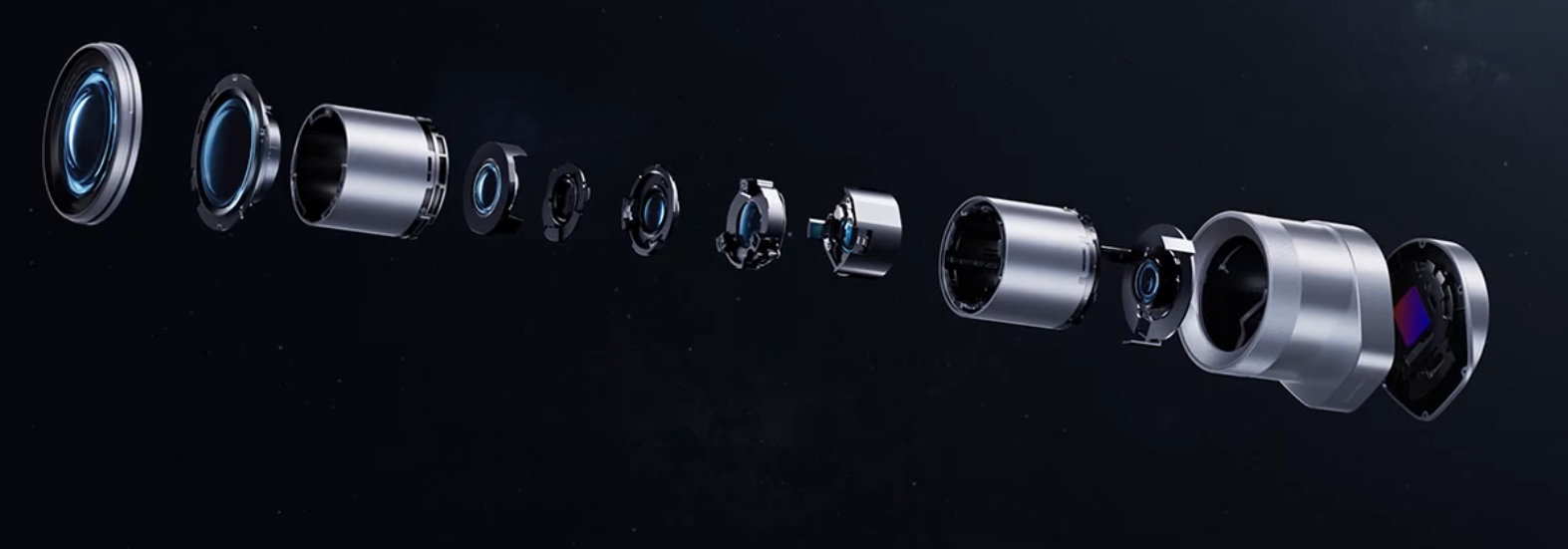
Unlike digital "zoom" features that rely on cropping high-resolution sensors or AI-assisted interpolation, the Z10 offers true, continuous optical zoom. Key specifications of the Ruiying Z10 module include:
- Sensor: 50MP 1-inch type RYYB sensor, offering exceptional low-light gathering capabilities and dynamic range.
- Optics: Integrated 24–240mm (35mm equivalent) f/2.0–4.5 zoom lens.
- Zoom Range: 10x continuous optical zoom, delivering versatile framing options from wide-angle landscapes to distant telephoto subjects.
- Ergonomics: Includes a dedicated physical lens collar accessory—resembling those found on professional telephoto DSLR and mirrorless lenses—to ensure stable tripod mounting and balanced handling.
While the modular Z10 elevates the Collector’s Edition into hybrid camera territory, the base Huawei Mate 90 Pro Max is no slouch on its own. The standard flagship features a formidable built-in triple-camera array:
- Main Camera: 50MP primary sensor (24mm equivalent) equipped with a flexible physical variable aperture ranging from $f/1.4$ to $f/4.0$.
- Periscope Telephoto: An ultra-sharp 200MP periscope lens (89mm equivalent, $f/2.6$) providing native 4x optical zoom.
- Ultrawide Camera: 40MP sensor (13mm equivalent, $f/2.2$).
- Video & Selfie: Comprehensive 4K video recording support paired with a 13MP ultrawide front-facing camera featuring autofocus.
Pricing structures reflect the ultra-premium nature of these devices. The base Huawei Mate 90 Pro Max (configured with 16GB of RAM and 512GB of internal storage) retails for approximately $1,500 USD (converted). The Collector’s Edition, sporting the same memory and storage tier, steps up to roughly $1,700 USD. Meanwhile, the comprehensive Collector’s Pro Camera Kit—which bundles the specialized Ruiying Z10 camera module alongside necessary mounting hardware—commands a price tag of around $2,900 USD.
Chronology: The Evolution of Interchangeable Smartphone Lenses
The concept of marrying standalone optical glass and large sensors with the computing power and connectivity of a smartphone is far from a brand-new invention. It is an idea that has periodically surfaced, evolved, and receded over the past decade.
Early Pioneers: The Sony QX Series
Long before modern manufacturers began experimenting with modular backs, Sony laid the groundwork. At IFA Berlin in 2013, Sony introduced the QX series of "Smart Lens" style cameras. Comprising four distinct models over time—the QX1, QX10, QX30, and QX100—these devices operated as standalone lens-style cameras that clipped onto the backs of iOS and Android smartphones via Wi-Fi and NFC connections.
Most notably, the Sony QX100 utilized a massive (for the time) 20.2-megapixel, 1-inch type sensor paired with a Carl Zeiss Vario-Sonnar T* 28-100mm ($f/1.8–4.9$) lens. While innovative, the market at the time was hamstrung by laggy Wi-Fi live-view feeds, bulky pocket profiles, and consumer preference for all-in-one convenience. The trend faded, and standalone lens-style cameras largely disappeared from mainstream retail shelves.
The 2025 Mobile World Congress Resurgence
Fast forward to early 2025. At the Mobile World Congress (MWC), the industry witnessed a sudden, coordinated revival of the concept. Both Xiaomi and Realme showcased new conceptual frameworks and hardware prototypes exploring interchangeable lenses for smartphones. Recognizing that software processing—no matter how advanced—still struggles against the laws of physics regarding light gathering and optical compression, these manufacturers began courting mobile photographers eager for true physical depth.
Huawei’s Current Leap
Now, effectively bypassing western markets where its brand presence has sharply contracted due to geopolitical and trade restrictions, Huawei has moved past the "concept" phase. By launching the Ruiying Z10 alongside the Mate 90 Pro Max Collector’s Edition, Huawei has transformed a theoretical trade-show talking point into an available consumer product—albeit one restricted to specific regional markets and high-end price points.
Supporting Data: Comparative Specifications and Market Pricing
To fully understand where the Ruiying Z10 and Mate 90 Pro Max position themselves in the broader imaging landscape, it is helpful to analyze the technical breakdown alongside historical precedents:
| Device / Module | Sensor Size | Resolution | Focal Length / Lens | Aperture Range | Estimated Price |
|---|---|---|---|---|---|
| Sony QX100 (2013) | 1-inch type | 20.2 MP | 28–100mm | $f/1.8$ – $f/4.9$ | ~$500 USD (at launch) |
| Huawei Mate 90 Pro Max (Base) | Variable (Triple array) | 50MP + 200MP + 40MP | 13mm, 24mm, 89mm | $f/1.4$ – $f/4.0$ (Main) | ~$1,500 USD (16GB/512GB) |
| Huawei Ruiying Z10 Module | 1-inch type (RYYB) | 50MP | 24–240mm (10x Zoom) | $f/2.0$ – $f/4.5$ | Bundled in $2,900 Kit |
Economic Breakdown of the Huawei Ecosystem
- Mate 90 Pro Max (Base): ~$1,500 USD
- Mate 90 Pro Max (Collector’s Edition): ~$1,700 USD
- Collector’s Pro Camera Kit (including Z10 Module & Accessories): ~$2,900 USD
The steep financial step from the base phone ($1,500) to the fully kitted-out Pro Camera Kit ($2,900) highlights that Huawei is not targeting the average consumer. Instead, this ecosystem is aimed squarely at high-end content creators, mobile photojournalists, and gadget enthusiasts who demand dedicated camera-like versatility without abandoning the Android ecosystem.
Official Responses and Industry Perspectives
Reactions from the broader tech and photography communities have been mixed, oscillating between high praise for engineering bravery and skepticism regarding practicality.
The Manufacturer’s Angle
Huawei’s design philosophy hinges on the belief that consumers in select markets—particularly Asia, where mobile-first content creation dominates—are willing to carry specialized accessories if the resulting image quality rivals entry-level interchangeable-lens cameras (ILCs). By integrating their proprietary RYYB sensor technology (which replaces traditional green pixels with yellow to dramatically increase light intake), Huawei claims the Z10 module outperforms traditional small-sensor video cameras in low-light scenarios.
Independent Criticisms and Real-World Concerns
Industry analysts and professional photographers reviewing the announcement have raised several valid operational concerns:
- Portability vs. Convenience: The primary appeal of a smartphone is its ability to slip effortlessly into a pocket. Attaching a bulky 24–240mm module and a tripod lens collar fundamentally defeats this purpose, transforming the smartphone into a two-piece hybrid device that rivals the physical footprint of a compact mirrorless camera (such as a Sony ZV-E10 or Fujifilm X-T50).
- Ecosystem Lock-In: Because the Ruiying Z10 is exclusively engineered for the Mate 90 Pro Max Collector’s Edition, users cannot upgrade their phone down the line without rendering a nearly $1,200 camera accessory obsolete.
- Software Integration and Latency: Communicating high-bitrate, uncompressed optical data between a physical lens module and a smartphone processor introduces challenges regarding shutter lag, thermal management, and battery drain—hurdles that historical modular attempts struggled to overcome completely.
Implications: What the Ruiying Z10 Means for the Future of Mobile Imaging
The release of the Huawei Mate 90 Pro Max and its Ruiying Z10 module carries significant implications for the future trajectory of mobile photography hardware.
1. The Physical Limits of Computational Photography
For the past half-decade, smartphone manufacturers have relied heavily on computational photography—using artificial intelligence, multi-frame stacking, and neural processing units (NPUs)—to simulate the depth of field, zoom clarity, and dynamic range of larger physical lenses. However, computational photography has hit a wall of diminishing returns, often resulting in unnatural "watercolor" textures or over-sharpened artifacts. Devices like the Mate 90 Pro Max with the Z10 module signal a tactical return to physics-first imaging: if you want better zoom, you need bigger glass and larger physical sensors.
2. Form-Factor Convergence
We are witnessing a slow convergence between traditional cameras and smartphones. While standalone compact cameras (outside of premium Ricoh GR or Sony RX series models) have largely vanished, manufacturers are continually experimenting with ways to merge the ubiquitous pocket computer with professional-grade optics. If modules like the Ruiying Z10 gain traction in eastern markets, brands like Xiaomi, Realme, and potentially others may feel pressured to commercialize their own MWC 2025 interchangeable-lens prototypes.
3. Regional Fragmentation and Western Absence
Regrettably for western tech enthusiasts, Huawei’s ongoing exclusion from Google Mobile Services and western retail channels means innovations like the Ruiying Z10 will likely remain regional novelties. Western consumers will have to look to domestic competitors or future iterations from global brands to see if modular smartphone photography can find a sustainable foothold outside of Asia.
Conclusion
The Huawei Mate 90 Pro Max Collector’s Edition and its accompanying Ruiying Z10 24-240mm module represent an audacious engineering feat. By refusing to let physical size dictate optical boundaries, Huawei has created a fascinating bridge between the smartphone and the mirrorless camera. Whether this $2,900 hybrid kit sparks a broader industry-wide revolution in modular mobile imaging—or remains a fascinating, ultra-expensive niche collector’s item—will ultimately depend on how content creators respond to the demands of carrying physical glass in a digital-first world.
