
Elevating the Visual Standard: RØDE’s LPA1 Pro Studio Arm Redefines Content Creation
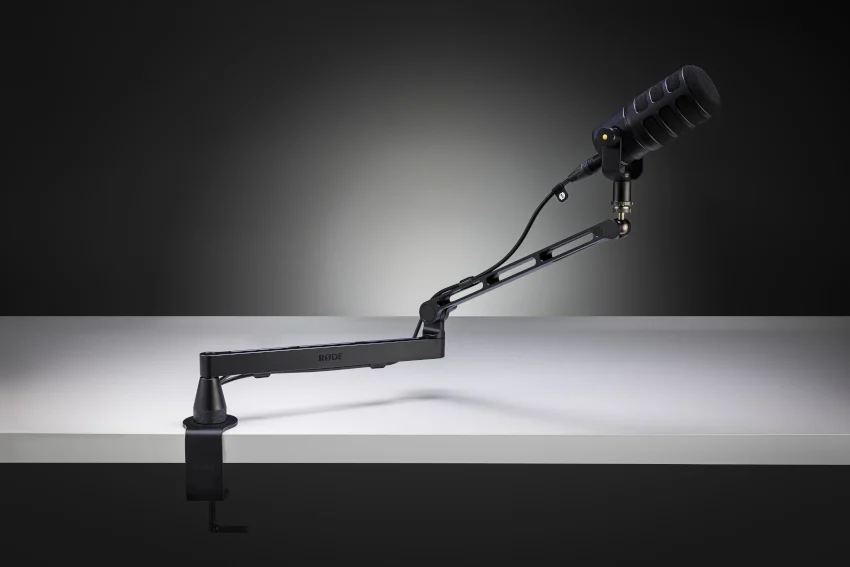
In the modern era of digital content, the barrier between audio engineering and cinematography has effectively vanished. For podcasters, livestreamers, and video interviewers, the workspace is no longer just a place to capture sound; it is a meticulously framed set. Yet, for years, creators have been forced to compromise, choosing between professional-grade audio placement and a clean, unobtrusive visual aesthetic. Traditional boom arms, while functional for radio-style audio, often cut awkwardly across the camera’s frame, distracting viewers and complicating lighting setups.
RØDE, a global leader in audio innovation, is looking to solve this perennial production pain point with the release of the LPA1 Pro Low-Profile Studio Arm. Designed specifically for the realities of modern video-first production, the LPA1 represents a shift in philosophy: treating microphone support as a critical component of the overall camera composition rather than a standalone audio utility.
The Evolution of Studio Support: Main Facts
The RØDE LPA1 is a heavy-duty, low-profile studio arm engineered to maintain proximity between a microphone and the talent while remaining discreetly tucked below the camera’s line of sight. Priced at $139, the unit is constructed from premium metal, ensuring it can handle the rigors of a busy studio environment while providing a sleek, professional look.
Key specifications of the LPA1 include:
- Payload Capacity: 2kg (4.4 lbs), making it RØDE’s highest-capacity studio arm to date.
- Horizontal Reach: 750mm (approx. 29.5 inches).
- Articulation: Full 360-degree base rotation with 90 degrees of upward and 60 degrees of downward tilt.
- Versatility: Integrated universal mounting threads (1/4-inch, 3/8-inch, and 5/8-inch).
- Cable Management: Built-in internal channels for XLR and USB cabling.
- Installation: A robust desk clamp capable of securing to surfaces up to 70mm thick.
By focusing on a low-profile geometry, the LPA1 allows creators to maintain an unobstructed view of the presenter’s face, which is vital for building engagement in video-centric formats like podcasts and interviews.
A Chronology of the Modern Creator’s Struggle
To understand why the LPA1 is significant, one must look at the evolution of the creator’s workspace.
The Radio Era (Pre-2010s): For decades, studio arms were designed exclusively for radio broadcast. The primary goal was to get the microphone close to the mouth to minimize room reflections. Visuals were an afterthought; if a heavy boom arm obstructed the host, it was considered a minor inconvenience in a medium defined by audio.
The Rise of the "Face-Cam" (2010–2020): As YouTube and streaming platforms like Twitch exploded in popularity, creators began using these same radio arms for video. Suddenly, the aesthetic of the desk became part of the "brand." Creators began struggling with "the boom arm problem"—the metal pole cutting across their face or blocking the shot. This led many to opt for inferior, smaller arms that lacked the stability required for high-end dynamic microphones.
The Professional Pivot (2025–Present): With the introduction of the LPA1, RØDE has acknowledged that we have entered an era of "prosumer" broadcast. Modern creators demand the audio quality of a broadcast studio but the visual cleanliness of a high-end film set. The LPA1 arrives as a direct response to this need, bridging the gap between professional-grade payload capacity and the low-profile design language that has become the industry standard for modern, high-production-value video sets.
Supporting Data: Engineering for Performance
The core strength of the LPA1 lies in its balance of structural integrity and flexibility. At a 2kg payload, it is built to support virtually any professional microphone on the market. Whether using a standard dynamic mic like the RØDE Procaster or a larger-diaphragm studio condenser like the NT1, the LPA1 maintains its position without "sagging," a common failure point in cheaper, plastic-heavy arms.
Beyond the Microphone
One of the most innovative aspects of the LPA1 is its move toward being a universal production support system. By including 1/4-inch, 3/8-inch, and 5/8-inch mounting threads, RØDE has effectively turned the arm into a multipurpose tool.
In a compact studio, space is a luxury. The ability to swap a microphone for a small LED fill light, a compact camera for a top-down shot, or a teleprompter interface provides immense value. For a solo creator operating out of a single room, the LPA1 serves as a "third hand." The 750mm reach ensures that the arm can be swung into position for recording and tucked away completely when the desk needs to be used for non-production work, such as editing or administrative tasks.

The Aesthetics of Cable Management
Professional production is defined by attention to detail. Visible cables trailing from a microphone arm are the hallmark of an amateur setup. RØDE’s decision to integrate cable management channels directly into the arm’s chassis is more than a convenience; it is a compositional requirement. By keeping XLR and USB cables neatly tucked away, the visual "noise" of the studio is minimized, allowing the viewer to focus entirely on the content and the presenter.
Official Responses and Industry Context
While RØDE has not released a formal manifesto on the product, the design itself serves as a statement. By focusing on a "low-profile" form factor, the company is signaling that it understands the "camera-facing" nature of the modern creator.
Industry analysts note that this shift is part of a larger trend in the audio-visual industry. "We are seeing a move away from ‘big gear’ aesthetics," says one hardware consultant. "The goal now is ‘invisible tech.’ If you can get the best sound possible while making the equipment disappear, you’ve succeeded. The LPA1 is the hardware equivalent of that philosophy."
The inclusion of the mounting flexibility suggests that RØDE is actively listening to the needs of the "one-man-band" creator. By making the product modular and adaptable, they are ensuring the LPA1 remains relevant even if a user decides to switch their primary setup from a podcasting station to a product-shot station.
Implications for the Future of Production
The arrival of the LPA1 carries several implications for the future of studio design:
1. The Death of the "Radio Aesthetic"
As more creators pivot toward the low-profile aesthetic, the classic, high-reaching "radio boom" may start to look dated. The expectation for a "clean" frame is becoming a baseline requirement for professional content. Future hardware will likely continue to follow this low-profile trend, prioritizing height-adjustment mechanisms that operate below the table level rather than above the head.
2. Space Optimization
For the growing demographic of apartment-based creators, the LPA1 offers a solution to the "studio-in-a-bedroom" problem. The ability to clamp and remove, or swing and store, provides the flexibility needed to transform a bedroom into a studio and back again in seconds.
3. Cross-Discipline Hardware
The LPA1 blurs the lines between audio and lighting. As the line between these two disciplines continues to fade, we can expect to see more accessories—such as specialized cold-shoe mounts or cable adapters—designed specifically for these types of arms, further increasing their utility.
Conclusion: Is the LPA1 Worth the Investment?
For the filmmaker, the video podcaster, or the professional streamer, the RØDE LPA1 is more than just a piece of furniture; it is an investment in the production value of their content. By solving the dual problems of microphone weight capacity and visual interference, RØDE has created a product that feels both timely and necessary.
While $139 may seem like a premium price point compared to entry-level desk arms, the combination of all-metal build quality, universal mounting, and professional-grade cable management makes it a sensible upgrade. It is a piece of gear that is designed to last, to adapt to changing workflows, and—most importantly—to get out of the way so the creator can do what they do best: communicate.
As the industry continues to prioritize high-fidelity video alongside high-fidelity audio, the LPA1 stands as a hallmark of modern studio design. It is a testament to the fact that in the world of professional content creation, the best equipment is the kind that you don’t even notice is there.
