
The Enduring Legacy of Sam Neill: A Cinematic Journey Through Humanity, Horror, and Heart
Main Facts
The global film community mourns the loss of Sam Neill, the iconic actor celebrated for his remarkable versatility, enduring charm, and grounding presence in some of the most memorable cinematic projects of the past half-century. Neill passed away at the age of 78, leaving behind a rich legacy that spans multi-billion-dollar blockbusters, gritty international art-house cinema, psychological horror, and dedicated environmental and agricultural stewardship.
While millions knew him universally as paleontologist Dr. Alan Grant in Steven Spielberg’s Jurassic Park (1993), Neill’s career defied easy categorization. He seamlessly transitioned from playing corporate Antichrists and cosmic investigators to starring in deeply personal New Zealand dramas and cultivating an award-winning organic vineyard.
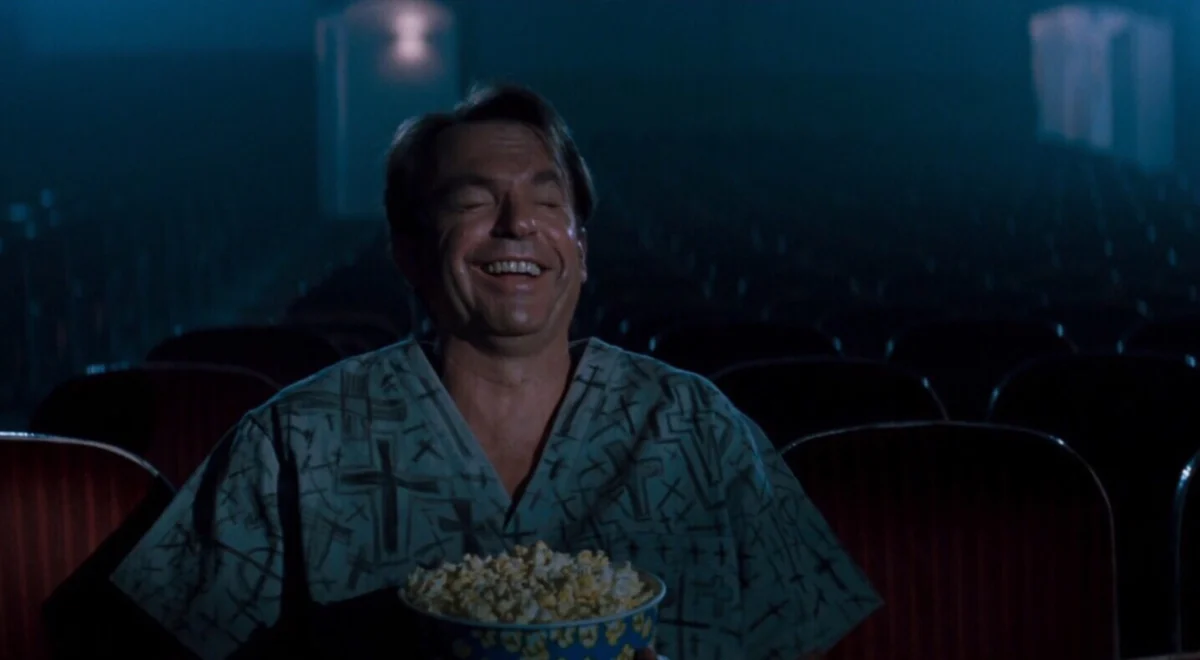
Director John Carpenter, who collaborated with Neill on the 1994 Lovecraftian horror masterwork In the Mouth of Madness, encapsulated the sentiments of many when he posted, "The world has lost a remarkable actor, father, farmer, and friend." Neill’s life off-screen matched the warmth and integrity of his best cinematic characters—anchored by his family, his farm in Central Otago, New Zealand, and a legendary social media presence that famously advised followers to "cuddle a duck" when times grew tough.

Chronology of a Masterclass in Versatility
Early Breakthroughs and International Acclaim (1970s–1981)
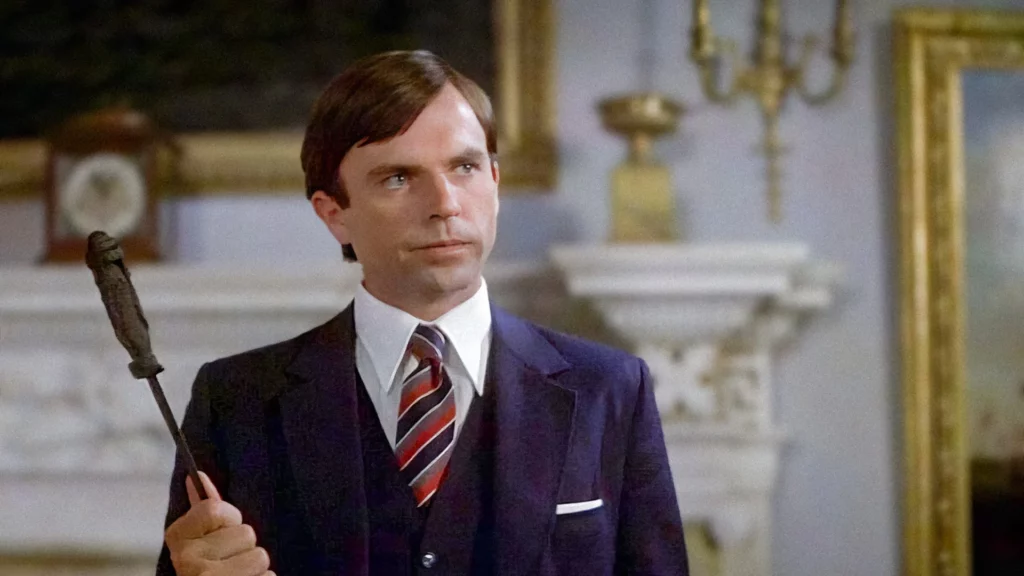
Sam Neill’s ascent to international recognition began in the late 1970s. After catching the attention of arthouse audiences in Gillian Armstrong’s celebrated 1979 Australian period drama My Brilliant Career—where his romantic-rogue magnetism drew comparisons to classical Hollywood idols—Neill quickly caught the eye of seasoned industry veterans.
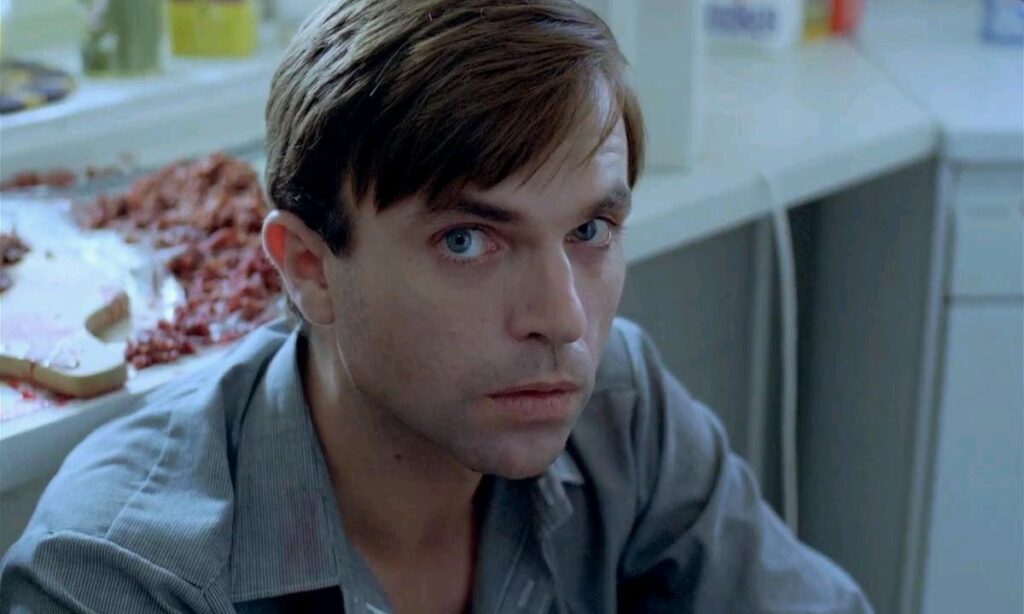
By 1981, Neill secured a dual-feature introduction to American and European horror. He stepped into mainstream American consciousness as the adult Damien Thorn in The Omen III: The Final Conflict. That same year, he delivered a shattering, psychologically destabilized performance in Andrzej Żuławski’s cult psychological thriller Possession, opposite Isabelle Adjani. These contrasting roles established an early pattern: Neill could embody chilling malevolence or raw, unhinged vulnerability with equal conviction.
The Near-Misses and Directing the Lens (1980s–1990s)
The mid-1980s showcased Neill at the height of his leading-man beauty. Though an alternate film timeline might have seen him take up the mantle of James Bond—a possibility evidenced by his famously awkward, highly mortifying screen test for The Living Daylights (1987)—Neill’s heart was never truly in the polished 007 shtick. Instead, he leaned into complex dramatic thrillers like Phillip Noyce’s Dead Calm (1988), opposite a young Nicole Kidman, and prestige dramas including Fred Schepisi’s A Cry in the Dark (1988) with Meryl Streep.

In 1995, Neill expanded his creative footprint behind the camera, co-directing Cinema of Unease with Judy Rymer. The documentary explored the darker, repressed themes and religious fundamentalism underpinning New Zealand’s cinematic history, reflecting his deep intellectual engagement with his home country’s cultural identity.
The Blockbuster Era and Beyond (1993–2022)
In 1993, Neill permanently etched his name into pop culture history as Dr. Alan Grant in Steven Spielberg’s technological watershed, Jurassic Park. As the pragmatic, tweed-wearing paleontologist navigating a prehistoric disaster, Neill anchored the film’s dizzying special effects with a human, bewildered heart.
Rather than resting on his blockbuster laurels, Neill immediately pivoted back to eclectic, high-concept genre fare. He reunited with John Carpenter for In the Mouth of Madness (1994) and starred in Paul W.S. Anderson’s sci-fi horror hybrid Event Horizon (1997). Decades later, he reprised his iconic role as Dr. Grant alongside his original co-stars in Jurassic World Dominion (2022), proving that his everyman appeal remained entirely intact across generations.
Supporting Data and Career Milestones
- Global Impact: Jurassic Park (1993) grossed over $1 billion globally during its initial and subsequent theatrical runs, cementing Neill’s status as a bankable international headliner.
- The Two Paddocks Legacy: Outside of acting, Neill operated Two Paddocks, a celebrated organic wine estate in Central Otago, New Zealand, which became the cornerstone of his public "gentleman farmer" persona.
- Critical Collaborations: Neill holds the rare distinction of sharing the screen with some of the most celebrated actresses of his era, consistently elevating performances alongside Meryl Streep (A Cry in the Dark), Holly Hunter (The Piano), Judy Davis (My Brilliant Career), and Laura Dern (Jurassic Park).
- Literary Ventures: In 2023, Neill published his candid, highly praised memoir, Did I Ever Tell You This?, which detailed his colorful life, career milestones, and his private health battles.
- Health and Resilience: Diagnosed with stage-three angioimmunoblastic T-cell lymphoma in 2022, Neill underwent successful treatment while maintaining a pragmatic, life-affirming perspective on mortality: "I’m not afraid of dying… What I don’t want to do is to stop living, because I really enjoy living."
Official Responses and Tributes
The entertainment industry and international collaborators flooded media platforms with heartfelt tributes upon the news of Neill’s passing, emphasizing that his reputation as one of the industry’s genuinely kind figures was entirely deserved.
- John Carpenter: In a widely shared video tribute, the legendary horror director remarked, "I’m heartbroken to hear about Sam. We made two movies together, and every day on set was an absolute masterclass in professionalism, humor, and dedication."
- Gillian Armstrong: Reflecting on her breakout 1979 feature My Brilliant Career, the director recalled how effortlessly Neill captured the imagination of audiences, noting, "I unconsciously made you a LUST object! His innate charisma was matched only by his deep respect for his fellow actors."
- Global Fans and Media: Social media timelines were flooded with nostalgic images of Neill—ranging from his shell-shocked expressions in In the Mouth of Madness to his candid, humorous Instagram updates featuring pigs, chickens, and the famous ducks of Two Paddocks. His deliberate exit from Twitter/X following its corporate acquisition further endeared him to fans who valued his principled stance against online toxicity.
Implications for Cinema and Culture
Sam Neill’s departure marks the twilight of a specific brand of cinematic leading man—one who combined the rugged physical presence of classic Hollywood action heroes with the introspective, intellectual vulnerability of European art-house cinema.
Unlike modern blockbusters that often rely on CGI spectacles to carry narrative weight, Neill’s peak performances in films like Jurassic Park and Dead Calm relied on what film critics often call "the Spielberg Face"—the ability to communicate absolute awe, terror, and rationality simply through reaction. He was a bridge between genres, proving that an actor could transition effortlessly from prestige period pieces to Lovecraftian cosmic horror without ever losing their artistic integrity or audience trust.
Furthermore, Neill’s embrace of his New Zealand roots and his transition into rural viticulture provided a blueprint for longevity in an industry notoriously harsh on aging stars. He demonstrated that an actor could maintain a global footprint while remaining deeply anchored to the land, community, and humor that grounded them.
As film historians and fans look back on his vast filmography, Sam Neill will be remembered not merely as the man who survived dinosaurs, space anomalies, and the Antichrist, but as a warm, witty, and profoundly humane presence who gave a beating heart to the most surreal cinematic landscapes.
