
The Truth is Still Out There: Why Chris Carter is Passing the Torch to Ryan Coogler
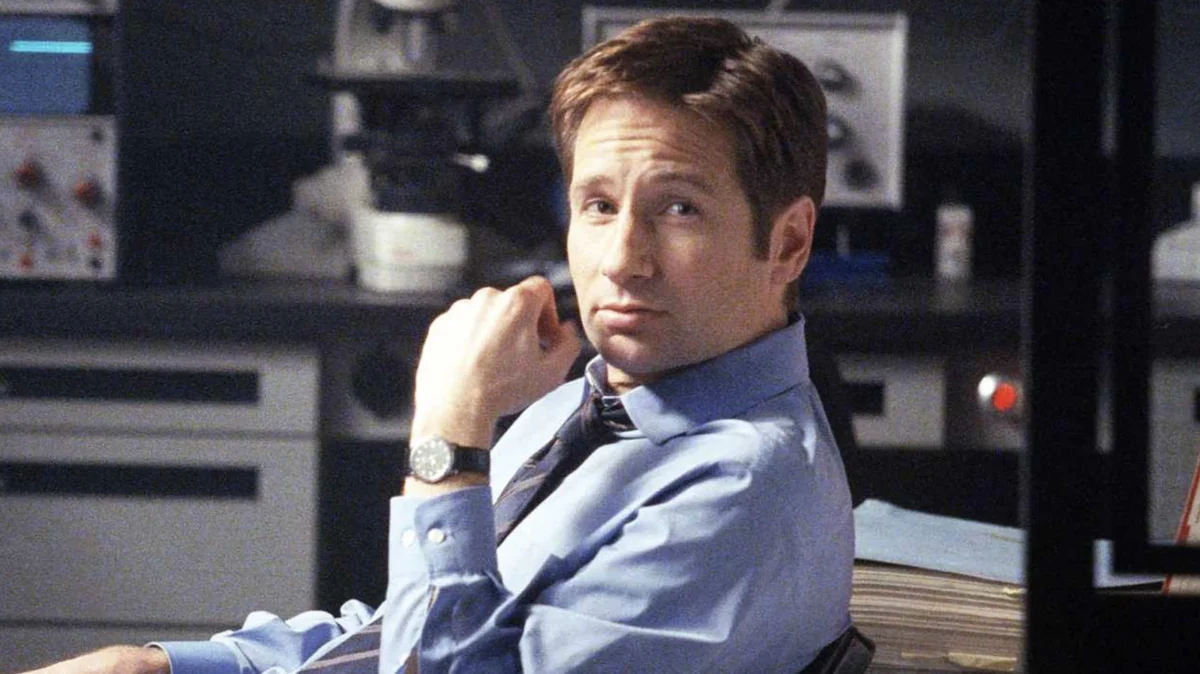
The landscape of modern television is undergoing a massive paradigm shift. As nostalgia continues to serve as the bedrock for major studio investments, the genre of science fiction—and the procedural thriller in particular—is experiencing a renaissance. From the high-concept chills of the upcoming The Exorcist: Martyrs by Mike Flanagan to the persistent, evolving legacy of the Final Destination and Paranormal Activity franchises, audiences are proving that they have an insatiable appetite for established intellectual property.
Yet, among the sea of reboots, remakes, and reimaginings, few projects carry the weight and expectation of the new The X-Files series. Currently in development under the visionary eye of Black Panther and Creed director Ryan Coogler, the project represents a significant evolution for a franchise that defined the 1990s and reshaped the trajectory of network television. In a recent exclusive interview, the man who started it all, Chris Carter, offered a surprising perspective on his role—or lack thereof—in the upcoming revival.
The Chronology of a Cult Phenomenon
To understand the significance of the upcoming reboot, one must look at the historical trajectory of The X-Files. Debuting in 1993, the series, created by Carter, followed the exploits of FBI Special Agents Fox Mulder and Dana Scully. It was more than a procedural; it was a cultural touchstone that blended "monster-of-the-week" horror with a sprawling, decade-spanning conspiracy arc that captured the anxieties of a pre-internet, post-Cold War society.
The show ran for nine seasons, spawning two feature films and two later revival seasons in 2016 and 2018. Over that span, the series served as a crucible for some of the greatest writing talent in the industry. It was within the halls of the X-Files writers’ room that visionaries like Vince Gilligan—who would go on to create the critically acclaimed Breaking Bad and Better Call Saul—and the Final Destination duo Glen Morgan and James Wong honed their crafts.
Now, the mantle is passing to Ryan Coogler. Following the conclusion of production on the pilot episode this past July, industry buzz has reached a fever pitch. With leads Himesh Patel and Danielle Deadwyler attached to headline the new iteration, the project promises a fresh, diverse perspective on the investigative dynamics that made the original so compelling.
Why Chris Carter Chose Ignorance
In an era where original creators often demand executive producer credits or maintain strict creative oversight to protect their legacy, Chris Carter’s stance is remarkably humble. During a recent conversation following preview screenings of his new project, Queens for a Day—a self-financed, Twilight Zone-inspired parable—Carter revealed that he was given the opportunity to be involved in the Coogler reboot.
He was even sent the script. He simply chose not to open it.
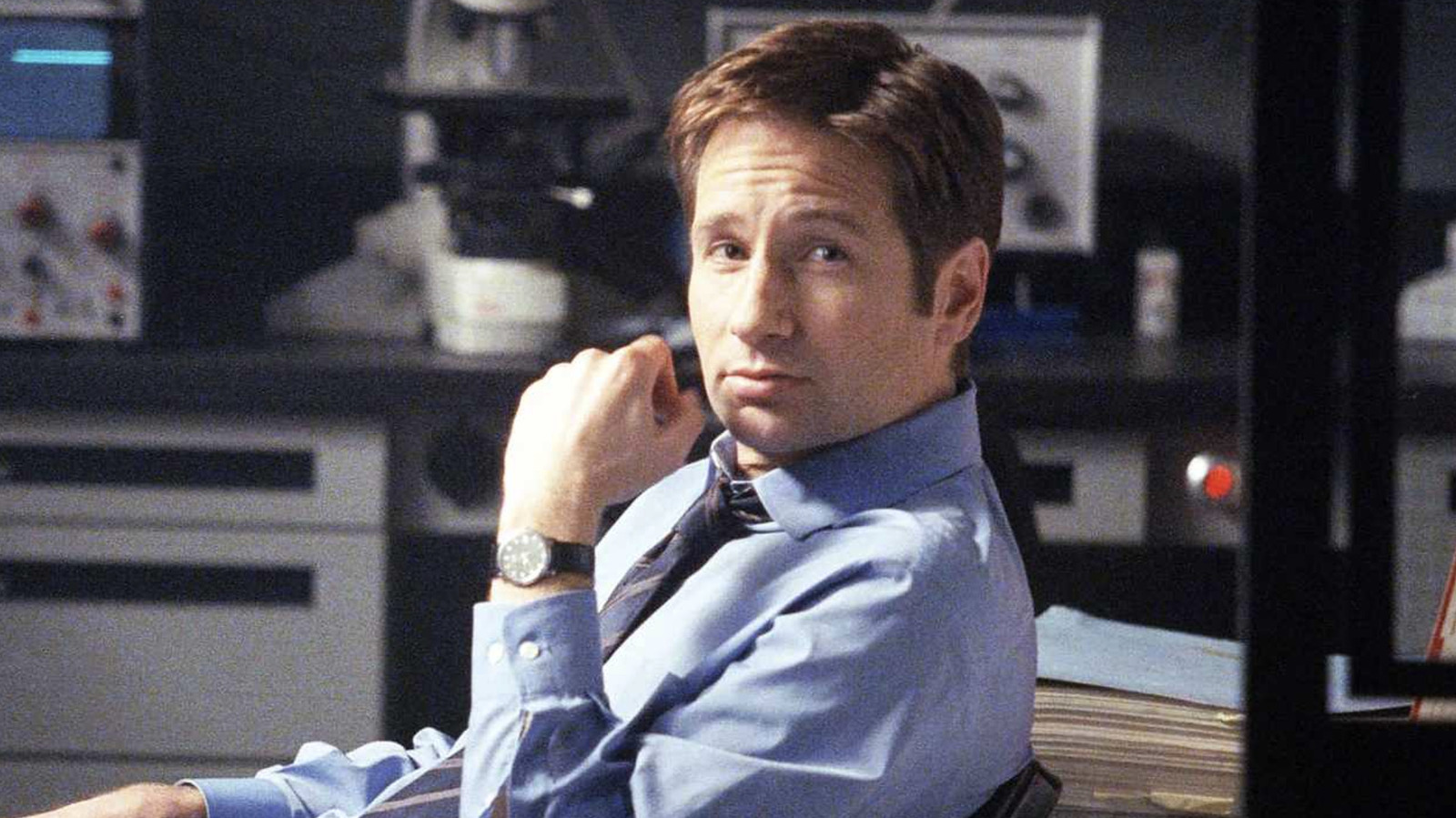
"Ryan Coogler … he’s amazing, and that he wants to take it on is amazing to me," Carter remarked. "It’s a diverse cast, so it’s his take on it. I’m curious to see where it goes. They sent me the script. I didn’t read it because I want to sit and watch it like everyone else. I didn’t want to have to think about it. I want to be entertained, and I know he’s going to entertain me."
This admission highlights a profound level of trust. By consciously opting out of the development process, Carter is ensuring that he approaches the new series not as a creator judging his successor’s work, but as a fan—the very demographic he helped cultivate over thirty years ago.
The Implications of a "New Take"
The decision to hand over the keys to a filmmaker as acclaimed as Ryan Coogler suggests that the studio is looking to elevate The X-Files beyond its procedural roots. Coogler, known for his ability to inject deep human emotion and social commentary into blockbuster frameworks, is uniquely positioned to modernize the show’s themes.
1. The Power of Diverse Storytelling
The casting of Himesh Patel and Danielle Deadwyler is a clear indicator that the new series will not simply be a carbon copy of Mulder and Scully. By diversifying the leads, the show can explore the "X-Files" mythology through lenses that weren’t available in the 1990s. The original series thrived on the tension between belief and skepticism; a modern version, in an era of rampant misinformation and digital paranoia, has even more fertile ground to cover.
2. The Legacy of the Writers’ Room
Carter’s history of mentoring writers is a testament to his belief that the X-Files universe is bigger than any one person. By allowing the franchise to grow under the stewardship of others, he is reinforcing a philosophy that has defined his career: the best stories are those that can survive the transition from one generation of artists to the next.
3. The Audience Experience
For fans, the fact that Chris Carter will be experiencing the show in real-time alongside them adds a layer of shared excitement. There is a sense of "sanctification" in his silence. If the father of the series is content to wait for the premiere, it encourages the audience to set aside their own skepticism and approach the reboot with an open mind.
Supporting Data and Industry Context
The success of modern reboots often hinges on the delicate balance between familiarity and innovation. Data from the current television market shows that audiences are increasingly fatigued by "remakes" that fail to add a new perspective to the original. However, projects that use the existing lore as a jumping-off point—such as the recent expansion of the Star Wars or Star Trek universes—tend to enjoy longer shelf lives.
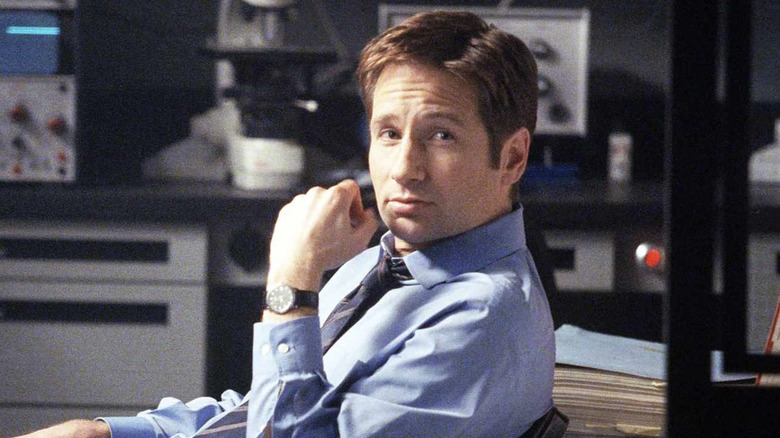
By bringing in a high-profile director like Coogler, the studio is signaling that they are not looking for a quick cash-in, but a prestige-level reinvention. The completion of the pilot episode in July is a significant milestone, suggesting that the series is moving through production with a focused creative vision.
The Future of the Paranormal
As we look toward the potential premiere date, the conversation surrounding the series will likely shift from the "why" to the "what." What kind of monsters will haunt these new agents? How will the overarching conspiracy reflect the current global landscape?
Chris Carter’s choice not to read the script serves as a masterclass in professional detachment. He has already built his cathedral; he is now allowing someone else to paint the frescoes. For a franchise that has always dealt with the unknown, the most exciting mystery may now be the show itself.
In the final analysis, the survival of a classic franchise relies on its ability to adapt. If the original X-Files was a reflection of the 90s, the new series promises to be a reflection of the 2020s. And if Chris Carter is willing to sit back, hit the "play" button, and let the show surprise him, perhaps the audience should be ready to do the same. After all, the truth isn’t just out there—it’s evolving.
As we await the official premiere, one thing remains clear: the legacy of The X-Files is in safe hands, even if the creator is just as much in the dark as the rest of us.
