
Behind the Bars of Terror: Joko Anwar’s ‘Ghost in the Cell’ Brings Supernatural Dread to US Theaters
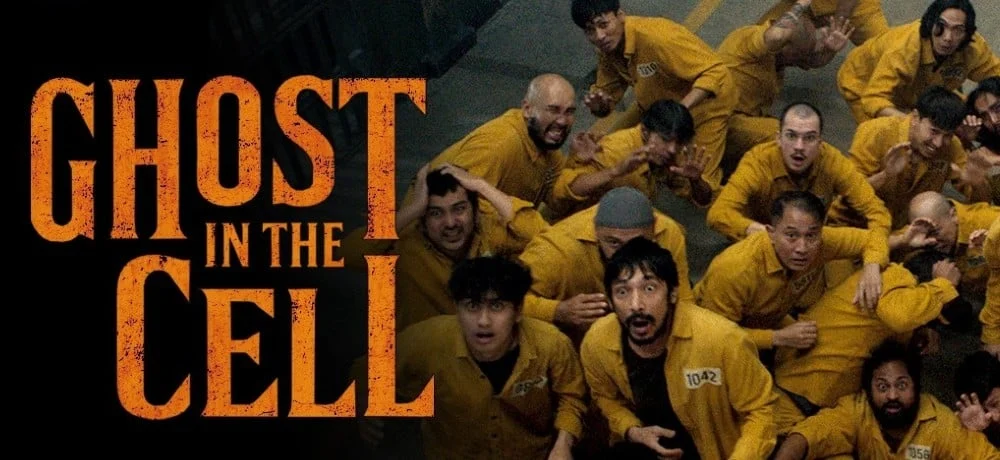
The landscape of international horror is set to be irrevocably altered this October. Following a rapturous reception at the 2026 Fantastic Fest—where it quickly became the talk of the festival circuit—Joko Anwar’s latest cinematic nightmare, Ghost in the Cell, is preparing for a wide theatrical rollout in the United States on October 2nd.
Known for his masterful command of atmospheric tension and cultural folklore, Indonesian auteur Joko Anwar has once again proven his ability to transcend linguistic and geographical boundaries. Ghost in the Cell is not merely a ghost story; it is a claustrophobic, high-stakes exploration of human depravity and the supernatural unknown, set against the brutal backdrop of a maximum-security prison.
The Premise: When the Cages Become Coffins
The narrative of Ghost in the Cell is as visceral as it is claustrophobic. Anwar plunges his audience into a high-security penitentiary—a rotting, concrete labyrinth governed by two forces: the iron-fisted, tyrannical warden and the ruthless, feuding gangs that control the prison yard.
The status quo of this hellscape is shattered with the arrival of a new inmate. Shortly after their arrival, a string of grotesque, inexplicable murders begins to plague the prison. These aren’t just killings; they are ritualistic, morbid displays that suggest a malevolence far beyond the reach of human prison politics. As the body count rises and the inmates realize that the walls meant to keep them in are now the very things sealing their doom, they are forced into an uneasy alliance.
They must set aside their rivalries and turn their collective gaze toward an invisible, otherworldly predator. In Ghost in the Cell, the horror is twofold: the physical threat of the inmates’ enemies and the spectral threat of a ghost that treats the prison as its personal hunting ground.
Chronology: From Concept to Festival Darling
The journey of Ghost in the Cell from a script on Anwar’s desk to a global horror phenomenon has been one of calculated intensity.
- Development Phase: Throughout 2025, Anwar sought to challenge the "haunted house" trope by relocating the setting to a place where characters have nowhere to run. The prison setting was chosen specifically for its lack of exit points and the inherent social tension already present in such a facility.
- Production: Filming took place over an grueling three-month period. Anwar insisted on using a decommissioned facility to heighten the authenticity of the practical effects and the grime-soaked aesthetic of the production design.
- Fantastic Fest 2026: The world premiere was arguably the film’s most critical juncture. Critics like Matt Donato lauded the film for its "exemplary" balance of tone. The consensus from the festival circuit was clear: Anwar had successfully married the jump-scare mechanics of modern horror with the character-driven weight of a prison drama.
- The US Rollout: Following the festival buzz, Well Go USA Entertainment secured the rights for a wide US theatrical release. October 2nd was selected as the debut date, positioning the film as a marquee title for the Halloween season.
Supporting Data: The Craft of Fear
What sets Ghost in the Cell apart from standard supernatural fare is Anwar’s refusal to rely solely on computer-generated imagery. In an era where digital effects often sanitize horror, Anwar pushed his production team toward practical, physical effects.
During our recent interview, Anwar emphasized that the "ghost" was designed to feel like a physical intrusion upon the environment. By using practical rigs and on-set lighting effects, the cast—and by extension, the audience—was able to react to something tangible. This choice anchors the film’s more fantastical elements in a gritty reality, making the jumpscares feel earned rather than forced.
Furthermore, the film’s sound design plays a pivotal role in its success. The sound team utilized the acoustics of the prison setting—the clanging of iron gates, the echo of footsteps on concrete, and the oppressive silence of solitary confinement—to build a sonic landscape that is as terrifying as the visuals themselves.
Official Perspectives: A Conversation with Joko Anwar
In an exclusive sit-down interview, I had the opportunity to discuss the philosophy behind the film with the director himself. Despite some minor connectivity issues—which we have left intact in our video coverage to preserve the raw, unedited passion of his responses—Anwar’s excitement for the project was palpable.
When asked about the difficulty of balancing horror, humor, and heart, Anwar noted:
"Horror is not just about the scare; it is about the humanity you strip away from the characters. If you don’t care about these inmates—if you don’t find them human—the ghost doesn’t matter. The humor serves as a pressure valve. In a place as dark as this, you have to laugh to stay sane, even if that laugh is quickly choked off by the next moment of terror."
Anwar also discussed the logistical challenges of directing a film where the antagonist is largely invisible. He emphasized that the "ghost" is a manifestation of the prison’s own accumulated sins. It is a mirror held up to the cruelty of the warden and the desperation of the inmates.
Implications: The Future of Indonesian Horror
The impending release of Ghost in the Cell signifies a broader trend in the international film market. For years, Indonesian cinema was viewed as a niche market; today, under the guidance of filmmakers like Joko Anwar, it is being recognized as a powerhouse of genre storytelling.
The implications for the industry are significant:
- Cultural Export: Ghost in the Cell proves that local stories—rooted in specific societal issues like prison reform and corruption—can resonate with a global audience if the core themes of survival and justice are universal.
- The "Anwar" Brand: With a string of hits, Joko Anwar is establishing himself as a global horror brand. His ability to maintain creative control while expanding his audience base is a template for other international directors looking to enter the US market.
- The Theatrical Experience: As streaming dominates, films like Ghost in the Cell serve as a reminder of the power of the communal theatrical experience. The film is designed to be seen in a darkened room, surrounded by others, where the tension can be felt as a collective experience.
Conclusion: A Must-See for Horror Aficionados
As October approaches, Ghost in the Cell stands as the premiere choice for genre fans seeking a film that is as intelligent as it is terrifying. It manages to elevate the prison thriller, imbuing it with a layer of supernatural dread that feels both fresh and hauntingly familiar.
Whether you are a devotee of Joko Anwar’s previous works or a newcomer looking for a film that will keep you on the edge of your seat, Ghost in the Cell is not to be missed.
For those looking to secure their tickets or to learn more about the production, including local screening options, please visit the official distribution page at https://wellgousa.com/films/ghost-cell.
Prepare yourself: on October 2nd, the prison doors open, and once the ghost enters, no one is safe.
To view the full interview with Joko Anwar, where we dive deeper into the specific practical effects used during the film’s climax and the director’s thoughts on the global reception of his work, please refer to the video links provided in the article header.
