
The New Standard: A Hands-On Deep Dive into the Microsoft Surface Laptop Ultra
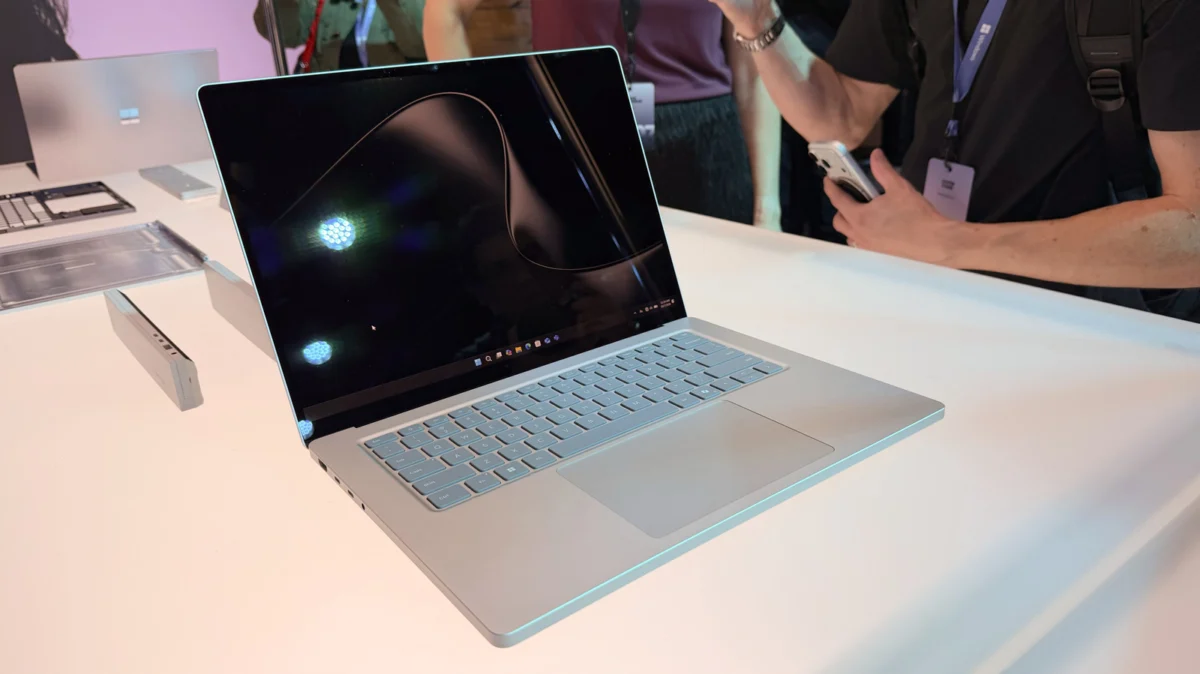
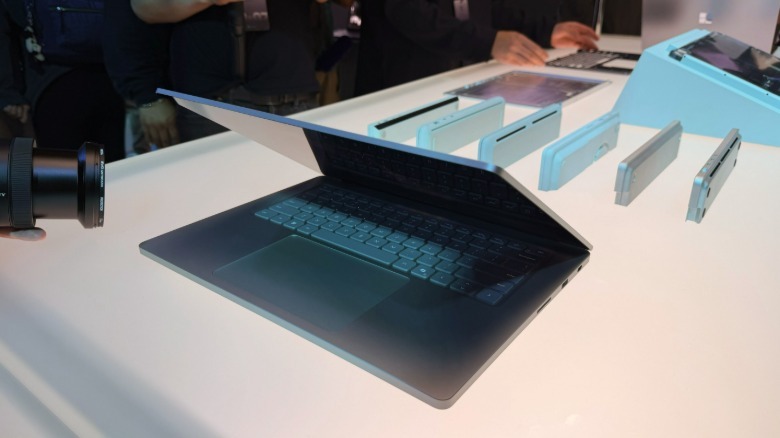
At first glance, the Microsoft Surface Laptop Ultra is an exercise in deceptive simplicity. It lacks the experimental hinges, detachable screens, or flashy, gimmicky form factors that once defined the Surface brand. Instead, it presents as a polished, minimalist slab of aluminum—a machine that looks, feels, and acts like a high-end workhorse. But beneath this understated chassis lies a technological paradigm shift: the integration of NVIDIA’s RTX Spark platform.
With a starting price of $2,599, the Surface Laptop Ultra isn’t aiming for the casual consumer market. It is a calculated strike at the professional workstation category, specifically targeting the burgeoning class of AI developers, researchers, and power users who have spent the last half-decade feeling neglected by the Windows ecosystem.
Main Facts: The Hardware Beneath the Surface
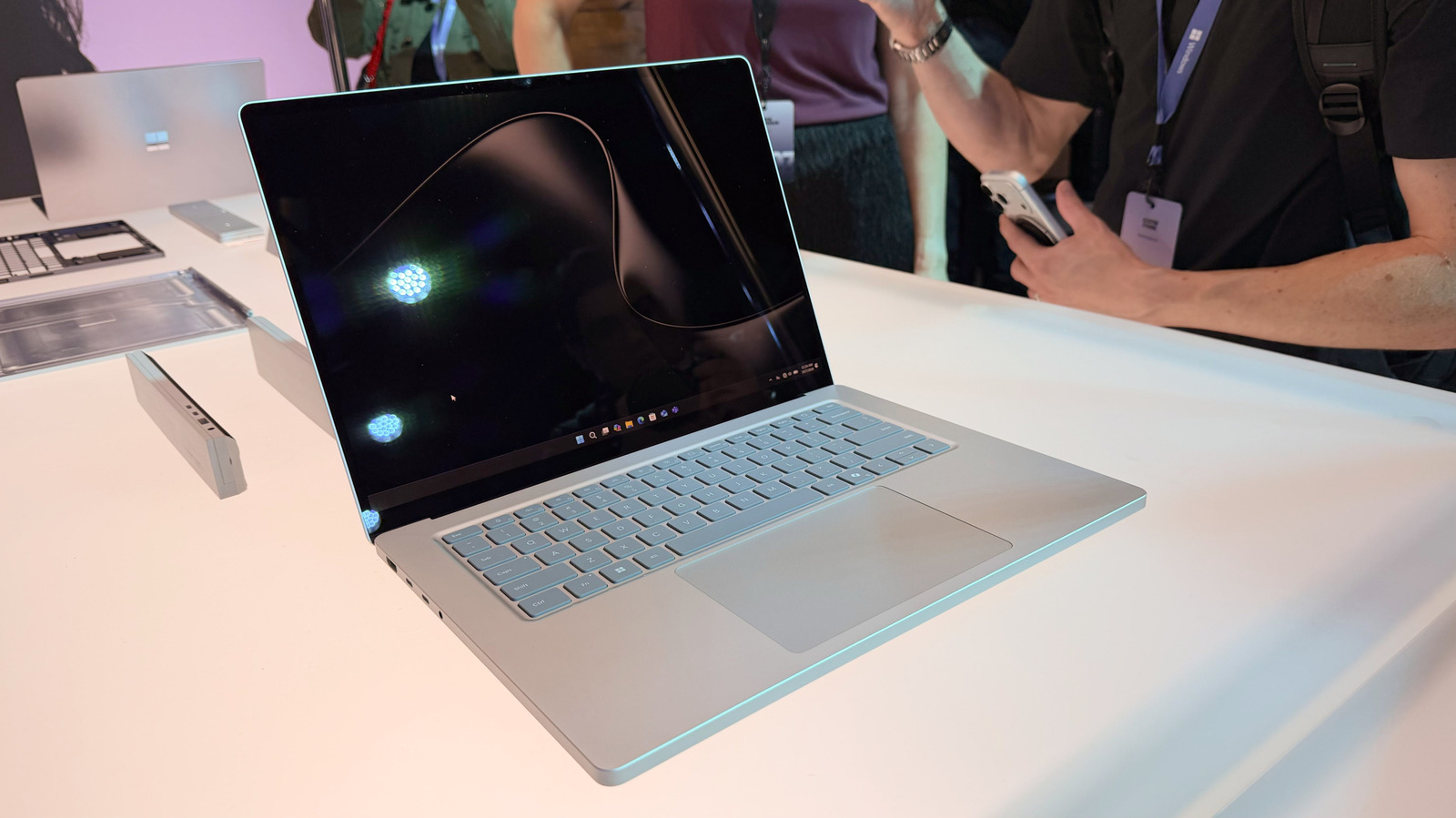
The Surface Laptop Ultra is, at its core, a 16-inch premium laptop designed to compete with the industry’s best, including Apple’s formidable 16-inch MacBook Pro. While it avoids the "flash" of previous Surface iterations, it excels in build quality.
The machine features:
- The RTX Spark Platform: Built on an Arm-based CPU architecture, the device integrates high-speed unified memory, a dedicated Neural Processing Unit (NPU), and robust GPU hardware.
- Massive Memory Capacity: The system supports up to 128GB of RAM, a critical threshold for local AI model development.
- Build Specs: Weighing in at under 4.5 pounds, the laptop maintains a rigid, professional feel with a bright display and a highly responsive haptic trackpad.
- Connectivity: A versatile port selection including multiple USB-C slots, HDMI, and a full-sized SD card slot.
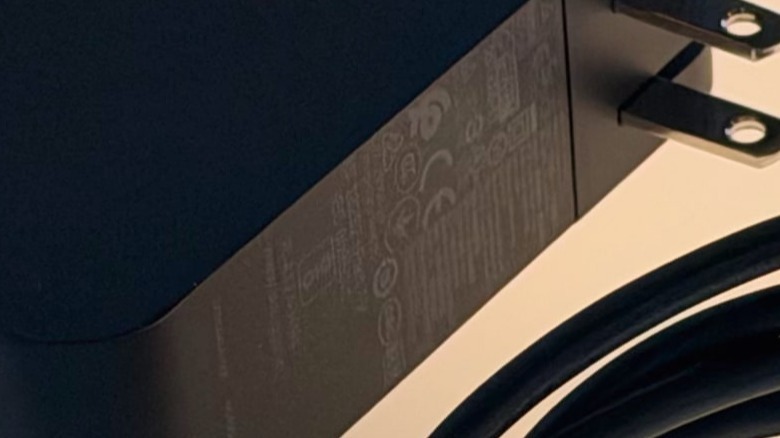
- Innovative Charging: A unique magnetic USB-C connector that provides the safety of a breakaway cable while maintaining compatibility with standard USB-C chargers.
Chronology: From Concept to Reality
The journey of the Surface Laptop Ultra began to take shape earlier this year, with initial glimpses surfacing in June. At that time, industry analysts were skeptical, viewing the device as a "MacBook Pro clone" that lacked the signature Microsoft innovation.
June 2024: First reports emerge regarding the Surface Laptop Ultra, labeling it the "most powerful Surface ever." Observers note the shift toward a more conventional laptop design, leading to speculation that Microsoft was abandoning its niche experimental designs in favor of market-standard reliability.
Present Day: During a major San Francisco showcase, Microsoft officially debuted the device alongside NVIDIA leadership. The event highlighted the "RTX Spark" initiative, marking a formal pivot toward Arm-based computing that mirrors the efficiency and performance gains Apple realized with its transition to Apple Silicon.
Supporting Data: Why AI Developers Are Taking Note
The excitement surrounding the Surface Laptop Ultra is not driven by marketing hyperbole, but by the tangible needs of the developer community. For years, AI researchers have been tethered to cloud-based solutions because local Windows hardware lacked the unified memory and NPU throughput to handle large language models (LLMs) effectively.
Aidan Pinero, an AI researcher and graduate student at UCSC Silicon Valley, highlighted the significance of this shift during the launch event. "For a long time, we’ve been envious of our peers using MacBook Pros with 128GB of RAM," Pinero noted. "Running large AI models requires massive memory bandwidth and consistent performance. The RTX Spark platform finally brings that capability to the Windows world, allowing us to keep our work local, private, and fast."
Furthermore, the performance testing on the Surface Laptop Ultra suggests that Arm-based architectures provide a more stable power profile. In demonstrations running Gears of War: E-Day, the device maintained consistent performance whether plugged into a wall outlet or running purely on battery—a feat that has traditionally been the "holy grail" for high-performance Windows laptops.
Official Responses and Strategic Vision
The collaboration between Microsoft and NVIDIA represents a unified front against the "Apple Silicon" dominance that has defined the premium laptop market since 2020.
Microsoft’s leadership focused heavily on the concept of "hybrid intelligence." This strategy involves a seamless handoff between local processing—powered by the laptop’s internal RTX Spark hardware—and cloud-based tools. By leveraging the NPU for low-latency tasks and the cloud for massive computation, Microsoft believes they have created a superior workflow for developers.
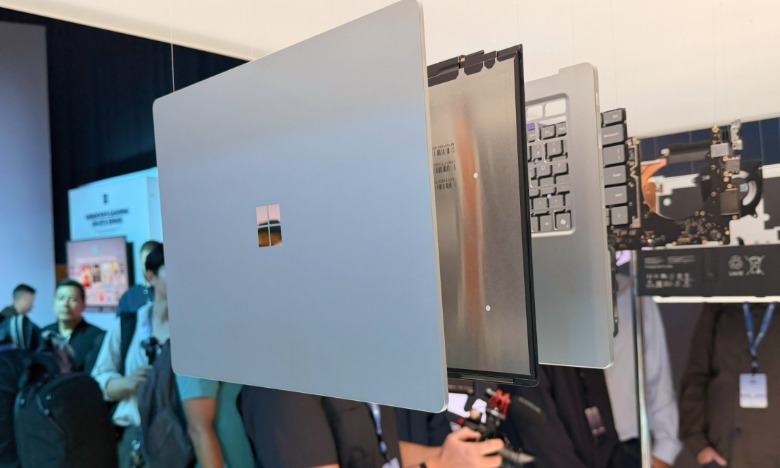
NVIDIA’s participation is equally critical. By aligning their RTX technology with Arm-based CPUs, NVIDIA is essentially providing the "engine" that makes this level of performance possible in a mobile form factor. During the event, representatives emphasized that the RTX Spark platform is designed for "deterministic performance," meaning developers can rely on the laptop to perform at high levels regardless of external conditions.
Implications: The Shift Toward Arm and "Pro" Windows
The arrival of the Surface Laptop Ultra carries significant weight for the future of the PC industry.
1. The Death of the "Niche" Surface
For years, Microsoft pushed the boundaries of laptop design with devices like the Surface Book and Surface Studio. While innovative, these designs often prioritized form over raw performance. The Laptop Ultra marks a departure toward a "minimalist" philosophy. By focusing on the internal architecture (Arm + RTX) rather than external gimmicks, Microsoft is signaling that they are finally ready to play the long game in the high-end professional market.
2. Challenging the Apple Silicon Monopoly
Apple Silicon changed the rules of the game by unifying CPU, GPU, and RAM. The Surface Laptop Ultra is Microsoft’s answer to that integration. If the RTX Spark platform can gain developer adoption, it could create a viable alternative for professionals who prefer the Windows operating system but were previously forced to switch to macOS to get the necessary hardware overhead.
3. The "Trickle-Down" Effect
While the $2,599 price tag limits this device to professionals and enthusiasts, the technology underlying it is likely the future of the entire Windows lineup. Just as early high-end innovations in processors eventually become standard in mid-range laptops, the advancements in NPU efficiency and Arm-based battery life will likely become the standard for the next generation of mainstream Windows computers.
4. A New Standard for Connectivity
Microsoft’s solution to the "proprietary connector" problem is clever. By creating a magnetic cable that plugs into a standard USB-C port, they have satisfied both the need for a safety-first "breakaway" power solution and the need for universal compatibility. It is a small detail, but one that speaks to the thoughtful, user-centric engineering that defines this machine.
Conclusion: A Beast in Sheep’s Clothing
The Surface Laptop Ultra is not a laptop for the average consumer. It does not try to be the most "interesting" machine on the desk in terms of aesthetic flair. Instead, it aims to be the most reliable, powerful, and capable machine for those whose work demands it.
By prioritizing the needs of AI developers, integrating NVIDIA’s most advanced mobile hardware, and embracing the inevitable shift toward Arm-based computing, Microsoft has positioned the Surface Laptop Ultra as a serious contender for the throne of "Best Professional Laptop." It is, as the old adage goes, a beautiful beast—one that reminds us that sometimes, the most revolutionary change isn’t a flashy hinge, but a quiet, powerful revolution happening under the hood.
Whether this marks the beginning of a sustained resurgence for Windows-based professional hardware remains to be seen, but for the first time in a long time, the competition for the premium developer market has truly begun.
