
The $6,000 Powerhouse: An In-Depth Look at Microsoft’s Surface RTX Spark Dev Box
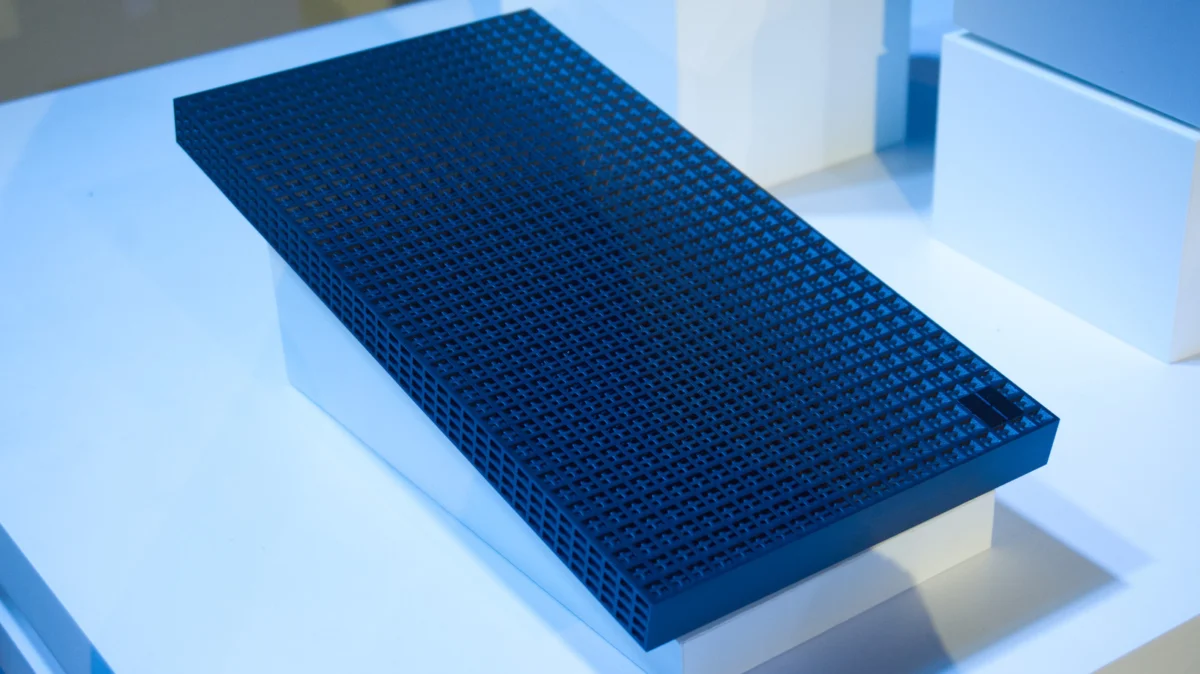
While the unveiling of the Surface Laptop Ultra stole the spotlight at Microsoft’s recent AI-focused Windows event, a quieter but far more industrial announcement has captured the attention of the developer community. Tucked away from the consumer-facing gadgets was the Surface RTX Spark Dev Box, a $6,000 desktop workstation engineered specifically to handle the grueling demands of modern artificial intelligence and machine learning development.
At first glance, the device challenges the traditional aesthetics of the Surface lineup. It is a machine defined by utility, industrial design, and an uncompromising approach to thermal management. As Microsoft pivots further into the AI era, this hardware serves as a physical manifestation of their commitment to providing developers with the raw power required to build the next generation of intelligent software.
Main Facts: A Technical Overview
The Surface RTX Spark Dev Box is not a consumer PC in the traditional sense; it is a high-performance workstation designed to sit on the desks of engineers, data scientists, and AI researchers.
The machine boasts a specification sheet that justifies its premium price point. At its heart lies a staggering 6,144-core GPU, designed to handle the parallel processing required for training large language models (LLMs) and complex neural networks. Complementing this processing power is 128GB of high-speed memory and a 2TB NVMe SSD, ensuring that massive datasets can be accessed and manipulated with minimal latency.
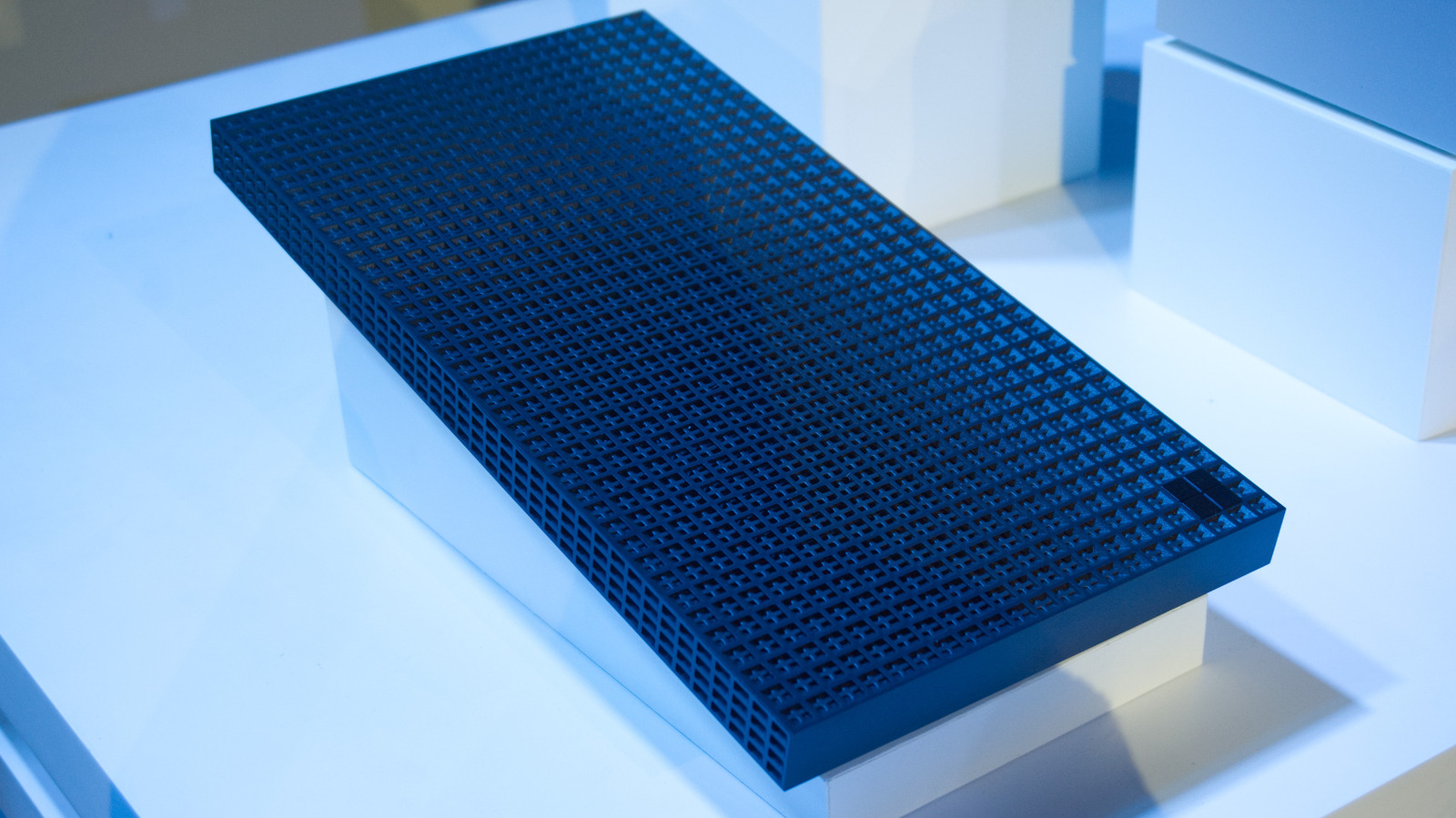
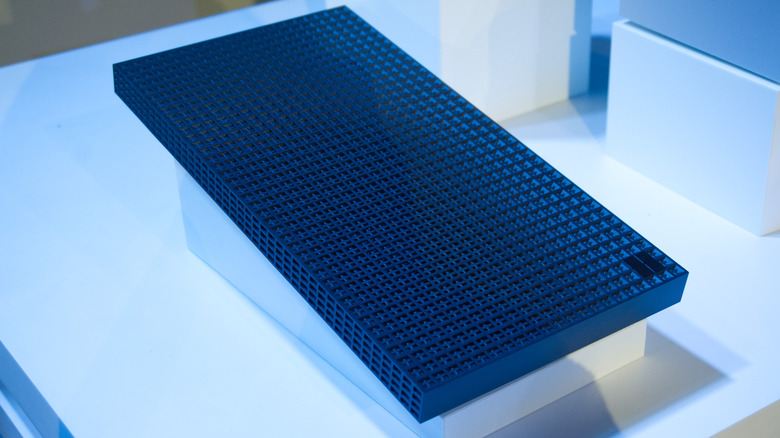
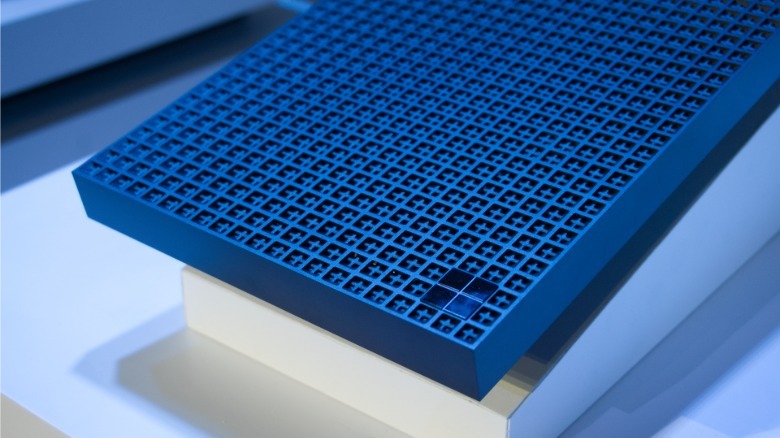
Physically, the device is an enigma. It is encased in a chassis that is as functional as it is polarizing. Covered in roughly 1,000 individual air vents, the unit resembles an oversized Lego brick. It is long, relatively thin, and sits atop an elevated base that occupies a significant portion of a standard workstation footprint. During initial hands-on reports, the device was noted for its surprising heft, likely weighing in the 5-to-6-pound range, making it a "compact" machine only in the context of the massive enterprise servers it aims to replace.
Chronology: From Concept to Pre-Order
The trajectory of the Surface RTX Spark Dev Box reflects Microsoft’s broader strategy to verticalize its hardware offerings.
- Early 2024: Microsoft first teased the existence of a high-performance "compact PC" aimed at developers, hinting that the Surface brand would move beyond laptops and tablets to address the specific needs of the AI research sector.
- The AI-Focused Windows Event: Microsoft formally showcased the physical prototype of the Dev Box, allowing media members to get their first look at the industrial design and port selection.
- Current Status: Following the reveal, Microsoft opened pre-orders for the machine, setting the price at a cool $5,999.99. This signals that the product is entering the hands of enterprise partners and early-access developers immediately.
Supporting Data: Why the "Spark" is Different
To understand why a company would charge $6,000 for a machine that lacks a display or keyboard, one must look at the "Dev Box" market.
Thermal Architecture
The most striking feature of the Spark Dev Box is its ventilation. With 1,000 ports carved into its chassis, the device is effectively a giant heatsink. In AI development, sustained high-load tasks—such as training a model for several hours—can cause thermal throttling in standard laptops or even traditional desktop towers. Microsoft has seemingly prioritized airflow above all else, ensuring that the GPU can operate at peak clock speeds without the performance dips typically associated with heat saturation.
Port Selection and Connectivity
The back of the unit houses a robust, if not entirely expansive, selection of ports:
- Three USB-C ports: Designed for high-speed data transfer and modern display connectivity.
- HDMI and Ethernet: Essential for professional studio environments where low-latency networking and multi-monitor setups are standard.
- USB-A: A nod to legacy peripherals, ensuring that developers can connect older hardware without the need for dongles.
Notably absent is an SD or microSD card slot, a feature often found on creative-focused machines like the Apple Mac Studio. This omission reinforces the device’s identity as a pure development tool rather than a multimedia editing workstation.
Official Responses and Strategic Vision
Microsoft has positioned the Surface RTX Spark Dev Box as the spiritual successor to the enterprise-grade workstations of the past, but with a modern twist: the "Dev Box" philosophy.
In official communications, Microsoft executives have emphasized that the hardware is meant to be a companion to their cloud-based AI tools. The vision is a hybrid ecosystem where a developer can test smaller models locally on the Spark Dev Box—leveraging its massive GPU—before pushing the refined model to the Azure cloud for mass-scale training.
By providing a local hardware solution that mimics the architecture of cloud-based training instances, Microsoft reduces the friction between local development and production deployment. "This is about giving the developer the ‘Spark’ they need to iterate at the speed of thought," a spokesperson noted during the event.
Implications: The Industry Landscape
The launch of the Surface RTX Spark Dev Box has significant implications for the PC market and the wider tech industry.
The Challenge to Apple
The elephant in the room is Apple’s Mac Studio. While Apple has successfully captured the high-end creative and developer market with its M-series silicon, the Spark Dev Box represents a direct challenge in the Windows space. Apple’s architecture relies on unified memory, which is excellent for creative suites, but Microsoft is betting that the developer community still demands the specific power of discrete, high-core-count GPUs for CUDA-based AI workflows.
The Death of the "Generic" Desktop
For years, the developer workstation was a generic tower PC, often assembled with mismatched parts. Microsoft’s move suggests a shift toward "curated hardware." By offering a pre-configured, highly tuned machine, Microsoft is essentially saying that the time spent troubleshooting drivers and thermal issues is time lost on innovation.
The Cost of Innovation
At $6,000, the barrier to entry is high. This device is clearly aimed at enterprise environments and well-funded startups. However, it also sets a new benchmark for what a "Professional" machine looks like in 2024. If the Spark Dev Box succeeds, we may see a trickle-down effect where mid-range, "AI-ready" workstations become a standard offering in the Surface portfolio, eventually bringing similar power to independent developers at a more accessible price point.
Final Thoughts: A Specialized Tool for a New Era
The Surface RTX Spark Dev Box is an unapologetic piece of engineering. It does not prioritize portability or sleek, minimalist desk aesthetics; it prioritizes compute, thermal headroom, and developer throughput.
Whether it will become a staple in software labs remains to be seen. Its success will depend not just on the raw power of its 6,144-core GPU, but on how well it integrates with the evolving suite of Microsoft’s AI development software. For now, it stands as a bold statement of intent: Microsoft is not just building the software that powers the AI revolution—they are building the very machines that will write the code for it.
As the industry watches, the "oversized Lego brick" may just prove to be the foundation upon which the next generation of intelligent software is built. For the developers ready to invest, the Surface RTX Spark Dev Box is currently available for pre-order via the Microsoft Store, inviting them to step into a future where the machine is as powerful as the ideas it is meant to process.
