
The Picard Prequel That Never Was: James McAvoy’s Vision for ‘Mutiny on the Stargazer’
In the vast, interconnected tapestry of the Star Trek universe, few figures loom as large as Jean-Luc Picard. Played for decades by the incomparable Sir Patrick Stewart, the character has served as the moral compass of the franchise, evolving from the diplomat-captain of the U.S.S. Enterprise-D to a weary, reflective elder statesman in the recent Paramount+ series Star Trek: Picard. Yet, even with the emotional conclusion of Picard Season 3, the hunger for more stories regarding the legendary Starfleet officer remains palpable.
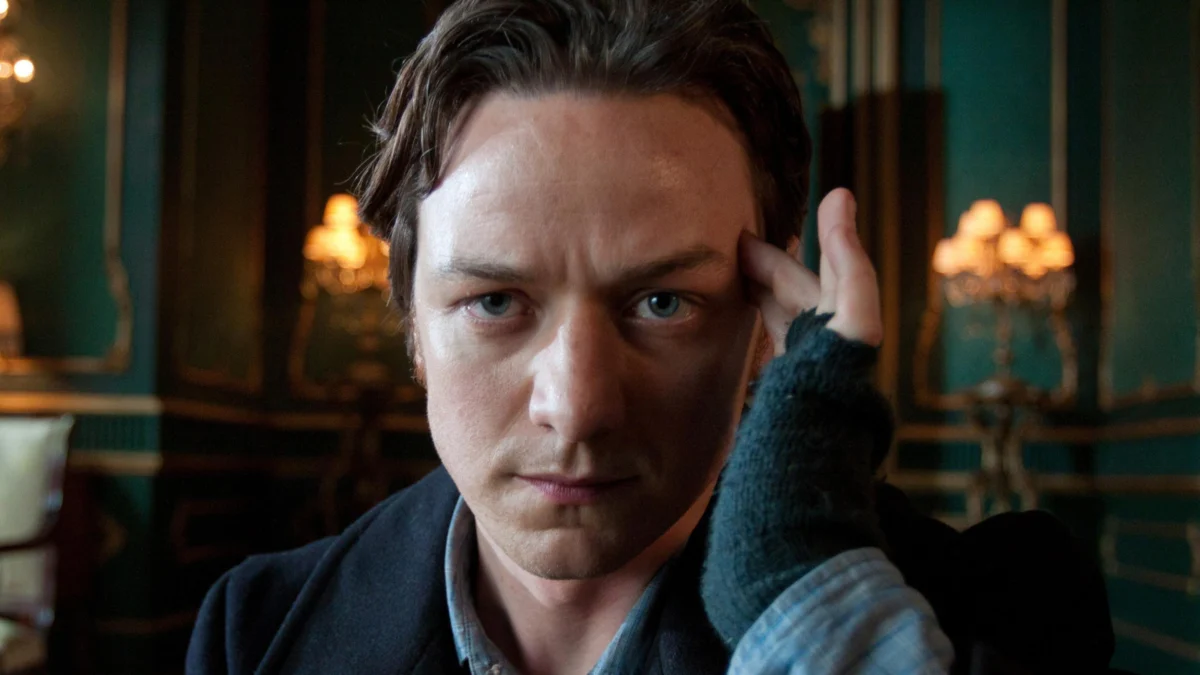
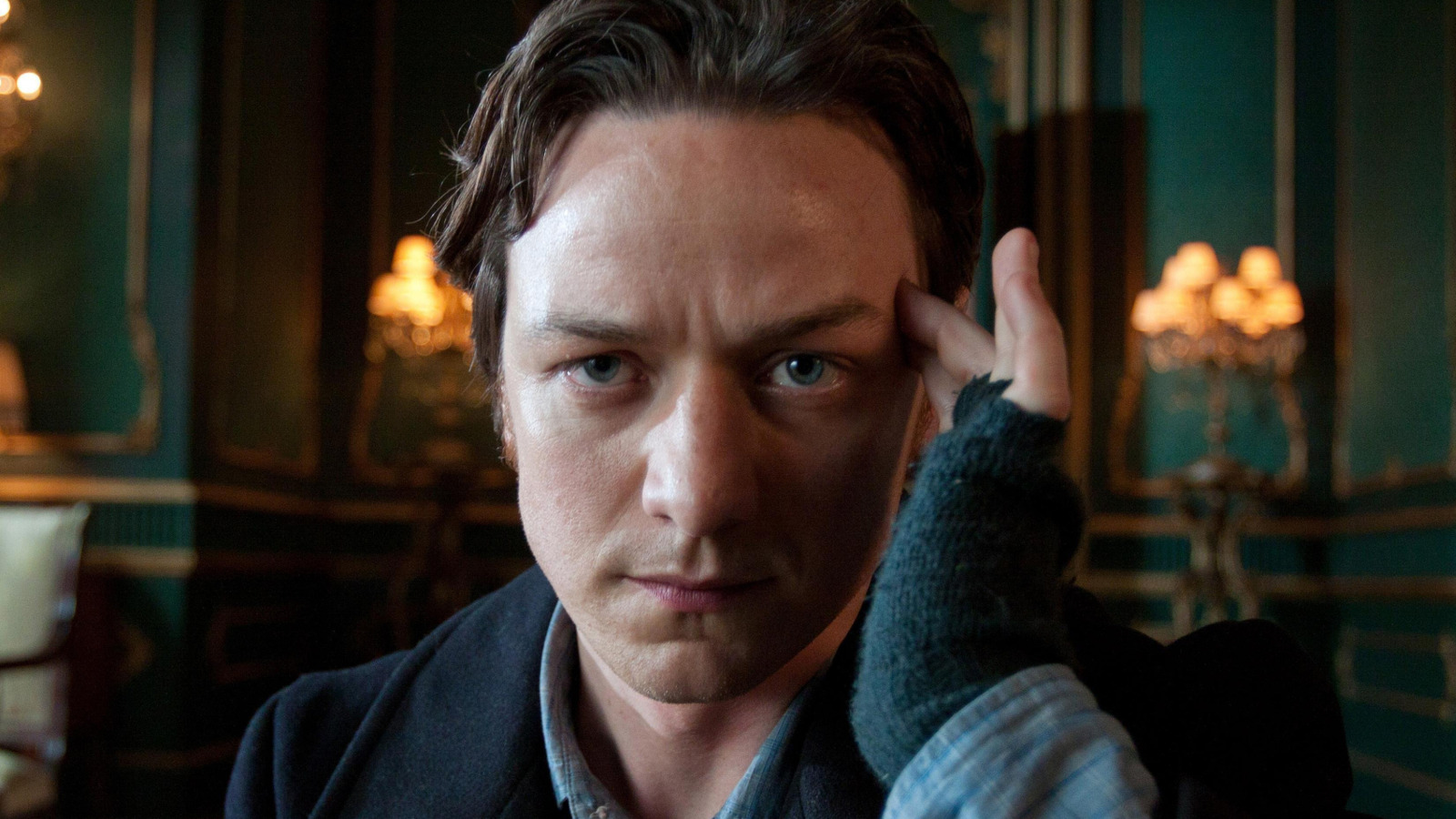
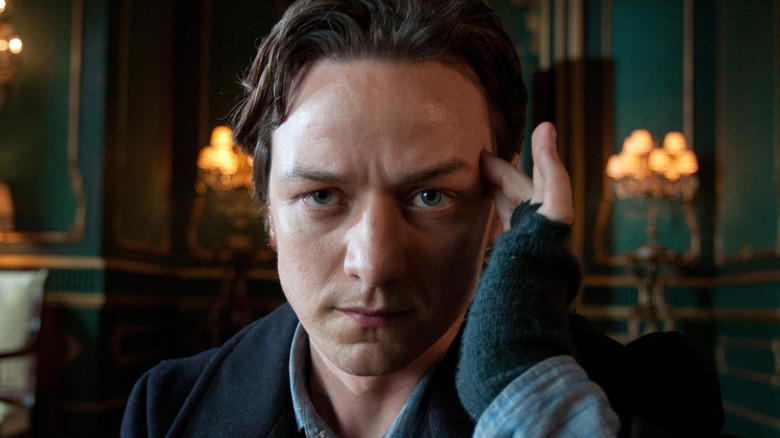
Recently, it was revealed that the franchise almost explored a new frontier for the character—not through CGI de-aging or recasting for a reboot, but through a high-stakes miniseries pitched by none other than James McAvoy. The Scottish actor, who famously stepped into Patrick Stewart’s shoes to play a young Professor Charles Xavier in the X-Men film franchise, revealed that he once developed a pitch for a standalone series titled Mutiny on the Stargazer.
The Genesis of the Pitch: McAvoy’s "Young Patrick" Obsession
During a candid appearance on Josh Horowitz’s Happy Sad Confused podcast, James McAvoy discussed his career-long affinity for playing younger versions of roles made iconic by Sir Patrick Stewart. Having successfully navigated the transition into the role of Professor X in X-Men: First Class, McAvoy admitted that he harbored a sincere desire to portray a younger Jean-Luc Picard.
"I’ve got a whole story about an early Picard, because all I really want to do in my career is play young versions of Patrick," McAvoy joked, though his enthusiasm for the project was clearly rooted in a deep respect for the source material. He noted that the project, titled Mutiny on the Stargazer, was designed as a one-off, standalone miniseries—a format that has become increasingly popular in the streaming era for exploring specific, contained chapters of a larger lore.
According to McAvoy, the pitch gained enough traction that he believed, at one point, "We nearly did it." The project would have centered on the formative years of Picard’s career, specifically his tenure on the U.S.S. Stargazer, a vessel frequently referenced throughout The Next Generation (TNG) but rarely explored in the visual depth fans have craved.
Chronology: The Stargazer in Trek Lore
To understand why a Stargazer series would be so significant, one must look at the established chronology of Jean-Luc Picard’s career.
The Battle of Maxia (2355)
The most famous event associated with the Stargazer occurred in 2355. In the TNG Season 1 episode "The Battle," it was revealed that the Stargazer was involved in a skirmish near the Maxia Zeta star system. Faced with an unknown vessel—later identified as a Ferengi ship—Picard utilized a brilliant, high-risk tactical maneuver that became known as the "Picard Maneuver." By warping for a split second, Picard created a sensor ghost, effectively appearing in two places at once to confuse the enemy.
The Mystery of the Captaincy
However, McAvoy’s pitch intended to dig deeper than just the famous battle. The TNG episode "Tapestry" (Season 6) established that Picard did not initially set out to be the captain of the Stargazer. He assumed command in the heat of a dire emergency after the ship’s previous captain was killed. This transition from a promising officer to a battle-hardened captain is a rich, untapped narrative vein.
McAvoy’s pitch specifically aimed to explore the "secret" that Picard had been holding onto for his entire career—a narrative hook that would have retroactively added a layer of complexity to everything we saw in the seven seasons of The Next Generation.
Supporting Data: Why the Ferengi and the Stargazer Matter
The Stargazer era is essential because it represents the "Old West" period of Star Trek lore—a time before the Borg were the primary threat and when the Federation was still learning to deal with neighbors like the Ferengi.
Historically, the early portrayal of the Ferengi in TNG was experimental and, by many accounts, flawed. They were initially positioned as the new primary antagonists to replace the Klingons (who had become allies). The plot of "The Battle," involving the Ferengi captain Bok using the recovered Stargazer to manipulate Picard, is often cited as a low point of the early seasons. However, the tragedy of the situation—the death of a captain, the loss of a ship, and the psychological trauma involved—provides a perfect backdrop for a gritty, character-driven drama that mirrors the tone of modern "prestige" television.
Official Responses and Industry Context
While McAvoy’s pitch did not move forward to production, its existence highlights a broader trend in Hollywood: the desire to "event-ize" the backstories of legendary characters.
The Star Trek franchise has seen a massive expansion under the stewardship of Alex Kurtzman and others at Paramount+. With shows like Strange New Worlds proving that audiences are eager for character-focused prequels that honor the original canon while modernizing the aesthetic, the environment for a Stargazer project was, in theory, perfect.
However, the creative hurdle remains the "Legend of the Stargazer." By adding a "secret" to Picard’s past, any new series risks contradicting or undermining the established character growth seen over 30 years of television and film. Producers often weigh the benefit of "filling in the gaps" against the danger of over-explaining a character who is already fully realized.
Implications: The Future of the Picard Mythos
What does this revelation mean for the future of Star Trek? First, it confirms that top-tier talent in Hollywood is still deeply invested in the Star Trek sandbox. James McAvoy’s genuine passion for the role underscores that Picard is not just a character, but an archetype of leadership that continues to inspire actors and writers alike.
Second, it raises the question of whether "standalone miniseries" are the future of the franchise. Instead of committing to multi-season arcs that require massive budgets and long-term actor contracts, exploring the "lost years" of famous captains—Picard on the Stargazer, Kirk on the U.S.S. Farragut, or Sisko’s early days on Earth—could provide a way to keep the franchise vibrant without the pressure of constant continuity.
Finally, there is the matter of the "secret." While fans might fear that adding a secret to Picard’s past could break the canon, it could also serve to humanize him further. Picard has always been a man of immense discipline, often suppressing his emotions. Knowing that he carried a burden from his very first command would only serve to highlight why he became the man who eventually sat in the captain’s chair of the Enterprise.
Conclusion: A Legend Best Left Untold?
Ultimately, Mutiny on the Stargazer may never see the light of day. But the fact that it was pitched—and that it was considered seriously by those in power—proves that the Star Trek universe is far from exhausted.
Whether we eventually see a younger actor take on the mantle of Jean-Luc Picard or if the character remains synonymous with Patrick Stewart, the desire to explore the Stargazer years proves that the foundation laid in the 1980s is still one of the most compelling narratives in science fiction. For now, the "secret" of the Stargazer remains in the shadows of the stars, perhaps where it belongs, leaving fans to imagine exactly what happened on that bridge before the legend of Captain Picard truly began.
