
When Worlds Collide: The Bizarre Webster and Star Trek: The Next Generation Crossover That Some Fans Argue is Canon
Main Facts
Television history is filled with unexpected crossovers—The Simpsons meeting Family Guy, Law & Order intersecting with Homicide: Life on the Street, or various comic book universes colliding on the big screen. However, few crossovers in the history of the medium rank as delightfully absurd or conceptually jarring as the 1989 series finale of the beloved 1980s sitcom Webster, which featured a head-on collision with Star Trek: The Next Generation.
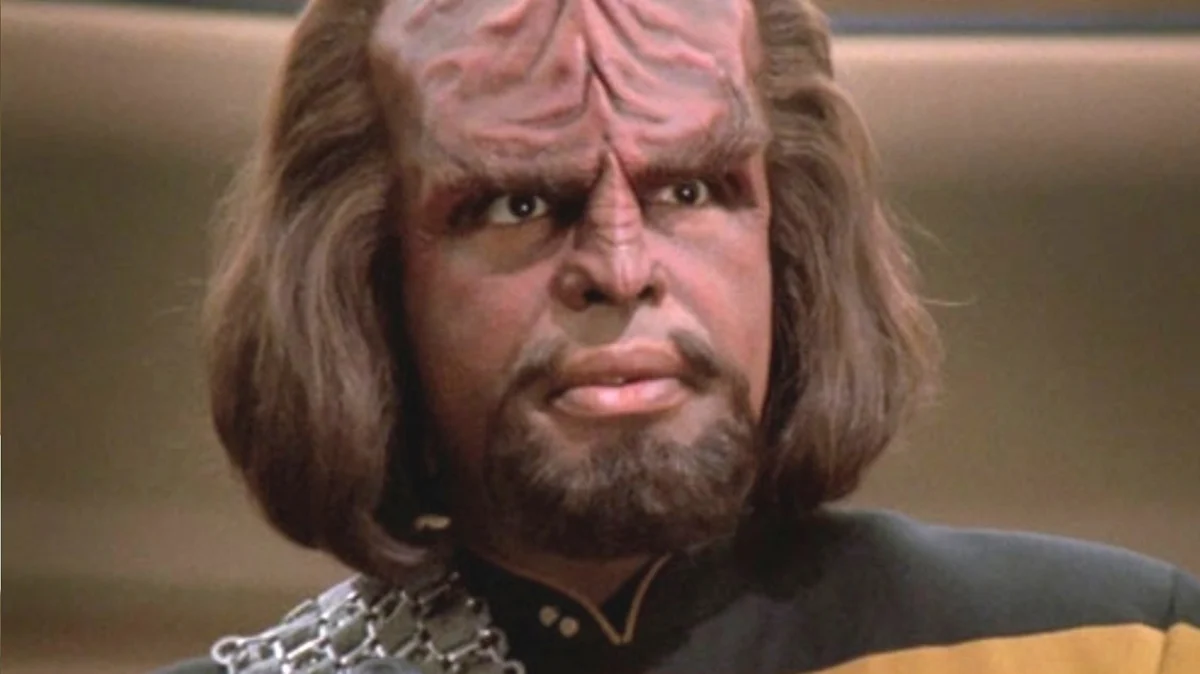
Entitled "Webtrek," the final episode of the Emmanuel Lewis-led family comedy saw its young protagonist accidentally transported from his Chicago home directly onto the bridge of the USS Enterprise-D in the 24th century. Surrounded by starfleet officers and facing iconic characters like Lieutenant Worf, Webster Long spent his final television hours attempting to teach the stoic Klingon the true meaning of fun.
While network television frequently employed gimmicky, out-of-character finales during the era to drum up ratings or capitalize on shared corporate ownership—both shows were produced under the Paramount umbrella—this specific crossover has achieved a bizarre second life. Decades after its initial broadcast, a vocal faction of science fiction enthusiasts and continuity purists argue that the events of "Webtrek" should be considered official Star Trek canon. Backed by corporate synergy, peculiar behind-the-scenes coincidences, and a final lingering plot point that defies a simple "it was all a dream" cop-out, this forgotten piece of television trivia continues to spark passionate debates across online forums and fandom spaces.
Chronology
To understand how a domestic, down-to-earth family sitcom ended up drifting through the final frontier, it is necessary to examine the timelines of both programs as they collided in the late spring of 1989.
- 1983: The sitcom Webster premieres on ABC, starring child actor Emmanuel Lewis alongside retired NFL star Alex Karras and Susan Clark. The series establishes itself as a heartwarming, morality-driven vehicle centered on an orphaned boy adopted by his multicultural godparents in Chicago.
- September 1987: Star Trek: The Next Generation debuts in syndication, successfully reviving the legendary sci-fi franchise created by Gene Roddenberry. Set in the 24th century, the series introduces audiences to a new generation of Starfleet officers aboard the USS Enterprise-D, including Captain Jean-Luc Picard, Commander William Riker, and the Klingon security officer Lieutenant Worf, played by Michael Dorn.
- March 1989: After six seasons and 150 episodes, production on Webster comes to a close. As the series prepares to wrap up its syndication run, the creative team decides against a traditional sentimental farewell. Instead, they lean into a high-concept, sci-fi-infused narrative for the two-part series finale.
- May 1989: The Webster series finale, "Webtrek," airs on television. In the episode, a young Webster Long is playing video games in his Chicago apartment during a severe thunderstorm. A freak bolt of lightning strikes his home, interacting with his gaming console and inadvertently beaming him hundreds of years into the future onto the bridge of the USS Enterprise-D.
- May 1989 – Present: Following the broadcast, the episode becomes a piece of nostalgic trivia for 1980s television viewers. However, over the following decades, internet culture and platforms like Reddit breathe new life into the episode, with fans analyzing its implications for the broader Star Trek multiverse and arguing its canonical legitimacy.
Supporting Data
The intersection of Webster and Star Trek: The Next Generation is supported by a fascinating array of production details, narrative beats, and peculiar continuity markers that elevate the episode from a throwaway gag to a legitimate point of discussion among continuity analysts.
The Mechanics of "Webtrek"
In the narrative of the series finale, Webster’s presence on the USS Enterprise-D causes minor chaos for the 24th-century crew. Rather than treating the child as a hostile intruder, the crew—led by the ship’s bridge officers—scans the boy and quickly determines he is harmless and from an archaic era of human history.
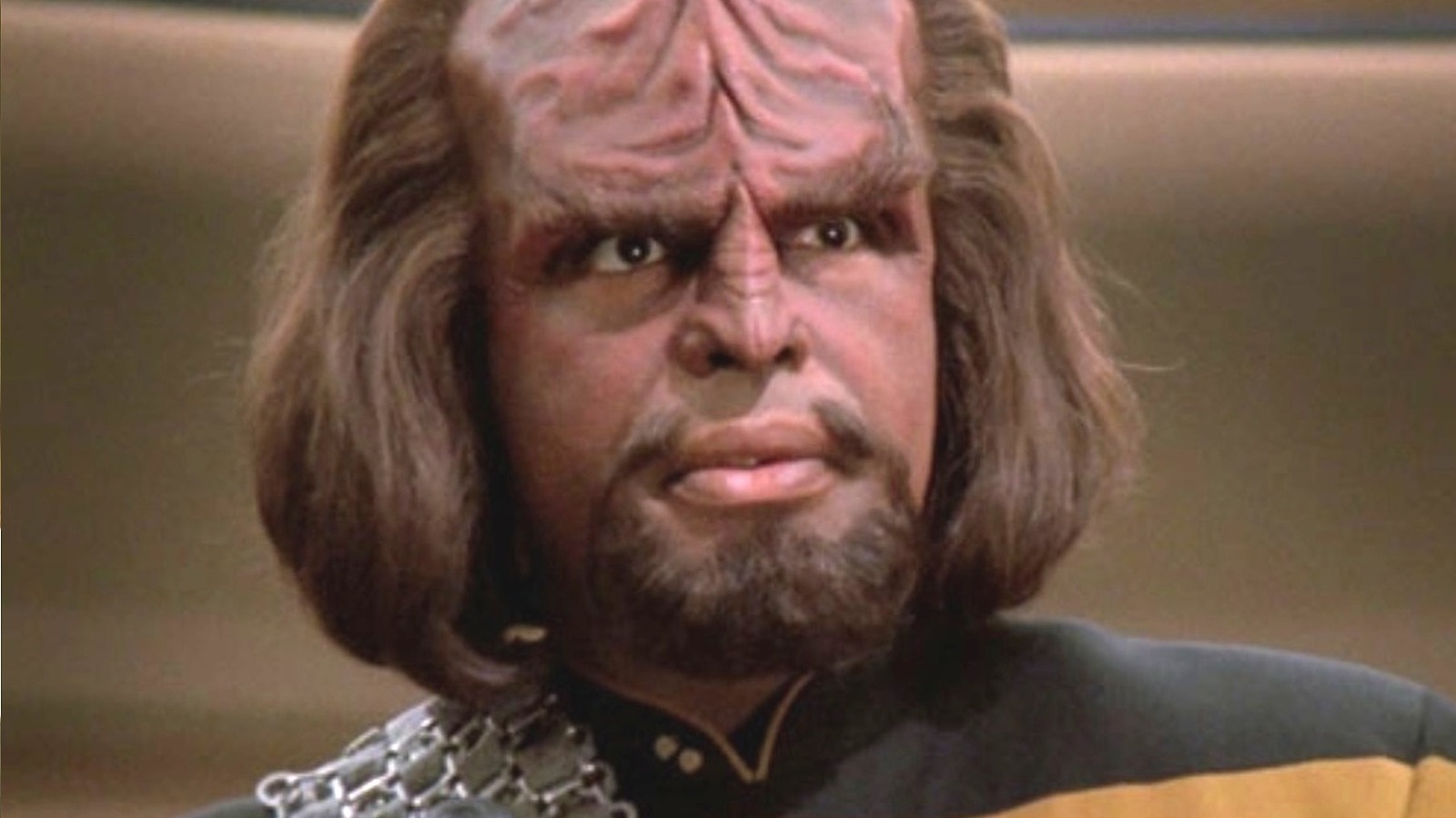
With nowhere else to turn, Webster finds himself interacting directly with Lieutenant Worf, attempting to impart lessons on levity, play, and childhood joy to a warrior whose culture values stoicism and combat above all else. To bridge the generational and cultural gap, the episode utilizes a classic sitcom device: clip show flashbacks. Webster treats Worf to visual recaps of previous Webster episodes, illustrating the "fun" of his life back in 1980s Chicago.
The Ending That Changes Everything
Most television series that employ a reality-bending, bizarre premise for a finale resolve the madness with a predictable twist: the protagonist wakes up, realizes it was all a dream, and life goes on as normal. "Webtrek" initially appears to follow this exact blueprint. After the Enterprise crew successfully repairs Webster’s fried video game joystick, they beam him back to his Chicago apartment just in time for him to dismiss the entire cosmic adventure as a bizarre, fever-dream byproduct of the lightning storm.
However, the writers included a final, subversive sting. As Webster inspects his gaming equipment, he discovers a physical repair label attached to his joystick—bearing the unmistakable hallmarks and technology of Starfleet and the USS Enterprise. This lingering piece of physical evidence shatters the "it was all a dream" trope, confirming within the internal logic of the story that Webster truly did travel to the 24th century.
Shared Corporate Ownership
A major pillar of the argument supporting the crossover’s legitimacy rests on behind-the-scenes logistics. Both Webster (during its later seasons) and Star Trek: The Next Generation were properties under the umbrella of Paramount Pictures. Because the same corporate entity controlled the intellectual property rights to both universes, the crossover was not merely an unauthorized parody or a dream sequence manufactured by an independent studio, but an officially sanctioned studio production featuring the actual intellectual property of the Star Trek universe.
Official Responses
While the creators of Star Trek: The Next Generation and the producers of Webster likely viewed the crossover as a fun, self-contained novelty designed to draw eyeballs to the sitcom’s swan song, the historical reception from official channels has remained largely lighthearted.
At the time of production, the staff of Star Trek: The Next Generation was deeply entrenched in building the complex lore of the 24th century under the watchful eye of executive producer Gene Roddenberry. While Roddenberry was protective of the show’s continuity, episodic television in the late 1980s frequently engaged in unconventional marketing and cross-promotional stunts without worrying about long-term franchise fragmentation.
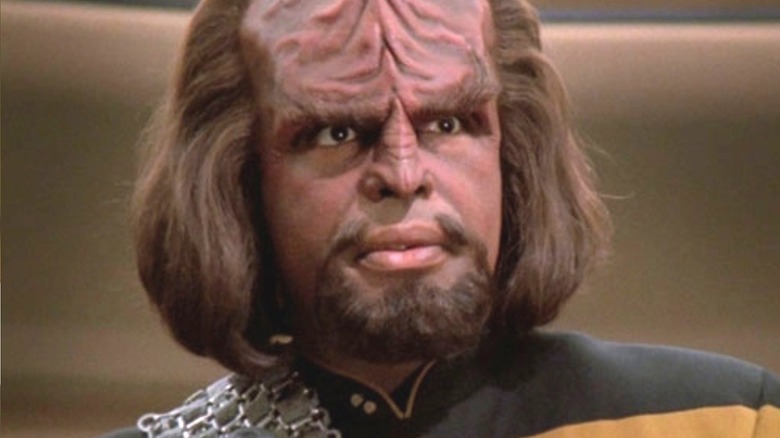
Actors such as Michael Dorn (Lieutenant Worf) participated in the crossover as a fun day at the office, stepping out of the gritty science-fiction parameters of the Starfleet set to play off a high-energy child star. Over the years, cast members have occasionally looked back on the era’s bizarre television landscape with amusement, acknowledging that while Star Trek was striving to be prestige science fiction, it was also a corporate product meant to entertain audiences through unexpected avenues. Modern studio representatives and official franchise historians generally treat "Webtrek" as a historical oddity—a fun piece of 1980s pop culture detritus rather than an essential pillar of franchise storytelling—leaving the heavy lifting of canon debate entirely in the hands of the fans.
Implications
The argument over whether a sitcom finale can alter the sacred text of a multi-billion-dollar science fiction franchise raises fascinating questions about the nature of canon, multimedia storytelling, and fan culture.
The Elasticity of the Star Trek Multiverse
When examining the broader implications for the Star Trek universe, proponents of the "canon" theory note that a child from the 20th century being accidentally beamed onto the Enterprise is, ironically, far from the strangest occurrence in franchise history. Star Trek has routinely explored time travel, alternate dimensions, Q-powered reality manipulation, and cosmic anomalies that pluck historical figures and everyday people out of their native timelines.
Furthermore, eagle-eyed fans have pointed out a delightful chronological coincidence within the episode: during his time on the bridge, Webster interacts with Worf while the Klingon is stationed at the ship’s ops console. Historically, Worf primarily served as security and tactical chief, but he famously manned the ops station during specific 1990 episodes such as "The Most Toys." While this alignment is almost certainly accidental, it provides ammunition for fans determined to weave the sitcom into the grand tapestry of Starfleet history.
The Sitcom Paradox
Conversely, the implications for the Webster universe are even more surreal. If the physical repair label on the joystick is taken literally, it implies that the heartwarming 1980s Chicago family sitcom shares a literal universe with starships, phasers, and Klingons. Webster Long’s mundane childhood struggles with his adoptive parents suddenly occur in a timeline where 24th-century temporal mechanics casually bleed into domestic households via ordinary household appliances struck by lightning.
Ultimately, whether "Webtrek" is accepted as strict, unyielding canon or dismissed as a harmless piece of 1980s network television cross-promotion, the crossover remains a testament to an era when television was willing to take wild, unpredictable creative swings. It stands as a glorious, surreal artifact of a time when a kid from Chicago could casually teach a Klingon warrior how to have fun, leaving behind a repair label that continues to challenge how fans define the boundaries of their favorite fictional worlds.
