
The Iron Man That Almost Was: Why Tony Stark’s VisionQuest Cameo Was Doomed From the Start
Main Facts
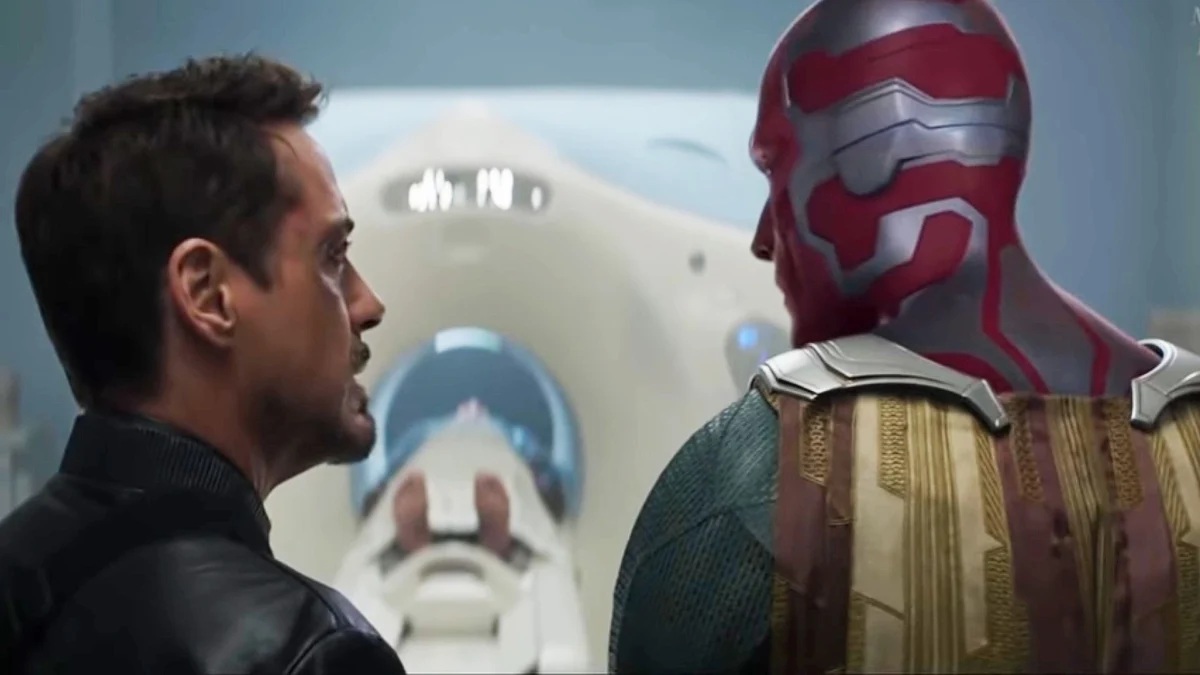
When Marvel Studios sets its sights on expanding the lore of the Marvel Cinematic Universe (MCU), no stone is left unturned—except, perhaps, when budget, logistics, and reality intervene. Speaking exclusively during a press junket in the United Kingdom, VisionQuest showrunner Terry Matalas revealed that his initial creative brainstorming for the upcoming Disney+ series included a conceptual appearance by none other than Tony Stark, famously played by Robert Downey Jr.
The proposed cameo would have taken the form of a flashback sequence exploring the origins of the source code Stark utilized to build his suite of artificial intelligence programs. Given that Stark serves as the literal creator of both Vision and Ultron—the central and secondary figures anchoring the narrative of VisionQuest—the inclusion of the founding Avenger would have served as a profound thematic and narrative bridge connecting the MCU’s Infinity Saga past to its unfolding Phase 6 future.
However, despite the creative alignment, Matalas readily acknowledged that the idea was dead on arrival. The showrunner admitted with pragmatic candor that securing Downey Jr. for a television series was "not going to happen." While infinite time and an unlimited budget might have allowed the creative team to manifest any number of high-profile appearances, the stark realities of television production quickly relegated the concept to the cutting-room floor.
Chronology of a Concept: From Writers’ Room to Reality
The conceptual trajectory of VisionQuest mirrors the evolutionary timeline of many high-stakes streaming projects within the modern superhero landscape. The timeline of this unrealized cameo highlights the tension between grand creative ambitions and the practical constraints of modern television:
- The Foundation (2015–2019): Through films like Avengers: Age of Ultron (2015) and Avengers: Endgame (2019), the MCU establishes the foundational relationship between Tony Stark, artificial intelligence, and the creation of Vision. Stark’s technological footprint is deeply embedded in the synthezoid’s architecture.
- The Development of VisionQuest (Phase 6): As Marvel Studios greenlights the Disney+ series—designed as the thematic capper to the Wanda/Vision television trilogy—showrunner Terry Matalas and his writers assemble in the room to map out the narrative arc for Phase 6.
- The Brainstorming Phase: Seeking to root the series in deep MCU lore, the writers discuss the technical origins of Vision and Ultron. The idea of a flashback involving Tony Stark interacting with the core source code is floated as an ideal way to connect past continuity with the show’s present dilemmas.
- The Reality Check: Recognizing the monumental logistics, financial thresholds, and scheduling realities of bringing an Oscar-winning A-list actor like Robert Downey Jr. back into the television fold, Matalas self-corrects. The concept is abandoned before formal pitches are made to Marvel executives.
- The Public Disclosure: During the UK press junket for VisionQuest, Matalas shares the anecdote with journalists, offering a rare glimpse into the unfilmed possibilities of the MCU’s television development process.
Supporting Data & Context: The Stark-Vision Dynamic
To understand why a Tony Stark cameo made such compelling sense on paper, one must look closely at the shared history of the characters within the MCU canon. Despite their deep narrative interconnectedness, Stark and Vision actually share a surprisingly limited amount of on-screen dialogue together across the franchise.
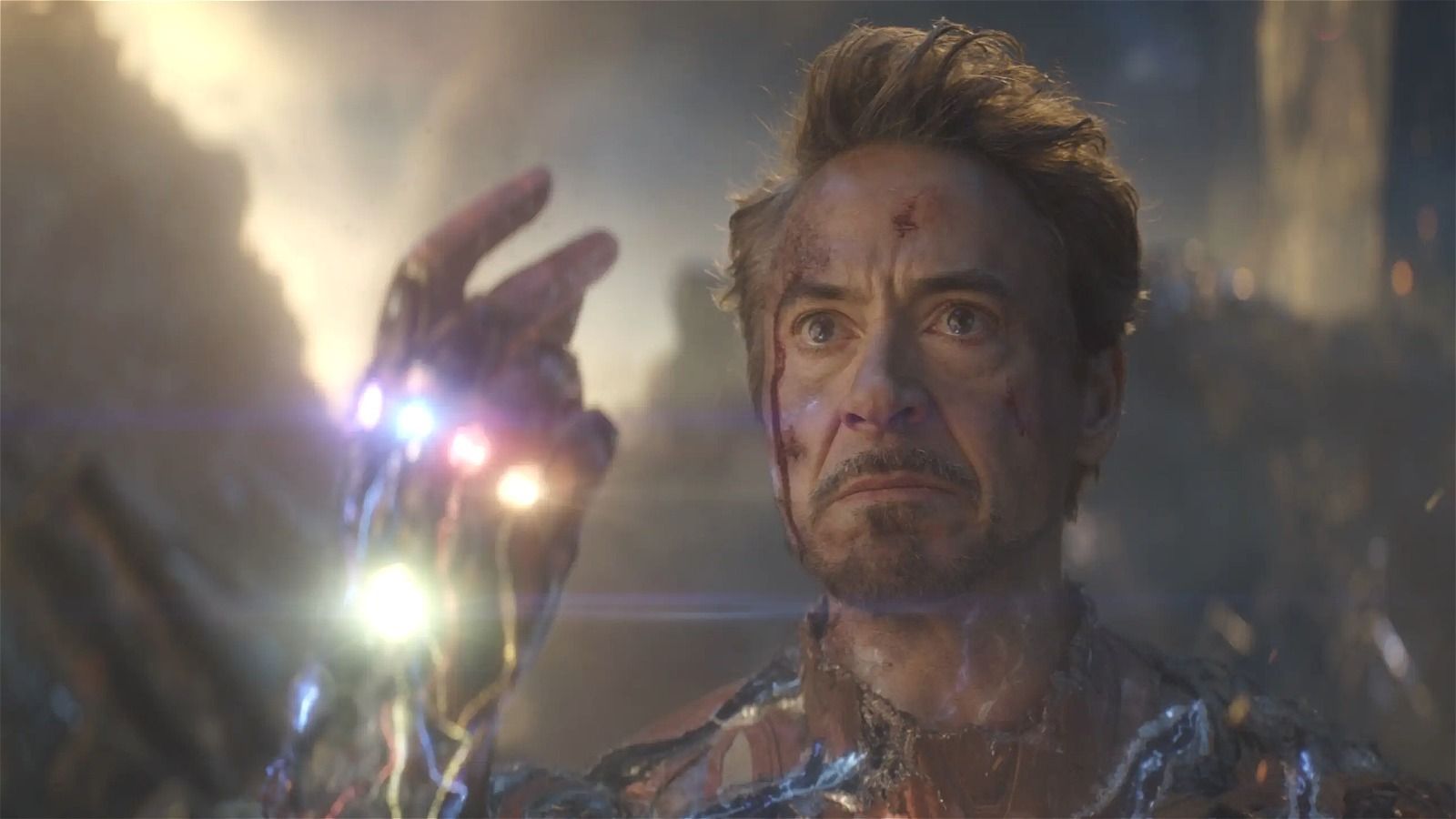
In Avengers: Age of Ultron, it is Stark—along with Bruce Banner—who uploads the consciousness of J.A.R.V.I.S. into the vibranium body, effectively birthing Vision. Yet, their subsequent interactions in films like Captain America: Civil War (2016) and Avengers: Infinity War (2018) are largely transactional, dominated by philosophical debates over the Sokovia Accords, the mind stone, and the survival of humanity.
VisionQuest positions itself as an existential exploration of what it means for an artificial being to seek purpose, identity, and humanity in the wake of grief and trauma. By examining the ghost in the machine—the code written by a deeply flawed, brilliant billionaire—the series naturally invites comparisons to its creator.
Furthermore, the financial and logistical hurdles cited by Matalas underscore the shifting paradigm of Marvel television. While early Disney+ series like WandaVision, Loki, and The Falcon and the Winter Soldier boasted feature-film budgets, recent studio adjustments have placed a heavier emphasis on fiscal responsibility, tighter storytelling, and sustainable production models. Renting the services of Hollywood’s most expensive and sought-after talent for a television flashback simply does not compute under these new budgetary frameworks.
Official Responses and Behind-the-Scenes Insights
Terry Matalas’s frank remarks during the junket shed light on how showrunners navigate the towering shadow of the Infinity Saga while operating within the confines of episodic television.
When asked directly whether Marvel executives placed restrictive boundaries on the characters he could utilize, Matalas was quick to defend the studio’s collaborative environment. "No," he stated, clarifying that editorial interference was not the barrier. "I mean, it usually comes down to budget. If we had more time and money, you could include anything, maybe even a flashback to Tony Stark dealing with the source code."
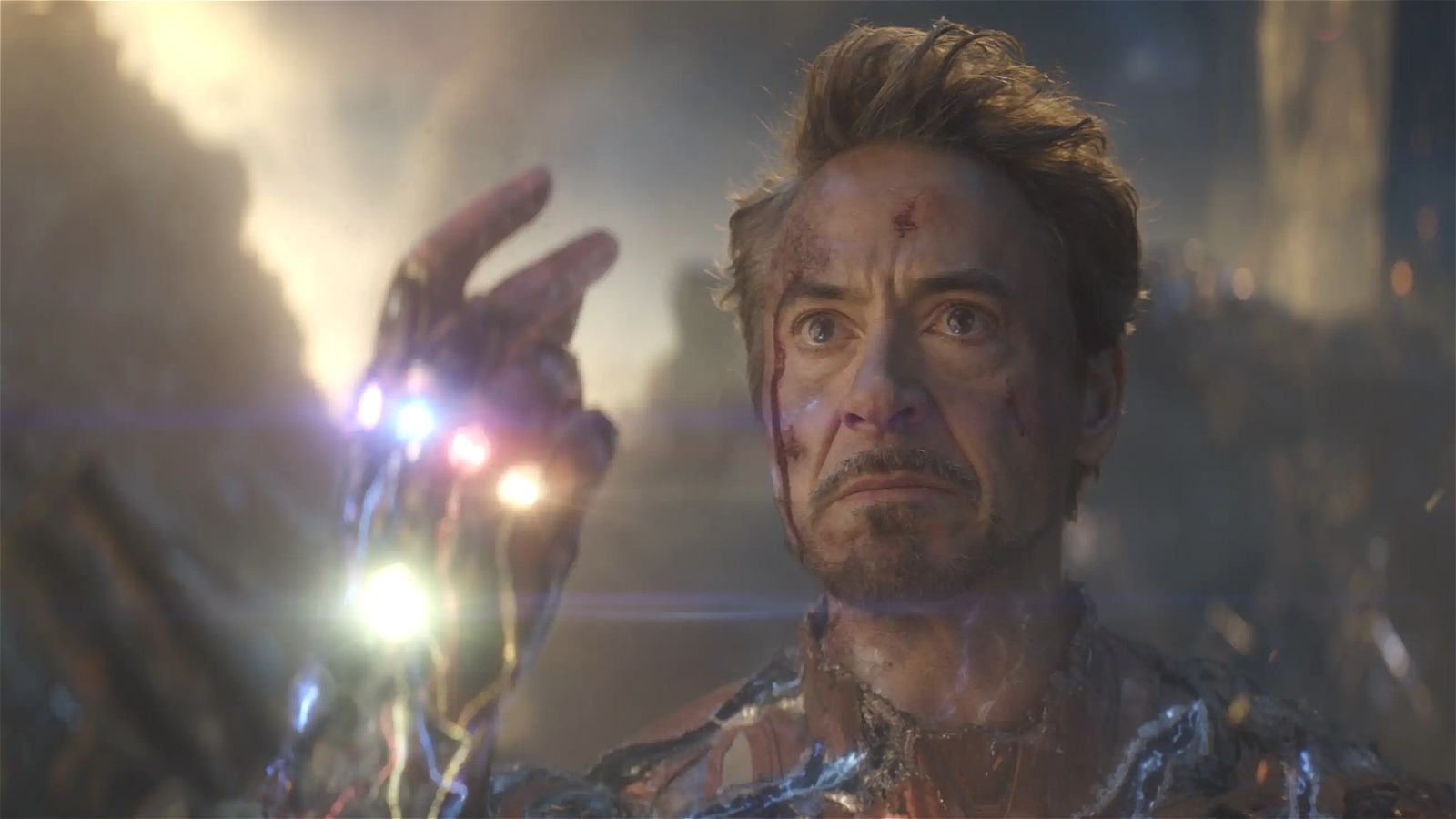
Elaborating on the impossibility of locking down Downey Jr., Matalas offered a humorous yet resigned assessment of the television medium: "We’re not going to get Downey Jr into a Marvel show. It would’ve been wonderful. But, we’re just a TV series, so you can’t really have all of the… I mean, there are limitations, right?"
The showrunner explained the creative distillation process required of modern showrunning: "You have grand ideas, but throughout the development process, you have to say, ‘Well, we can’t do that, so how do we distill down that idea into something that could work?’ Hopefully, we got there, but we’ll see [how viewers react to our story]."
This pragmatic approach highlights the necessary compromises creators make when translating cinematic-scale universes into serialized television formats.
Implications for the MCU and VisionQuest
The revelation of this discarded cameo carries several broader implications for the future of Marvel Studios, Phase 6, and the streaming ecosystem on Disney+:
1. Moving Beyond Legacy Crutches
While cameos and legacy characters have frequently been used as heavy-hitting hooks to drive fan engagement and subscription numbers (evidenced by the multiverse-spanning antics of Spider-Man: No Way Home and Deadpool & Wolverine), the conscious decision to drop the Stark flashback signals a healthier reliance on internal narrative strength. VisionQuest must stand on its own two feet, anchored by Paul Bettany’s compelling portrayal of Vision, rather than relying on nostalgia injections from deceased cornerstone characters.
2. Economic Realities of Marvel TV
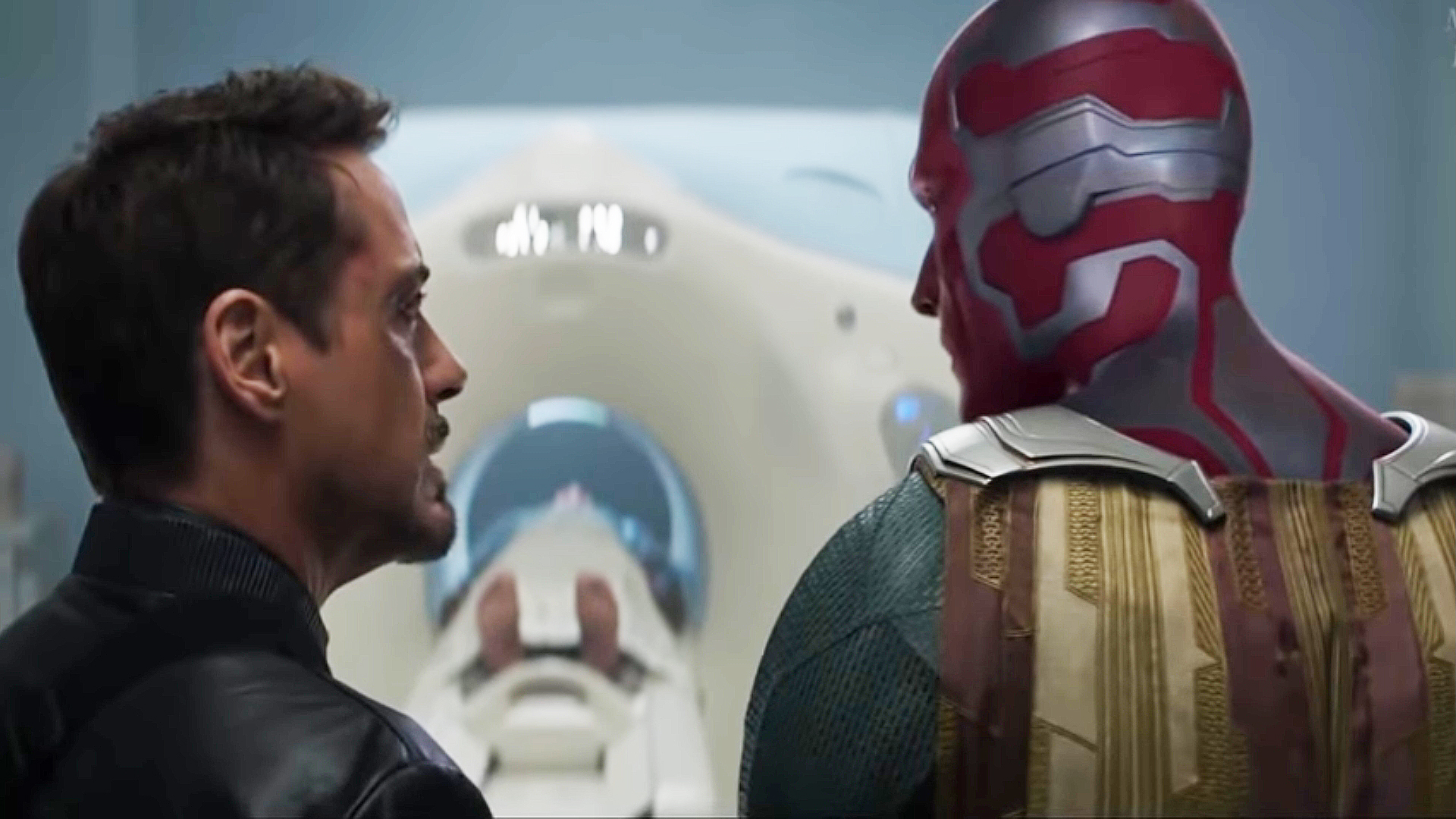
Marvel’s recent pivot toward streamlining its television output—slowing down the release schedule and refocusing on traditional showrunner-led models—is reinforced by Matalas’s comments. By acknowledging that a television budget cannot sustain cinematic-tier guest stars of Downey Jr.’s magnitude, the studio is setting more realistic expectations for what Disney+ projects can achieve structurally and aesthetically.
3. The Enduring Legacy of Tony Stark
Even in his absence, Tony Stark’s presence looms large over VisionQuest. The themes of legacy, paternal responsibility, artificial intelligence, and existential dread that defined Stark’s arc across eleven years of cinema continue to reverberate through the mechanical descendants he left behind. Even if the audience never sees Robert Downey Jr. walk onto a soundstage for the series, his character remains the invisible architect of the entire conflict.
As VisionQuest rolls out its eight-episode run on Disney+, fans will undoubtedly scour every frame for subtle nods, Easter eggs, and audio cues pointing back to the billionaire playboy philanthropist who started it all. And while the dream of a digital-age reunion between creator and creation was snapped out of existence before filming could begin, the resulting story promises to forge a compelling new path for the MCU’s most unique mechanical hero.
