
Pixar’s Experimental Renaissance: Behind the Scenes of the Stop-Motion Delight ‘Fruit & Nut’
By Editorial Staff
October 2, 2026
In the sprawling, high-tech campus of Pixar Animation Studios in Emeryville, California, the digital hum of render farms is usually the soundtrack to innovation. However, in recent months, a tactile, analog shift has taken place within the studio’s hallowed halls. Pixar, the titan of Computer Generated Imagery (CGI) that redefined the medium with Toy Story three decades ago, is turning its attention to the gritty, physical world of stop-motion. The latest fruit of this creative pivot is the charming, irreverent, and undeniably inventive short film, Fruit & Nut.
Released to the public via Pixar’s official YouTube channel, the seven-minute short offers a whimsical "origin story" for the world’s most iconic lunchtime staple: the peanut butter and jelly sandwich. Beyond its humor, the film marks a significant milestone in Pixar’s internal R&D culture, signaling a studio that is increasingly comfortable stepping away from the keyboard to get its hands dirty.
The Core Concept: A Culinary Road Trip
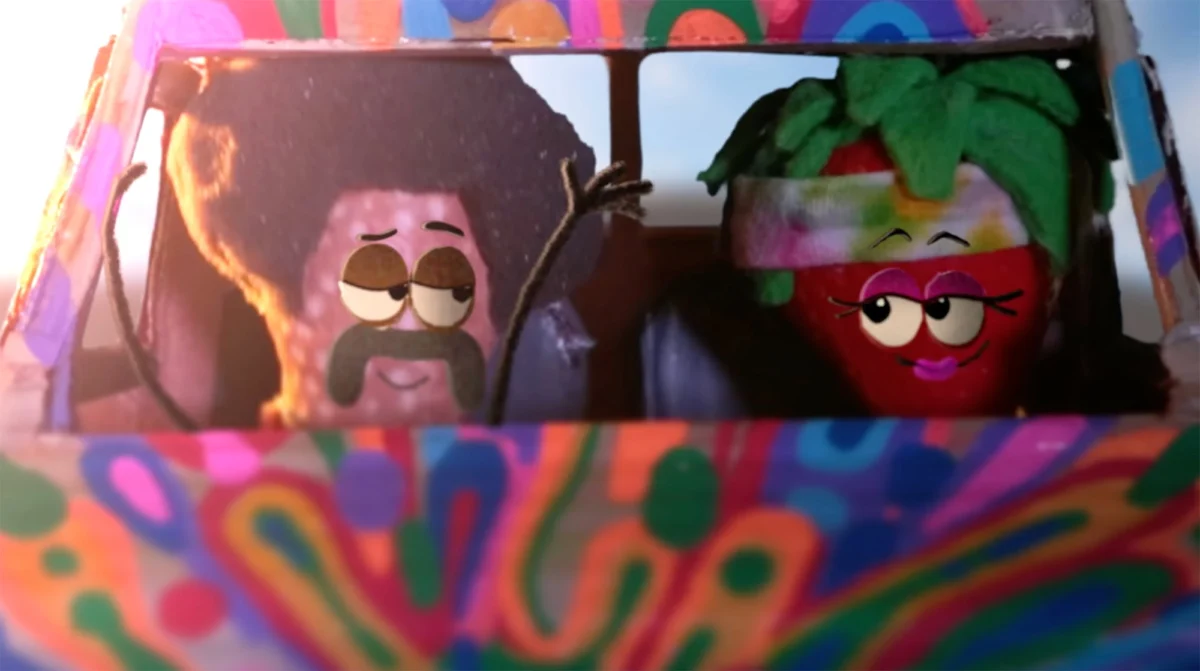
Fruit & Nut is a departure from the high-gloss aesthetic typically associated with the studio. The film follows two unlikely protagonists: a free-spirited, hippie-coded strawberry and a penniless, world-weary peanut. Their dynamic is a direct, hilarious homage to the 1991 cinematic classic Thelma & Louise.
As the duo navigates their environment, the film blends culinary absurdity with the tension of a road-trip crime thriller. The narrative structure, which frames the duo’s journey as the catalyst for the very first PB&J, is as absurd as it is endearing. By utilizing stop-motion—a medium that inherently celebrates imperfection and texture—directors Rej Bourdages and Tony Maki have managed to inject a level of character personality that feels both fresh and nostalgic.
The Creative Architects: Bourdages and Maki
The visionaries behind Fruit & Nut are far from newcomers to the Pixar ecosystem. Both Rej Bourdages and Tony Maki have served as foundational story artists for the studio, contributing their narrative expertise to a long list of Pixar hits, including The Good Dinosaur, Coco, Inside Out 2, Soul, Luca, Elio, and the recent feature Hoppers.

Their transition from the storyboarding phase—where scenes are planned in two dimensions—to the physical execution of stop-motion demonstrates the versatility of modern animation talent. Under the production guidance of Paige Johnstone, the duo managed to capture a sense of spontaneity that is often difficult to replicate in long-form feature production. For Bourdages and Maki, this project was not merely a creative exercise but a test of how the studio’s storytelling prowess translates when the "undo" button no longer exists.
Chronology of a Studio Shift
To understand the significance of Fruit & Nut, one must look at the recent evolution of Pixar’s experimental divisions.
1. The Spark Shorts Era
For years, Pixar’s Spark Shorts program served as the primary incubator for internal talent. It allowed artists to move beyond their assigned roles and take the reins of short-form projects. These films often explored personal, darker, or more experimental themes than the main feature pipeline allowed.
2. The Turn Toward Physicality
In late 2023 and 2024, whispers emerged from Emeryville that the studio was interested in diversifying its technical repertoire. This culminated in the release of Self, a groundbreaking stop-motion short that proved Pixar could compete in a medium long dominated by studios like Aardman or Laika. Self served as the proof-of-concept, providing the technical infrastructure for the studio to host a second, more ambitious stop-motion production.
3. The "A Pixar Artist’s Short Film" Initiative
Fruit & Nut is the flagship of the new "A Pixar Artist’s Short Film" series. This initiative is a spiritual successor to the Spark Shorts, though it places a heavier emphasis on medium experimentation. By platforming these works on YouTube, Pixar is moving toward a "direct-to-consumer" model that prioritizes community engagement and rapid-fire creative output over the traditional, lengthy festival-to-streaming pipeline.
Supporting Data: Why Stop-Motion?
In the world of animation, stop-motion is often viewed as the antithesis of CGI. While CGI allows for infinite control, infinite cameras, and easy revisions, stop-motion requires a grueling commitment to a single frame at a time.

Why would a studio built on digital mastery return to the physical?
- Tactile Texture: Stop-motion provides a "handmade" quality that audiences are increasingly craving in an age of AI-generated imagery and hyper-polished CGI. The "thumbprints" on the characters in Fruit & Nut offer a human connection that digital models sometimes lack.
- Talent Retention: By offering artists the chance to direct their own projects, Pixar is effectively curbing creative burnout. When a lead story artist spends five years on a single feature film, the opportunity to spend a few months on a short project like Fruit & Nut acts as a creative reset.
- Technological Cross-Pollination: Many of the lighting and composition techniques used in Fruit & Nut are being fed back into the studio’s digital pipeline. The way light hits the physical materials in the short is now being studied to improve the procedural textures in Pixar’s future feature films.
Official Responses and Industry Reception
Pixar’s decision to debut the film on YouTube—without a heavy paywall or theatrical release—has been met with praise from industry analysts. By bypassing the traditional hurdles of distribution, the studio is fostering a sense of accessibility.
In a brief statement accompanying the release, the studio noted: "Pixar Animation Studios is proud to showcase the diverse talents of our internal team. ‘Fruit & Nut’ is not just a film; it is a testament to the fact that great storytelling is not bound by a specific tool or medium. Whether it is code or clay, the heart of our studio remains the same."
Critics have pointed out that the short serves as a vital bridge for Pixar. As the animation industry faces existential questions regarding the role of generative AI, Pixar’s commitment to labor-intensive, physical stop-motion serves as a powerful statement: human craft is, and will remain, the studio’s greatest asset.
Implications for the Future of Pixar
The success of Fruit & Nut raises an important question: Will Pixar produce a full-length stop-motion feature? While the studio has yet to commit to such a massive undertaking, the infrastructure is clearly being built. The studio has successfully tested two distinct stop-motion projects in a short span, suggesting that the Emeryville campus is now equipped with the stages, lighting rigs, and specialized crew necessary for larger projects.
Furthermore, this pivot suggests a decentralization of Pixar’s creative output. If the "A Pixar Artist’s Short Film" series continues to grow, we may see a future where the studio operates like a creative collective, churning out high-quality experimental content alongside their marquee blockbusters.

Conclusion: A Lesson in Play
At its heart, Fruit & Nut is a film about the joy of making something out of nothing. It takes the mundane—a strawberry and a peanut—and elevates them to the status of legends. In doing so, it mirrors Pixar’s current trajectory: looking at the small, the experimental, and the seemingly insignificant, and finding the blockbuster potential hidden within.
As the industry watches, Fruit & Nut stands as a reminder that even the most massive studios must periodically return to their roots to find new ways to grow. For fans of animation, the film is a delight. For the future of Pixar, it is a significant step toward a more versatile, daring, and human-centric era of filmmaking.
For those interested in exploring the technical craft behind the film, or simply wishing to enjoy the story again, the short is currently available for viewing on the official Pixar YouTube channel. As the studio continues to blur the lines between its digital legacy and its analog future, one thing is certain: the legend of the PB&J is only the beginning of what Pixar has in store.
