
Revving Up the Outer Rim: The High-Stakes Evolution of ‘Star Wars: Galactic Racer’
By Alex Billington
October 6, 2026
The hum of high-performance repulsorlift engines is returning to the galaxy. Almost three decades after the seminal Star Wars Episode I: Racer redefined the arcade racing genre on the Nintendo 64, Fuse Games has officially pulled back the curtain on the final, explosive launch trailer for their ambitious reinvention of the franchise: Star Wars: Galactic Racer.
Available today, Galactic Racer represents a bold, gritty departure from the polished heroics of the Jedi, opting instead to dive deep into the lawless, neon-drenched underbelly of the Outer Rim. As the game hits digital storefronts across PC, PlayStation 5, and Xbox Series X/S, the excitement—both among nostalgic fans of the 1999 classic and a new generation of speed-seekers—is palpable.
The Core Facts: A New Era of Podracing
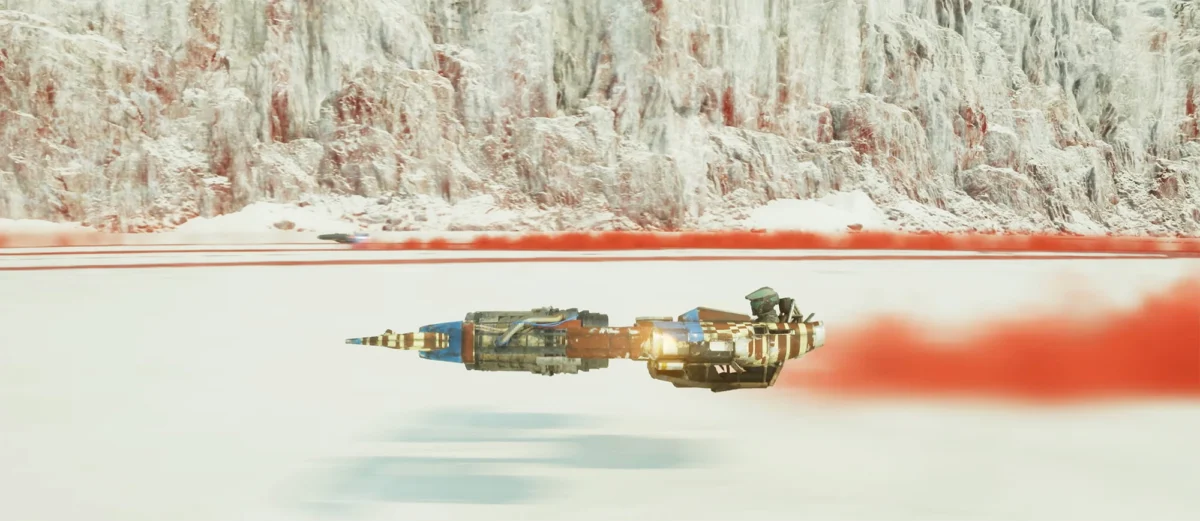
Star Wars: Galactic Racer is not merely a high-definition remaster; it is a "runs-based, high-stakes reinvention" of the podracing concept. Set during the volatile New Republic Era—the period of reconstruction following the fall of the Empire seen in The Force Awakens—the game trades the wide-eyed wonder of Tatooine’s Boonta Eve Classic for the industrial, scrap-metal aesthetic of planets like Jakku and Crait.
At its heart, the game introduces the "Galactic League," an underground, unsanctioned racing circuit. In this vacuum of power, local syndicates have stepped in to bankroll chaos, turning the sport of podracing into a brutal, winner-take-all enterprise. Players take on the role of Shade, a pilot driven by a potent mix of glory-seeking and vengeance. As they climb the ranks, they must navigate a narrative-driven campaign where the stakes are life, death, and the reclamation of a stolen destiny.

Chronology: From Concept to Circuit
The road to Galactic Racer has been marked by a deliberate and strategic marketing campaign that has slowly peeled back the layers of this expansive project.
- Late 2025: The First Glimpse: The initial teaser trailer dropped to significant fanfare, confirming that Lucasfilm Games was entrusting Fuse Games with the revitalization of one of the most beloved sub-genres in the Star Wars gaming canon. The first trailer emphasized the speed and the sheer environmental scale of the new tracks.
- Early 2026: Establishing the Stakes: A subsequent story-focused trailer introduced the narrative tension. Fans were introduced to the game’s antagonist, Kestar—a ruthless rival who stands as the primary obstacle between the player and the championship. This trailer cemented the idea that Galactic Racer would be as much about character development and rivalry as it was about raw mechanical skill.
- October 6, 2026: The Launch: The final, gameplay-focused trailer has arrived, showcasing the fluid, high-octane mechanics that define the final product. With the game now available for purchase, the transition from hype to reality is complete.
Supporting Data: Why This Matters for the Genre
To understand the significance of this release, one must look at the legacy of the 1999 Star Wars Episode I: Racer. For many, that game was an introduction to the concept of speed in video games—a visceral, blurred-vision experience that challenged players to manage heat, repair systems, and navigate hazardous terrain at near-impossible velocities.
Galactic Racer takes that foundation and applies modern "rogue-lite" or "runs-based" sensibilities. By incorporating procedural elements, complex loadout management, and a deeper faction-based social system, Fuse Games has elevated the genre from a simple lap-based racer to an RPG-adjacent racing simulation.
Key Features of the Experience:
- The New Republic Setting: By choosing a post-Empire timeline, the developers have bypassed the constraints of existing canon, allowing for the creation of new, dangerous racing environments that feel lived-in and scavenged.
- Syndicate Influence: Players are not just racing against pilots; they are managing relationships with underworld crime syndicates. These factions provide funding and upgrades, but demand results, adding a layer of management strategy to the high-speed racing segments.
- The Rivalry Mechanic: The dynamic between Shade and Kestar is central to the game’s loop. Rivalries are not just flavor text; they impact the difficulty of specific races, the aggressive AI behavior on the track, and the narrative path taken throughout the campaign.
Official Perspectives: The Philosophy of Fuse Games
In recent press statements accompanying the launch, the creative team at Fuse Games emphasized that they wanted to move away from the "Force-user" centric narratives that dominate most Star Wars media.
"No Force. No prophecy. Just skill, strategy, and the will to rise," a spokesperson noted during the final developer showcase. This mantra encapsulates the grounded, visceral nature of the game. By stripping away the mystical elements of the Star Wars universe, the developers have created a vacuum where the only thing that matters is the mechanical integrity of the pod and the pilot’s reaction time.

The partnership with Secret Mode and Lucasfilm Games has been characterized by a shared commitment to "mechanical purity." The developers spent thousands of hours analyzing telemetry from the original 1999 title to ensure that while the game feels modern, the "soul" of the speed remains intact.
Implications: A New Path for Star Wars Gaming
The success of Star Wars: Galactic Racer could have profound implications for the future of the Star Wars gaming license. For years, the market has been saturated with lightsaber-focused action games and massive open-world adventures. By returning to a genre-specific title—a racing game—Lucasfilm is signaling a willingness to diversify their portfolio.
The "Niche" Potential
The success of this title proves that fans are hungry for "genre-specific" Star Wars experiences. If Galactic Racer performs well, we could see a return to other classic formats: a dedicated space-flight combat simulator, a strategy-based command game, or perhaps a deep-dive bounty hunter simulation.
The Technological Leap
From a technical standpoint, the game utilizes the latest in real-time engine rendering to handle the extreme motion blur and particle effects required for high-speed podracing. The transition from the static environments of the N64 era to the dynamic, destructible environments of Jakku and Crait shows a maturation in how developers handle environmental storytelling. In Galactic Racer, the track itself is an antagonist; falling debris, shifting sands, and aggressive syndicate-sabotaged environmental hazards force players to constantly adapt their racing lines.
Final Thoughts: The Race Begins
As the launch trailer closes with the defiant line, "I’m not gonna let you near Kestar," the tone for the game is set. This is a story of underdogs, of the grit required to survive in the margins of a rebuilding galaxy, and of the pure, adrenaline-fueled joy of pushing a repulsorlift engine past its breaking point.

Whether you are a veteran of the 1999 original or a newcomer drawn in by the promise of intense, high-stakes competition, Star Wars: Galactic Racer offers a compelling argument for the endurance of the sport. The Galactic League is open for business. The syndicates are watching, the engines are screaming, and for those brave enough to step into the pilot’s seat, the path to glory is waiting.
For those eager to dive into the debris and the speed, the game is available now on Steam, PlayStation 5, and Xbox Series X/S. Visit the official website for a full breakdown of the ship customization options, league rankings, and developer updates. The galaxy is rebuilding, and it’s time to find out if you have what it takes to define the new era of speed.
Are you ready to race?
