
The Return of the Titans: Steven Spielberg and Michael Bay Reunited for a New ‘Transformers’ Blockbuster
Main Facts
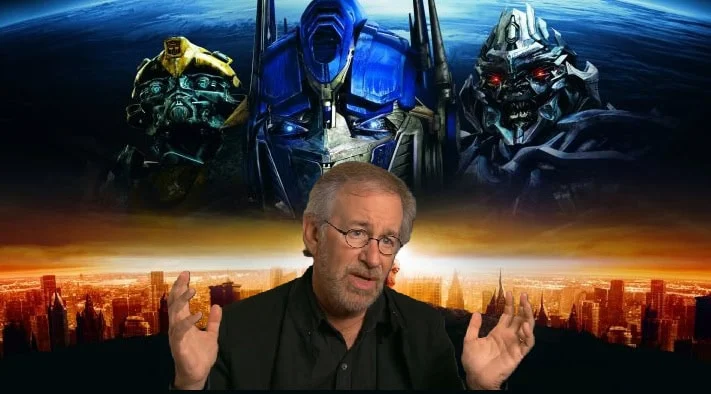
In a stunning development that is already sending shockwaves through Hollywood, Paramount Pictures and Hasbro are officially getting the original band back together. Cinematic icon Steven Spielberg has been tapped to serve as the primary creative producer for a brand-new Transformers feature film, while franchise pioneer Michael Bay is currently in early talks to return to the director’s chair.
According to industry reports, the high-profile shake-up at Paramount—prompted by the much-publicized merger and creation of the new Skydance media conglomerate—has reignited studio ambitions for their most lucrative intellectual properties. Paramount is reportedly looking to replicate the hands-on producing formula that Spielberg brought to 2007’s groundbreaking Transformers and its massive 2009 sequel, Transformers: Revenge of the Fallen. Should negotiations finalize, Michael Bay will return to helm what would be his sixth official installment in the legendary "robots in disguise" franchise.
Sources close to the production indicate that Spielberg will work side-by-side with long-time franchise producer Lorenzo di Bonaventura, injecting a renewed sense of blockbuster storytelling craftsmanship into the universe. The catalyst for Bay’s potential return appears to be a powerful combination of talent and material: the Bad Boys and Ambulance director was reportedly hooked after reading a fresh, compelling screenplay penned by Jason Fuchs (It: Welcome to Derry), followed by a crucial, high-stakes creative meeting with Spielberg earlier this week.
Chronology: Tracing the Evolution of the Franchise
To understand the magnitude of this reunion, one must look back at the historical timeline of the live-action Transformers cinematic universe, which has experienced massive cultural highs and critical lows over the last two decades.
2007–2009: The Golden Era of the Partnership
When the original Transformers film roared into theaters in the summer of 2007, it redefined modern blockbuster filmmaking by successfully blending cutting-edge CGI with a sense of Spielbergian wonder and scale. Spielberg’s creative fingerprints—focusing on grounded human emotion alongside larger-than-life spectacle—were unmistakable. This winning formula continued with Transformers: Revenge of the Fallen in 2009. While critically polarized, both films were absolute juggernauts at the global box office, establishing a lucrative blueprint for modern toy-to-screen adaptations.

2011–2017: The Divergence and Diminishing Returns
Following the first two films, Spielberg stepped back from a day-to-day, hands-on creative role, retaining merely an executive producer credit on subsequent sequels (Dark of the Moon, Age of Extinction, and The Last Knight). Without Spielberg’s direct narrative oversight, critics and audiences alike noted a distinct shift in the franchise. The series gradually devolved into bloated, exposition-heavy spectacles dominated by endless CGI destruction and rapidly diminishing narrative returns, culminating in the critical and commercial fatigue surrounding 2017’s The Last Knight.
2018–2024: The Era of Reworks and Prequels
Desperate to course-correct, Paramount and Hasbro attempted to pivot. They handed the keys to new filmmakers, resulting in the critically praised, smaller-scale prequel Bumblebee (2018) and the 1990s-set Transformers: Rise of the Beasts (2023). While these films represented a distinct uptick in critical quality compared to the later Bay sequels, they failed to recapture the monumental box office peaks of the original trilogy.
Late 2026: The Skydance Merger and the Great Reunion
Following the massive corporate restructuring and creation of the new Skydance-backed Paramount, studio executives re-evaluated their IP strategy. Recognizing that nostalgia and proven blockbuster pedigree remain the ultimate currency in modern Hollywood, Paramount initiated talks to reunite the original creative trinity of Spielberg, Bay, and di Bonaventura, setting the stage for this blockbuster announcement.
Supporting Data: Box Office Performance and Financial Realities
A financial autopsy of the Transformers franchise reveals precisely why Paramount Pictures is making such a dramatic nostalgic play. While critics often favored the recent soft reboots, the cold reality of the global box office tells a more complex story.
| Film Title | Release Year | Director | Worldwide Gross | Critical Reception (Rotten Tomatoes) |
|---|---|---|---|---|
| Transformers | 2007 | Michael Bay | ~$709 Million | 57% |
| Transformers: Revenge of the Fallen | 2009 | Michael Bay | ~$836 Million | 20% |
| Transformers: Dark of the Moon | 2011 | Michael Bay | ~$1.12 Billion | 35% |
| Transformers: Age of Extinction | 2014 | Michael Bay | ~$1.10 Billion | 18% |
| Transformers: The Last Knight | 2017 | Michael Bay | ~$605 Million | 16% |
| Bumblebee | 2018 | Travis Knight | ~$467 Million | 91% |
| Transformers: Rise of the Beasts | 2023 | Steven Caple Jr. | ~$441 Million | 52% |
As the numbers clearly demonstrate, while 2017’s The Last Knight was widely panned by critics and considered a disappointment domestically, it still grossed significantly more worldwide ($605 million) than subsequent high-critical-approval reboots like Bumblebee ($467 million) and Rise of the Beasts ($441 million).
Paramount’s leadership faces a classic Hollywood dilemma: how to combine the high-octane visual spectacle that guarantees massive international box office grosses (a hallmark of Michael Bay’s direction) with the narrative cohesion and heart that made the original 2007 film a cultural phenomenon (the distinct contribution of Steven Spielberg).
Official Responses and Industry Reactions
Reaction from Hollywood insiders, talent agencies, and devoted fandoms has been swift and overwhelmingly passionate.
Industry analysts point out that Steven Spielberg’s active, hands-on return as a creative producer is the ultimate stamp of approval. Spielberg is famously protective of his projects; his direct involvement signals to the creative community that this new installment will not merely be a cynical cash-grab, but a carefully curated cinematic event.
Meanwhile, Michael Bay—who has spent recent years directing independent-spirited action features like Ambulance—has reportedly expressed genuine enthusiasm after reviewing Jason Fuchs’ script. Insiders indicate that Fuchs, known for his work on It: Welcome to Derry and Wonder Woman, has crafted a narrative that successfully honors the lore of Hasbro’s extensive universe while providing the high-stakes emotional beats that Spielberg has historically championed.
Long-time producer Lorenzo di Bonaventura, who has weathered every storm of the franchise from its 2007 inception to its recent animated outings, is expected to steady the ship alongside Spielberg, ensuring a smooth production pipeline under the newly minted Skydance-Paramount banner.
Implications for the Future of the Franchise
What does the reunion of Spielberg, Bay, Fuchs, and di Bonaventura mean for the future of entertainment?
First and foremost, it signals a massive vote of confidence from the newly restructured Paramount-Skydance entity. In an era where superhero fatigue has opened the door for alternative franchise dominance, studios are returning to trusted blockbuster auteurs. By bringing back the heavyweights who built the modern industrial blockbuster model, Paramount is sending a clear message to competitors: they are gunning for absolute box office supremacy.
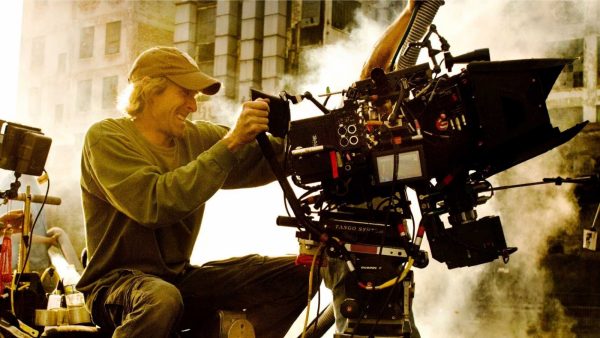
Secondly, this move bridges a generational divide among fans. The generation that grew up watching the 2007 Transformers in theaters is now entering prime spending age, making nostalgia a powerful marketing weapon. At the same time, bringing back Michael Bay ensures that the visceral, jaw-dropping destruction, kinetic camera movements, and scale-heavy action set-pieces that defined the brand will return with a vengeance.
Ultimately, if Spielberg can successfully infuse his legendary sense of wonder back into the mechanical heart of the Transformers universe, and if Michael Bay can channel his absolute best visual wizardry through Jason Fuchs’ script, the upcoming sixth installment could very well rewrite the rules of modern franchise filmmaking. The robots in disguise may be gearing up for their greatest cinematic comeback yet.
