ESPN Ushers in a New Era of Sports Broadcasting with 4K HDR Rollout for Flagship Networks
By Tech Desk & Broadcast Analysts Published: October 24, 2023
Main Facts: The Transition to Ultra-High Definition
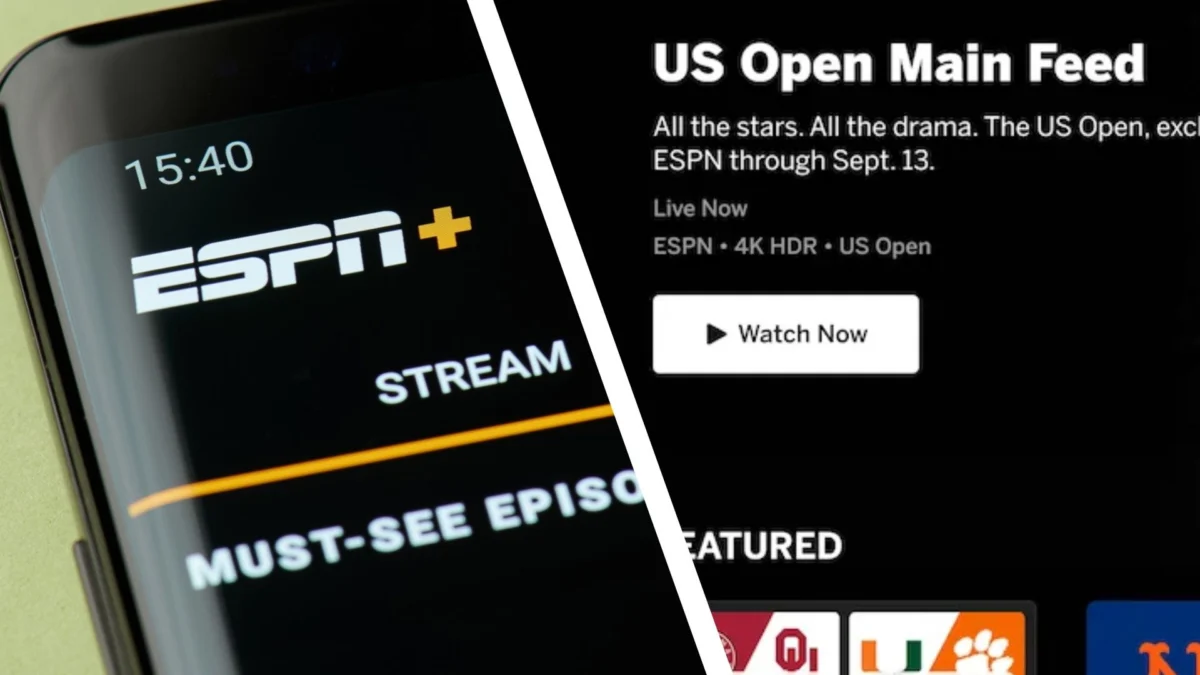
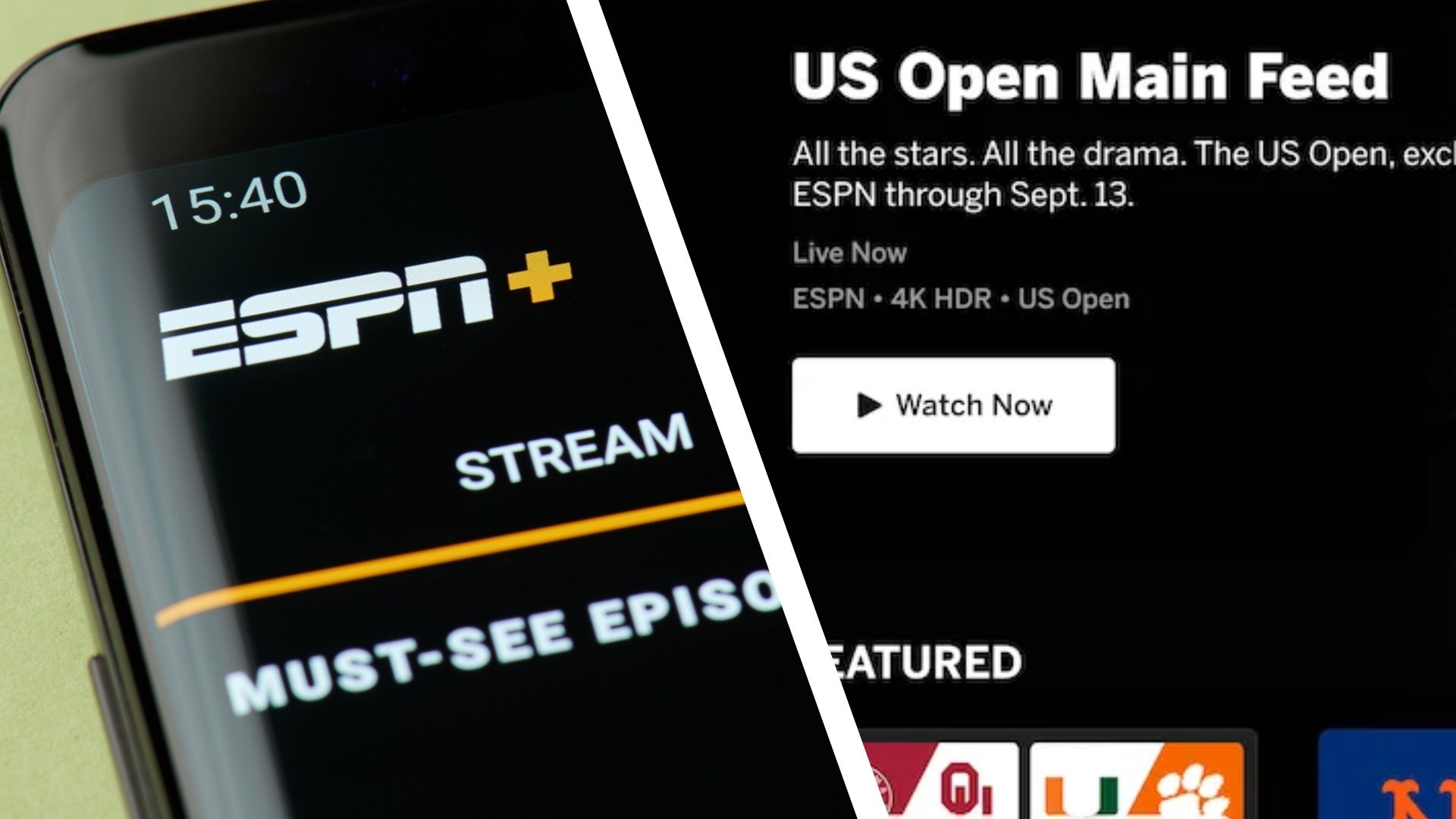
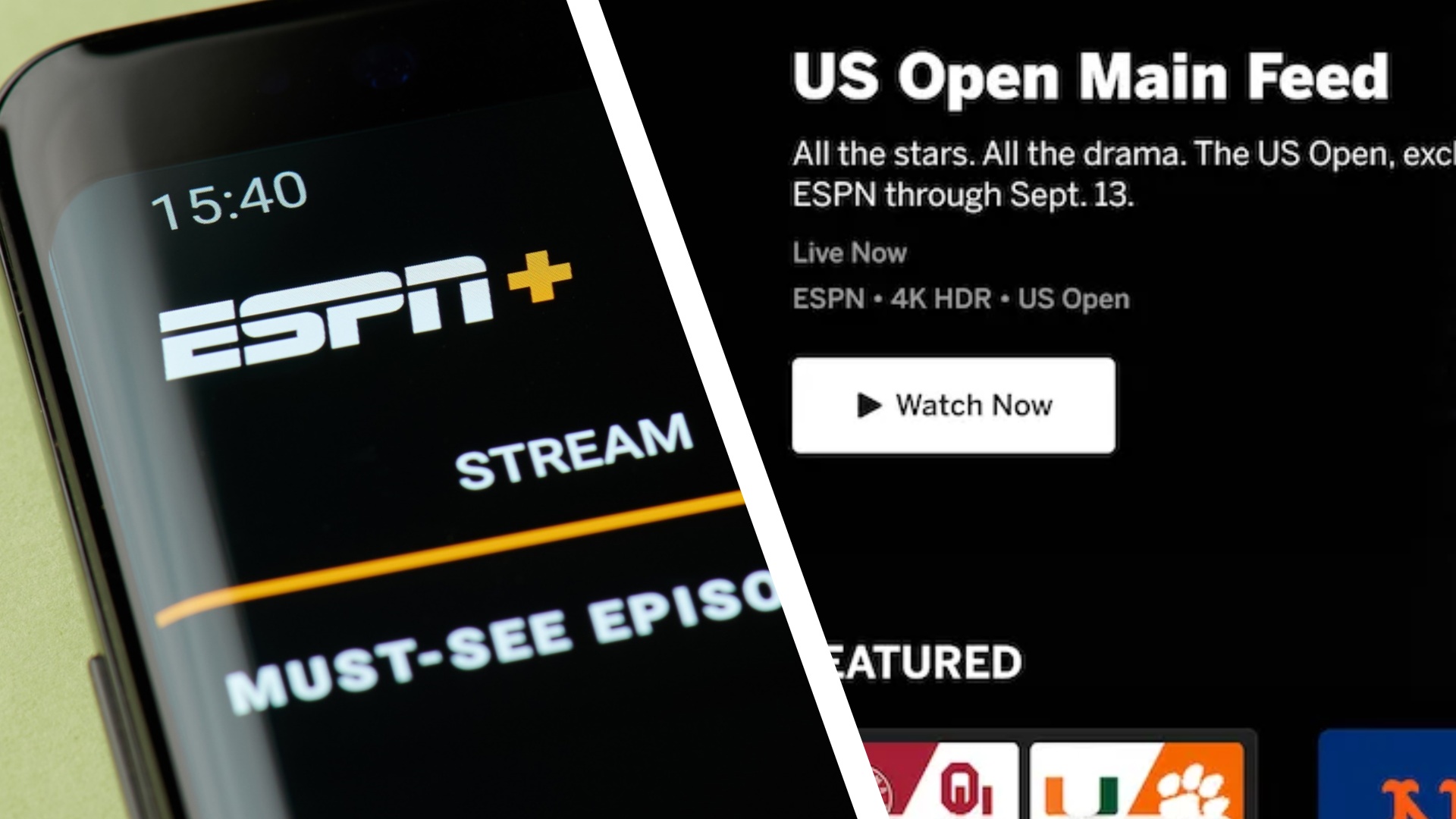
In a landmark shift for American sportsbroadcasting, ESPN has officially announced the rollout of full-time 4K HDR (High Dynamic Range)streaming support for its flagship channels, ESPN and ESPN2. This monumental technical upgrade promises to completely transform how millions of fans consume major sporting events—ranging from Monday Night Football and marquee NBA and NHL matchups to elite collegiate sports, premier tennis tournaments like the US Open, and high-stakes spectacles such as the Super Bowl.
According to initial press statements released by the network, the primary catalyst behind this multi-million-dollar infrastructure overhaul is the demand for a pristine visual presentation. ESPN promises that the new format will deliver "clearer edges, sharper colors, and smoother movement." These enhancements are not merely aesthetic; they are critically important for high-velocity sports, allowing viewers to track fast-moving objects, read jersey numbers, and experience stadium lighting with unprecedented clarity.
Currently, the feature is live for users utilizing the ESPN app on Apple’s iOS and tvOS ecosystems, prominently including the powerful Apple TV 4K. However, this localized deployment is merely the vanguard of a broader strategy. ESPN has confirmed that additional connected TV platforms—alongside integration into Disney+ for US-based ESPN Unlimited subscribers—will receive the update in stages throughout the fall, culminating in a wide-scale presence ahead of Super Bowl LXI.
Chronology: The Journey to Full-Time 4K HDR
The path to integrating true 4K HDR into linear and digital sports distribution has been a long and technically demanding process for traditional broadcasters.
Early Experiments (Pre-2022): For years, ESPN offered intermittent, piecemeal 4K broadcasts, often limited to specialized events through select cable and satellite providers, or requiring complex separate channel loops (such as "ESPN 4K"). These broadcasts were often plagued by limited device compatibility and inconsistent framerates.
The Streaming Paradigm Shift (2022–2023): As cord-cutting accelerated and streaming platforms like Amazon Prime Video (Thursday Night Football) and Apple TV+ (MLS Season Pass) raised the bar for ultra-high-definition streaming, legacy sports networks faced mounting pressure to modernize their legacy broadcast architectures.
Infrastructure Modernization (2023–2025): Rather than executing a simple software patch, ESPN quietly invested heavily in rebuilding its end-to-end signal chain. This involved upgrading field capture cameras, modernizing contribution links, and re-engineering cloud-based encoding pipelines to handle the massive data loads associated with uncompressed 4K video feeds paired with HDR metadata.
The Apple Ecosystem Launch (Late 2023): ESPN flipped the switch on its new 4K HDR pipeline, targeting Apple TV 4K and iOS users as the initial testing ground. This controlled environment allowed engineers to stress-test the new codecs and content delivery networks (CDNs) under live traffic conditions.
The Road Ahead (Fall 2025 and Beyond): The rollout is scaling rapidly. Over the coming months, ESPN plans to introduce the capability to other major smart TV operating systems, digital pay-TV providers, and linear distribution channels, aiming for ubiquitous 4K HDR availability by the time Super Bowl LXI kicks off.
Supporting Data: Understanding the Technical Leap
To appreciate the magnitude of ESPN’s announcement, one must examine the fundamental differences between legacy High Definition (HD) and the newly implemented Ultra High Definition (UHD) HDR standard.
Technical Parameter
Legacy HD Standard (720p/1080i)
New ESPN 4K HDR Standard
Resolution
1280×720 or 1920×1080 pixels
3840×2160 pixels (4K)
Color Depth
Standard Dynamic Range (SDR)
High Dynamic Range (HDR) with expanded color gamut
Bitrate Requirements
~5 to 8 Mbps
~15 to 25+ Mbps (adaptive streaming)
Visual Enhancement
Baseline clarity; motion blur on fast tracking
Sharper edges, vibrant lighting contrast, deep shadows
Primary Launch Devices
Universal legacy cable boxes, older smart TVs
Apple TV 4K, iOS devices (expanding to Roku, Fire TV, etc.)
The transition from standard dynamic range to HDR is arguably more impactful for live sports than the jump in pixel count alone. While 4K quadruples the number of pixels on screen compared to 1080p, HDR significantly increases the contrast ratio and color palette.
In a live stadium setting—where harsh stadium floodlights cast intense glares while players move rapidly through deep shadows—HDR ensures that details in both the brightest highlights (like a quarterback’s white jersey under direct lights) and darkest recesses (such as the shadowed turf under the stadium overhang) remain visible and saturated with true-to-life color fidelity.
Official Responses and Strategic Vision
ESPN executives have been vocal about the technical hurdles that delayed this rollout, emphasizing that this was not simply a matter of flipping a switch on an existing video player.
"This update will deliver clearer edges, sharper colors, and smoother movement—all critically important for delivering a richer and more immersive viewing experience for sports fans," stated ESPN in its official network release.
Explaining the intricate engineering behind the phased deployment, ESPN elaborated on the extensive overhaul required to upgrade its workflow:
"The introduction of 4K HDR marks an important milestone to modernize ESPN’s content distribution pipeline from the ground up. Delivering 4K HDR full-time on ESPN and ESPN2 required coordinated investment across every stage of the signal chain—from capturing live events with sufficient resolution and dynamic range to decoding the data in the app to show on your screen."
Furthermore, the network highlighted that this modern architecture is designed to bridge the gap between traditional television and modern streaming services:
"This new foundation sets the stage for us to deliver best-in-class experiences across both linear and streaming distribution—serving our sports fans. Anytime. Anywhere."
While the initial rollout is heavily focused on domestic U.S. consumers—with integration planned for both traditional pay-TV operators and digital distributors—Disney and ESPN have yet to outline a definitive timeline for international deployment. Observers note that international markets will likely follow once the U.S. infrastructure has proven its stability under peak loads, such as during the upcoming college football playoffs and the Super Bowl.
Implications for the Broadcasting Industry and Consumers
The permanent introduction of 4K HDR to ESPN and ESPN2 carries profound implications for the wider media landscape, sports leagues, and home theater enthusiasts.
1. Pressure on Competing Networks
For years, sports fans have complained about the disparity in picture quality between niche streaming platforms and major broadcast networks. With ESPN committing to full-time 4K HDR for premier properties like Monday Night Football, rival legacy networks face mounting consumer expectations to match this technological benchmark. Fox Sports has historically championed 4K broadcasts for major events like the World Series and NFL games, but ESPN’s commitment to a full-time schedule across multiple properties sets a new industry baseline.
2. Hardware Market Stimulation
The rollout is expected to act as a significant tailwind for the consumer electronics market. As viewers realize that their current streaming devices or older television sets cannot unlock ESPN’s new high-end streams, demand for capable hardware—such as the Apple TV 4K, high-end Roku boxes, Amazon Fire TV Cubes, and modern 4K OLED/QLED smart TVs—will likely see a seasonal surge. To assist consumers in navigating these upgrades, tech analysts and retail platforms are increasingly emphasizing automated TV sizing and capability guides to ensure buyers get hardware that can natively process high-bitrate HDR feeds.
3. Bandwidth and Network Infrastructure Challenges
Streaming uncompressed or lightly compressed 4K HDR content to millions of concurrent users places an unprecedented strain on Internet Service Providers (ISPs) and Content Delivery Networks (CDNs). A single live NFL game streaming in 4K HDR can consume massive amounts of household bandwidth. While adaptive bitrate streaming mitigates buffering for users with slower connections, households will increasingly need robust fiber-optic or high-speed cable internet packages to experience these broadcasts at their absolute highest quality.
4. The Future of the "Anytime, Anywhere" Fan Experience
Ultimately, ESPN’s infrastructure overhaul signals the death knell for standard-definition sports broadcasting. As sports consumption habits shift permanently toward multi-device, hybrid viewing models—where fans switch seamlessly between living room television sets, tablets, and smartphones—having a unified, high-fidelity pipeline ensures that the quality of the broadcast remains uncompromised regardless of screen size.
As the rollout expands to platforms like Roku, Amazon Fire TV, Google TV, and smart TV operating systems from Samsung and LG over the coming months, sports fans stand on the precipice of a visually stunning new era. Whether sitting in a living room or streaming on a mobile device on-the-go, the way we watch the game is changing forever.