
Sixty Years of the Final Frontier: How Star Trek Invented Modern Fandom and Continues to Shape Pop Culture
By Global Entertainment Desk
Published: October 14, 2026
Main Facts: The Enduring Legacy of an Iconic Franchise
Sixty years after the U.S.S. Enterprise first warped across television screens, Star Trek stands as an unshakeable pillar of modern popular culture. While countless modern entertainment intellectual properties—from the sprawling cinematic universes of Marvel and DC to the galactic space opera of Star Wars—command millions of dedicated followers, Star Trek remains the undisputed gold standard for inclusivity, social progress, and cross-generational passion.
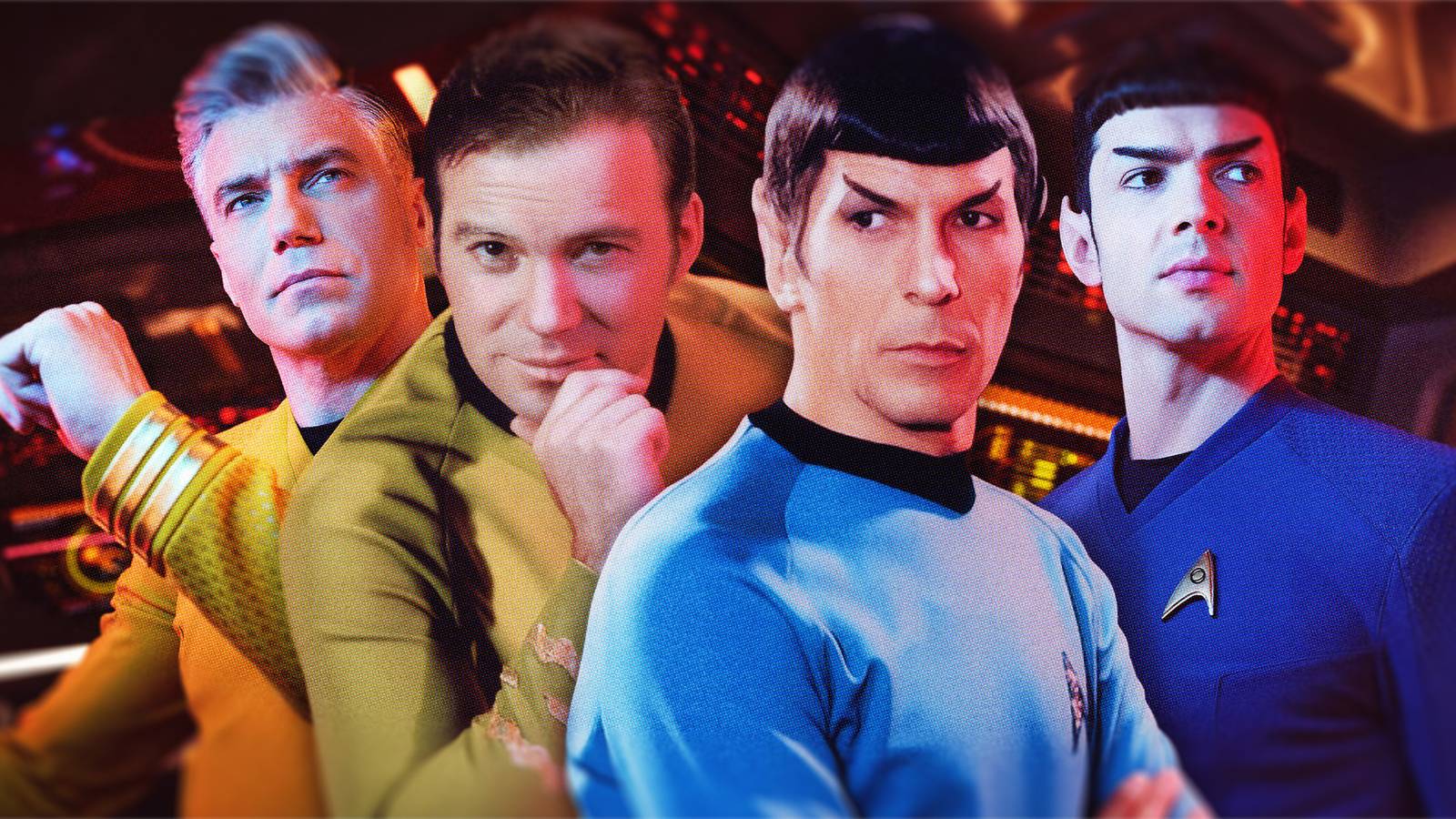
What began in 1966 as a modest, three-season television experiment encompassing just 79 episodes has evolved into a sprawling multimedia juggernaut. Today, the franchise spans a dozen television series, 14 feature films, countless novels, comic books, video games, and a vibrant global merchandise ecosystem. Yet, the true defining characteristic of Star Trek is not merely its longevity or commercial footprint, but its symbiotic relationship with its audience. Trekkers did not just watch history; they wrote it, saved it, and ultimately helped invent modern fandom as we know it today.
Chronology: From the Brink of Cancellation to a Global Phenomenon
The history of Star Trek is a masterclass in grassroots devotion and cultural persistence:

- 1966–1969 (The Original Series Era): Created by Gene Roddenberry, Star Trek: The Original Series struggled in the ratings during its initial broadcast on NBC, facing imminent cancellation multiple times.
- The Late 1960s (The Saving Campaign): Spearheaded by devoted fans Bjo and John Trimble, a massive letter-writing campaign flooded NBC networks, successfully pressuring the studio to greenlight a third season and cementing a culture of fan participation.
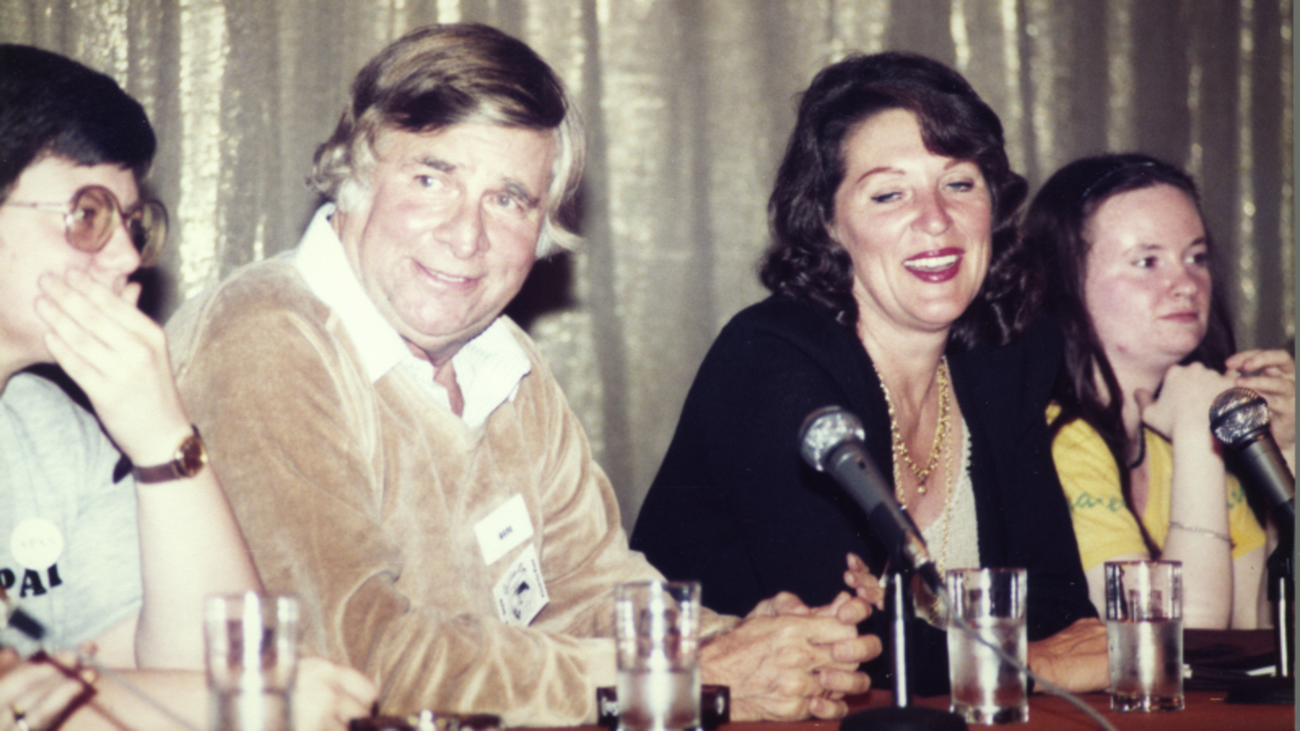
- 1969–1972 (The Birth of Organized Conventions): Regional gatherings began to pop up across the United States—including a notable March 1, 1969 event at the Newark Public Library organized by Sherna Comerford and Devra Langsam, leading directly to the first officially recognized Star Trek convention in 1972.
- 1979–2000s (The Renaissance): Following the monumental transition to feature films beginning with Star Trek: The Motion Picture (1979), the franchise expanded exponentially through The Next Generation, Deep Space Nine, Voyager, and Enterprise.
- 2009–Present (The Streaming and Cinematic Expansion): J.J. Abrams’ 2009 film reboot introduced a new generation of viewers, paving the way for the Paramount+ television era featuring shows like Discovery, Picard, Strange New Worlds, and Lower Decks.
Supporting Data: The Scale of the Star Trek Ecosystem
The empirical footprint of the Star Trek universe illustrates a cultural phenomenon that stretches far beyond traditional media consumption:
- Television and Film Output: The franchise encompasses 12 distinct television series (including animated projects and shorts) and 14 theatrical motion pictures, with additional projects currently in early development.
- Convention Attendance: Major gatherings like Creation Entertainment’s annual STLV: Trek to Vegas draw thousands of international attendees. The 2026 milestone convention featured over 200 celebrity guests celebrating the franchise’s 60th anniversary.
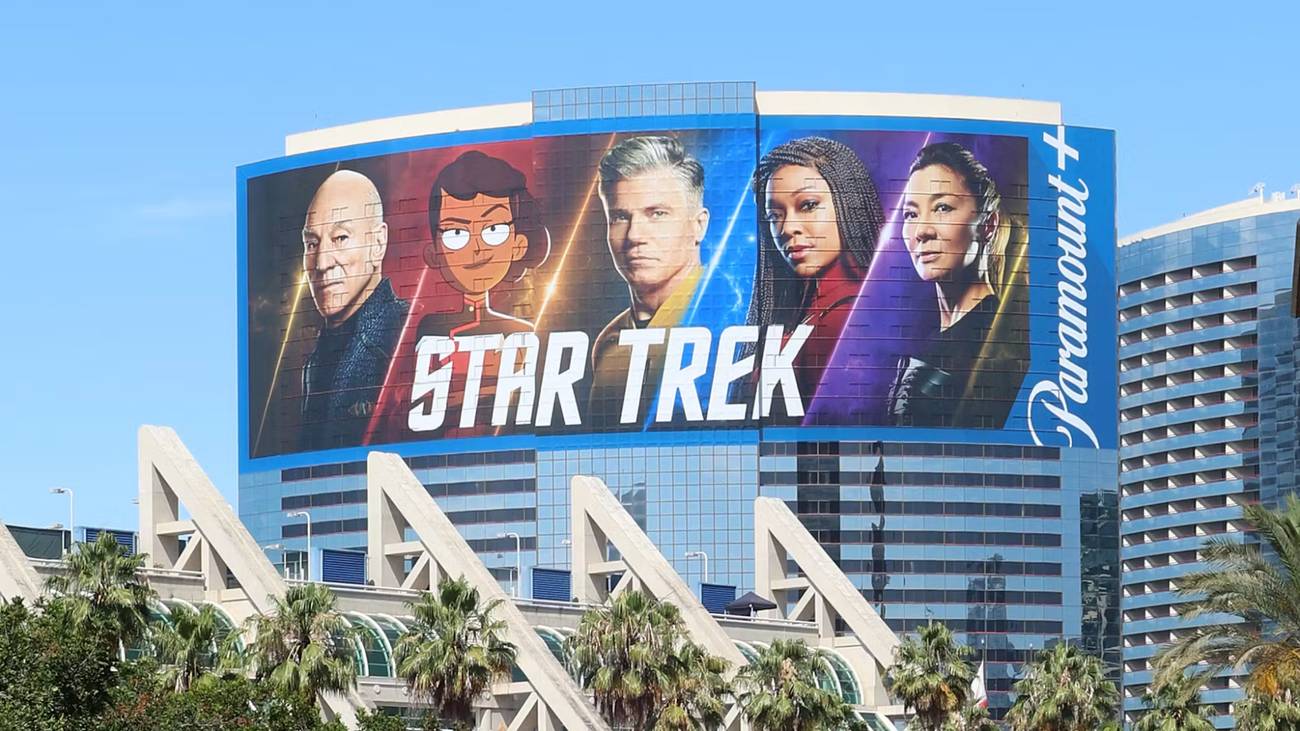
- Major Crossover Success: At premier events like San Diego Comic-Con (SDCC)—which regularly attracts over 150,000 attendees—Star Trek maintains a massive presence, highlighted by its traditional 6,000-seat Hall H panels and the iconic multi-story hotel banner overlooking the San Diego Marriott Marquis & Marina.
- Community Groups: Independent organizations such as the Los Angeles Away Team (LAAT) foster ongoing, low-barrier social communities where fans gather to celebrate science fiction without formal membership requirements or mandatory cosplay.
Official Responses and Insights from Industry Leaders
Key figures within the entertainment industry and the Star Trek production ecosystem have reflected on how the franchise laid the groundwork for contemporary fan culture:
John Champion, producer and co-host of Mission Log: A Roddenberry Star Trek podcast, emphasizes the deep connection between the show and its supporters. "Star Trek and its fandom are inextricable," Champion notes. "Trek fandom has always been about participation. Through fan fiction and fan films, meetups, conventions, blogs, books, and podcasts, [the fans] have helped shape what Star Trek means and what it can become."
David Glanzer, Chief Communications and Strategy Officer for San Diego Comic-Con, points out how drastically the entertainment landscape has shifted over the decades—often driven by Trek pioneers. "Everything has changed, including fandom. Information spreads quickly, clips and fan-supported media go viral," Glanzer says. Reflecting on the franchise’s permanent cultural imprint, he adds: "Even if they’re not necessarily a Star Trek fan, it has so become a part of our culture that I would probably be more surprised if I didn’t see Star Trek fandom represented as much as it is. Phrases like ‘Beam me up Scotty’ or ‘He’s dead, Jim’ have entered the lexicon."
Addressing the evolving nature of convention culture, Yez Ze Masc, leader of the LA Away Team, highlights the importance of accessibility. "Cons should not intentionally or unintentionally gatekeep fans in this way, by only showing certain types of cosplayers," Ze Masc cautions, noting that informal communities help alleviate the pressure sometimes felt by newer or non-cosplaying enthusiasts. "One of the main reasons that I appreciate LAAT and SDCC Away Team is that we do not require cosplay."
Implications: Navigating Franchise Transitions and the Road Ahead
As Star Trek approaches a transitional crossroads under the stewardship of Skydance and Paramount, the franchise faces unique structural changes. With cornerstone series like Star Trek: Strange New Worlds and Star Trek: Starfleet Academy navigating upcoming concluding blocks, and the timeline for new feature films remaining fluid, the IP is confronting a potential pause in its television pipeline.
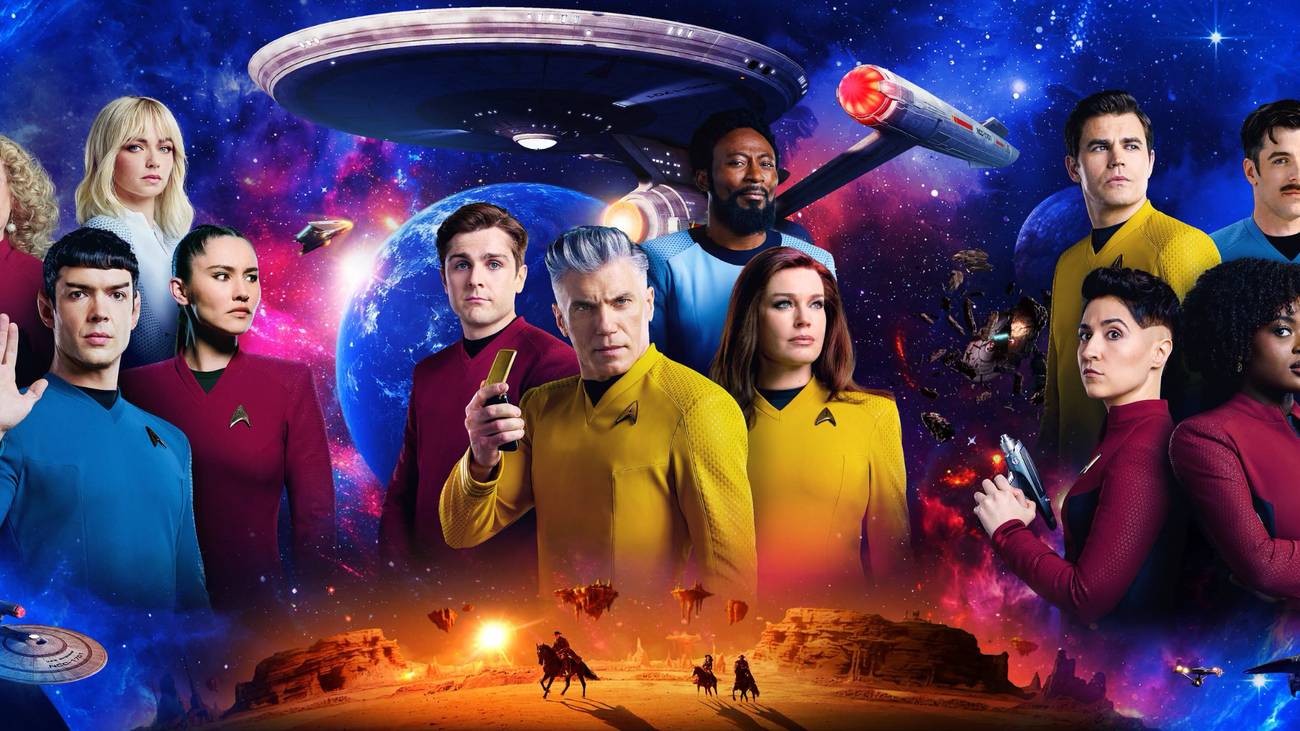
However, industry veterans and community leaders remain confident in the resilience of the fan base. Glanzer points to past disruptions, such as the 2023 WGA and SAG-AFTRA strikes, to illustrate that physical pop-culture ecosystems thrive on multi-platform engagement—including publishing, tabletop and digital gaming (such as Star Trek Online and Star Trek: Shadow Frontier), and grassroots community organizing.
Furthermore, historical precedent proves that Trek fans possess a rare capacity to alter the course of corporate decision-making. From rescuing the original series in the 1960s to championing Anson Mount’s Captain Pike into the creation of Strange New Worlds, and successfully running banner campaigns to rescue Star Trek: Prodigy, the audience remains an active co-creator of the universe.
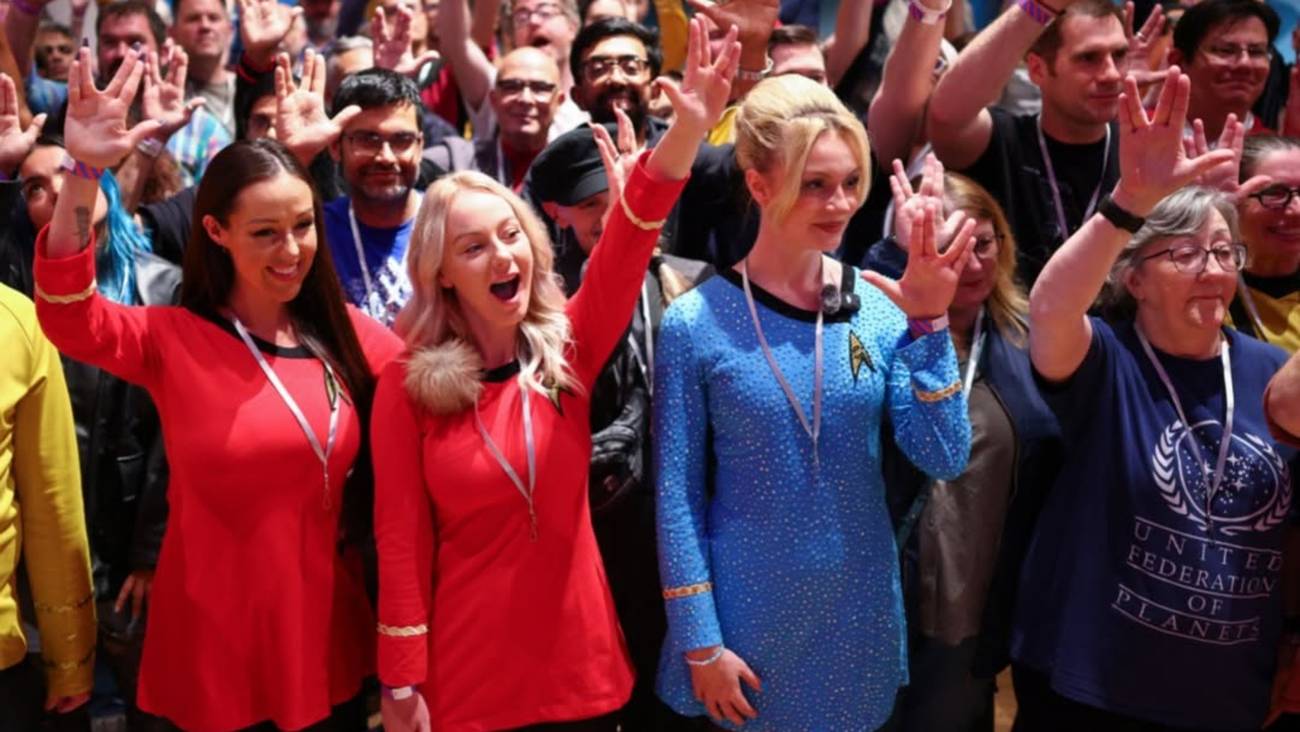
As the franchise celebrates its diamond anniversary under the banner theme "Space for Everybody"—a direct nod to the core philosophy of Infinite Diversity in Infinite Combinations (IDIC)—the human element remains its greatest asset. In the words of John Champion: "As long as Star Trek keeps asking ‘what if?’ in ways that reach into the human experience, its fans will keep finding new ways to answer."
