
Anatomy of an HBO Masterpiece: The 10 Greatest Guest Stars on The Sopranos, Ranked
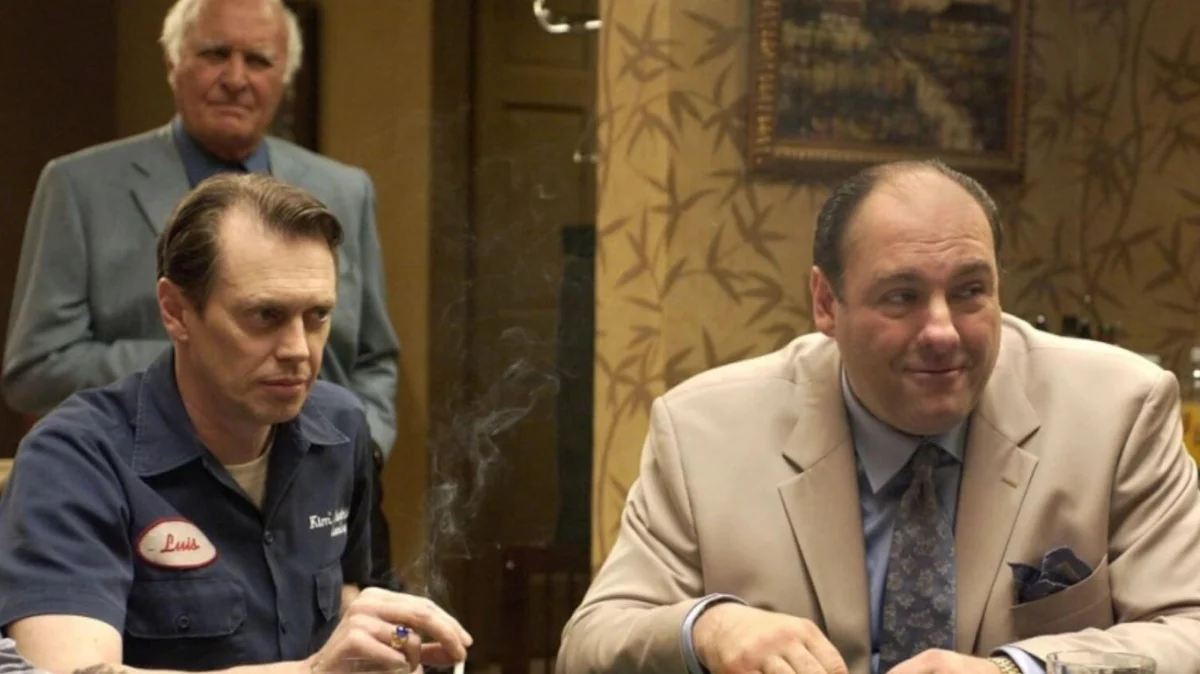
NEW YORK — Decades after fading to black at Holsten’s diner, David Chase’s groundbreaking HBO masterpiece The Sopranos remains a watershed moment in television history. Credited with sparking the Golden Age of prestige TV, the series relied not only on its legendary core cast—anchored by the late James Gandolfini’s immortal portrayal of mob boss Tony Soprano—but also on a rotating roster of high-profile guest stars and recurring players.
For many actors, stepping onto the set of The Sopranos was a double-edged sword. It offered an unparalleled masterclass in acting alongside titans of the craft, but it frequently ended in brutal fashion: a trip to the Jersey pine barrens, a sudden execution, or the quiet, systematic destruction of a normal life. Whether they survived for a single episode or spanned multiple seasons, these guest stars did not merely cameo; they fundamentally challenged Tony Soprano’s worldview, exposed the collateral damage of his orbit, and elevated the series into the upper echelon of dramatic art.
Here is the definitive ranking of the 10 best guest stars across The Sopranos’ six-season run, evaluated by narrative impact, thematic resonance, economy of screen time, and performance.
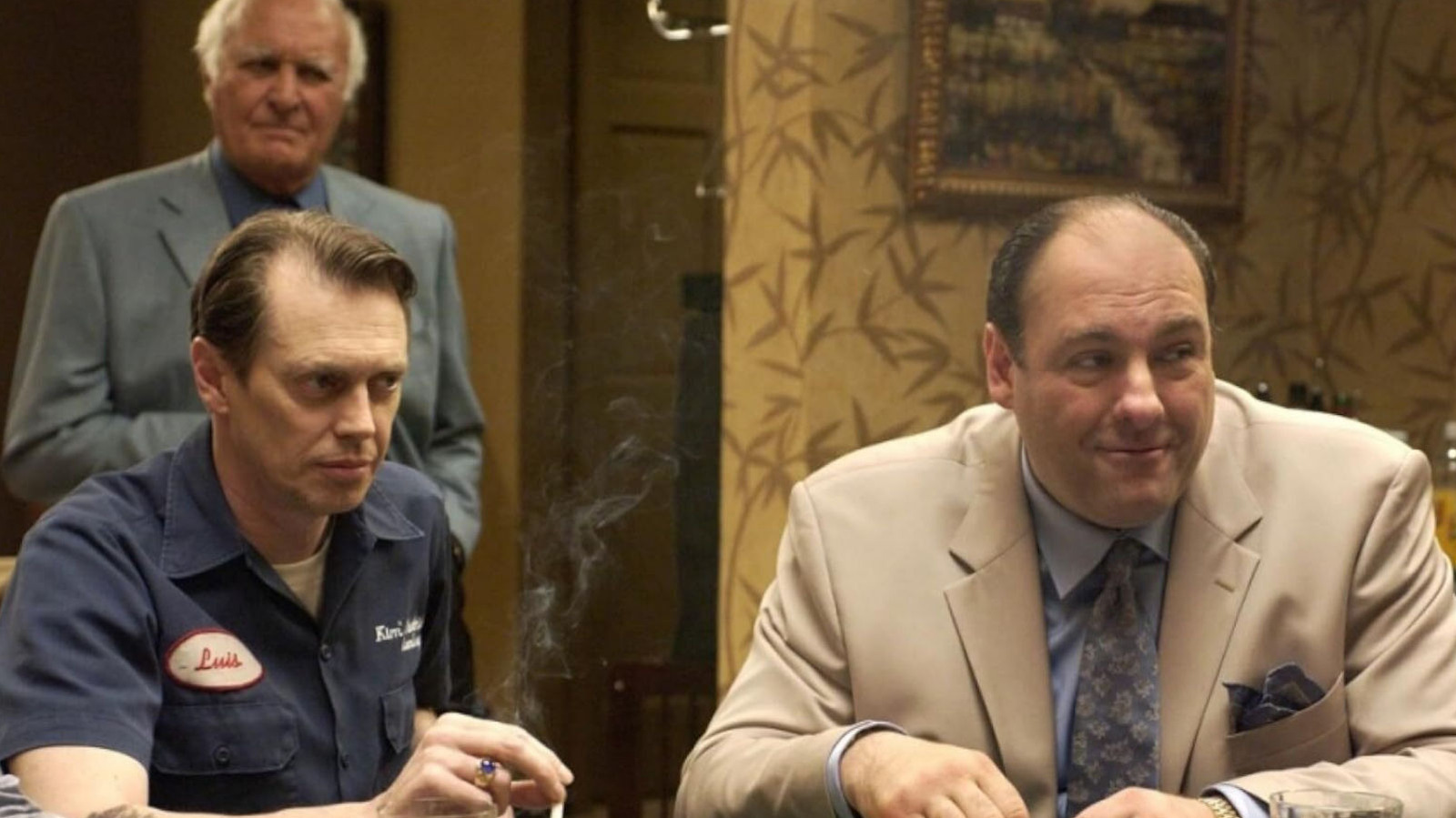
Main Facts: The Anatomy of a Sopranos Guest Star
To understand why guest stars on The Sopranos hit with such seismic force, one must understand the show’s central premise: Tony Soprano as a black hole of toxic masculinity, capitalism, and violence.
- The Starmaker Engine: Long before Hollywood A-listers or future Oscar winners sought out the series, the show was quietly launching early careers—including a memorable, blink-and-you-miss-it appearance by a young Michael B. Jordan in Season 1.
- The Death Sentence: Established actors brought onto the show were rarely granted safe passage. To illustrate the inescapable cruelty of organized crime, writers frequently used guest characters to map out the collateral damage left in Tony’s wake.
- The Evaluation Metric: This retrospective ranking weighs the sheer weight of the narrative arc, the philosophical and moral themes explored, the depth of characterization achieved within limited screen time, and the caliber of the performances.
Chronology of Greatness: The 10 Best Guest Stars, Ranked
10. Ben Kingsley (Season 6, Episode 7: "Luxury Lounge")
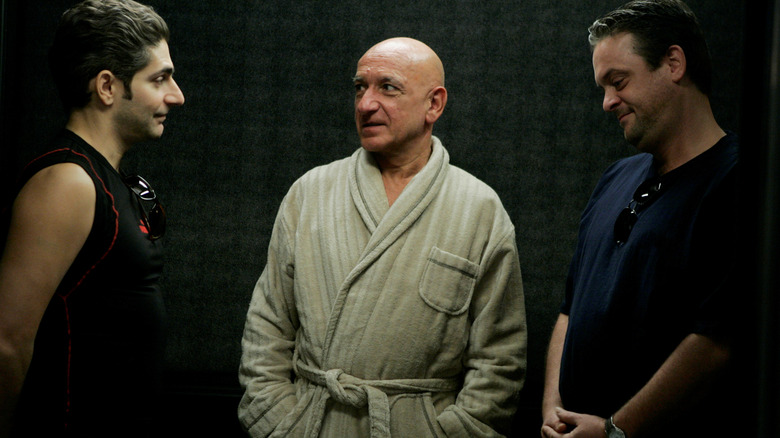
The Sopranos was frequently meta, but few celebrity self-parodies landed with as much comedic and psychological precision as Sir Ben Kingsley’s appearance in Season 6. Christopher Moltisanti (Michael Imperioli) and "Little" Carmine Lupertazzi Jr. (Ray Abruzzo) fly to Los Angeles to pitch a low-rent mob horror film titled Cleaver to the newly knighted actor.
Kingsley’s performance is a masterclass in polite, thinly veiled exasperation. He is appropriately unimpressed by a pitch that lacks both a script and a director, yet his desperate pursuit of the titular "Luxury Lounge" (where VIPs scavenge for free high-end gifts) hilariously skewers Hollywood superficiality and his own public image at the time. Rather than feeling like a cheap, distracting cameo, Kingsley leaned into the joke with a deadpan commitment that added genuine texture to the episode.
9. Charles S. Dutton (Season 3, Episode 3: "Another Toothpick")
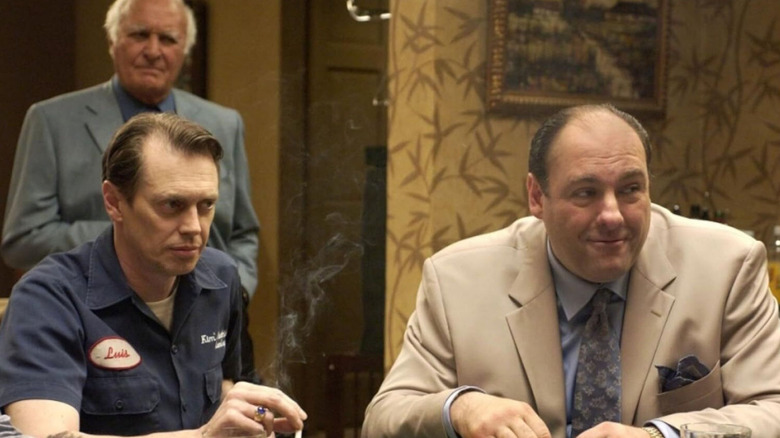
Few characters exposed the moral rot of Tony Soprano quite as efficiently as Officer Leon Wilmore. Played with quiet dignity by three-time Emmy Award winner Charles S. Dutton, Wilmore is a highway patrolman who refuses to accept a bribe after pulling Tony over for speeding. In retaliation, Tony leverages his political connections—specifically crooked assemblyman Ronald Zellman—to derail the officer’s career, eventually crossing paths with Wilmore working a low-wage retail job.
Dutton serves as the ultimate immovable object meeting an unstoppable, sociopathic force. While Wilmore’s integrity doesn’t stop Tony, it visibly disturbs him. In a final, desperate bid to purge his own guilt, Tony attempts to hand Wilmore a lavish cash tip while buying a lawn ornament. Wilmore instantly recognizes it for what it is: a continuation of the bribe. He walks away, leaving Tony stranded in his own moral wasteland.
8. Robert Loggia (Season 5: Feech La Manna)
Feech La Manna loomed large over the mythology of The Sopranos as a ghost of the DiMeo family’s glory days—specifically tied to the legendary card game robbery that made Tony and Jackie Aprile’s reputations. When Robert Loggia finally stepped into the role in Season 5 following a 20-year prison stint, he brought immediate, dangerous weight to the screen.
Feech’s storyline served as a tragic, cautionary mirror to Tony Blundetto (Steve Buscemi). While Blundetto tried and failed to walk the straight and narrow, Feech returned to crime simply because it was the only reality he understood. However, the world had fundamentally changed: the kid he once shook down was now the boss, and Feech was an entitled, out-of-touch relic. By the time Tony orchestrates his return to prison via a clever parole violation, Feech’s removal feels less like a hit and more like a harsh, forced retirement.
7. Sydney Pollack (Season 6, Episode 11: "Cold Stones")
Though his screen time was brief, legendary Academy Award-winning director and actor Sydney Pollack delivered a masterclass in understated tragedy as Warren Feldman, an imprisoned physician working as an orderly in the prison ward housing a cancer-stricken John Sacrimoni (Vincent Curatola).
Feldman is a murderer; Johnny Sack is a murderer. Yet, within the sterile confines of the prison ward, they find a twisted humanity in one another. Feldman provides medical care with a bedside manner that far surpasses the cold indifference of the prison’s official doctors, treating Johnny like a human being when the rest of the world has written him off. Airing just over a year before Pollack’s passing from cancer in 2008, the role stands as a poignant, bittersweet farewell from a cinematic icon.
6. Burt Young (Season 3, Episode 3: "Another Toothpick")
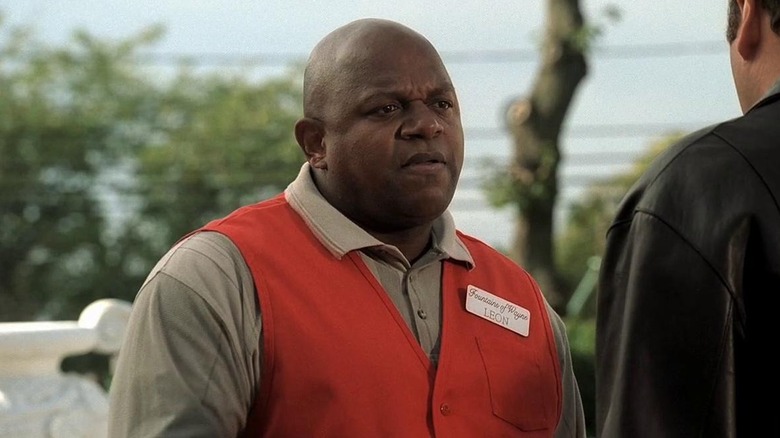
In the same episode that features Charles S. Dutton’s upright patrolman, Tony Soprano commits one of his most quietly despicable acts: forcing an aging, emphysematous Bobby Baccalieri Sr. (Burt Young) out of semi-retirement to execute a hit on his own godson.
Young, permanently cemented in cinema history as Paulie in the Rocky franchise, plays Baccalieri Sr. as a man carrying the fiery, reckless energy of a young wiseguy trapped inside a failing, nicotine-ravaged body. He hacks through sentences, lights cigarette after cigarette, and completes the execution before even wiping the blood from his face. Young’s heartbreaking performance epitomizes the grim reality of the mob: in the waste management business, everyone—down to the loyal old guard—is ultimately disposable.
5. Robert Patrick (Season 2, Episodes 7 & 8: "The Happy Wanderer" & "Bust Out")
Prior to transforming into Davey Scatino, Robert Patrick was globally recognized as the cold, unyielding, liquid-metal cyborg villain of Terminator 2: Judgment Day. David Chase subverted this entire cinematic typecasting by casting Patrick as a warm, excitable, and deeply flawed childhood friend of Tony Soprano.
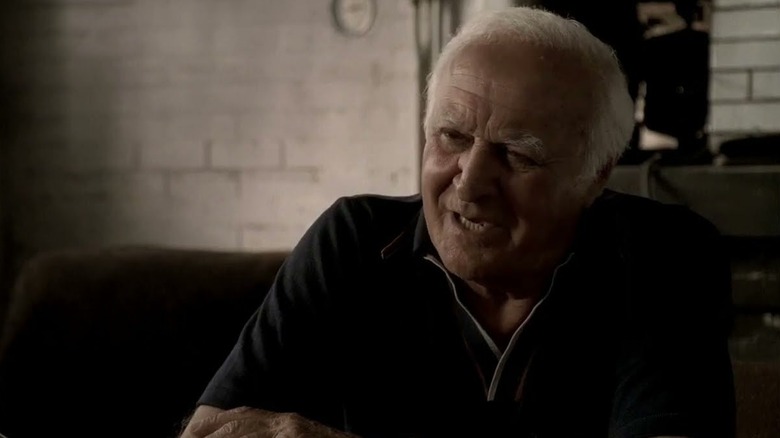
As Davey’s gambling addiction spirals out of control, dragging his business, finances, and family life into ruin, Patrick undergoes a harrowing transformation. Watching his confidence and optimism evaporate—culminating in a gut-wrenching sequence where he is reduced to a sobbing, broken wreck in the back of his own sporting goods store—makes for some of the most difficult viewing in television history. The performance extracted career-best work from James Gandolfini, who won his first Emmy for the arc.
4. Hal Holbrook (Season 6, Episode 3: "The Fleshy Part of the Thigh")
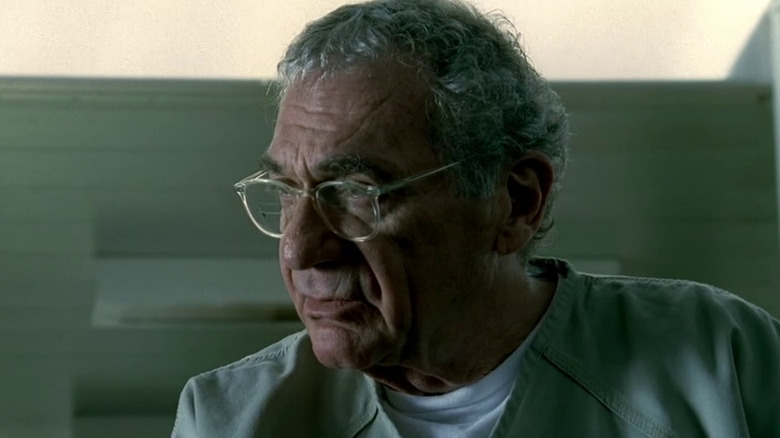
Following his near-death coma in Season 6, Tony Soprano crosses paths in the hospital with John Schwinn, a dying, philosophical scientist played with transcendent grace by Hal Holbrook. Struggling to process the vivid, destabilizing dreams he experienced while unconscious, Tony receives a profound monologue about the interconnectedness of all material things.
Schwinn explains that the perceived separation between individual objects is an illusion—a scientific framing of spirituality that pierces through Tony’s defenses far more effectively than Dr. Melfi’s psychoanalysis or traditional religion. For a brief moment, Tony glimpses the reality that his actions carry weight because he is part of a larger universe. The ultimate tragedy, however, is Tony’s limitations: he can intellectualize his connection to the beauty of the natural world, but he remains utterly blind to his complicity in human suffering.
3. Tim Daly (Seasons 5 & 6: J.T. Dolan)
Emmy-nominated actor Tim Daly brought immense depth to J.T. Dolan, a successful television writer whom Christopher Moltisanti meets in recovery. What begins as a supportive bond in a 12-step program curdles into exploitation when Christopher ropes J.T. into a high-stakes poker game, saddling him with insurmountable debts that trigger a devastating relapse.
J.T. serves as a dark mirror to Christopher: he is the successful, sober writer Christopher always wanted to be. Yet, when Christopher hits absolute rock bottom and seeks empathy from the one person he suspects might understand him, J.T. inadvertently shatters the illusion. Christopher shoots him dead in a chilling, claustrophobic scene that effectively seals off any remaining path to redemption for Christopher before his own fatal end.
2. John Heard (Season 1: Vin Makazian)
While John Heard was widely beloved as the exhausted, harried father Peter McCallister in the Home Alone franchise, his recurring role as crooked detective Vin Makazian in Season 1 of The Sopranos shattered that wholesome image entirely.
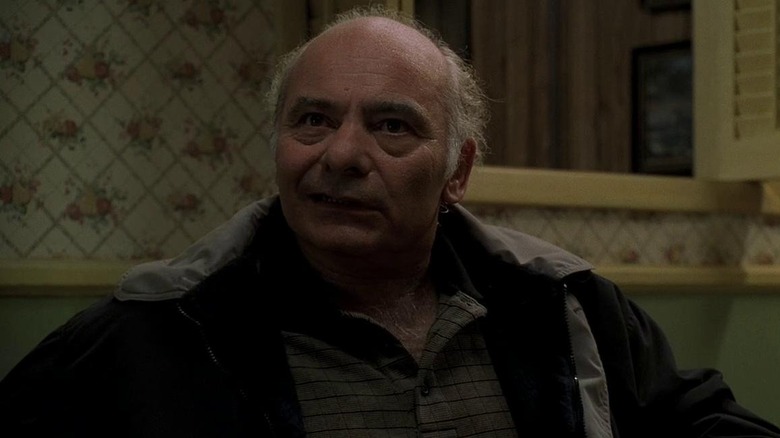
Makazian is a compromised, gambling-addicted police detective who feeds confidential intelligence to Tony Soprano. But Heard elevates the character beyond a simple corrupt cop; his devotion to Tony is deeply personal and pathetic. When hired to surveil Dr. Melfi, Makazian physically assaults her date out of a warped sense of loyalty. Following his suicide by jumping off a bridge in "Nobody Knows Anything," a brothel madam reveals that Makazian viewed Tony as a trusted friend—highlighting a one-sided, tragic reliance on a criminal underworld that viewed him as nothing more than a tool.
1. Annabella Sciorra (Season 3: Gloria Trillo)
Topping the list is Annabella Sciorra’s mesmerizing, terrifying, and heartbreaking portrayal of Gloria Trillo in Season 3. Introduced in "He Is Risen," Gloria immediately broke the mold of Tony’s previous mistresses: she was fiercely independent, professionally successful, intellectually formidable, and seemingly his equal.
Tony thought the world of Gloria—until the relationship fractured under the terrifying realization that she mirrored the deeply manipulative, destructive psychological traits of his late mother, Livia Soprano. Sciorra navigates Gloria’s rapid psychological deterioration with breathtaking authenticity. Whether she is charming a room or begging Tony to strangle her to death, her emotional volatility feels entirely grounded. The shadow of Gloria Trillo lingers long after her character’s tragic off-screen exit, cementing Sciorra’s arc as the absolute gold standard of prestige television guest performances.
Supporting Data & Industry Impact
The legacy of The Sopranos guest-starring roster is validated not only by cultural endurance but by industry recognition. The series transformed how Hollywood viewed television, turning guest spots into coveted opportunities for heavy-hitters who previously worked exclusively in feature films.
- Emmy Recognition: Actors such as Tim Daly, John Heard, and Annabella Sciorra earned Primetime Emmy Award nominations for Guest Actor/Actress in a Drama Series, validating the show’s uncompromising commitment to character writing.
- The "Prestige TV" Blueprint: The utilization of high-profile guest stars to challenge a central antihero laid the foundational casting blueprint for subsequent prestige dramas like Breaking Bad, Mad Men, and Succession.
Implications: Why These Guest Stars Still Matter
The enduring fascination with The Sopranos guest stars points to a larger truth about David Chase’s narrative philosophy: nobody in Tony Soprano’s orbit remains untouched.
Whether it is Ben Kingsley sending up his own pretentious public image, Robert Patrick weeping over a lost business, or Annabella Sciorra charting the tragic contours of mental illness, these characters were never disposable window dressing. They were narrative instruments used to dissect the American Dream, illuminate the high cost of corruption, and prove that in the world of The Sopranos, everyone—from a corrupt cop to an immovable highway patrolman—has a story worth telling before the screen goes dark.
