
Beyond ‘Say Nothing’: Why the Haunting Documentary ‘I, Dolours’ Is Essential Viewing
For those captivated by the visceral, complex history of "The Troubles" presented in FX’s critically acclaimed limited series Say Nothing, a deeper, more intimate layer of that era remains hidden in plain sight. While the 2024 miniseries—based on Patrick Radden Keefe’s best-selling non-fiction work—brought the story of the Price sisters and the "disappeared" into the global mainstream, there exists a 2018 documentary that offers an even more chilling, unfiltered look at the conflict: Maurice Sweeney’s I, Dolours.
For viewers who felt the pull of the IRA’s radicalization and the subsequent haunting aftermath of the conflict, I, Dolours serves as the perfect companion piece. It strips away the polished veneer of high-budget drama to present the raw, often uncomfortable testimony of one of the most polarizing figures in modern Irish history.
The Core Narrative: A Life Shaped by Conflict
Northern Ireland’s history, defined by decades of sectarian violence between Protestant British loyalists and Catholic Irish Republicans, has been examined through countless lenses—from the lighthearted, nostalgic comedy of Derry Girls to the journalistic rigor of Say Nothing. However, I, Dolours is singular in its focus. It does not attempt to offer an objective, historical bird’s-eye view; instead, it anchors itself entirely to the perspective of Dolours Price.
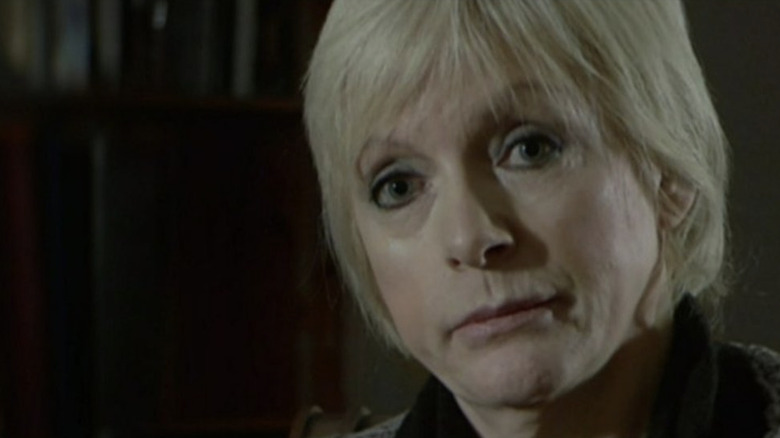
The film is built upon a 2010 interview conducted by journalist and Troubles historian Ed Moloney. At the time, Price was nearing the end of her life, grappling with the trauma of her past and the disillusionment that followed the peace process. The resulting documentary is an 80-minute meditation on memory, radicalization, and the crushing weight of ideological failure.
The Chronology of an Irish Revolutionary
To understand I, Dolours, one must understand the trajectory of the Price family. Born into a lineage deeply entrenched in the Republican movement, Dolours and her sister, Marian, were raised not on fairy tales, but on the legends of those who sacrificed everything for a united Ireland.
- The Formative Years: Growing up in a household where "Ireland came before God," Dolours Price was groomed by a legacy of resistance.
- The Turning Point: The documentary captures her radicalization during the 1969 civil rights marches. Price recounts the exact moment she realized peaceful protest was futile: the sight of hate-filled eyes among the loyalists and police forces beating protesters.
- The IRA Years: The film chronicles her active service, including her involvement in the 1973 London bombings, which led to her imprisonment.
- Imprisonment and Hunger Strikes: The documentary provides a harrowing look at her time in British custody, highlighting the psychological toll of her prolonged hunger strike.
- The Aftermath: Unlike traditional documentaries that end with a resolution, I, Dolours lingers on the decades of silence, bitterness, and eventual psychological decay that followed the Good Friday Agreement.
Supporting Data and Creative Choices
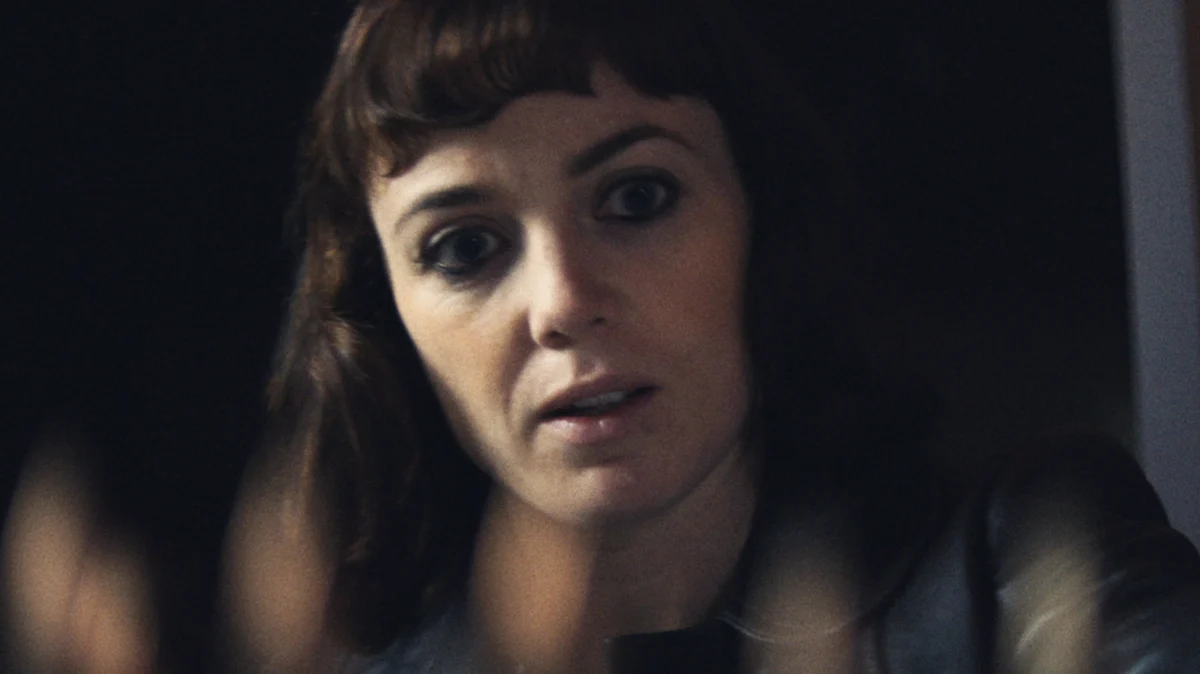
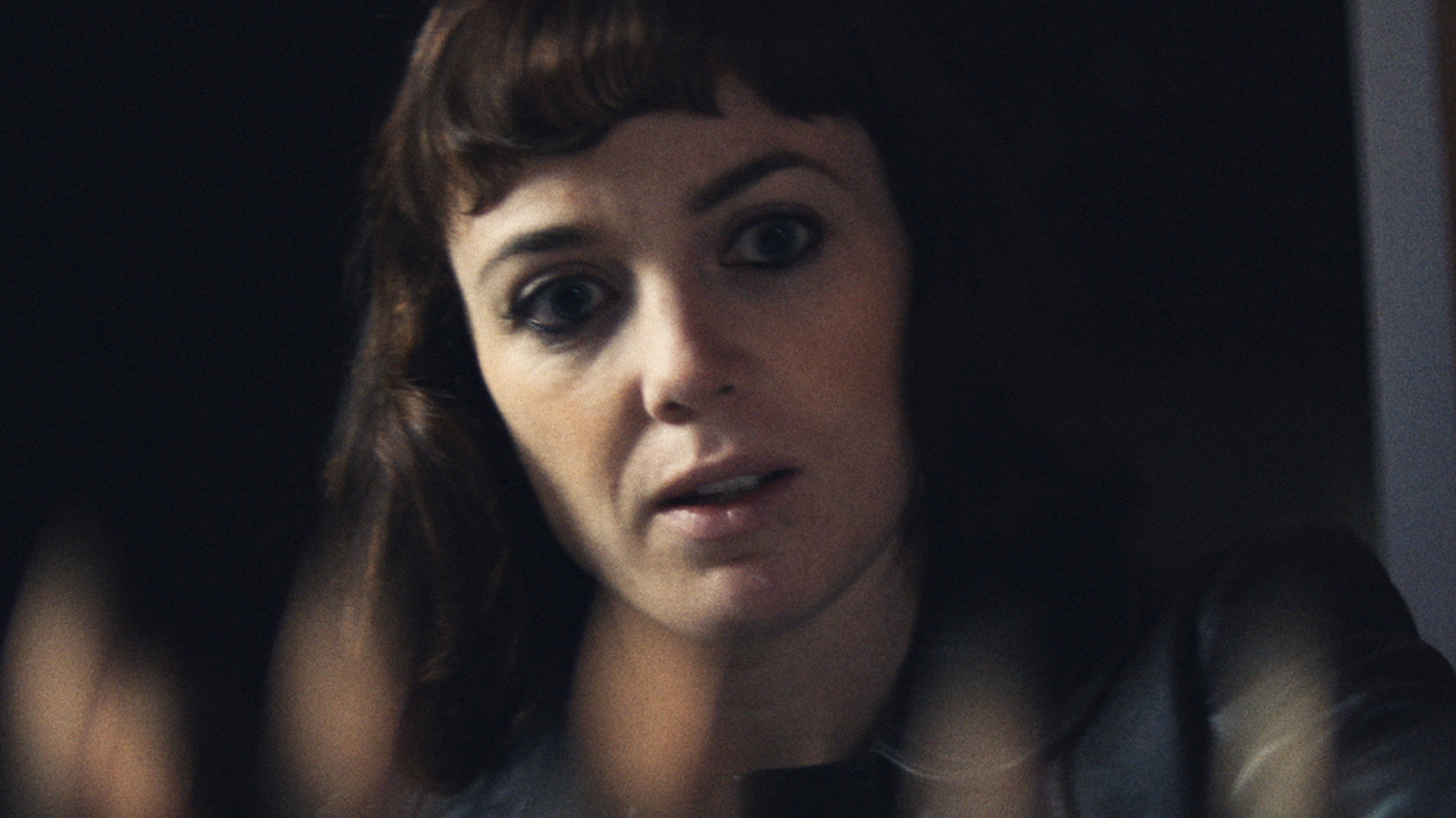
I, Dolours is a docudrama that utilizes reenactments to bridge the gap between historical fact and personal memory. Director Maurice Sweeney employs actress Lorna Larkin to portray Dolours in these sequences. However, the film is careful not to invent dialogue; Larkin often looks directly into the camera, reciting the exact words Price spoke during her 2010 interview.
Bridging the Gap Between Real and Staged
The integration of archival footage—such as the 1969 Catholic civil rights marches—with black-and-white, newsreel-style reenactments creates a surreal viewing experience. This is intentional. By blurring the line between documentary footage and performance, Sweeney emphasizes that history is not merely a collection of dates and facts, but a collection of subjective, often fractured, memories.
When the film cross-cuts between the speeches of Prime Minister Margaret Thatcher and the visceral reality of an imprisoned, vomiting Dolours, it highlights the vast chasm between the political rhetoric of the time and the physical suffering of those on the ground.
The Weight of Silence and Truth
A significant portion of the discourse surrounding the Price sisters centers on the 1972 abduction and murder of Jean McConville, a widowed mother of ten who was branded an informer by the IRA. While Say Nothing the series leans into the conclusion that the Price sisters were directly involved in the execution, I, Dolours takes a more restrained, yet arguably more haunting approach.
The documentary does not shy away from the brutality of the era, but it focuses on the internal cost of such violence. Price herself admits that the strategy of "disappearing" informers was, in her view, a tactical error—not because it was inherently immoral by her standards, but because she believed the public display of bodies would have served as a more effective deterrent. This admission is a chilling reminder of the cold, strategic mindset that the conflict demanded of its participants.
Official Responses and Legal Friction
The sensitivity of these accounts cannot be overstated. Following the release of Say Nothing on FX, the real-life Marian Price was involved in legal action regarding the depiction of the sisters’ actions in the final episode. I, Dolours avoids the speculative trap by sticking strictly to the testimony of its subject. By allowing Price to tell her own story, the documentary forces the audience to confront the woman behind the headlines—a woman who, in her final days, famously remarked that her fight and her family’s legacy had ultimately "all been nothing."
Implications: Why This Matters Now
For audiences who were drawn to the high-stakes drama of Say Nothing, I, Dolours serves as a sobering follow-up. It challenges the romanticized notion of the revolutionary by exposing the loneliness, the trauma, and the crushing disappointment that often follows the cessation of hostilities.
The Human Cost of Ideology
The documentary is a profound study in how absolute faith in an ideology can shatter a human soul. As the documentary progresses, it becomes clear that Dolours Price was a victim of her own convictions. The film does not ask the viewer to forgive her actions; rather, it asks the viewer to understand the environment that produced her and the bitterness that defined her later years.
Essential Viewing for History Enthusiasts
The intersection of Say Nothing and I, Dolours provides a comprehensive look at the Troubles that few other mediums can offer. Where one provides the scope, the other provides the soul.
- For the student of history: It offers a firsthand account of the radicalization process and the structural failures of the IRA.
- For the fan of true crime/drama: It offers a masterclass in psychological storytelling and the use of archival narratives.
- For the casual viewer: It is a stark reminder that behind every major historical event, there are individuals left to carry the psychological debris of the past long after the cameras have stopped rolling.
I, Dolours is currently available to stream on platforms like Tubi and Pluto TV. For those who found themselves haunted by the questions posed in FX’s latest hit, this documentary provides the necessary, if difficult, answers. It is not an easy watch, but it is an essential one for anyone seeking to understand the enduring, complex legacy of Northern Ireland’s darkest chapters.
