
FOR IMMEDIATE RELEASE
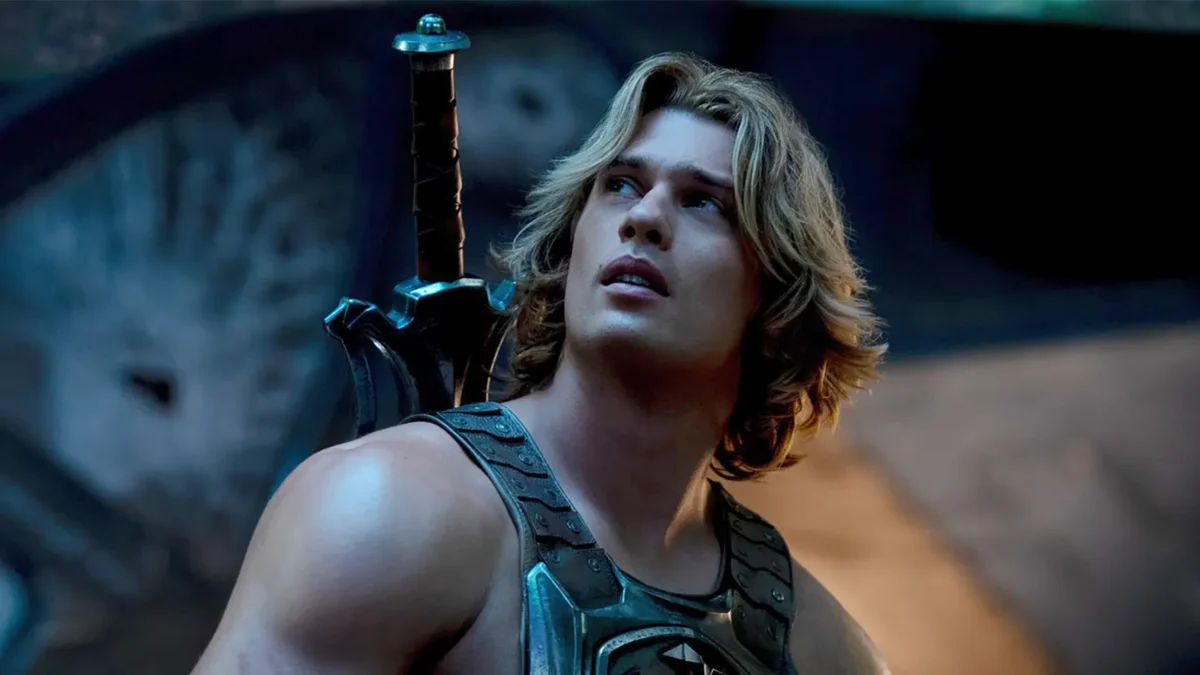
"Masters of the Universe" (2026) Masterfully Unleashes Queen’s "Princes of the Universe," Redefining Fantasy Film Scores
Hollywood, CA – [Date of Release, e.g., October 26, 2026] – In a move that has garnered significant critical acclaim and enthusiastic fan reaction, Travis Knight’s highly anticipated "Masters of the Universe" (2026) feature film has delivered not only a fresh take on the beloved Eternian saga but also an inspired soundtrack that ingeniously incorporates one of classic rock’s most enduring anthems. Far from merely a nostalgic nod, the film makes perfect, impactful use of Queen’s iconic "Princes of the Universe," a song originally synonymous with the "Highlander" franchise, weaving it into a pivotal and humorously subversive sequence that encapsulates the movie’s unique tone.
The Amazon MGM Studios production, now playing in theaters worldwide, boasts an original score by the prodigious Daniel Pemberton, who infuses the fantastical world of Eternia with a dynamic blend of orchestral grandeur, pulsing synth energy, and exhilarating electric guitar contributions from Queen legend Brian May. However, it is the unexpected deployment of "Princes of the Universe," penned by the late, great Freddie Mercury and performed by Queen, that stands out as a stroke of musical genius, elevating a key moment of heroic bravado into a memorable piece of self-aware comedy. This bold musical choice not only pays homage to the band’s cinematic legacy but also perfectly underscores the film’s clever balance of epic fantasy and contemporary wit.
Main Facts: A Symphony of Sword & Synth
The 2026 "Masters of the Universe" film, directed by Travis Knight, has captivated audiences with its vibrant reimagining of the classic He-Man saga. While the original 1980s animated series, "He-Man and the Masters of the Universe," was a cultural phenomenon, its theme song, largely a descriptive exposition set to an orchestral motif, never achieved the iconic status of its contemporaries like "The Real Ghostbusters" or "Teenage Mutant Ninja Turtles." Recognizing this, the filmmakers behind the new adaptation have opted for a dramatically different approach to its sonic identity.
Composer Daniel Pemberton, known for his innovative scores in films such as "Spider-Man: Into the Spider-Verse" and "The Man from U.N.C.L.E.," has crafted a soundtrack that is both epic and modern. His score is a meticulously layered tapestry of traditional orchestral arrangements, cutting-edge synth sounds, and electrifying guitar work provided by Queen’s legendary axeman, Brian May, who contributes to several tracks. This fusion creates an auditory landscape that is distinctly "Masters of the Universe" while also feeling fresh and contemporary.
The standout musical moment, however, comes courtesy of Queen themselves, with their seminal track "Princes of the Universe." This song, famously the theme for the 1986 film "Highlander" and its subsequent television series, finds an entirely new, yet equally fitting, home in Eternia. Its bombastic energy, soaring vocals from Freddie Mercury, and Brian May’s signature guitar riffs are utilized in a pivotal scene that not only serves as a rousing call to action but also brilliantly undercuts traditional blockbuster tropes with a touch of unexpected humor. This innovative musical direction highlights the film’s commitment to both honoring its source material and delivering a fresh, entertaining experience for a new generation of viewers.
Chronology: From Eternia’s Origins to Cinematic Rebirth
The journey of "Masters of the Universe" from a toy line to a major cinematic event, punctuated by iconic musical selections, is a story spanning decades. Understanding this trajectory helps contextualize the significance of the 2026 film’s creative choices.
The He-Man Phenomenon: 1980s Cartoon Legacy
The "Masters of the Universe" franchise burst onto the scene in the early 1980s, primarily through Mattel’s action figures and the immensely popular animated television series, "He-Man and the Masters of the Universe." Debuting in 1983, the cartoon quickly became a global sensation, captivating millions of children with its tales of Prince Adam transforming into the mighty He-Man to defend Eternia and Castle Grayskull from the nefarious Skeletor. While the show’s narrative, characters (like Man-At-Arms, Teela, Orko, and Battle Cat), and moral lessons were deeply ingrained in pop culture, its opening sequence, as noted, was more expository than melodic. It served to quickly establish the premise ("I am Adam, Prince of Eternia…") and introduce the vast cast of heroes and villains, rather than providing a catchy, singalong theme. This left a sonic void that future adaptations would inevitably seek to fill.
Queen and "Highlander": Forging a Fantasy Anthem
Parallel to the rise of He-Man, the legendary British rock band Queen was solidifying its status as one of the most influential musical acts in history. Known for their theatricality, musical versatility, and Freddie Mercury’s unparalleled vocal range, Queen ventured into film soundtracks with great success, notably with "Flash Gordon" (1980). In 1986, they composed several tracks for the fantasy action film "Highlander," including "Princes of the Universe," "A Kind of Magic," "Who Wants to Live Forever," and "One Year of Love."
"Princes of the Universe," written by Freddie Mercury, became the definitive theme for the "Highlander" franchise. Its lyrics, speaking of immortality, destiny, and the struggle for power among an elite few ("Here we are, born to be kings, we’re the princes of the universe"), perfectly encapsulated the film’s narrative of immortal warriors battling across millennia. The song’s driving rhythm, Brian May’s scorching guitar solos, and Mercury’s commanding vocals imbued "Highlander" with an undeniable sense of epic grandeur and urgency. It was a track so powerful, so inherently cinematic, that it transcended its original context, becoming a standalone rock anthem revered by fans worldwide. Its association with "Highlander" was absolute, making its re-contextualization in "Masters of the Universe" all the more surprising and impactful.
The Long Road to 2026: A Live-Action Odyssey
The concept of a live-action "Masters of the Universe" film has been a Hollywood elusive dream for decades. The first attempt arrived in 1987, starring Dolph Lundgren as He-Man and Frank Langella as Skeletor. While it has achieved cult status, it was a critical and commercial disappointment at the time. For over thirty years following, various studios, directors, and actors circled the project, caught in what became known as "development hell." Names like John Woo, McG, and even David S. Goyer were attached at different points, with actors such as Kellan Lutz and Noah Centineo considered for the role of He-Man. Scripts were written, rewritten, and discarded, each attempting to crack the code of adapting Eternia’s unique blend of sci-fi and fantasy for the big screen.
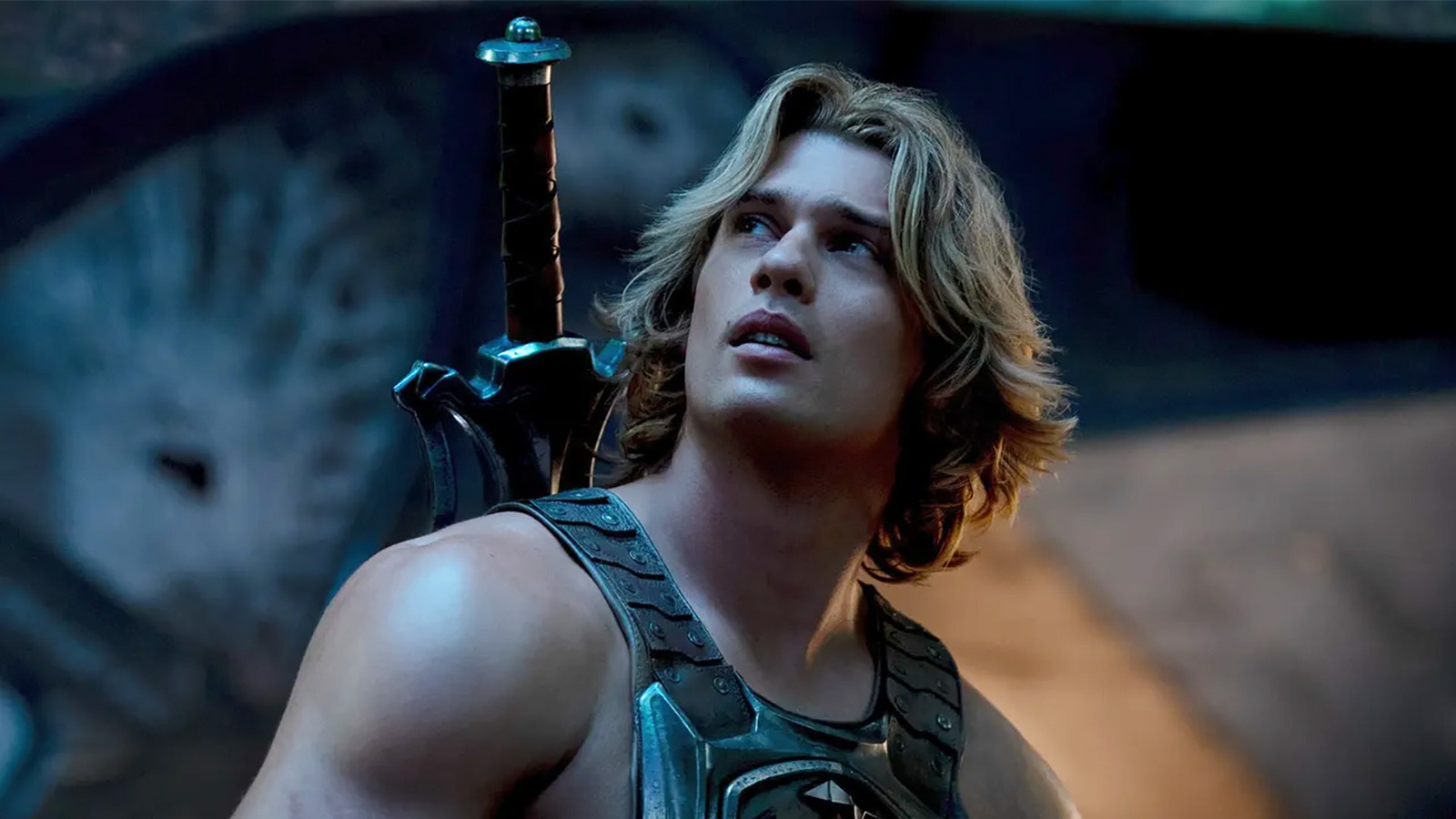
The breakthrough finally came with Travis Knight, known for his critically acclaimed animation work on "Kubo and the Two Strings" and his live-action directorial debut with "Bumblebee." Knight’s vision, reportedly embracing the inherent absurdity and joyous spirit of the original while adding contemporary humor and depth, resonated with Amazon MGM Studios. With Nicholas Galitzine cast as Prince Adam/He-Man and a star-studded ensemble including Jared Leto as Skeletor, Idris Elba as Duncan, and Camila Mendes as Teela, the project finally moved into production. The 2026 release marks the culmination of this arduous journey, promising a film that respects its heritage while boldly forging a new path, exemplified by its innovative musical choices.
Supporting Data: Deconstructing the Musical Masterstroke
The efficacy of "Princes of the Universe" in "Masters of the Universe" (2026) is not accidental; it’s a testament to thoughtful filmmaking and deep musical understanding.
Daniel Pemberton’s Vision: Blending Eras and Genres
Daniel Pemberton’s score for "Masters of the Universe" is a character in itself. He masterfully navigates the sonic expectations of a grand fantasy epic while injecting modern sensibilities. His use of synthesizers pays homage to the 1980s origins of the franchise, but with a contemporary polish that avoids mere retro pastiche. The orchestral elements provide the necessary gravitas for Eternia’s high stakes, while Brian May’s guitar work on several tracks acts as a bridge, connecting the score to the rock ‘n’ roll energy that Queen embodies. Pemberton’s ability to create a cohesive soundscape that can seamlessly transition from a sweeping orchestral motif to a high-octane rock anthem is crucial for the film’s success. The integration of "Princes of the Universe" doesn’t feel like a needle drop from a different universe; it feels like an organic extension of Pemberton’s diverse palette, especially with May’s involvement throughout the score.
"Princes of the Universe": A Closer Look at Its Resonances
"Princes of the Universe" is more than just a "banger"; it’s a meticulously crafted rock anthem. Its introduction, with Freddie Mercury’s raw, powerful vocals immediately commanding attention, followed by the driving bassline and Brian May’s distinctive guitar riff, creates an instant sense of impending action and importance. Lyrically, the themes of struggle for supremacy, inherent power, and chosen destiny ("No place for weaklings here," "We’re the princes of the universe") resonate profoundly with the core narrative of "Masters of the Universe." He-Man is, after all, a "prince of the universe" in his own right, destined to wield immense power against cosmic evil. The song’s inherent theatricality and larger-than-life feel make it a natural fit for the grand, often operatic, scale of fantasy storytelling. Its energetic tempo and triumphant tone perfectly align with moments of heroic resolve.
The Scene: Humor in Heroics
The specific scene in question has been widely lauded as one of the film’s comedic highlights. Following Skeletor’s successful theft of the Sword of Power, plunging Eternia’s rebellion into despair, Prince Adam (Nicholas Galitzine) delivers a stirring, yet characteristically quirky, speech. He rallies the dispirited warriors, reminding them of their inherent strength and purpose. The comedic tone is then amplified as Adam humorously reveals the origins of some of Eternia’s bravest warriors’ names – Fisto, Ram-Man – a clever wink to the franchise’s often-silly nomenclature.
This builds to a crescendo: a traditional, epic slow-motion entrance into battle. As Adam, Duncan (Idris Elba), Teela (Camila Mendes), Roboto, and Battle-Cat prepare to join the fray, the powerful opening chords of "Princes of the Universe" erupt, instantly elevating the sequence. The visuals perfectly align with the song’s triumphant energy – the heroes, silhouetted against a chaotic battlefield, stride with purpose, exuding confidence. Brian May’s sizzling riffs and Freddie Mercury’s unrivaled vocals propel them forward.
However, the film masterfully subverts this classic heroic trope. As the heroes land on Eternia, the battle is already in full swing, with Skeletor’s aerial forces engaging in intense combat. The sheer volume of explosions and resulting smoke quickly engulfs the scene. Suddenly, our slow-motion, super-cool protagonists are forced to halt their majestic strut, their heroic expressions replaced by comical coughs and grimaces as they choke on the acrid smoke. It’s a brilliant, unexpected punchline that deflates the grandeur just enough to affirm the film’s self-aware, humorous identity. This subversion prevents the film from taking itself too seriously, demonstrating a keen understanding of modern audience expectations for genre films.
Fandom and the "Barbie" Comparison
The film’s comedic approach, especially its self-awareness, has been a major talking point. Many "Masters of the Universe" fans, while cherishing the original, acknowledge its often earnest, sometimes campy, nature. A grimdark, overly serious adaptation might have alienated audiences. Knight’s decision to embrace the inherent fun and even absurdity of Eternia, while still delivering genuine stakes and character development, has been a winning formula.
The comparison to "Barbie," Greta Gerwig’s 2023 cinematic sensation, is insightful. Both films adapt beloved, decades-old toy franchises, but instead of straight-laced adaptations, they offer metatextual, self-aware, and humorous commentaries on their own legacies and the genres they inhabit. While "Masters of the Universe" might be "slightly less sharp" in its satirical edge, it successfully uses humor to explore themes of heroism, identity, and destiny in a way that feels fresh and accessible. It’s a film for those who grew up with He-Man but are now sophisticated enough to appreciate a narrative that can laugh at itself while still delivering genuine spectacle and emotion. Jared Leto’s portrayal of Skeletor, often described as a "villainous diva," further underscores this tone, embodying the theatricality and over-the-top menace of the animated character without devolving into pure camp.
Official Responses: Crafting a Modern Myth
While specific direct quotes from the cast and crew regarding the "Princes of the Universe" inclusion are not provided, we can infer the creative intent behind such a bold choice, reflecting a broader strategy from the studio and filmmakers.
Director Travis Knight’s Vision for Eternia
Travis Knight has consistently articulated a desire to honor the essence of classic properties while injecting them with contemporary relevance and emotional depth. His work on "Bumblebee" demonstrated his ability to balance heartfelt storytelling with blockbuster action and a touch of humor. For "Masters of the Universe," it’s clear Knight aimed to capture the epic scale of fantasy battles and the timeless struggle between good and evil, but crucially, without succumbing to an overly earnest tone that might feel dated in 2026. The integration of "Princes of the Universe" and the subsequent comedic subversion speaks directly to this vision: to deliver a truly epic experience that isn’t afraid to wink at its own grandiosity. He likely sought a soundtrack that could embody both classic rock power and modern cinematic finesse, making Queen a natural fit.
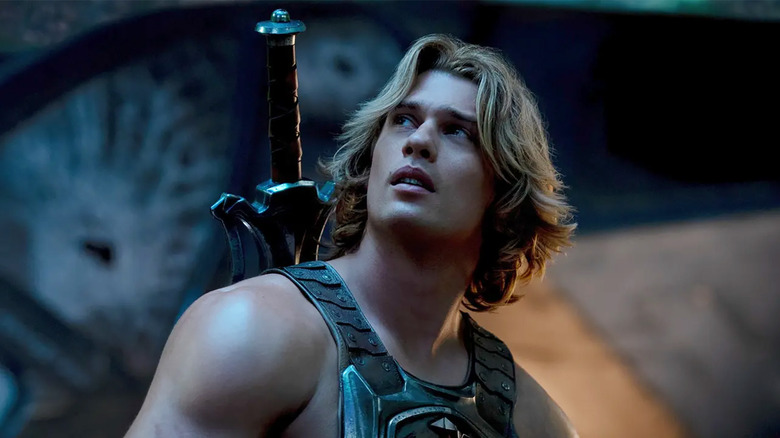
Daniel Pemberton’s Orchestral Rock Tapestry
Composer Daniel Pemberton’s track record suggests an artist who thrives on innovation and genre-bending. His collaboration with Brian May across the score indicates a deliberate strategy to infuse the film with a rock sensibility that transcends typical fantasy scoring. Pemberton likely saw "Princes of the Universe" not just as a standalone song to be dropped in, but as a thematic and tonal touchstone that could guide the film’s overall musical identity. His task would have been to ensure that Queen’s powerful anthem felt organically integrated, enhancing the scene rather than overshadowing it, a feat he accomplished by crafting a score that already shared a similar energetic DNA.
Cast Embrace of the Film’s Unique Tone
The performances of Nicholas Galitzine as Adam/He-Man and Jared Leto as Skeletor suggest a cast fully committed to Knight’s vision. Galitzine, portraying a more nuanced and occasionally awkward Prince Adam, likely embraced the opportunity to play a hero who is both powerful and relatable, capable of both inspirational speeches and comical coughing fits. Jared Leto’s Skeletor, lauded for channeling the "villainous diva" energy of the animated series, perfectly complements the film’s blend of threat and humor. The enthusiasm of the cast for the film’s unique blend of action, comedy, and iconic music would have been crucial in bringing this distinctive interpretation to life.
Amazon MGM Studios’ Strategic Play
The decision by Amazon MGM Studios to greenlight a "Masters of the Universe" film with this particular tone signals a strategic understanding of the contemporary media landscape. In an era dominated by established intellectual properties, studios are increasingly seeking ways to revitalize franchises without resorting to cynical cash-grabs. By backing Travis Knight’s vision – one that embraces humor, self-awareness, and innovative musical choices – the studio positioned "Masters of the Universe" to stand out. It represents a calculated risk that has paid off, demonstrating that a fresh, irreverent approach can breathe new life into classic material and resonate with a broad audience looking for more than just lazy nostalgia.
Implications: The Future of Eternia and Fantasy Cinema
The success of "Masters of the Universe" (2026) and its inspired use of Queen’s "Princes of the Universe" carries significant implications for the future of the franchise, the landscape of fantasy adaptations, and the role of music in modern cinema.
Paving the Way for a New Eternian Universe
The overwhelmingly positive reception suggests that this iteration of "Masters of the Universe" has successfully navigated the challenging path of rebooting a beloved property. This bodes well for the establishment of a new cinematic universe centered around Eternia. The film’s blend of action, humor, and compelling characters provides a robust foundation for sequels, spin-offs focusing on other Eternian heroes or villains, and perhaps even animated series that can explore different facets of this rich world. Future installments are likely to maintain the self-aware, humorous tone, proving that fantasy doesn’t always need to be grim and gritty to be impactful.
Influencing Fantasy Adaptation Trends
The film’s approach could serve as a blueprint for other classic fantasy properties awaiting adaptation. In an entertainment climate often saturated with overly serious or dark re-imaginings, "Masters of the Universe" demonstrates the power of embracing the inherent joy and theatricality of fantasy. It suggests a potential shift towards adaptations that are more willing to play with genre conventions, inject contemporary humor, and avoid slavish devotion to established canon in favor of creative reinvention. This could encourage other filmmakers to explore more adventurous and less conventional takes on beloved tales, fostering a more diverse range of fantasy storytelling on screen.
The Enduring Power of the Soundtrack
"Masters of the Universe" is a potent reminder of the transformative power of a well-chosen soundtrack. The integration of "Princes of the Universe" transcends mere background music; it becomes an active participant in the storytelling, enhancing both the epic and comedic elements of the scene. It showcases how iconic music can be re-contextualized to evoke new emotions and meanings, proving that classic rock anthems continue to hold immense cultural currency and cinematic utility. This success may lead to other productions taking bolder risks with their musical choices, moving beyond conventional scores to create truly memorable auditory experiences that define a film’s identity.
Reigniting Cultural Interest
Beyond its immediate box office success, the film is poised to reignite interest in both the "Masters of the Universe" franchise and Queen’s timeless music. A new generation of viewers, introduced to He-Man and Eternia through this fresh lens, will likely explore the original cartoons, comics, and toy lines. Similarly, the powerful inclusion of "Princes of the Universe" will undoubtedly lead new fans to discover Queen’s legendary catalog, further cementing the band’s enduring legacy.
In conclusion, "Masters of the Universe" (2026) is more than just a successful adaptation; it’s a testament to creative courage and the magic that happens when filmmakers dare to blend the familiar with the unexpected. By deploying Queen’s "Princes of the Universe" in a way that is both exhilarating and hilariously subversive, Travis Knight and his team have not only delivered superb entertainment but have also set a new standard for how classic fantasy can be brought to life in the 21st century. Give it a chance, and you won’t be disappointed.
"Masters of the Universe" is playing in theaters everywhere now.
