
Drake Bell Slams SAG-AFTRA Over Health Insurance Rejection in Blistering Social Media Outburst
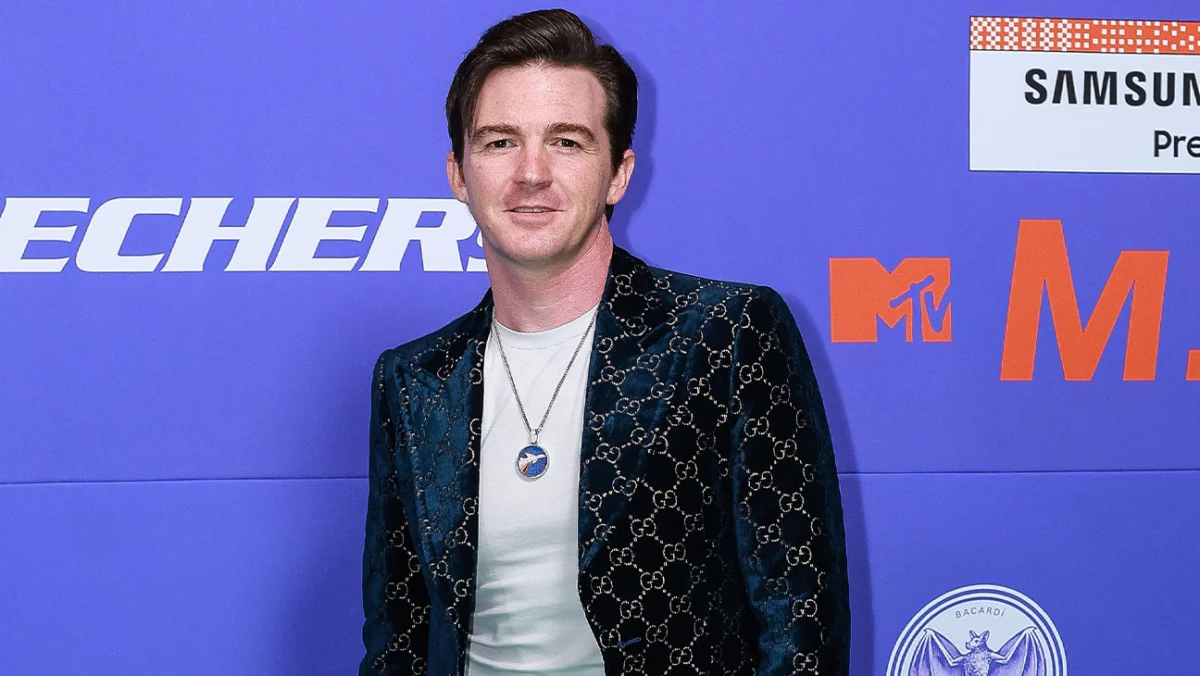
LOS ANGELES — Former Nickelodeon star and musician Drake Bell has launched a blistering public attack against SAG-AFTRA, publicly venting his profound frustration after failing to meet the stringent eligibility requirements necessary to qualify for the performers’ union health insurance plan.
The Drake & Josh alumnus took to Instagram on Tuesday to air his grievances, posting a series of screenshots and candid commentary that laid bare the ongoing, often contentious debate surrounding the accessibility of health care benefits within the entertainment industry. Bell’s fiery remarks highlight a persistent structural vulnerability facing working actors—many of whom enjoy early-career fame only to find themselves struggling to maintain basic welfare protections later in life.
The Hollywood Reporter reached out to SAG-AFTRA and representatives for union leadership for comment regarding Bell’s statements, but did not receive a response prior to the time of publication.
Main Facts of the Controversy
The core of the dispute centers on a simple financial shortfall measured against the rigid guidelines established by the SAG-AFTRA Health Plan. On his Instagram Story, Bell shared a direct screenshot from the official health plan member portal, which delivered an unambiguous rejection notice:
"You do not qualify for Health Plan coverage at this time. Your reported covered earnings from July 2025–June 2026 did not meet minimum eligibility requirements, or you did not qualify other eligibility rules."
According to the data displayed on the portal, Bell earned $17,480.53 during the designated qualification window. However, under SAG-AFTRA’s updated framework, members must accumulate a minimum of $28,090 in covered earnings to secure healthcare coverage for the upcoming benefit period. This left Bell facing a deficit of $11,452.47—an amount he failed to clear before the deadline.
Visibly infuriated by the shortfall, Bell accompanied the screenshot with a scathing message directed at aspiring performers and union leadership alike:
"Do not become an actor. Do not join SAG. You can work for 35 years and they still say [middle finger emoji]."
Bell specifically tagged both the official SAG-AFTRA Instagram account and union president Sean Astin—best known for his iconic childhood and adult roles in The Goonies and The Lord of the Rings trilogy. Bell escalated his critique by directly challenging Astin’s administrative capabilities:
“@SAGAFTRA really though @SeanAstin you’re doing a bang up job. How about stop using actors to run things maybe? They literally just know how to say words in front of a camera.”
Chronology: A Career of Highs, Lows, and Industry Shifts
To understand how a veteran actor with decades of screen credit can fall short of union earnings thresholds, it is essential to examine the trajectory of Bell’s professional life and recent career developments.
Early Career and Rise to Stardom
Drake Bell first emerged into the public consciousness in the late 1990s and early 2000s, landing prominent roles on beloved children’s television programs. He became a fixture of Nickelodeon’s golden era, appearing on The Amanda Show before landing his defining co-starring role alongside Josh Peck in the smash-hit sitcom Drake & Josh, which ran from 2004 to 2007. During this era, Bell was a ubiquitous presence on television, earning substantial recognition and building a massive, dedicated youth demographic following.
Transition to Music and Recent Tour Cancellations
In the years following his television heyday, Bell gradually pivoted his primary focus toward the music industry, establishing himself as a singer, songwriter, and touring artist. He released his fifth studio album, Non-Stop Flight, in 2004, and spent a significant portion of the subsequent years touring extensively.
Over the summer, Bell maintained a rigorous schedule with concert dates spanning the United States and Mexico. However, financial and logistical pressures appeared to intersect with personal obstacles when Bell abruptly announced the cancellation of the final legs of his tour, which had been scheduled for late July and early August.
At the time, Bell addressed his fans via a heartfelt statement:
"For personal reasons, and with great sadness, I have to postpone the final concerts of this tour. Please know that I did everything I could do to be there with you, but at this time, I am simply unable to do so."
The winding down of live performance revenue streams often directly impacts an independent artist’s cash flow, which in turn correlates with the fluctuating gig-to-gig earnings that plague many working actors trying to maintain union-mandated welfare minimums.
The Quiet on Set Revelation
In 2024, Bell’s personal and professional narrative shifted dramatically when he stepped forward to share a profound personal trauma. In the explosive Investigation Discovery docuseries Quiet on Set: The Dark Side of Kids TV, Bell publicly revealed for the first time that he was the unnamed minor victim who had been sexually abused as a teenager by former Nickelodeon dialogue coach Brian Peck.
The revelation sent shockwaves through the entertainment industry, prompting widespread discussions about child labor protections, workplace safety on television sets, and the historic failures of major studios to protect young talent. The intense media scrutiny and emotional processing surrounding the docuseries marked a major turning point in Bell’s public life, occurring parallel to his ongoing struggles to navigate the modern entertainment economy.
Supporting Data: The SAG-AFTRA Health Plan Crisis
Bell’s public outburst is far from an isolated incident. Over the past several years, the intersection of shifting industry business models, streaming residuals, and stringent union healthcare thresholds has sparked widespread discontent among rank-and-file union members.
Understanding SAG-AFTRA Earnings Thresholds
The SAG-AFTRA Health Plan is structurally distinct from the union’s collective bargaining and advocacy operations; it functions as a separate health welfare trust fund governed by a board of trustees. To qualify for basic health coverage, members must meet strict baseline earnings derived exclusively from union-covered employment within specific 12-month qualification periods.
As of 2026, the baseline minimum earnings requirement sits at $28,090. For performers whose careers rely on episodic television guest spots, independent film projects, voiceover gigs, or periodic commercial work, hitting that exact floor can be an uphill battle—especially in an era when traditional residual payments have plummeted due to the dominance of subscription-based streaming services.
A Broader Industry Phenomenon
Bell is far from the only recognizable name to pull back the curtain on the harsh economic realities of working in Hollywood. In recent years, a growing chorus of actors has spoken out about losing or failing to qualify for union health insurance:
- Jack Haven, known for their work on the Netflix series Atypical, has openly discussed the precarious nature of maintaining health coverage as a young performer in a fluctuating market.
- Heather Matarazzo, celebrated for her breakout role in The Princess Diaries, has frequently utilized social media to highlight the financial precarity faced by mid-tier character actors who lack corporate safety nets.
These individual grievances served as a foundational rallying cry during the historic 2023 SAG-AFTRA and Writers Guild of America (WGA) strikes. While those labor stoppages successfully addressed key issues surrounding streaming residuals and artificial intelligence protections, the structural mechanics governing health and pension trust eligibility remain a constant source of friction between working artists and institutional administrators.
Official Responses and Union Dynamics
While SAG-AFTRA leadership has not yet issued a direct, formal response to Bell’s specific social media posts, the union’s administrative structure places the responsibility of health plan governance on a dedicated board of trustees representing both union officials and industry employers.
Bell’s pointed critique of union president Sean Astin shines a light on a perennial internal debate within Hollywood labor organizations: the tension between executive leadership and the everyday membership. Bell’s assertion that actors are ill-equipped to handle executive and administrative governance—famously quipping that they "literally just know how to say words in front of a camera"—reflects a deep-seated cynicism felt by some members who perceive a disconnect between high-profile union figureheads and the financial realities of ordinary working performers.
Proponents of the current system, however, argue that union leaders fight tirelessly within the bounds of complex federal labor laws (such as the Employee Retirement Income Security Act, or ERISA) to maximize benefits while keeping trust funds solvent. Altering health plan eligibility thresholds requires complex actuarial balancing to ensure that payouts do not outpace employer contributions and member earnings, a delicate economic balancing act that offers little comfort to an artist sitting just $11,000 short of coverage.
Implications for the Future of Hollywood Labor
Drake Bell’s public airing of his health insurance grievances carries significant implications for the broader entertainment industry landscape:
- Heightened Scrutiny on Union Welfare Structures: As streaming models continue to compress traditional backend earnings and residuals, pressure is mounting on unions to reevaluate how health and pension thresholds are calculated. If veteran actors with decades of experience are falling short of the $28,000 threshold, questions will inevitably persist regarding whether current guidelines are keeping pace with modern industry economics.
- The Erosion of Industry Glamour: Public disclosures by recognizable figures like Bell strip away the Hollywood illusion of permanent wealth. By laying bare a rejection letter for an $11,000 deficit, the incident demystifies the financial instability that defines the working-class actor experience, potentially altering how aspiring youth view entry into the profession.
- Internal Union Communications: The friction between disgruntled members and elected leadership underscores the ongoing challenge union presidents face in maintaining solidarity. As economic pressures mount, leadership will face intensified calls to bridge the gap between institutional policies and the immediate welfare needs of individual artists.
As the debate continues to unfold across social media and trade circles, the incident serves as a stark reminder that behind the glitz and glamour of the screen lies a rigid, bureaucratic framework where even a childhood television star can find themselves locked out of basic healthcare coverage.
