
I Love It When a Plan Comes Together: Looking Back at the Legacy of The A-Team
Main Facts
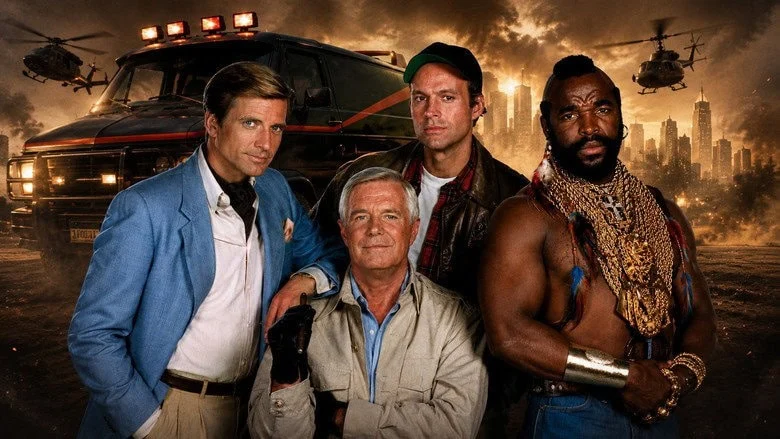
When television executives look back at the landscape of 1980s pop culture, few programs evoke the pure, unadulterated nostalgia of The A-Team. Created by television veterans Stephen J. Cannell and Frank Lupo at the behest of NBC entertainment chief Brandon Tartikoff, the series debuted on January 23, 1983, and instantly captured the global zeitgeist.
The premise was brilliantly simple yet tailor-made for high-octane syndication: a rogue group of former Vietnam War commandos—wrongfully accused of a crime they didn’t commit—work as underground mercenaries of justice. Operating from the shadows, they help desperate people while continuously evading the relentless pursuit of the military police.
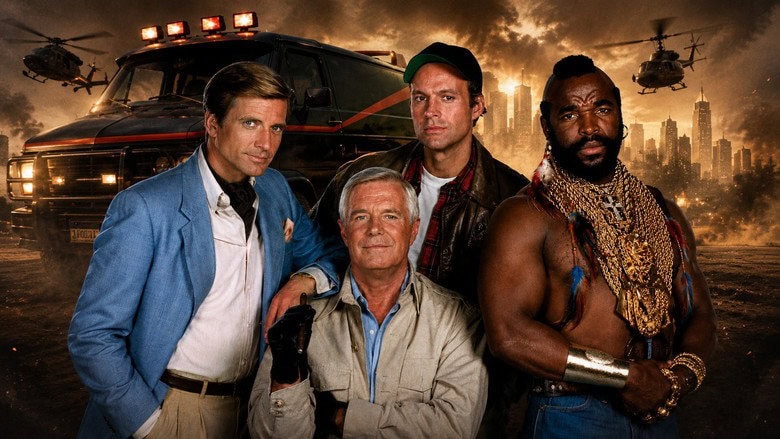
The show relied heavily on a distinctive ensemble cast that became household names:
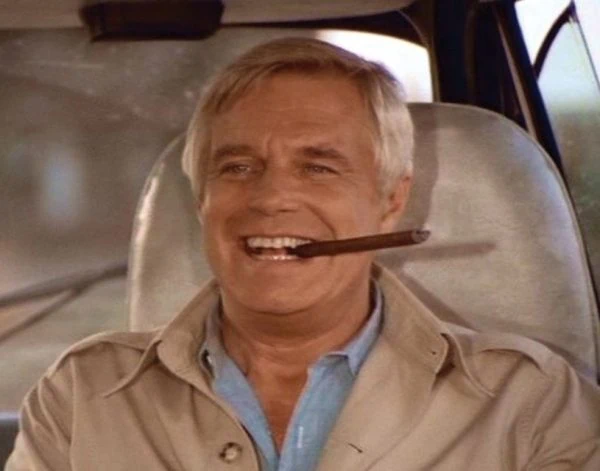
- Colonel John "Hannibal" Smith (George Peppard), the cigar-chomping mastermind who loved it when a plan came together.
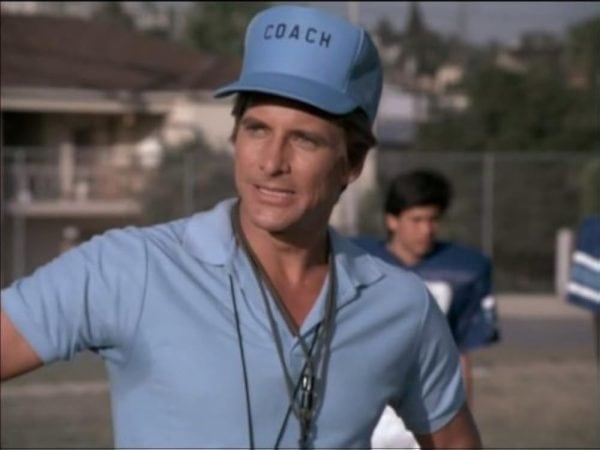
- Lieutenant Templeton "Faceman" Peck (Dirk Benedict), the charming con artist capable of acquiring any resource imaginable.
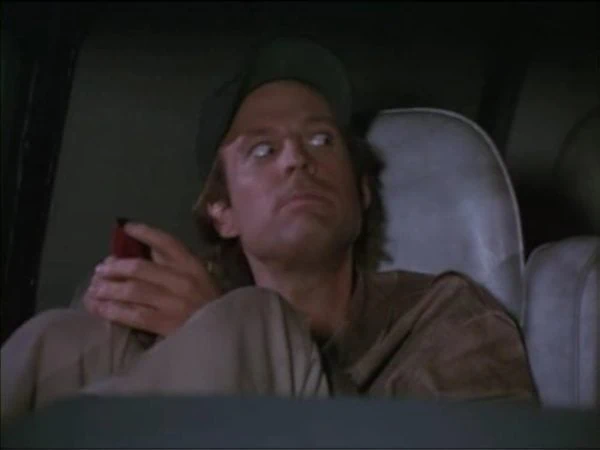
- Captain H.M. "Howling Mad" Murdoch (Dwight Schultz), the eccentric, helicopter-flying pilot residing half-time in a psychiatric hospital.
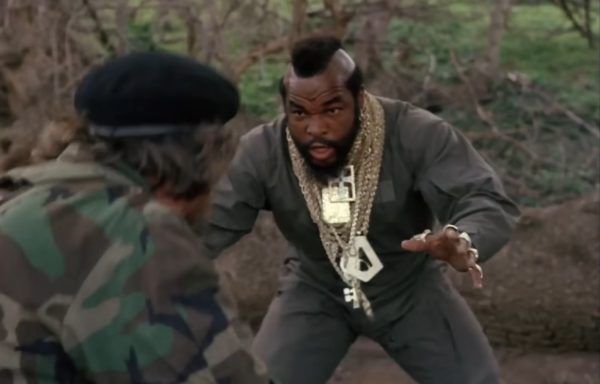
- Sergeant Bosco Albert "B.A." Baracus (Mr. T), the gold-chain-wearing, milk-drinking, mechanical genius who fiercely hated flying.
Beyond the characters, the series was anchored by inanimate icons: Hannibal’s ever-present cigar, Murdoch’s Flying Tigers leather bomber jacket, and, most famously, the custom-built black 1983 GMC Vandura cargo van featuring its striking red stripe, custom spoiler, and specialized interior gadgetry.
Chronology: From NBC’s Desperation to Global Phenomenon
1981–1982: The Genesis and Network Intervention
By the early 1980s, NBC was struggling in the primetime ratings. Brandon Tartikoff, tasked with turning the network’s fortunes around, envisioned a series that blended the high-stakes survival and camaraderie of cinematic masterpieces like The Magnificent Seven, The Dirty Dozen, and Mad Max, combined with the procedural momentum of Mission: Impossible.
Tartikoff pitched the concept to Stephen J. Cannell and Frank Lupo. Working at a breakneck pace, the writing duo constructed the pilot and series framework in just two weeks.
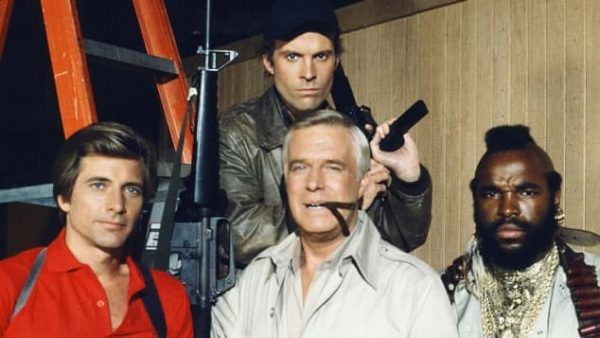
However, network executives frequently interfered with the casting process. For the role of "Faceman," Cannell and Lupo initially envisioned Dirk Benedict. NBC, however, pushed for a younger actor, leading to Tim Dunigan being cast in the pilot episode, "Mexican Slayride." Dunigan was quickly replaced by Benedict when executives realized he looked too young—having been a high school sophomore when the Vietnam War ended—to convincingly portray a battle-hardened veteran.
Similarly, network brass initially wanted to cut Captain "Howling Mad" Murdoch entirely, deeming his erratic behavior too over-the-top. Only after overwhelming positive responses from test audiences did NBC relent, securing Dwight Schultz a permanent place in television history.
1983–1986: Peak Popularity and Behind-the-Scenes Friction
Upon its launch in January 1983, The A-Team became an overnight ratings juggernaut. It proved that audiences craved lighthearted, action-packed escapism.
However, success off-screen did not translate to harmony on set. A legendary feud developed between veteran leading man George Peppard and breakout superstar Mr. T. Peppard, steeped in classical Hollywood training, struggled to accept that a former bouncer and bodyguard was receiving the lion’s share of fan mail and a higher salary. The tension grew so palpable that by the end of the first season, Peppard refused to speak directly to Mr. T, utilizing Dirk Benedict as an intermediary and derisively referring to his co-star as "the man with the gold."
To alleviate these on-set pressures during the final fifth season, producers introduced veteran actor Robert Vaughn (playing Hunt Stockwell), an old acquaintance of Peppard, to help stabilize the dynamic. Fortunately, Peppard and Mr. T reportedly mended fences shortly before Peppard’s passing in 1994.
Supporting Data and Production Trivia
- The Origin of the Cigars: The chiseled stogies chomped by George Peppard’s Hannibal Smith were not mere props; they were pulled directly from Peppard’s personal tobacco stock.
- Mr. T’s Rapid Rise: Born Laurence Tureaud, Mr. T transitioned from a military police career and high-profile celebrity bodyguarding (protecting icons like Muhammad Ali, Michael Jackson, and Steve McQueen) to national prominence after Sylvester Stallone spotted him in NBC’s America’s Toughest Bouncer competition. This led directly to his role as Clubber Lang in Rocky III and subsequently inspired Tartikoff to build the role of B.A. Baracus specifically for him.
- The Flying Tigers Tribute: Murdoch’s iconic tiger-emblazoned jacket was a direct historical nod to the 1st American Volunteer Group (the Flying Tigers), who flew combat missions for the Chinese Air Force against Japan during World War II.
- Merchandising Empire: At the height of its cultural saturation, The A-Team transcended the television screen, spawning a massive merchandising ecosystem that included action figures, board games, comic books, lunchboxes, and video games.
Official Responses and Industry Reception
When The A-Team first premiered, critical reception was mixed. Television critics often dismissed the show’s signature formula: staggering amounts of gunfire, explosions, and vehicular carnage, yet remarkably few serious injuries or deaths. Characters would routinely walk away from explosive van flips completely unscathed, a creative choice designed to keep the violence cartoonish, accessible, and appealing to younger demographics.
Despite critical skepticism, network executives and audiences offered an overwhelmingly positive verdict through viewership numbers. The A-Team regularly dominated the Nielsen ratings during its peak years, cementing NBC’s turnaround alongside contemporary hits like Miami Vice, Knight Rider, and Cheers.
Decades later, industry retrospectives universally recognize the series as a pioneering blueprint for 1980s and 1990s action television, directly influencing subsequent adventure shows such as MacGyver, Airwolf, and Renegade.
Implications: Legacy and the 2010 Cinematic Adaptation
The cultural footprint of The A-Team extends far beyond its five-season, 98-episode run on NBC. Its catchphrases—Hannibal’s "I love it when a plan comes together" and B.A.’s "I ain’t gettin’ on no plane"—have become permanent fixtures of the global lexicon.
The Big-Screen Attempt
In 2010, 20th Century Fox attempted to translate the classic property into a modern cinematic blockbuster. Directed by Joe Carnahan, the film adaptation starred Liam Neeson as Hannibal, Bradley Cooper as Face, Sharlto Copley as Murdoch, and Quinton "Rampage" Jackson as B.A. Baracus.
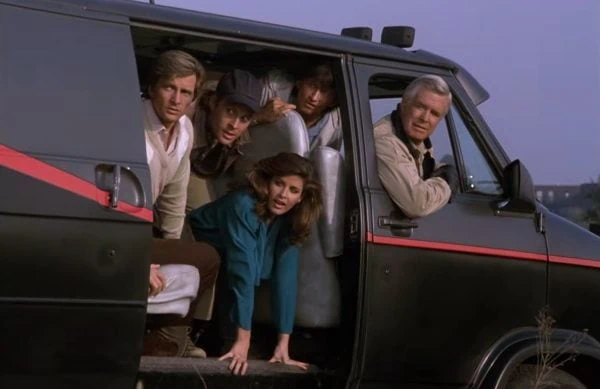
Despite boasting high-end production values and modern CGI action set-pieces, the film underperformed at the global box office and received a lukewarm critical response. The failure effectively scuttled any plans for a franchise reboot, proving that the specific lightning-in-a-bottle chemistry of the original 1980s cast could not be easily replicated.
Enduring Nostalgia
Today, The A-Team remains a gold standard of comfort-watch television. It represents an era when network television could deliver unpretentious, high-energy entertainment driven by lovable rogues, moral clarity, and a healthy dose of campy charm. As long as viewers appreciate underdog justice delivered with a smirk and a cigar, Hannibal Smith and his crew will always find a way to make a plan come together.
