
Broadway’s New Season: A Star-Studded Breakfast of Ambition, Relevance, and Reinvention
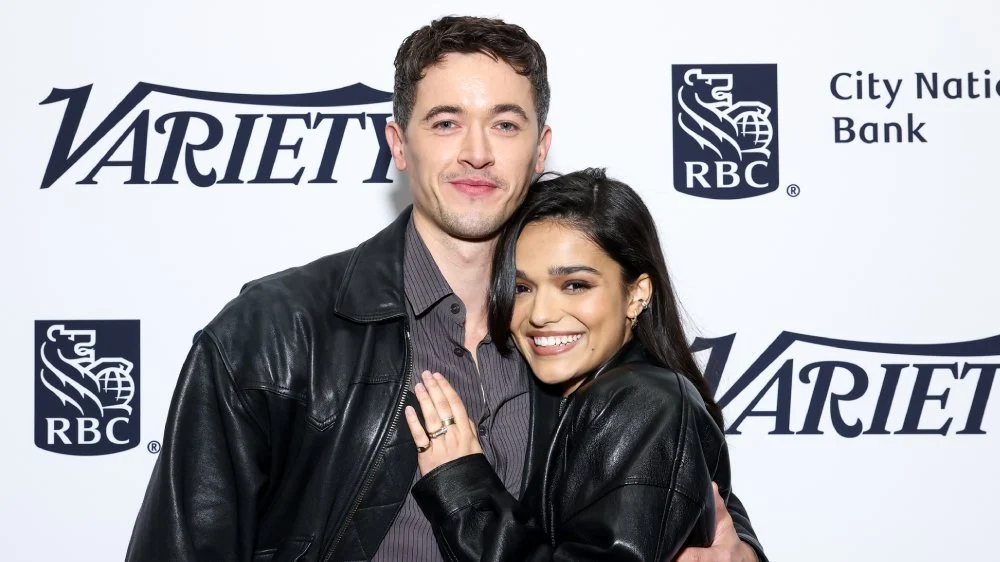
The air inside the Mandarin Oriental was thick with the scent of fresh egg soufflé and the palpable hum of creative anticipation as Variety hosted its annual Business of Broadway Breakfast. The event, presented by City National Bank, served as a high-profile kickoff for the upcoming theater season. From seasoned screen legends returning to their stage roots to rising stars navigating the transition between cinematic blockbusters and the boards of the Great White Way, the gathering provided a rare, intimate look at the machinery behind some of New York’s most anticipated productions.
Hosting the morning’s festivities was Tom Felton, a man synonymous with the icy, aristocratic menace of Draco Malfoy in the Harry Potter film franchise. Felton, who has found a second home on stage in Harry Potter and the Cursed Child, offered a moment of levity by admitting that even for an international star, the allure of Hollywood and Broadway royalty remains potent.
“Do you realize we’re going to be in the same room as Aaron Sorkin and Bradley Whitford?” Felton quipped to the crowd, his trademark charm fully engaged. “If you don’t think that’s cool, I don’t know what is. Needless to say, I’m a huge fan.”
Chronology of a Powerhouse Season
The morning was defined by a series of high-profile reunions and bold creative gambles. The assembly included the creative team behind the much-anticipated revival of Aaron Sorkin’s A Few Good Men, starring Bradley Whitford. The room was also abuzz with the presence of the Evita team, featuring the breakout star Rachel Zegler, alongside Diego Rodriguez and James Olivas.
Director Bartlett Sher and writer Adam Speers were in attendance to discuss Dolly: A True Original Musical, a biographical look at the late country icon, represented by stars Katie Rose Clarke and Carrie St. Louis. The convergence of these diverse talents highlighted a broader trend in the industry: the blending of established, intellectual property-driven narratives with radical, modern interpretations of legacy stories.
As the breakfast progressed, the conversation shifted from pleasantries to the "Tom Club"—a lighthearted brotherhood Felton claimed to have founded for actors named Tom making their Broadway debuts. “If anyone has Tom Hiddleston’s number, please, that would be helpful,” Felton joked, noting that he had already secured Tom Holland’s contact information.
The Timelessness of "A Few Good Men"
Perhaps the most substantive discussion centered on the revival of A Few Good Men. Written in 1989, the courtroom drama has long been a staple of American theater and cinema. However, both playwright Aaron Sorkin and star Bradley Whitford insisted that the play’s themes of systemic corruption and moral responsibility feel more urgent today than they did three decades ago.
“None of it feels anachronistic,” Whitford noted. The actor pointed to the current political climate, citing specific instances of presidential rhetoric that mirror the toxic power dynamics explored in the play. For Whitford, the production is less about nostalgia and more about a fundamental societal argument: “Do we cooperate and deal with things through legal procedures? Or is dominance the way forward?”
Sorkin, who admitted that he had previously resisted reviving his debut work, found himself re-engaged by director Michael Arden’s vision. “A Few Good Men was the first thing I ever wrote. I was young. I was green,” Sorkin reflected. The revival allowed him a rare opportunity to revisit his own source material with the benefit of hindsight, polishing the script while keeping the core narrative intact.
The Zegler Effect: Grit Behind the Glamour
Despite her meteoric rise from high school student to the lead in Steven Spielberg’s West Side Story and her high-profile roles in The Hunger Games: The Ballad of Songbirds and Snakes and the upcoming Snow White, Rachel Zegler remains remarkably grounded. Her participation in the radical, modern-pop reimagining of Evita—directed by Jamie Lloyd—underscores her commitment to the craft.
Zegler openly admitted that, despite her A-list status, the audition process remains a fundamental part of her life. “Yes, of course. I still audition for a lot of things,” she shared with the attendees. Her commitment to the role of Eva Perón was so fierce that she famously conducted her audition for the production via FaceTime while working in a basement theater on Broadway, juggling the demands of her run in Romeo + Juliet.
The Evita team, including Diego Rodriguez and James Olivas, emphasized that this production is as much about representation as it is about musical theater. In an industry where Latinos have historically been underrepresented, this production serves as a powerful testament to the talent within the community. Olivas pointedly remarked, “We are 20% of the population and represent just 3% of stories. Our show is a testament that Latinos can be doing these roles.”
Dolly Parton: The "Normal Girl" with Heels
The discussion surrounding Dolly: A True Original Musical provided a poignant look at the life of the late Dolly Parton. Stars Katie Rose Clarke and Carrie St. Louis, who portray the country legend at different stages of her life, shared stories of working under Parton’s direct supervision before her passing in August 2025.
The production, which debuted in Nashville, was a collaborative effort that required the actors to perform Parton’s iconic catalog in front of the woman who penned them. “It’s so nerve-wracking because you want to do her justice, but it also has to feel truthful,” St. Louis explained.
The anecdote that stole the morning involved Parton’s own self-perception. When cast members would apologize for getting starstruck, Parton would gently correct them, insisting she was “just a normal girl.” St. Louis recalled a moment when she tried to relate to the star by mentioning her grandmother’s advice about putting one’s pants on one leg at a time. Parton’s retort was classic: “Well, not me. I’m jumping in mine with heels on!”
Director Bartlett Sher captured the essence of the musical, noting that Parton herself provided the show’s thesis statement: “I’m a jezebel—and God loves me anyway.”
Strategic Shifts: Reaching New Audiences
The latter half of the event focused on the business realities of the current theatrical climate. Producers are increasingly looking to reach demographics that have traditionally been underserved by Broadway.
Haley Swindal, the lead producer for the upcoming Damn Yankees revival, is pioneering a unique cross-promotional strategy by partnering with Major League Baseball. By tapping into the existing fan base of the New York Yankees, Swindal hopes to bridge the gap between sports culture and musical theater. “While the sports-going audience might not be our general demographic,” Swindal noted, “I’m really excited to have them.”
Other producers, such as Brian Lee (Awake and Sing!) and Susan Kelechi Watson (School Girls; or, the African Mean Girls Play), emphasized the need for a balance between familiarity and education. For Watson, the goal of producing is to foster empathy through storytelling. “One of the things that’s drawn me to producing,” Watson explained, “is being able to bring women-centric stories to the stage—but that don’t alienate.”
Implications for the Future
The Variety Business of Broadway Breakfast served as more than just a promotional platform; it acted as a barometer for the state of the industry. The clear takeaway is that Broadway is no longer content to rely on the safety of the past. By inviting diverse voices, prioritizing authentic representation, and actively seeking out non-traditional theatergoers, the producers and artists present are signaling a new era of accessibility.
Whether it is the political urgency of Sorkin’s courtroom dramas, the cultural milestone of an all-Latino Evita, or the cross-pollination of baseball and Broadway, the upcoming season is defined by a desire to remain vital in an ever-changing cultural landscape. As Tom Felton concluded the event, the sentiment in the room was clear: theater remains the most powerful medium for connection, provided it is willing to evolve alongside its audience.
With the winter season approaching and rehearsals underway, the industry looks poised to challenge the status quo, ensuring that the lights on Broadway continue to shine for a broader, more engaged, and more representative audience than ever before.
