
The Visceral Odyssey of Inebriation: How Don’t Puke Redefines Cinematic Realism
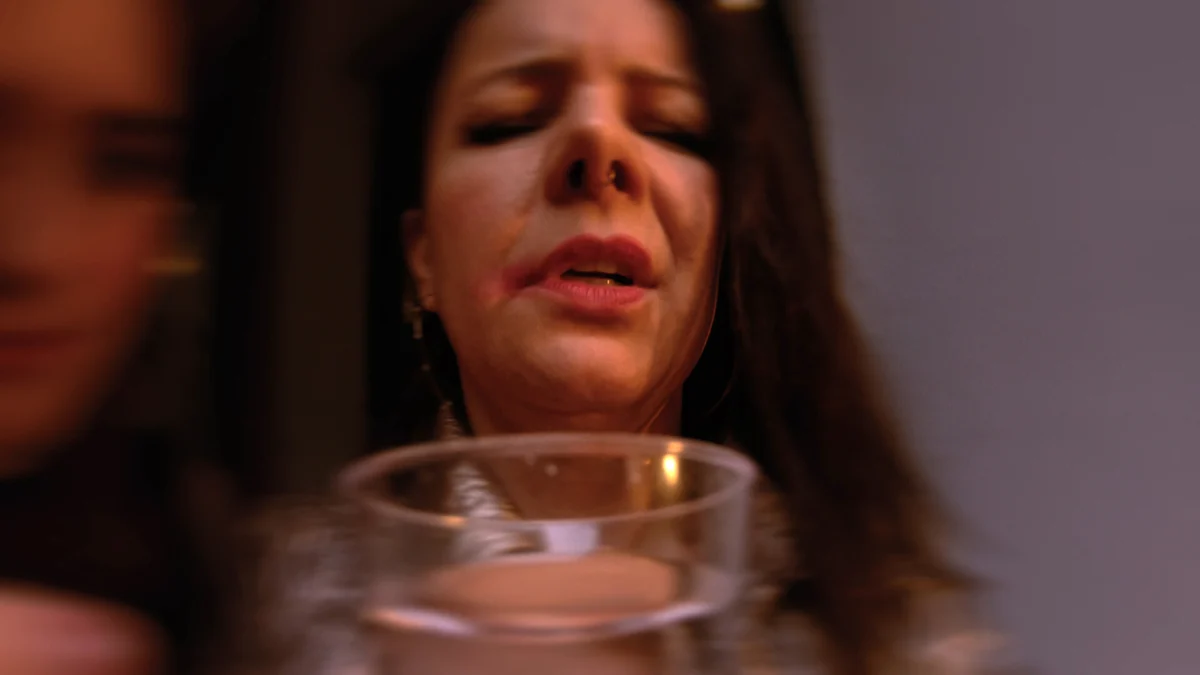
We have all been there: the smudged eyeliner, the spinning pavement, the singular, desperate mission to find a slice of late-night pizza, and the frantic, internal monologue praying for the strength to make it to the front door without a catastrophe. It is a universal rite of passage for many, a cautionary tale for others, and, for director Daniel Chisholm, the perfect subject for an exercise in extreme sensory filmmaking.
His latest short film, Don’t Puke, is not your typical "night out" flick. It is a hyper-realistic, stomach-churning chronicle of the journey home from a night of excessive drinking. Eschewing the Hollywood tropes of "tipsy" characters who are merely charmingly uncoordinated, Chisholm delivers an immersive, unflinching look at the physical reality of intoxication. It is a film that demands a physical reaction—and, as festival screenings have proven, it is remarkably successful at getting one.
The Genesis of a Grotesque Masterpiece
From Student Struggles to Cinematic Vision
The inspiration for Don’t Puke was born from the director’s own lived experience. Reflecting on his years as a university student, Chisholm realized that cinema had historically failed to capture the true, visceral nature of being "smashed."
"Having such intimate knowledge of what it feels like to be intoxicated, I often felt a bit let down by the depictions of inebriation on screen," Chisholm explains. "Most films show you someone who is ‘drunk’—a character who is loud or funny. They rarely show the physiological reality: the dizziness, the nausea, the loss of motor control, and the strange, tunnel-vision focus that defines that specific state of mind."
Chisholm’s objective was not to romanticize the party, nor to moralize about the consequences of binge drinking. Instead, he wanted to document the physical transition between the club and the couch. By stripping away the glamour and focusing on the messy, staggering, and often grotesque mechanics of walking home while impaired, Chisholm has created something that feels dangerously authentic.
A Technical Triumph: Crafting the Feeling of Dizziness
The Collaboration of Sight and Sound
Capturing a subjective state of mind on camera is a notoriously difficult feat. To achieve the nauseating, immersive quality of Don’t Puke, Chisholm assembled a powerhouse technical team, including Director of Photography Dillon Ritchie, sound designer Alexei Galar, and composer Paul Child.
The team avoided the "drunk goggles" approach often used in safety education videos, which can feel gimmicky and artificial. Instead, they focused on subtle, sophisticated shifts in camera movement and soundscapes. The cinematography mimics the protagonist’s shifting perspective, creating a world that tilts and sways at the wrong moments. The sound design serves to heighten the sensory overload, with the world outside—passing cars, street lights, the ambient noise of a city—filtered through a hazy, distorted lens that mirrors the protagonist’s own internal disarray.
"It’s not for the faint of heart," says Chisholm. "We wanted the audience to lose their footing alongside the protagonist." The synergy between Ritchie’s lens and Galar’s audio engineering creates a disorienting atmosphere that is far more effective than any special effect could be. The result is a film that doesn’t just show you what a drunken person sees; it makes you feel the equilibrium-shattering effects of the alcohol yourself.
The Performance: Janka Horakova’s Balancing Act
Anchoring the Chaos
While the technical wizardry is impressive, Don’t Puke would fall apart without a grounded human anchor. Enter Janka Horakova, whose performance as the unnamed protagonist is nothing short of a masterclass in physical acting.
Playing "drunk" is a common trap for actors; it is easy to overact, turning a realistic situation into a caricature. Horakova, however, strikes a delicate balance. She manages to convey the sheer physical labor involved in basic movement—the way the body tries to compensate for a lack of balance, the twitchy facial expressions, and the intense focus required to perform simple tasks like opening a door or navigating a sidewalk.
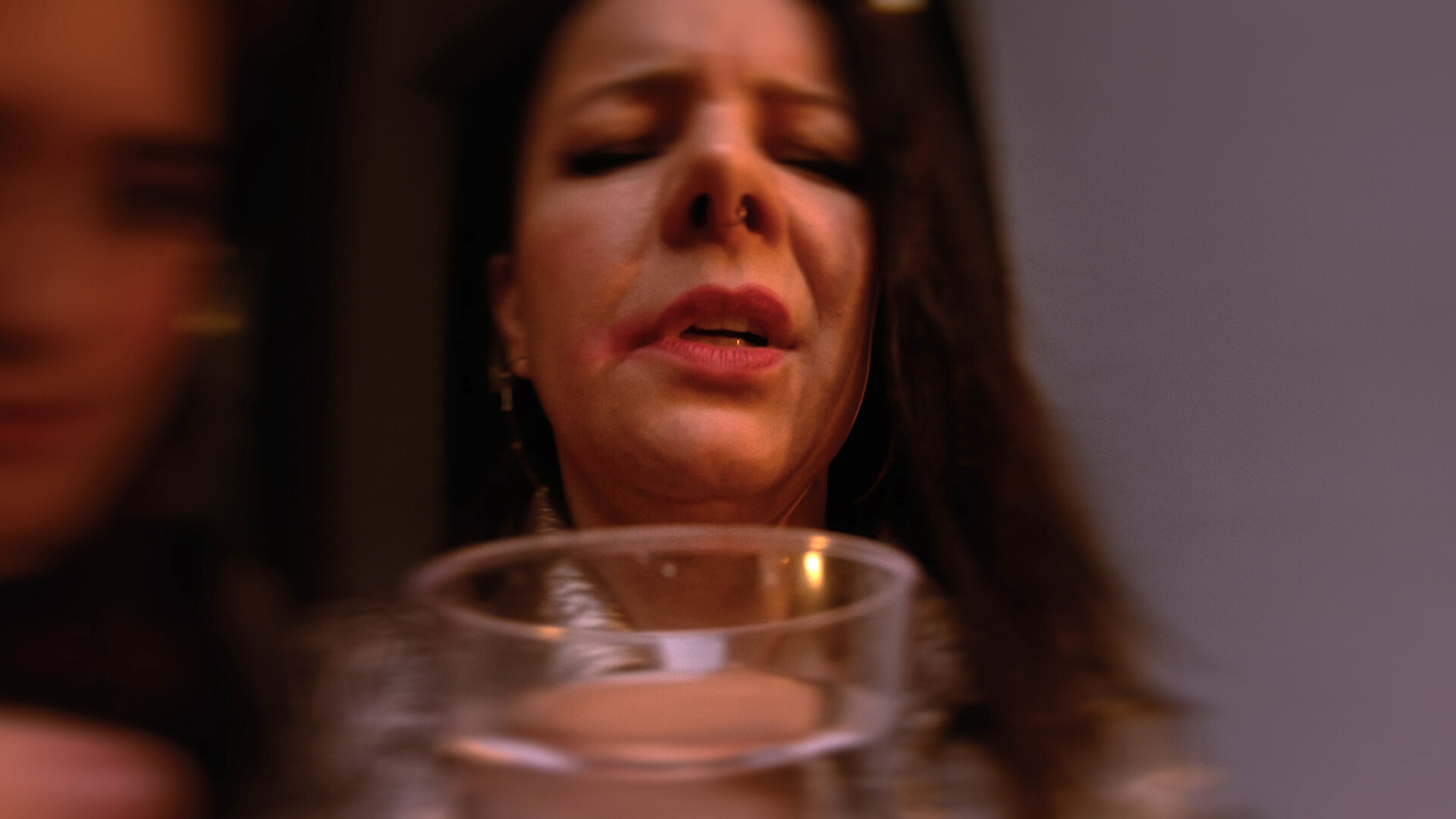
Her performance is the heart of the film. We aren’t just watching a spectacle; we are rooting for her. We share in the relief of finding a water bottle, the panic of a near-mishap, and the ultimate, exhausted collapse onto the couch. Horakova’s ability to remain relatable while in such a vulnerable, unvarnished state is what keeps the film from veering into pure repulsion. She brings a humanity to the role that reminds the audience that, underneath the mess, there is a person just trying to get home.
Narrative Arc and the "Self-Deprecating Wink"
Finding Humor in the Horrors
Despite the intensity of the sensory experience, Don’t Puke does possess a clear narrative structure. The film is fundamentally a quest story—the "Odyssey Home." By providing this simple, driving goal, Chisholm allows the audience to latch onto a purpose.
The film also finds moments of levity through a "cheeky, self-deprecating wink." Chisholm frequently shifts the perspective, pulling the camera back to allow the audience to observe the protagonist from the outside. These moments act as a pressure valve, allowing the viewer to laugh at the absurdity of the situation. The score, composed by Paul Child, plays a pivotal role here, underscoring the irony of the protagonist’s struggle. This blend of dark, physical comedy and genuine, nauseating realism is what gives the film its unique tone. It is a work that manages to be simultaneously hilarious and deeply uncomfortable.
The Festival Circuit and Audience Reception
Providing the "Vomit Bags"
The film’s effectiveness has been proven on the international festival circuit, including well-received screenings at Aesthetica and the Palm Springs ShortFest. The reaction has been, predictably, visceral. In a nod to the film’s intensity, the filmmakers even provided vomit bags for audience members at some screenings—a marketing stunt that, in this case, was backed by genuine physical efficacy.
For many viewers, the film acts as a mirror, forcing a confrontation with their own past experiences. For others, it serves as a powerful deterrent. By stripping away the social lubrication of alcohol and showing the raw, unglamorous mechanics of inebriation, Chisholm forces the audience to view the "night out" through a much more objective, and often sobering, lens.
Future Endeavors
From the Streets to Science Fiction
While Don’t Puke has garnered significant attention for its singular vision, Daniel Chisholm is already looking toward his next projects. Proving his versatility as a storyteller, he is currently developing a near-future science fiction feature. The move from the hyper-realism of the streets to the speculative world of sci-fi is a natural evolution for a director clearly interested in exploring human behavior under extreme conditions.
Simultaneously, Chisholm is working on a new short film that touches on deeply personal territory: his family’s history living in Africa and the complex, lingering weight of post-colonial guilt. This shift toward more introspective, sociopolitical themes suggests that while Don’t Puke was a masterclass in sensory manipulation, Chisholm’s career is poised to explore the depths of human experience in far more complex ways.
Implications for Modern Independent Cinema
The Power of Sensory Filmmaking
Don’t Puke stands as a testament to the power of independent, high-concept short filmmaking. In an era where audiences are often bombarded with CGI-heavy spectacle, Chisholm’s work reminds us that the most effective cinematic experiences are often those that are grounded in raw, physical reality.
By focusing on a singular, universal human experience and executing it with absolute commitment, Chisholm has created a film that is impossible to ignore. Whether you leave the theater feeling nostalgic, repulsed, or simply relieved that you’re not the one stumbling down the street, the film succeeds in its primary goal: it forces you to feel. And in a landscape of passive media consumption, that is perhaps the most important contribution a filmmaker can make.
