For cinephiles and music historians alike, few cinematic backdrops match the electric anticipation of the Sundance Film Festival. Nestled in the snowy peaks of Park City, Utah, the festival serves as an incubator for tomorrow’s cinematic giants, offering audiences a rare, front-row seat to the evolving landscape of independent filmmaking. While the silver screen often introduces us to visionary storytellers through their finished works, a deeper curiosity frequently lingers: Who are these artists behind the lens, and what drives their creative engines?
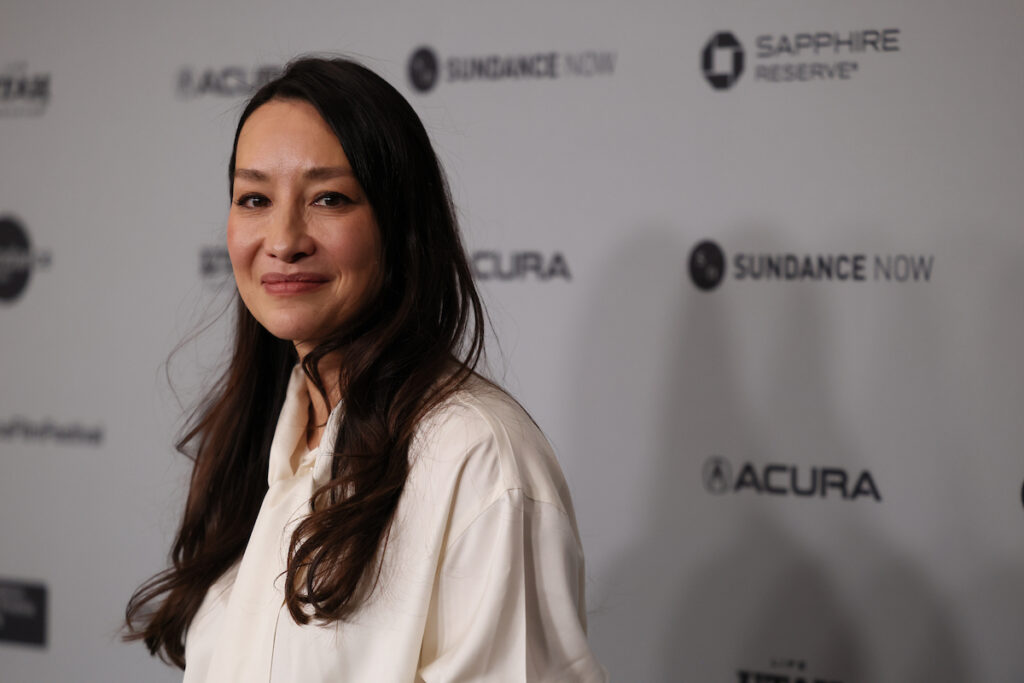
To answer that question, the Sundance ongoing editorial series, Give Me the Backstory!, dives deep into the personal and artistic wells of the festival’s most compelling directors. At the 2026 Sundance Film Festival, one of the most talked-about premieres was The Disciple: A Wu-TangFable, a feature documentary directed by acclaimed filmmakerJoannaNatasegara.
The film tackles one of the most bizarre, secretive, and fiercely debated chapters in modern music history: the creation and infamous legacy of Once Upon a Time in Shaolin, the exclusive, single-copy double album by legendary hip-hop collective the Wu-Tang Clan. Infused with a crate-digger’s reverence for 1990s hip-hop culture, Natasegara’s directorial debut traces the improbable journey of Tarik “Cilvaringz” Azzougarh—a Dutch-Moroccan immigrant outsider who infiltrated hip-hop’s most formidable inner circle and helped orchestrate its most radical artistic statement.
Main Facts: The Legend of Once Upon a Time in Shaolin
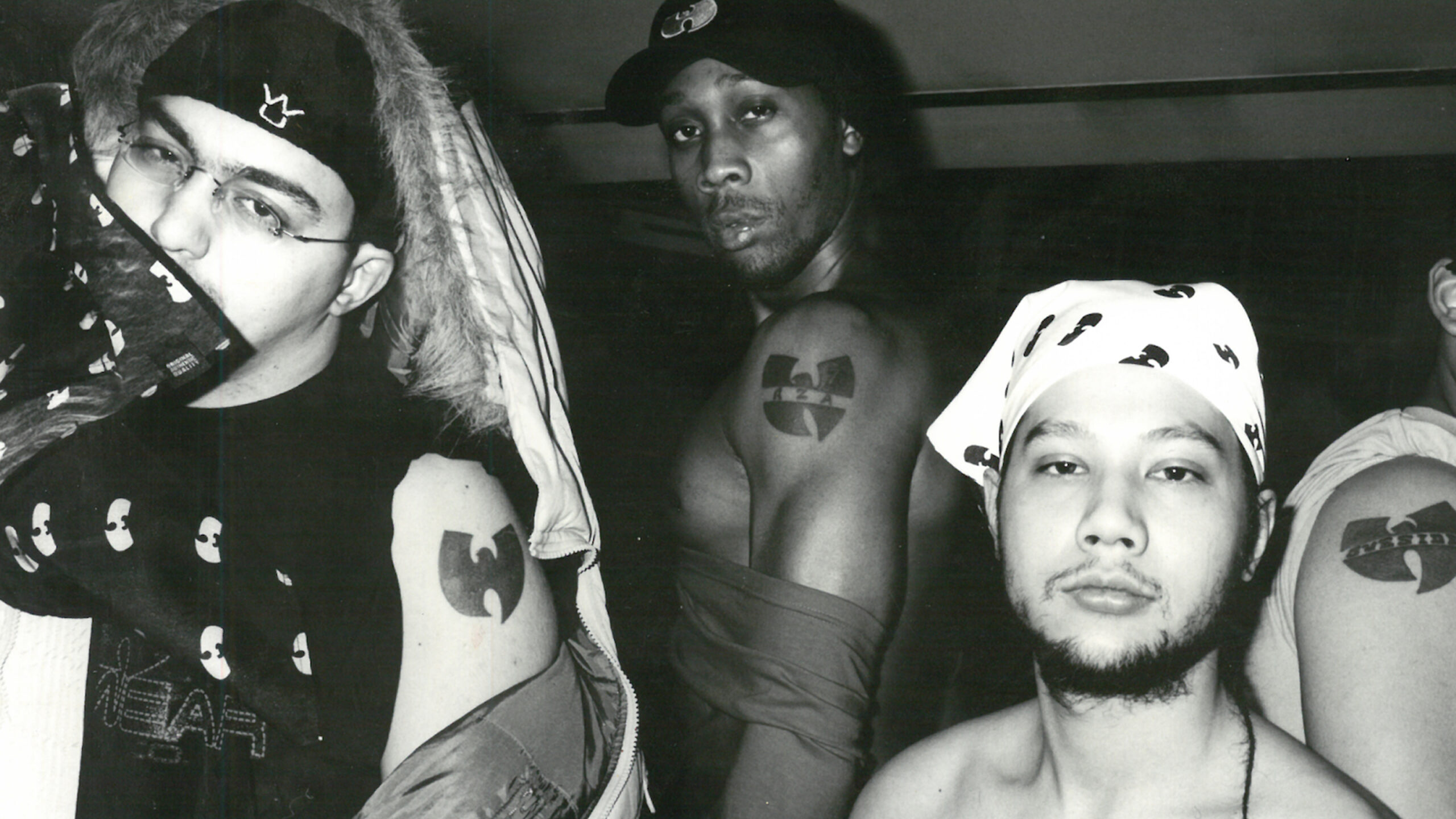
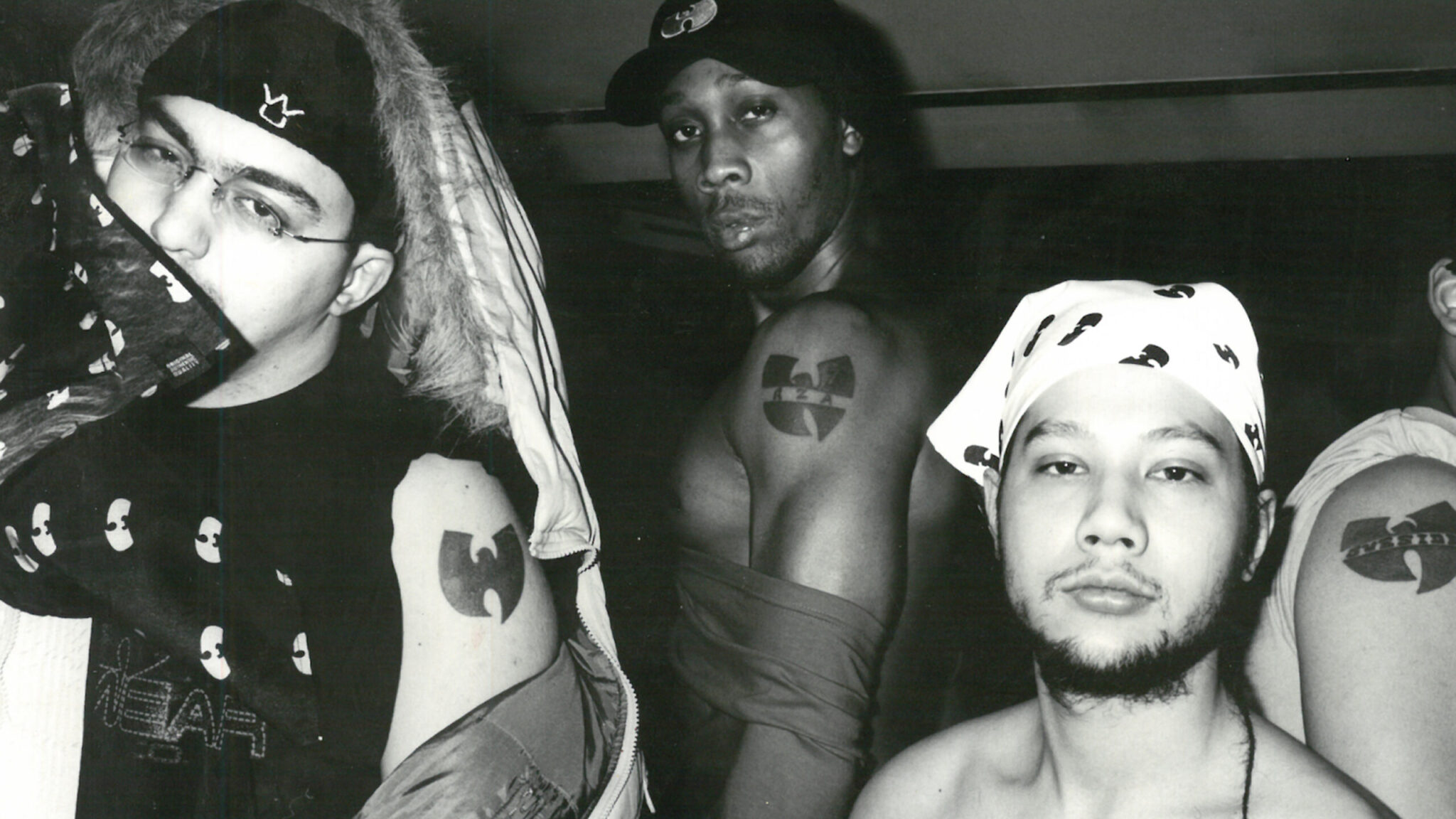
To understand the weight of Natasegara’s documentary, one must examine the monumental subject matter at its core. Most music enthusiasts consider themselves fortunate to secure a spot near the front row of a favorite band’s concert. Tarik “Cilvaringz” Azzougarh transcended the traditional boundaries of fandom entirely. As a devoted devotee of the Staten Island-born Wu-Tang Clan, Azzougarh bridged the geographical and cultural divide between Morocco, the Netherlands, and New York City to become a trusted insider and collaborator.
The pinnacle—and most controversial manifestation—of this collaboration was Once Upon a Time in Shaolin. Conceived and produced by Cilvaringz alongside Wu-Tang mastermind RZA, the project was designed as a direct protest against the capitalistic commodification, devaluation, and digital streaming dilution of music in the 21st century.
In a radical challenge to industry norms, the album was pressed as a single physical copy housed in a hand-carved nickel-silver box crafted by Moroccan artisans. Crucially, the album was legally barred from commercial sale, broadcast, or mass distribution until the year 2103.
This audacious artistic gambit ignited a global firestorm. It forced legal, philosophical, and cultural scholars to debate fundamental questions:
What constitutes fine art in the digital age?
Who holds the ultimate right to own, experience, and gatekeep cultural artifacts?
The saga took an even more infamous turn in 2015 when the exclusive album was purchased at auction by Martin Shkreli—the disgraced pharmaceutical executive later convicted of securities fraud—for a reported $2 million. The Disciple: A Wu-Tang Fable unpacks this sprawling, surreal narrative, exploring how an immigrant fanboy helped catalyze one of the most provocative art stunts of the modern era.
Chronology: Tracing Three Decades of Music, Migration, and Myth
Bringing a narrative spanning thirty years to the screen is no small feat. The Disciple weaves together several distinct chronological threads:
The 1990s Golden Era: The cultural awakening of Tarik Azzougarh in Europe, fueled by import cassette tapes, martial arts cinema, and the revolutionary sonic blueprint laid down by the Wu-Tang Clan’s debut albums.
The Infiltration and Collaboration: Azzougarh’s relentless pursuit of his idols, leading to direct mentorship under RZA, relocation to New York, and hands-on production credits within the Wu-Tang extended universe.
The Creation of the Vault (2007–2014): The clandestine, years-long recording process behind Once Upon a Time in Shaolin, executed in total secrecy across global locations without the knowledge of standard record labels.
The 2015 Auction and Shkreli Fallout: The media circus surrounding the sale of the sole physical copy to Martin Shkreli, transforming an anti-capitalist conceptual art piece into a lightning rod for internet infamy.
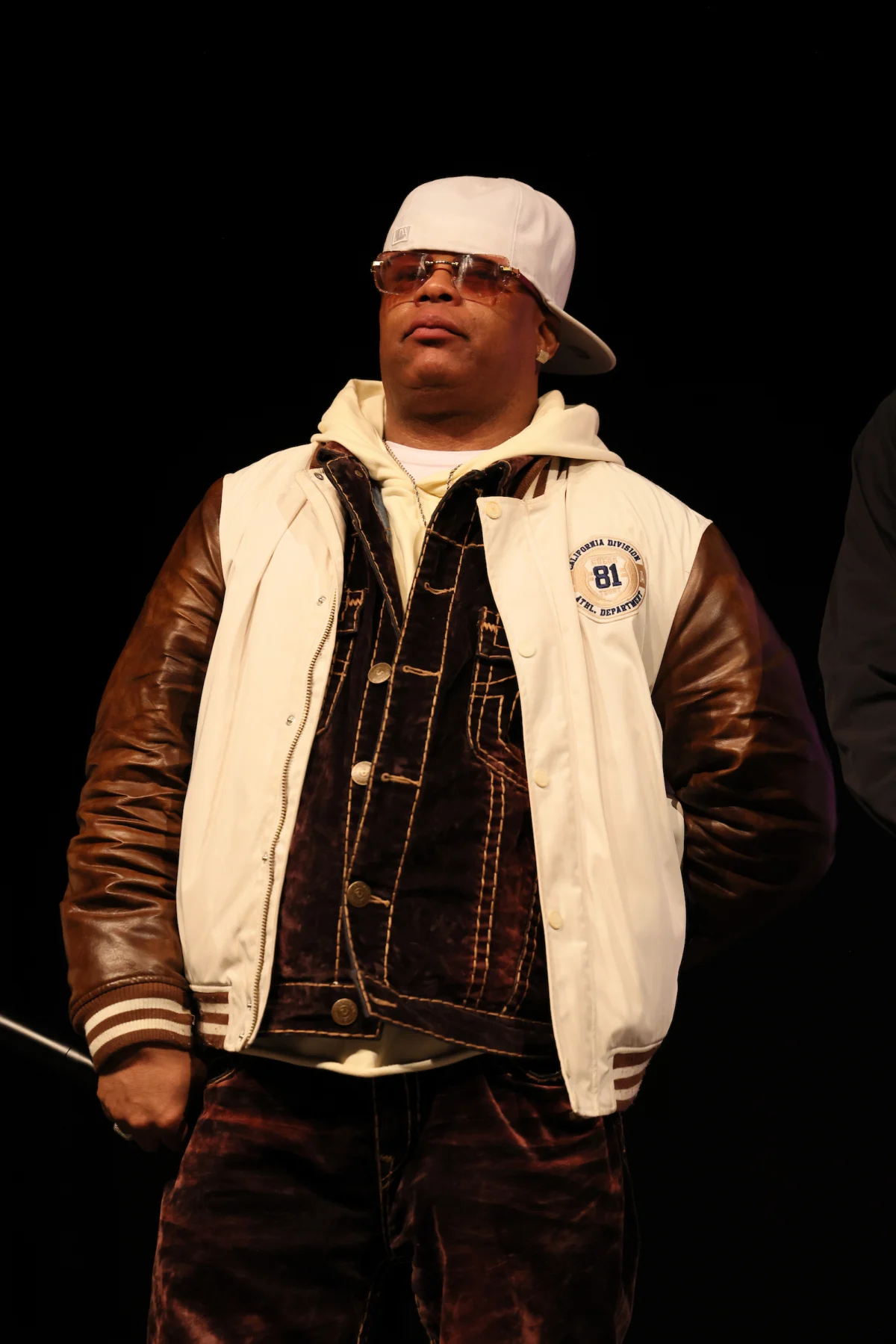
The Sundance Premiere (January 2026): The culmination of years of archival excavation and interviews, premiering to eager audiences at the Eccles Theatre in Park City, Utah, with key figures like Shabazz the Disciple and director Joanna Natasegara in attendance.
Supporting Data and Director’s Insights
In an exclusive interview with the Sundance Institute, Joanna Natasegara opened up about the logistical hurdles, artistic inspirations, and personal philosophies that shaped the documentary.
The Creative Inspirations and 90s Aesthetic
When asked about the driving forces behind the film’s visual and thematic tone, Natasegara pointed directly to the cross-cultural pollination that defined her own upbringing and the era’s media landscape.
"As I was considering how to make this film, I thought about the core themes that resonated with me. The wonderful beauty of connected immigrant and minority communities sharing cultures and influences was a key part of my childhood and is at the core of this story," Natasegara explained.
She cited Mathieu Kassovitz’s seminal 1995 French crime drama La Haine as a key reference point, alongside the gritty aesthetics of 90s hip-hop music videos and martial arts cinema—genres that fundamentally shaped the Wu-Tang Clan’s cinematic mythology.
Overcoming the Logistical Nightmare of Editing 30 Years
Condensing three decades of dense music history, legal battles, shifting alliances, and colorful personalities into a cohesive feature-length documentary presented immense challenges.
"Condensing a 30-year story, with many twists and turns and a large cast of characters down into a film has been a challenge and a half, but one that we’ve relished," said Natasegara. Despite the editing room hurdles, she noted that the process remained joyful: "The characters are all larger than life, and it’s been wonderful spending time with them. We danced and laughed in the edit in equal measure."
Creative Heroes and Cinematic Philosophy
Natasegara, whose impressive career as a documentary producer includes previous Sundance entries like The Edge of Democracy (directed by Petra Costa) and The Dating Game (directed by Violet Du Feng), looks to artists who bridge emotional depth with technical mastery. When asked about her creative heroes, she responded:
"Barry Jenkins, Ang Lee, Robin Williams—anyone who can marry complexity with humanity is a wizard in my eyes."
Reflecting on her own methodology as a storyteller, Natasegara highlighted curiosity as her primary engine: "I think I am very, very curious about what makes people tick. That helps."
Official Responses and Cultural Resonance
The release of The Disciple: A Wu-Tang Fable arrives at a precarious cultural juncture. For Natasegara, the timing of the film’s release is not accidental; it is a deliberate intervention in a polarized world.
"I think an empowering story about the cultural power of immigrant and minority communities and the beauty of tolerance is a pretty necessary one right now," Natasegara emphasized during her Sundance discussions.
In an era dominated by algorithmic echo chambers, deepfakes, and post-truth skepticism, Natasegara views documentary filmmaking not merely as an informational medium, but as an essential tool for human empathy.
"I’ve produced films for a long time, always to share untold stories or communicate something. I think right now, in a post-truth era, and one that is increasingly frightening and negative, we need stories more than ever and to find each other in connection and understanding instead of fear and divisiveness."
Furthermore, the film’s underlying message to aspiring artists is deceptively simple yet profoundly demanding: chase your passions without compromise.
"I hope this story entices people to go for what they want in life and to rid themselves of the shackles that hold them back," Natasegara said. "Tarik, as the ultimate fanboy, never doubted his dream and just went for it. The Wu-Tang Clan and the philosophies that inspired them were always grounded in ethics and positivity, so I think the combined message is go for it, while staying ethical, and have fun!"
Implications: What The Disciple Means for the Future of Independent Media
As The Disciple: A Wu-Tang Fable continues its festival run following its triumphant premiere at the Eccles Theatre, its cultural impact extends far beyond hip-hop trivia or documentary metrics. The film challenges independent filmmakers to rethink how subcultures are documented—moving away from sanitized, PR-driven biographies and toward raw, character-driven explorations of obsession, outsider art, and systemic defiance.
For Joanna Natasegara, transitioning from an acclaimed documentary producer to a feature director with her own debut has felt remarkably cyclical. Reflecting on her history with the Sundance Institute—from attending with The Edge of Democracy, to returning with The Dating Game, to premiering her own directorial debut—she describes the journey as pure serendipity.
Ultimately, The Disciple stands as a testament to the power of unyielding fandom, proving that when passion meets uncompromising artistic vision, even an immigrant kid from the Netherlands can leave an indelible mark on the legacy of American hip-hop royalty. As Natasegara advises her fellow filmmakers entering the cinematic arena: "Listen more." In the case of The Disciple, listening closely to the margins of culture revealed a story the world never knew it needed to hear.
Quick Facts: The Disciple: A Wu-Tang Fable
Director: Joanna Natasegara
Subject: Tarik “Cilvaringz” Azzougarh and the Wu-Tang Clan
Festival Premiere: Sundance Film Festival (January 22, 2026 – Park City, UT)