
The Longevity Paradox: Navigating the Lifecycle of Google Pixel Software Support
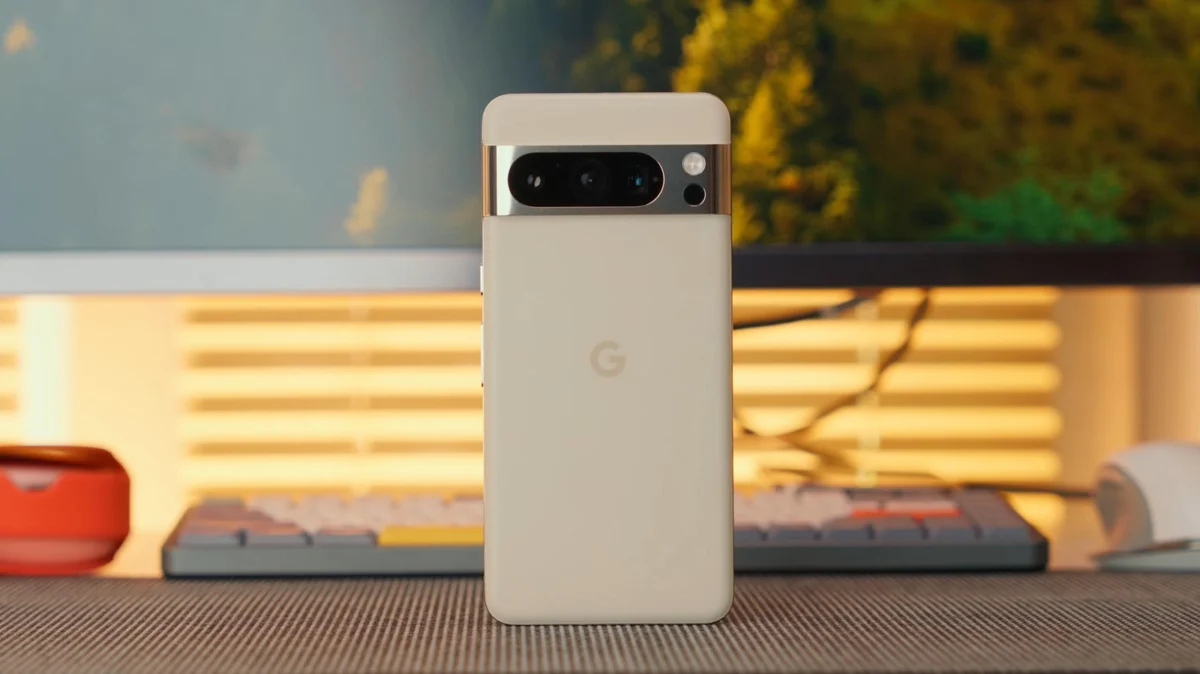
For years, the Achilles’ heel of the Android ecosystem was software fragmentation and premature obsolescence. While hardware manufacturers pushed the boundaries of camera optics and processing power, the "expiration date" of a smartphone remained a looming shadow. Google, aiming to challenge the industry standard, fundamentally shifted the narrative with the release of the Pixel 8 series in 2023. By committing to an unprecedented seven years of OS and security updates, Google didn’t just upgrade a policy—it redefined the expected lifespan of a mobile device.
However, beneath this headline-grabbing promise lies a complex reality. Not all Pixel devices are created equal, and the longevity of your smartphone is strictly dictated by its launch date. For the average consumer, navigating these support windows is essential for both data security and financial planning.
The Landscape of Support: A New Industry Benchmark
When Google announced its seven-year support pledge for the Pixel 8 and subsequent models, it sent shockwaves through the mobile industry. Historically, Android devices were often relegated to "legacy status" after a mere two or three years of major software updates. This rapid depreciation was a primary driver for e-waste and a significant deterrent for consumers looking for long-term value.
Google’s pivot effectively placed it in direct competition with—and in some areas, ahead of—market leaders like Apple and Samsung. While Samsung has made significant strides, pledging four years of OS updates and five years of security patches for many of its devices, Google’s commitment to a seven-year cycle for both OS upgrades and security fixes represents a monumental shift. By ensuring that a device purchased today will remain functionally and securely relevant into the early 2030s, Google is effectively arguing that the "flagship" experience should not be a transient one.
Chronological Breakdown: Mapping Your Pixel’s Expiration
Understanding where your specific model falls within the support lifecycle requires more than a glance at the hardware; it requires an understanding of the device’s "birth" on the Google Store. Google’s support windows officially begin the month a device is first made available for purchase in the United States.
The Legacy Era (Pixel – Pixel 5a)
For owners of the original Pixel through the Pixel 5a, the support window has officially closed. These devices no longer receive official security patches or OS updates. While they remain functional, they are effectively "frozen in time," making them increasingly vulnerable to evolving digital threats.
The Five-Year Transitional Devices (Pixel 6, 7, and Fold)
Devices released between 2021 and 2023 occupy a middle ground. The Pixel 6 and 7 families, along with the first-generation Pixel Fold, operate on a five-year support lifecycle.
- Pixel 6 & 6 Pro: Approaching their sunset, these devices will stop receiving updates in October 2026.
- Pixel 6a: Expected to reach the end of its support cycle in July 2027.
- Pixel 7 & 7 Pro: These flagships are slated for end-of-life in October 2027.
- Pixel 7a: Support will cease in May 2028.
The Seven-Year Commitment (Pixel 8 and Beyond)
Starting with the Pixel 8, Google solidified its long-term strategy. These devices are guaranteed seven years of updates, a timeline that stretches well into the next decade.
- Pixel 8 & 8 Pro: Supported through October 2030.
- Pixel 8a: Supported through May 2031.
- Pixel 9 Series: The standard and Pro models are slated for support until August/September 2031.
- Pixel 9a: Supported through April 2032.
- Pixel 10 & 10 Pro: Supported through August 2032.
- Pixel 11 & 11 Pro: The most recent entries in the ecosystem are guaranteed updates until August 2033.
Supporting Data: Why Timing Matters
The correlation between software support and device value is undeniable. A smartphone that continues to receive the latest Android features and security patches retains its resale value far longer than one that has been abandoned by its manufacturer.
Data from the secondhand market indicates that devices with at least 18 months of remaining software support sell at a premium compared to devices that are approaching their end-of-life. Furthermore, the "security patch" component of this support is critical. Monthly security patches are the digital equivalent of an immune system, protecting users against exploits that target the Linux kernel and the Android framework. When these patches stop, the device does not immediately fail, but its exposure to malware, phishing exploits, and data breaches increases exponentially with every passing month.
Official Responses and the Corporate Strategy
Google’s decision to extend support to seven years was not purely altruistic; it was a strategic move to cement brand loyalty. By reducing the friction associated with upgrading, Google aims to keep users within its ecosystem.
In public statements, Google representatives have emphasized that this move is part of a broader effort to improve the sustainability of their products. By enabling users to hold onto their phones for longer, Google claims to be addressing the environmental concerns associated with the rapid turnover of consumer electronics. Furthermore, the standardization of hardware components—specifically the transition to the proprietary "Tensor" silicon—has allowed Google to better manage the software-hardware integration, making long-term support technically feasible in a way it wasn’t when the company relied on third-party processors.
The "Afterlife": Limitations of Post-Support Usage
For power users, the end of official support is rarely the end of the phone’s usefulness. However, there are significant hurdles to maintaining a "dead" device.
The Security Dilemma
Continuing to use a device that is no longer receiving security updates is a calculated risk. Most security vulnerabilities are discovered in the underlying framework of the OS. When Google stops pushing patches, the door is left open for attackers to exploit these known vulnerabilities. While common sense and cautious browsing can mitigate some risk, the device becomes inherently less safe for banking, identity management, and sensitive communications.
The Custom ROM Landscape
Many enthusiasts turn to community-driven projects like LineageOS or privacy-hardened alternatives like GrapheneOS to keep older hardware relevant. While these projects are impressive, they come with caveats:
- Firmware Constraints: Custom ROMs are limited by the original firmware. If a vulnerability exists in the proprietary blobs or the kernel code that Google no longer updates, the custom ROM developer cannot fix it.
- SafetyNet and Banking: Many modern applications, especially banking and mobile payment apps, rely on "Verified Boot" or SafetyNet/Play Integrity API. Because custom ROMs require an unlocked bootloader, these security-sensitive apps often refuse to run, rendering the phone less useful for daily tasks.
- Performance Overheads: Older hardware may struggle with the latest versions of Android, even if those versions are ported via custom software. The lack of optimized drivers can lead to battery drain, thermal issues, and degraded camera performance.
Implications for the Future of Mobile Hardware
The shift toward seven-year support cycles forces a re-evaluation of how consumers buy phones. We are moving away from the "two-year contract" mindset where a new phone was an inevitable biennial expense.
For the average consumer, this is a win. It means that purchasing a high-end device—even a slightly older one at a discount—is now a more viable long-term investment. If you buy a Pixel 8 today, you are purchasing a device that will be relevant until 2030. This changes the math of the "total cost of ownership," as the cost of the device is spread out over a much longer period of utility.
However, it also places more responsibility on the consumer to stay informed. Users must now be cognizant of their device’s release date, as the "end of life" is a distinct, verifiable date. As we look toward the horizon, the expectation is that other manufacturers will be forced to follow suit. The industry is reaching a tipping point where software support is no longer a luxury feature, but a baseline requirement for any device that claims to be a premium product.
In conclusion, while Google’s commitment to longevity is a significant step forward for the industry, the responsibility to manage the digital lifecycle of the device remains with the user. By staying aware of the support windows for the Pixel series, consumers can make better-informed decisions, protect their personal data, and extend the functional life of their technology in an era where sustainability and longevity are finally taking center stage.
