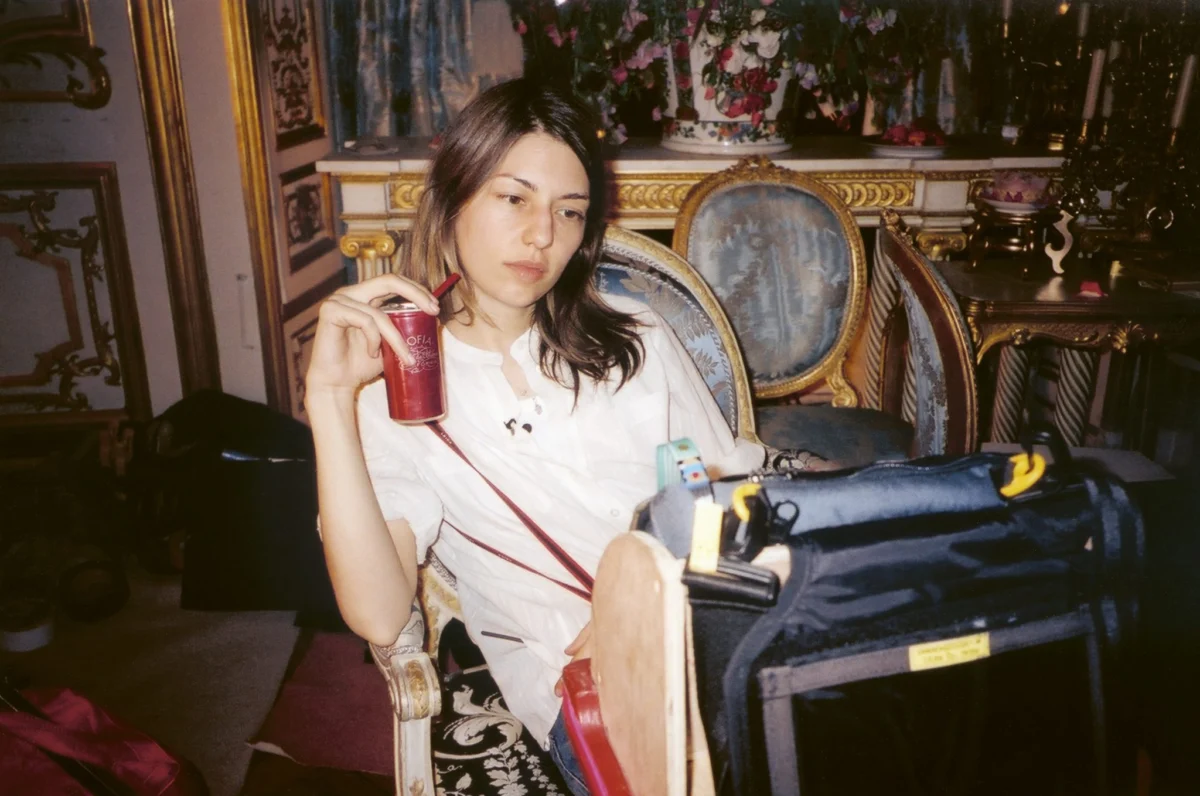
A Daughter’s Final Cut: Sofia Coppola Remembers Eleanor Through the Lens of Making Marie Antoinette
Main Facts: Completing a Mother’s Vision
In April 2024, the cinematic world mourned the loss of EleanorCoppola. Revered as the anchor, artistic force, and matriarch of one of film history’s most extraordinary families—alongside her husband, legendary director Francis Ford Coppola, and their acclaimed children, Sofia and Roman—Eleanor carved out an indelible legacy of her own. Though widely celebrated as a supportive partner and mother, Eleanor was an uncompromising multimedia artist, memoirist, and documentarian in her own right.
Her final, posthumously released film, MakingMarieAntoinette, serves as a testament to her unique artistic vision. Composed of over 80 hours of behind-the-scenes footage Eleanor captured in 2005 during the production of Sofia’s landmark historical drama Marie Antoinette, the project remained unedited when Eleanor passed away. Stepping into the role of both guardian and co-creator, Sofia Coppola took up the mantle to see her mother’s final film across the finish line.
Released to theaters before arriving on MUBI, Making Marie Antoinette combines daily diary entries voiced by Eleanor with rare, candid footage of the production. Rather than functioning as a standard "making-of" documentary, the film offers a deeply self-reflective, contemplative portrait of a young Sofia Coppola navigating the immense pressures of studio filmmaking, viewed through the loving and observant lens of her mother.
Chronology: From 2005 Production to Posthumous Release
The timeline of Making Marie Antoinette spans two decades, capturing a profound artistic and personal evolution:
Spring and Summer 2005: Eleanor Coppola shadows her daughter on the European sets of Marie Antoinette, recording more than 80 hours of intimate video footage, capturing everything from star-studded interactions to the quiet, meticulous work of background actors and costume designers.
2020: Amid the onset of the global pandemic, Eleanor and Sofia begin reviewing the massive archive together. They ponder whether the footage could be shaped into a cohesive cinematic piece, aligning with Eleanor’s parallel efforts to publish the third volume of her personal journals.
April 2024: Eleanor Coppola passes away at the age of 87. At the time of her death, she and Sofia had reviewed the footage and discussed potential editing strategies, but formal production on the edit had not yet begun.
2024–2025: Sofia Coppola rallies to finish the project. She teams up with editor Aaron Matthews—recommended by a close friend of Eleanor—to piece together the narrative. Working against the unofficial deadline of the film’s anniversary, Sofia dedicates an intense year to locking the final cut.
Late 2024:Making Marie Antoinette premieres in theaters ahead of its streaming debut on MUBI on November 6, released alongside a newly minted 4K restoration of the original 2006 feature film.
Supporting Data: The Logistics and Scale of a Family Archive
Archive Size: Over 80 hours of raw, unedited footage shot by Eleanor Coppola during the 2005 production.
Creative Collaboration: Edited by Aaron Matthews under Sofia Coppola’s direction, integrating Eleanor’s written diary entries as primary narration.
Release Platform: Distributed theatrically before landing on MUBI on November 6, paired with the 4K restoration of Marie Antoinette starring Kirsten Dunst and Jason Schwartzman.
Coppola Family Milestones:Making Marie Antoinette marks Sofia Coppola’s second consecutive documentary project, following a career defined primarily by narrative feature films like Lost in Translation, The Virgin Suicides, and Priscilla.
Official Responses: Sofia Coppola on the Emotional Weight of the Project
In an interview following the release of Making Marie Antoinette, Sofia Coppola opened up about the emotional toll, the surreal nature of revisiting her younger self, and the collaborative dynamic she shared with her mother on set.
Reflecting on taking over the project after Eleanor’s passing, Sofia explained:
"She had just been reviewing the footage, but we hadn’t started editing… So I was going through it with her, and she was explaining what parts she was drawn to. And then I found the editor after she passed and tried to figure out how to finish it in the way she would want it."
Watching herself on screen as a young filmmaker presented unexpected emotional hurdles.
"It’s really weird to go back to that time," Sofia admitted. "I love seeing Jason [Schwartzman] and Kirsten [Dunst] and being on that set without the stress of being in the moment of it… But it do get a little stressed watching it. Like, that feeling of those days on set, how intense it was. And it’s cringy for me to see myself."
Explaining the source of that cringe, Sofia noted the vulnerability captured by her mother’s ever-present camera:
"Just to see myself on camera being a young director, not quite as comfortable being assertive about things. And, like, when I’m irritable. I’m vulnerable in a way that I would never be with a normal behind-the-scenes crew."
Despite the vulnerability, Sofia emphasized the collaborative, encouraging presence her mother maintained. Unlike standard documentary crews that can feel invasive, Eleanor’s presence was a comforting, familiar fixture of the Coppola family dynamic.
"I grew up on set and with her shooting, so I kind of just go with that part of the atmosphere on set. And it was nice to have my mom there, because she was so into it. She’s so encouraging and loved seeing what was all being put together."
When asked about involving her father, legendary director Francis Ford Coppola, in the editing process, Sofia noted that while she shared rough cuts with him to benefit from his renowned editorial instincts, the responsibility of honoring her mother remained a deeply personal mission.
"I just felt like my mom wanted it done, so I felt like I was on a mission, like I had to complete this for her. And, in a way, it was a gift that she gave this to me, this footage of this time in my life that I got to revisit and see through her point of view."
Implications: A Shift in Perspective and Future Directions
The completion and release of Making Marie Antoinette carry significant implications for both Sofia Coppola’s artistic trajectory and the preservation of the Coppola family legacy.
For Sofia, diving into her mother’s archive served as an accidental catalyst for self-reflection. Confronted with footage of herself stressing over trivial details—such as wig adjustments for background extras—the director gained a newfound sense of grace regarding her early career. It highlighted the evolutionary nature of artistry, proving that directors do not emerge fully formed, but rather grow through trial, error, and youthful naivety.
Furthermore, the project represents a rare bridge between generations of cinematic royalty. Eleanor Coppola’s documentarian ethos was never about sensationalism; it was about capturing the human element behind monumental artistic endeavors. By turning her lens on her daughter during the most expensive and demanding shoot of Sofia’s career, Eleanor documented the intersection of maternal support and professional trial under historic pressure.
Now that Making Marie Antoinette is out in the world, Sofia Coppola closes the chapter on her recent documentary detour. Having spent the better part of a year immersed in archival footage and memorializing her mother’s perspective, Sofia expressed an eagerness to return to narrative filmmaking. Whether the intimate, hands-on lessons learned from reviewing her past will influence her upcoming narrative projects remains to be seen, but Making Marie Antoinette stands as a poignant, permanent monument to an extraordinary creative partnership between mother and daughter.