
A Gothic Renaissance: Reviewing Castlevania: Belmont’s Curse
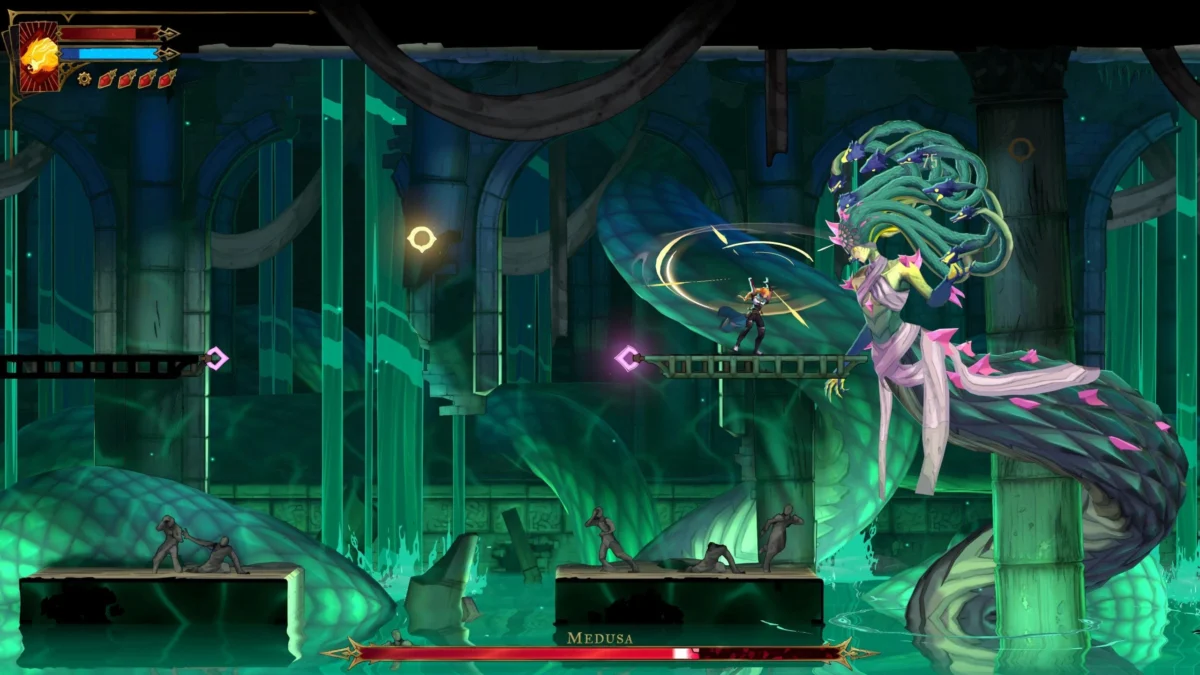
After a twelve-year slumber, the legendary Castlevania franchise has finally awakened, and it has done so with a visceral, neon-soaked roar. Developed by Evil Empire, Castlevania: Belmont’s Curse is not merely a nostalgia trip; it is a bold, mechanical reinvention of the gothic Metroidvania subgenre. Set against the backdrop of a decaying 1499 Paris, the game breathes new life into the eternal conflict between the Belmont lineage and the forces of darkness.
The Dawn of a New Bloodline: Main Facts
The narrative centers on Rose Belmont, the daughter of the iconic vampire hunter Trevor Belmont. As their vessel drifts toward the mist-shrouded harbor of Paris, the looming silhouette of the Notre Dame Cathedral signals the start of a harrowing odyssey.
Players assume the role of Rose during a pivotal scouting mission that quickly devolves into a desperate struggle for survival. Unlike the stoic, seasoned hunters of the past, Rose begins her journey burdened by a mysterious, encroaching curse—a pulsating affliction that spreads across her arm. This mechanic, reminiscent of the psychological tension found in Hellblade: Senua’s Sacrifice, serves as both a narrative anchor and a primary gameplay loop.
The core of Belmont’s Curse lies in its innovative "Soul Consumption" system. Upon defeating the game’s diverse array of bosses, players can claim the essence of the fallen. This allows Rose to equip their abilities, though the game limits players to a single active boss perk at a time. Beyond the mechanical benefit, these absorbed souls serve as vocal guides—or deceivers—offering counsel that can either aid or hinder the player’s progression, turning every victory into a complex moral and strategic decision.
A Journey Through the Shadowed Streets: Chronology and Scope
The journey is structured around four primary, sprawling regions: the plague-ridden streets of Paris, the labyrinthine depths of the Catacombs, the enigmatic wilderness surrounding the city, and, inevitably, the imposing walls of Dracula’s Castle.
- Act I: The Streets of Paris: Players are introduced to the fluid, high-octane combat system. The game emphasizes traversal, utilizing a modernized whip-based grappling hook that allows for verticality and momentum-based movement.
- Act II: The Descent: As the curse deepens, the game shifts toward a more intense, puzzle-heavy structure. The discovery of hidden tarot cards—which materialize into faces as players uncover local lore—becomes essential for unlocking the path forward.
- Act III: The Siege: The narrative stakes rise as Rose attempts to prove her worthiness to her father. This section tests the player’s mastery of the game’s 28 unique weapons, ranging from heavy swords to rhythmic twin blades.
- Act IV: The Heart of Darkness: The final ascent into Dracula’s Castle. This area is so vast that it could constitute a standalone title, serving as the ultimate crucible for the skills honed throughout the previous chapters.
Arsenal and Mastery: Supporting Data
Evil Empire has clearly prioritized mechanical depth, offering a weapon system that caters to diverse playstyles. Weapons are categorized by class and further divided into four tiers of power (25, 50, 75, and 100 damage). The inclusion of fisticuffs alongside traditional whips and blades ensures that players can tailor their approach to combat.
Exploration is not merely encouraged; it is mandated. Hidden gold chests scattered throughout the map contain the most potent armaments in the game. The sheer scale of the map is managed via the return of the Ferryman, who acts as a fast-travel nexus. However, the game maintains its challenge by ensuring the Ferryman is never easily accessible, forcing players to master the geography of each zone before they are rewarded with easier navigation.
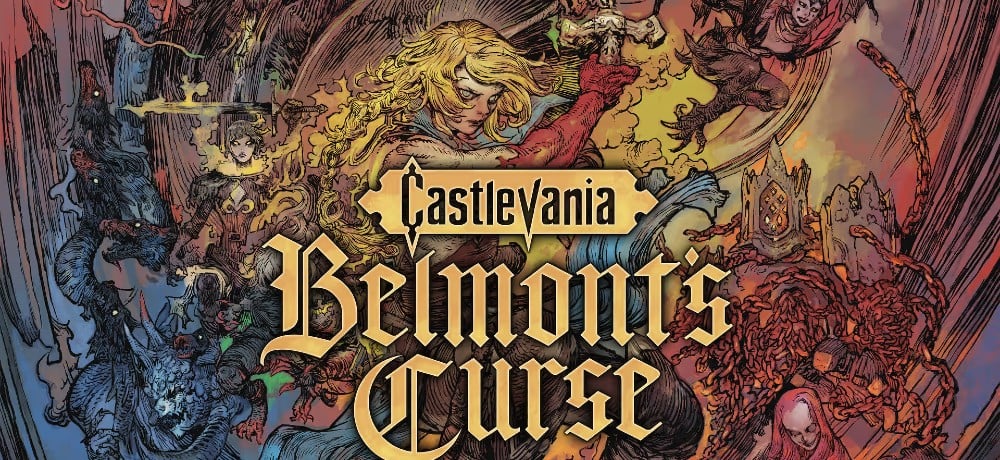
One of the most significant shifts for the franchise is the implementation of a comprehensive accessibility suite. Drawing inspiration from modern sports titles like NBA 2K, the game allows players to adjust damage output, enemy health, and even toggle invincibility. This inclusion is a strategic move, ensuring that the legendary difficulty of the Castlevania series does not alienate newcomers, while maintaining the "hardcore" experience for veterans who choose to leave the settings at their default, punishing state.
The Creative Vision: Official Perspectives and Design Philosophy
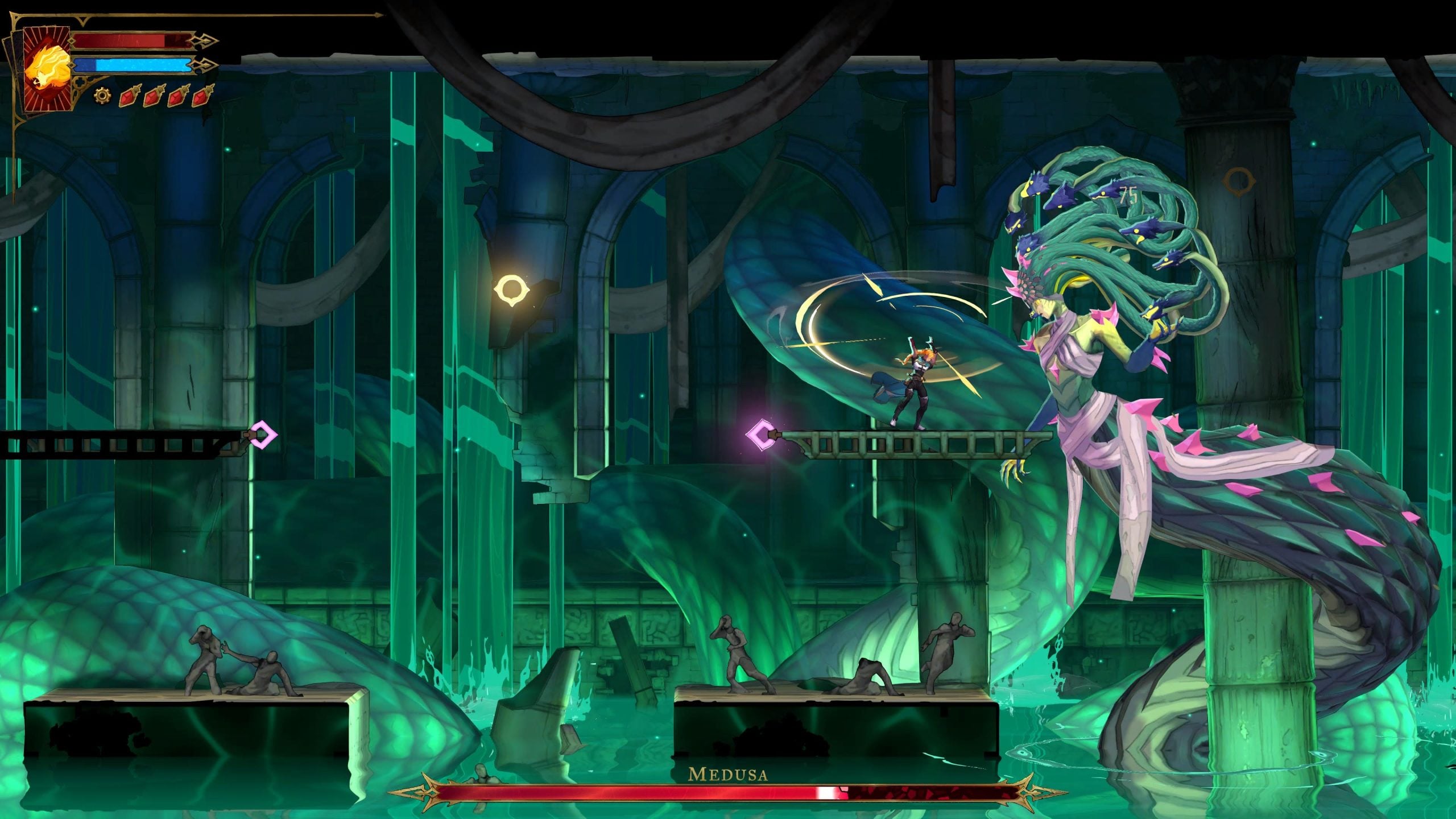
In interviews regarding the game’s development, the team at Evil Empire highlighted the importance of "color-drenched horror." While traditional Castlevania titles are known for their somber, muted palettes, Belmont’s Curse embraces a vibrant, almost surreal aesthetic.
"We wanted to capture the feeling of a world that is dying but still lush," the developers noted during the project’s lead-up. This visual philosophy draws comparisons to the grim, ethereal atmosphere of Bloodborne, but with a kinetic, energetic flair. The "step-out" moments—where the environment demands that the player pause to admire the art direction—are frequent. This blend of high-contrast visuals and dread echoes the tone of modern "vampire-core" films, successfully updating the franchise’s visual identity for a contemporary audience.
The decision to include multiple endings was also a deliberate design choice meant to emphasize the consequences of player agency. The game does not hold the player’s hand, and those who rush toward the climax without engaging in side-quests or boss hunts will find themselves facing an abrupt, unsatisfactory conclusion. This "punishment" serves as a narrative mirror to Rose’s own character arc; she must earn her strength and respect the history of the Belmont name if she hopes to overcome the final, darkest foe.
Implications for the Franchise and the Industry
The success of Castlevania: Belmont’s Curse carries significant implications for the future of the series. After twelve years of silence, there was immense pressure to deliver a title that felt both reverent to the past and innovative enough to justify a modern release.
1. The Rebirth of the Metroidvania
By refining the "trial and error" loop that defined the 8-bit and 16-bit eras, Evil Empire has set a new benchmark for the genre. The grappling hook mechanics, while occasionally temperamental, redefine how players engage with 2D environments. The game proves that the Metroidvania format is far from exhausted, provided it is treated with the level of mechanical polish exhibited here.
2. Accessibility as a Pillar of Design
The inclusion of granular difficulty settings is likely to become a industry standard for high-difficulty franchises. By decoupling "difficulty" from "game quality," Belmont’s Curse opens the door for a wider demographic to experience the narrative depth of the Castlevania universe without requiring the reflexes of a professional esports player.
3. Aesthetic Evolution
The move toward a more vibrant color palette suggests that the "gothic" genre does not require a monochrome aesthetic to be effective. This shift allows the game to stand out in a saturated market, providing a distinct visual identity that distinguishes it from its predecessors while maintaining the core "vampire-slaying" fantasy.
Final Verdict: A Masterpiece of the Genre
Castlevania: Belmont’s Curse is a triumph. It is a rare sequel that manages to respect the source material while daring to evolve it. The combat is snappy and rewarding, the level design is masterfully complex, and the narrative stakes—centered on a young woman’s desire to prove herself—provide a compelling emotional core.
While the grappling mechanics can occasionally feel imprecise and the abruptness of the initial ending may frustrate those who skip the optional content, these are minor gripes in an otherwise stellar experience. Whether you are a long-time fan who has waited over a decade for a return to Dracula’s domain or a newcomer curious about the allure of the series, Belmont’s Curse offers an addictive, challenging, and deeply beautiful journey.
It is, without hesitation, one of the finest titles to be released this year. It stands as a testament to what happens when a legacy franchise is entrusted to a team that understands the weight of history but possesses the vision to build a new one.
Score: 5/5
