
The Mystery of Middletown: Why ‘Teenage Wasteland’ Is the Must-Watch Documentary of the Year
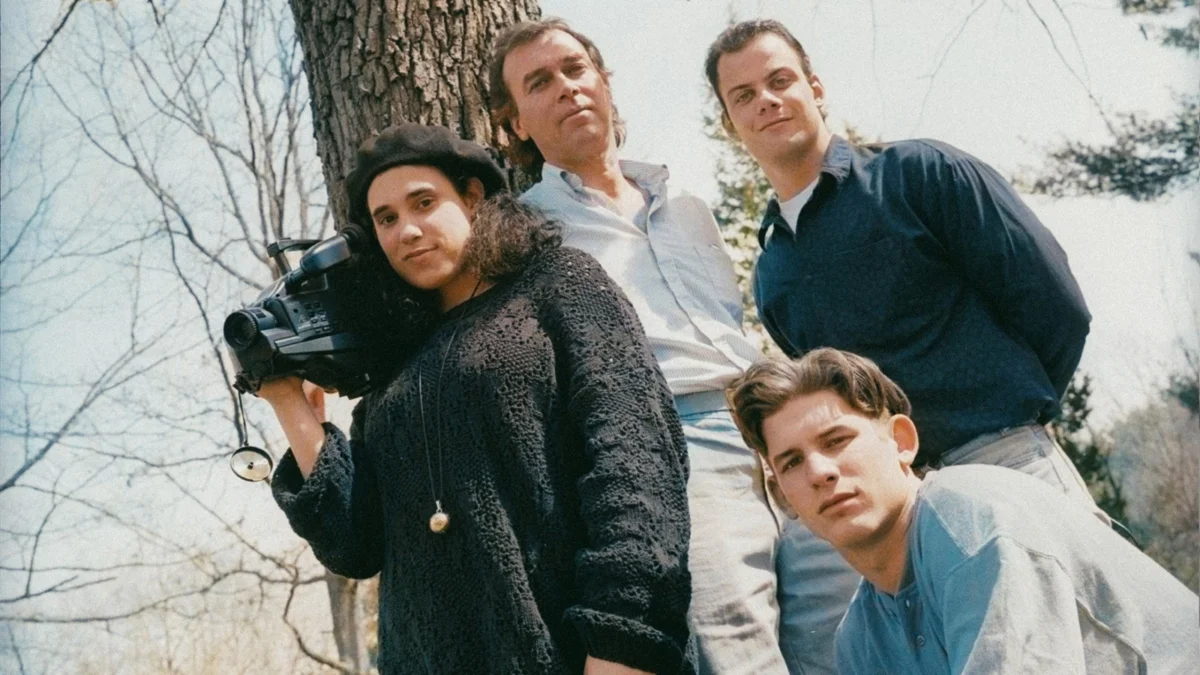
In the current media landscape, where the line between "true crime" and "sensationalist exploitation" is often dangerously thin, a new project has arrived on Netflix that manages to strike a rare balance. Teenage Wasteland, the latest documentary from acclaimed filmmakers Amanda McBain and Jesse Moss, is not merely a trip down memory lane for those pining for the pre-smartphone 1990s. It is a taut, intellectually rigorous, and deeply human conspiracy thriller that manages to be both a period piece and a call to action.
Since its debut on the platform, the film—which originally premiered at the 2025 Sundance Film Festival under the title Middletown—has garnered significant critical praise. It captures a lightning-in-a-bottle moment where a group of high school students, guided by a visionary teacher, inadvertently stumbled upon a corporate cover-up that would change the trajectory of their lives.
The Core Narrative: A Classroom Turned War Room
The premise of Teenage Wasteland is deceptively simple, echoing the best of investigative journalism tropes while maintaining the raw, unpolished aesthetic of 1990s camcorder footage. The story centers on a high school teacher in Middletown, New York, who began to notice troubling environmental symptoms in his community. His neighbor, who lived in close proximity to the town’s municipal dump, was suffering from mysterious health issues, and local rumors suggested that the town’s waste management practices were far more sinister than the city council admitted.
Rather than dismissing these concerns, the teacher did something radical: he invited his students to investigate. What started as a modest classroom project—a way to teach the fundamentals of documentary filmmaking and civic engagement—quickly spiraled into a high-stakes investigation. As the students began interviewing local residents, combing through public records, and documenting the physical landscape of the dump, they discovered a web of illicit activities that suggested the town’s authorities were not just negligent, but actively complicit in a dangerous ecological cover-up.
A Chronology of Discovery
To understand the weight of Teenage Wasteland, one must view it as a multi-layered timeline.
Phase One: The Awakening (Mid-1990s)
The documentary utilizes archival footage shot by the students themselves. This provides a visceral look at the era: the chunky VHS camcorders, the fashion, and the earnest, unfiltered curiosity of teenagers who were largely unencumbered by the digital surveillance of the modern age. During this phase, the film tracks the initial skepticism of the students as they transition from observers to whistleblowers.
Phase Two: The Investigation (Late 1990s)
As the students gathered evidence, the "conspiracy thriller" elements of the film come to the fore. The footage shows the students encountering resistance from local business owners and government officials. The stakes escalate when the students realize they are no longer just making a school project; they are holding information that powerful entities would prefer to keep buried.
Phase Three: The Reflection (Present Day)
The documentary gains its emotional resonance from the contemporary interviews conducted by McBain and Moss. By reuniting the now-adult students with their former teacher, the film allows for a post-mortem on their youth. It examines how this singular, intense experience shaped their professional lives, their political views, and their understanding of power dynamics.
Behind the Lens: The McBain-Moss Partnership
Amanda McBain and Jesse Moss are no strangers to the complexities of American institutional life. Their 2020 documentary Boys State, which won the Grand Jury Prize at Sundance, was a masterclass in observing the microcosm of American democracy through the lens of a Texas youth leadership program.
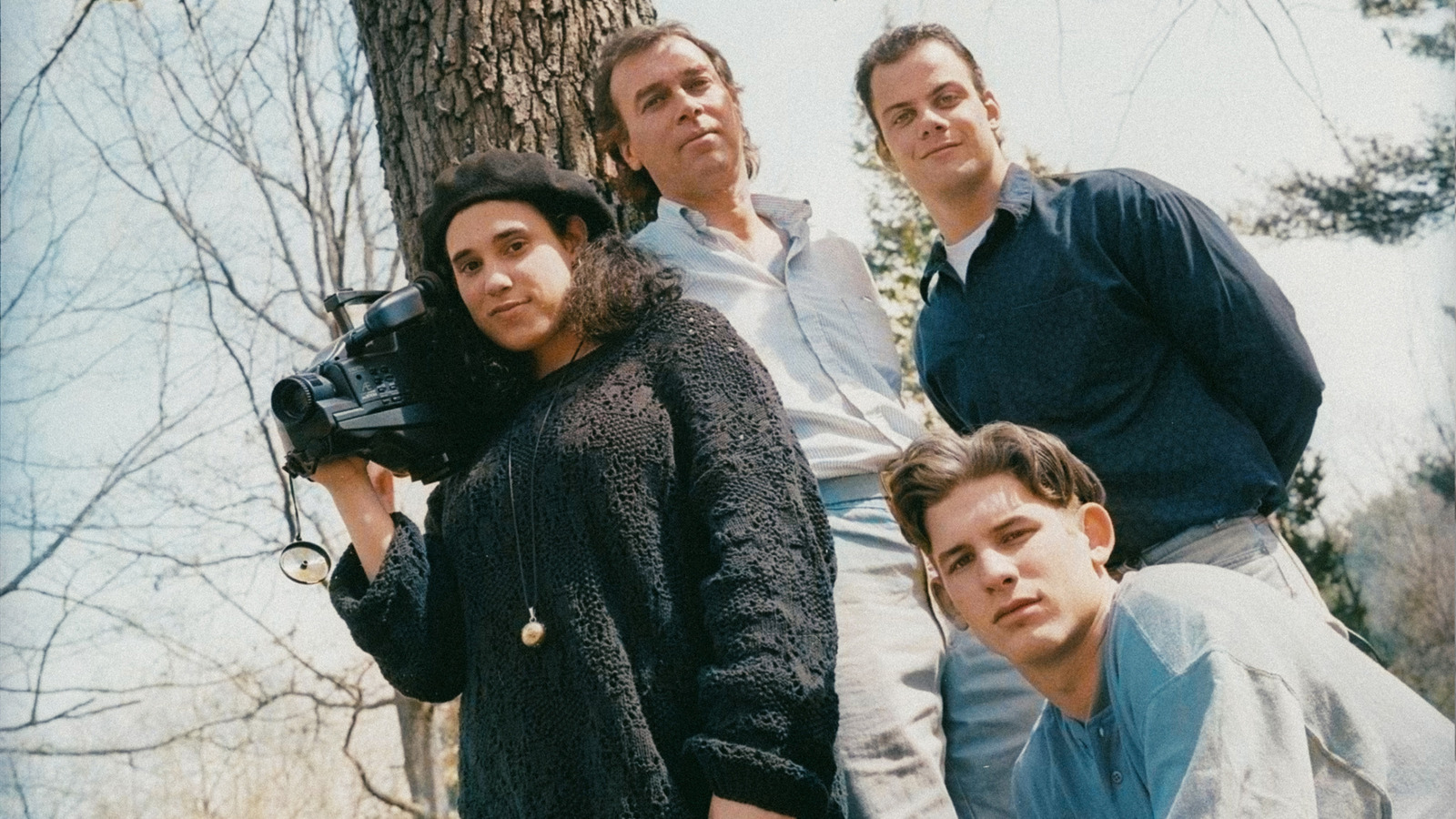
With Teenage Wasteland, they have refined their technique. Unlike many Netflix originals that rely on flashy recreations or manipulative editing, Teenage Wasteland trusts its source material. By allowing the original student-shot footage to breathe, the filmmakers emphasize the authenticity of the struggle. This is not a "slapped-together" production designed to maximize watch-time; it is a meticulously crafted study of how education can act as a catalyst for systemic change.
The Implications of Civic Courage
Beyond the environmental mystery, the documentary poses a profound question: What is the role of the individual in a democracy that often fails to function? The filmmakers argue that "civic courage" is not necessarily about toppling governments, but about the willingness to ask uncomfortable questions when the status quo is clearly broken.
The film suggests that the "wasteland" mentioned in the title is not just the physical dump in Middletown; it is a metaphor for a society that often abandons its youth to navigate a world of corporate exploitation. The students, by refusing to look away, reclaimed their agency. The film acts as a sobering reminder that "corporate forces," as the film’s narrative suggests, often prioritize profit over the health and safety of the communities they serve.
Why This Matters in the Streaming Era
Netflix has often been criticized for its "true crime factory" approach, where tragic events are repackaged into bingeable, often unethical entertainment. Teenage Wasteland serves as a counter-argument to this trend. It is a documentary that respects its subjects, provides context, and avoids the "trauma-porn" trap.
For viewers, the film offers a dual reward. First, it provides the nostalgic dopamine hit of 1990s Americana—the aesthetic of the era is preserved beautifully in the home-movie style sequences. Second, it provides the intellectual stimulation of a classic thriller. It is a story about the intersection of education and activism, reminding the audience that young people are often the most effective agents of truth-telling precisely because they have not yet learned to be cynical.
Conclusion: A Rallying Cry for Decency
As we navigate an era of deepfakes, AI-generated content, and widespread digital apathy, Teenage Wasteland feels like a breath of fresh air. It is a testament to the power of the tangible: real people, real cameras, and real questions.
Whether you are a fan of investigative journalism, a student of the 1990s, or simply someone looking for a story that restores a sliver of faith in human integrity, Teenage Wasteland is essential viewing. It does not promise a world without conflict, but it does suggest that through collaboration, curiosity, and a healthy dose of defiance, the truth has a way of rising to the surface—even from the bottom of a dump.
Teenage Wasteland is currently available for streaming on Netflix. It is highly recommended that viewers watch it with an appreciation for the historical context of the mid-90s, as the documentary captures a transitional period in American life that is quickly fading from our collective memory.
