
Unraveling the Marvel Cinematic Universe Timeline: Where Does VisionQuest Actually Fit?
Main Facts: Setting the Record Straight on the MCU’s Latest Disney+ Series
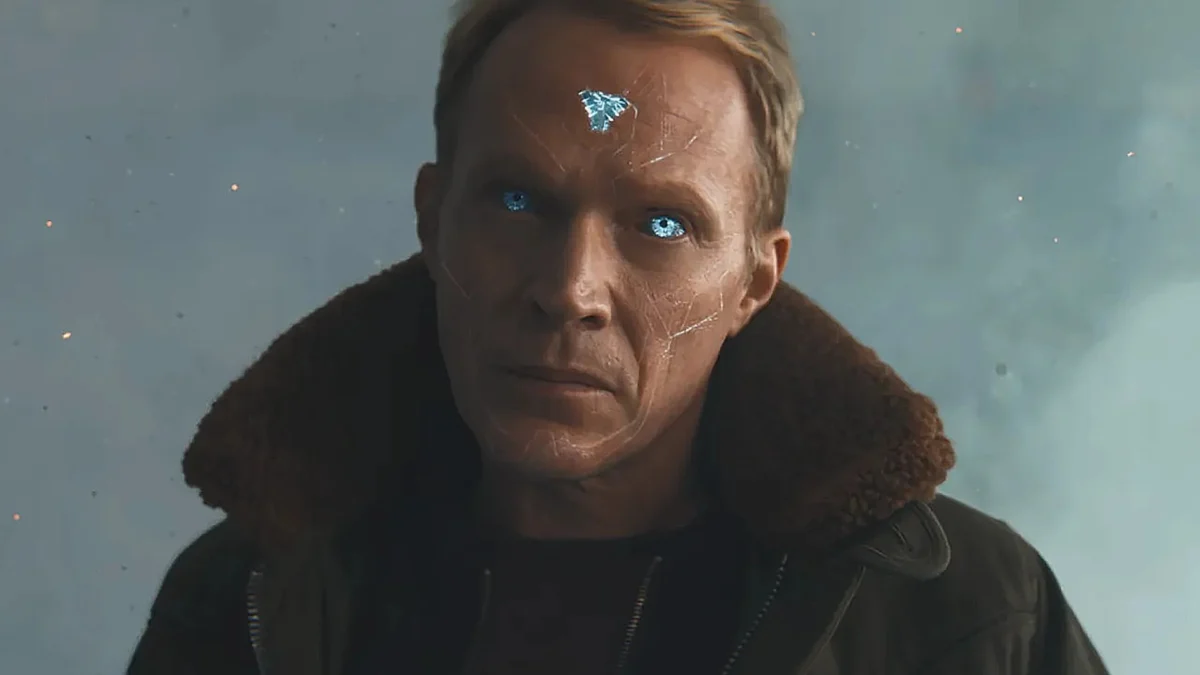
As the Marvel Cinematic Universe (MCU) continues to expand its sprawling interconnected narrative across both the silver screen and streaming platforms, keeping track of the overarching chronology has become a formidable task for even the most dedicated fans. The latest entry to spark fervent debate among the fandom is the Disney+ series VisionQuest, starring Paul Bettany as the titular synthezoid.
Ahead of the show’s highly anticipated premiere, VisionQuest showrunner Terry Matalas sat down for an exclusive interview to clarify precisely where the series sits on the MCU timeline. Dispelling widespread assumptions that the series would pick up shortly after the events of WandaVision, Matalas revealed that the show firmly takes place in the contemporary present-day setting of the MCU—roughly aligning with the timeline of Spider-Man: Brand New Day, which fans generally calculate to be the year 2027.
This revelation comes as a surprise to many, particularly given earlier statements made by series star Paul Bettany regarding the temporal distance between WandaVision and VisionQuest. However, with explicit in-universe clues pointing toward 2027, the creative team has definitively locked the series into the modern-day era of Marvel’s Phase 6 slate, clearing up months of speculation among the fanbase.
Chronology: The Evolution of the MCU Timeline from Endgame to VisionQuest
To understand why VisionQuest’s placement in 2027 is causing such a stir, it is necessary to retrace how the MCU’s internal calendar has evolved over the past several years.
Before the release of Avengers: Endgame in 2019, the franchise largely operated in real-time, matching the calendar year of theatrical release. However, the seismic narrative shift in Endgame introduced a five-year time jump, catapulting the universe’s primary timeline from 2018 to 2023. Following this monumental narrative leap, subsequent films and television series began operating at varying distances from real-world years, creating a temporal gap where the MCU narrative consistently outpaced our own calendar.
- 2021–2022 (Real-World Releases): Shows like WandaVision, The Falcon and the Winter Soldier, and Loki (Season 1) were largely positioned in the immediate aftermath of the Blip, specifically landing around 2023 within the fictional universe. WandaVision, in particular, took place just weeks after Bruce Banner’s restorative snap, anchoring Vision’s apparent destruction and reconstruction firmly in that era.
- Phase 4 and Phase 5: As subsequent projects rolled out, the timeline pushed further ahead, experimenting with localized time jumps, cosmic excursions, and multi-versal shenanigans.
- The Present Day (2027): With the arrival of Phase 6 projects like Spider-Man: Brand New Day and now VisionQuest, the franchise has settled into a contemporary setting roughly four years past the events of Avengers: Endgame.
This deliberate pacing means that while WandaVision aired in early 2021 and was set in 2023, the fictional universe has aged significantly by the time VisionQuest picks up the synthezoid’s ongoing existential journey.
Supporting Data: Discrepancies Between Cast Statements and In-Universe Cues
The path to uncovering the true timeline of VisionQuest was paved with contradictory statements from the creative and acting talent involved in the production.
In an interview with Rotten Tomatoes, lead actor Paul Bettany discussed the thematic and narrative continuity between his past and present Marvel projects. Bettany noted that the Disney+ series would pick up Vision’s story "around a year or so" after the melancholic and reality-bending finale of WandaVision.
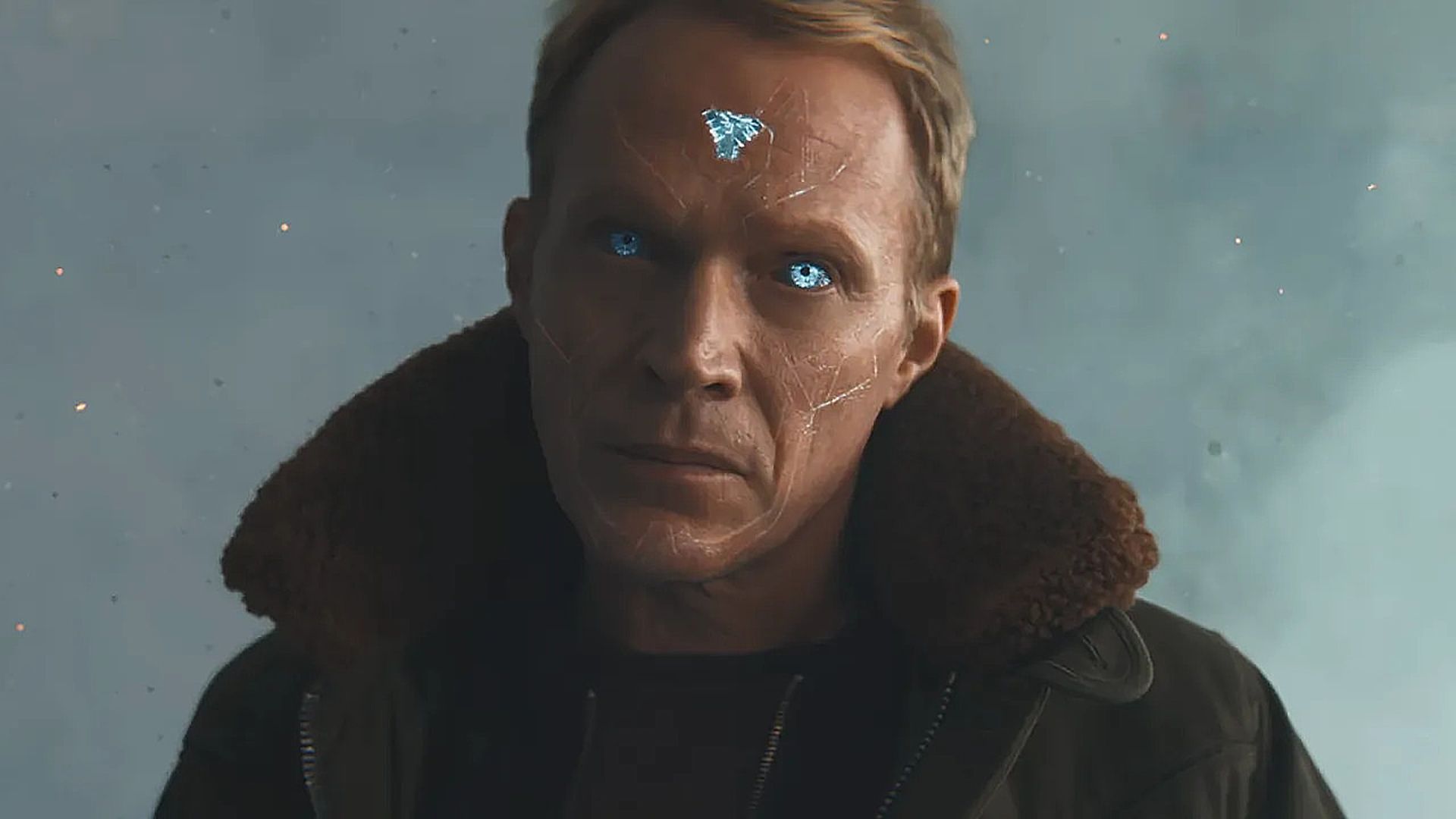
Because WandaVision was definitively set in 2023, Bettany’s remarks led a vast majority of viewers to conclude that VisionQuest would take place in 2024. For months, fan wikis, discussion boards, and speculation videos operated under the assumption that the series chronicled Vision’s immediate, short-term recovery following his confrontation with White Vision in Westview.
However, showrunner Terry Matalas effectively dismantled that theory during pre-release press commitments. When pressed on the timeline, Matalas clarified that the temporal distance between the two shows is far greater than a mere twelve months.
"It feels like it’s been longer than a year [between WandaVision and VisionQuest]," Matalas explained.
When directly asked if the series aligns with the current 2027 era of the MCU—matching up alongside theatrical releases like Spider-Man: Brand New Day—Matalas confirmed:
"Yeah, the present day of the MCU."
Analysts and eagle-eyed fans reviewing early screeners have since pointed to specific visual and dialogue cues within VisionQuest’s opening episodes that explicitly anchor the narrative in 2027, explaining that Bettany’s earlier comments likely referred either to a generalized estimation of the character’s internal emotional timeline or to historical flashbacks incorporated into the series’ overarching arc.
Official Responses: Behind the Scenes of the Timeline Confusion
The ongoing confusion surrounding Marvel’s internal timeline is not an isolated incident; rather, it reflects a broader challenge faced by Marvel Studios as its cinematic universe balloons past thirty feature films and dozens of streaming series.
In official statements, Marvel executives have occasionally acknowledged the difficulty of maintaining a strict, linear calendar, especially when different creative teams are given the autonomy to tell stories across various epochs—ranging from period pieces like Captain America: The First Avenger to cosmic adventures set light-years away from Earth.
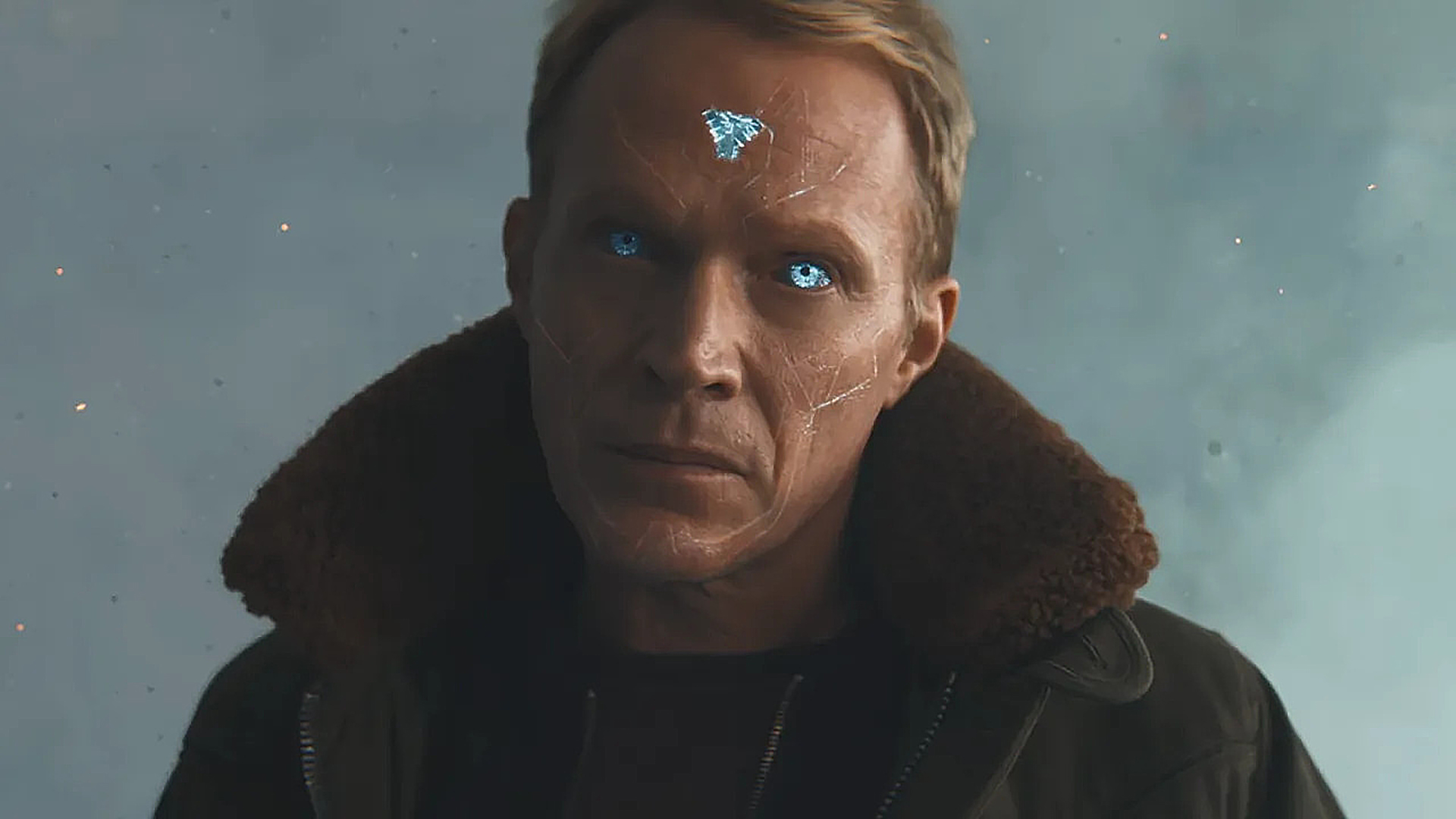
Terry Matalas’s transparent clarification regarding VisionQuest highlights a growing desire among showrunners to ground their stories firmly in the modern, contemporary stakes of the broader MCU. By tying VisionQuest directly to the contemporary timeline occupied by street-level and global heroes in projects like Spider-Man: Brand New Day, Marvel Studios is signaling a more cohesive, synchronized approach to Phase 6 storytelling.
Industry observers note that as the MCU builds toward its next massive crossover event, ensuring that contemporary projects share a synchronized timeline is vital for preserving logic when characters inevitably cross paths. Matalas’s willingness to clear up the airwaves prior to the show’s launch demonstrates an awareness of how deeply invested the fanbase is in the minute details of Marvel lore.
Implications: What VisionQuest‘s 2027 Setting Means for the Future of Phase 6
The confirmation that VisionQuest takes place in the contemporary 2027 timeline carries several significant implications for the direction of the Marvel Cinematic Universe moving forward.
1. The Evolution of White Vision
By setting the series several years after the events of WandaVision, the creative team has allowed ample time for White Vision—who fled the Westview anomaly with his original memories restored by the Hex Vision—to wander, process, and evolve independently. Rather than focusing on an immediate identity crisis in 2024, the series explores a more mature, battle-tested, and philosophically complex entity attempting to forge his own humanity years down the line.
2. Greater Interconnectivity in Phase 6
Positioning VisionQuest shoulder-to-shoulder with the timeline of Spider-Man: Brand New Day suggests that Phase 6 is actively tightening its narrative geography. While previous phases occasionally felt disjointed due to sprawling chronological gaps between projects, anchoring multiple stories in the exact same present-day year creates fertile ground for subtle crossovers, shared thematic undertones, and a unified sense of urgency across both streaming and cinematic mediums.
3. Fan Expectations and Lore Management
The initial discrepancy between Paul Bettany’s interview and Terry Matalas’s clarification serves as a reminder of the perils of timeline theorizing in modern cinematic franchises. As the MCU grows increasingly complex, reliance on casual comments from actors can easily lead communities astray. Going forward, fans will likely pay closer attention to showrunners and official production guides rather than off-the-cuff interview remarks when mapping out the complex web of Marvel continuity.
Ultimately, VisionQuest stands poised to be a pivotal stepping stone in Phase 6. By grounding its narrative in the present-day reality of 2027, Marvel Studios ensures that Vision’s next chapter feels immediate, relevant, and fully integrated into the ongoing evolution of the broader cinematic universe.
