Apple TV Amplifies the Race: Bringing Dolby Atmos to Live Formula 1 Broadcasts
Main Facts
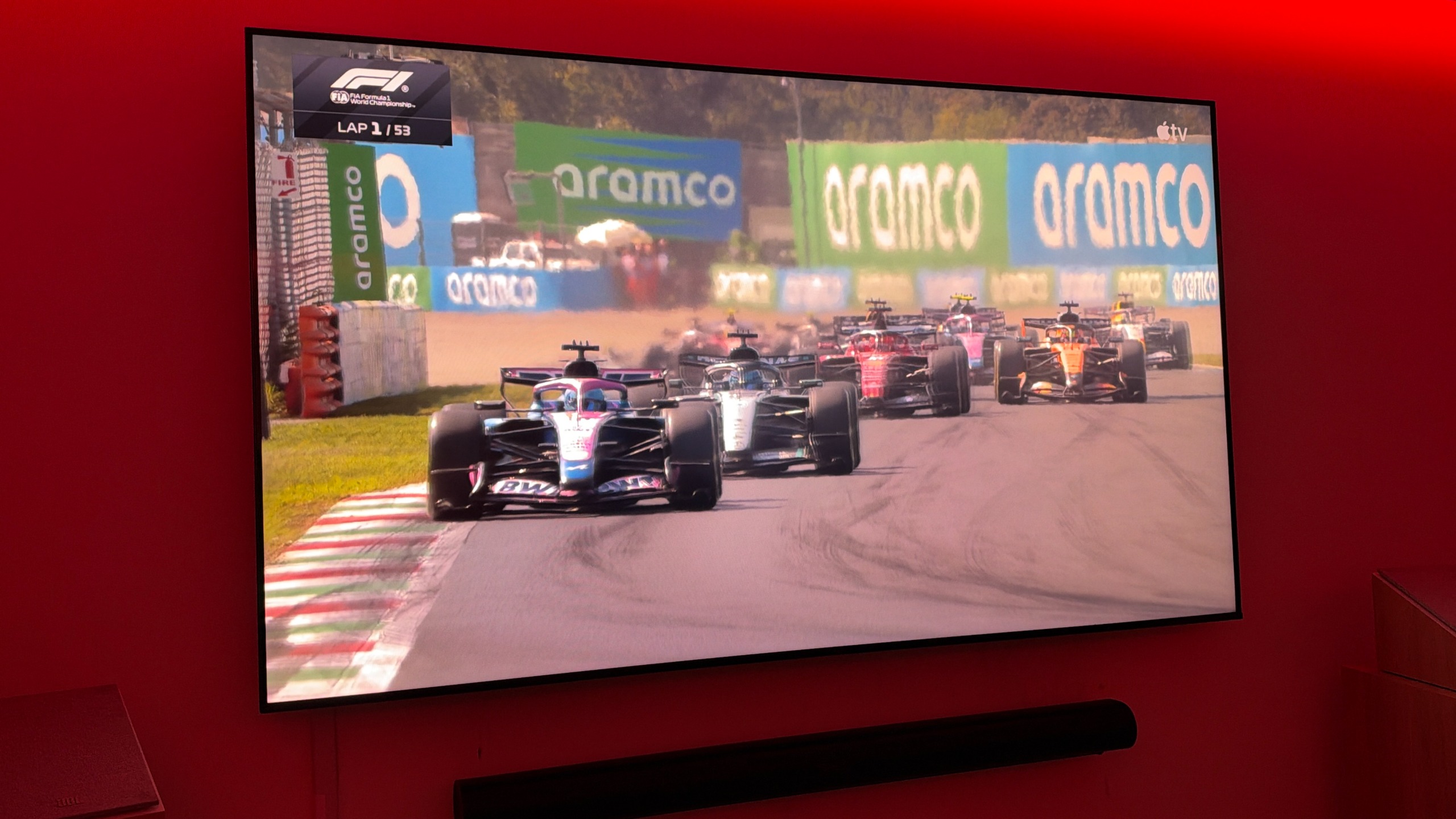
Apple TV, which became the exclusive home for Formula 1 races in the United States starting with the 20th-anniversary season, is redefining the motorsport viewing experience once again. Following its high-definition visual integration—which includes multi-view layouts and pristine Dolby Vision support—Apple is fundamentally upgrading the auditory side of live racing.
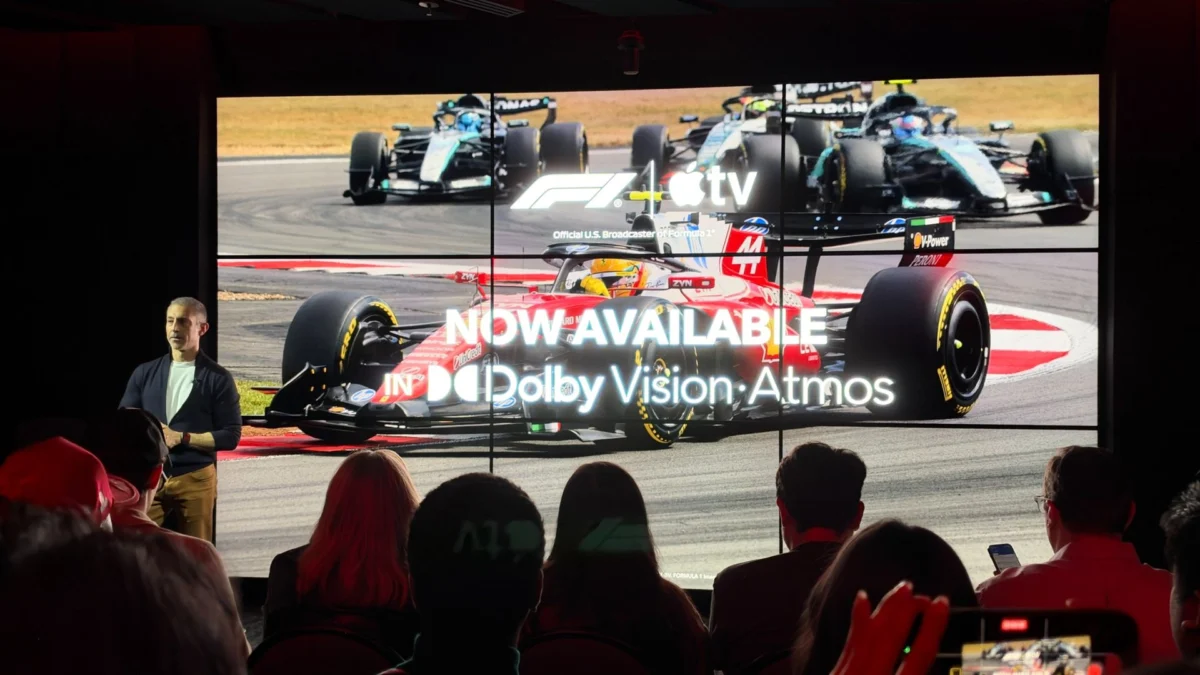
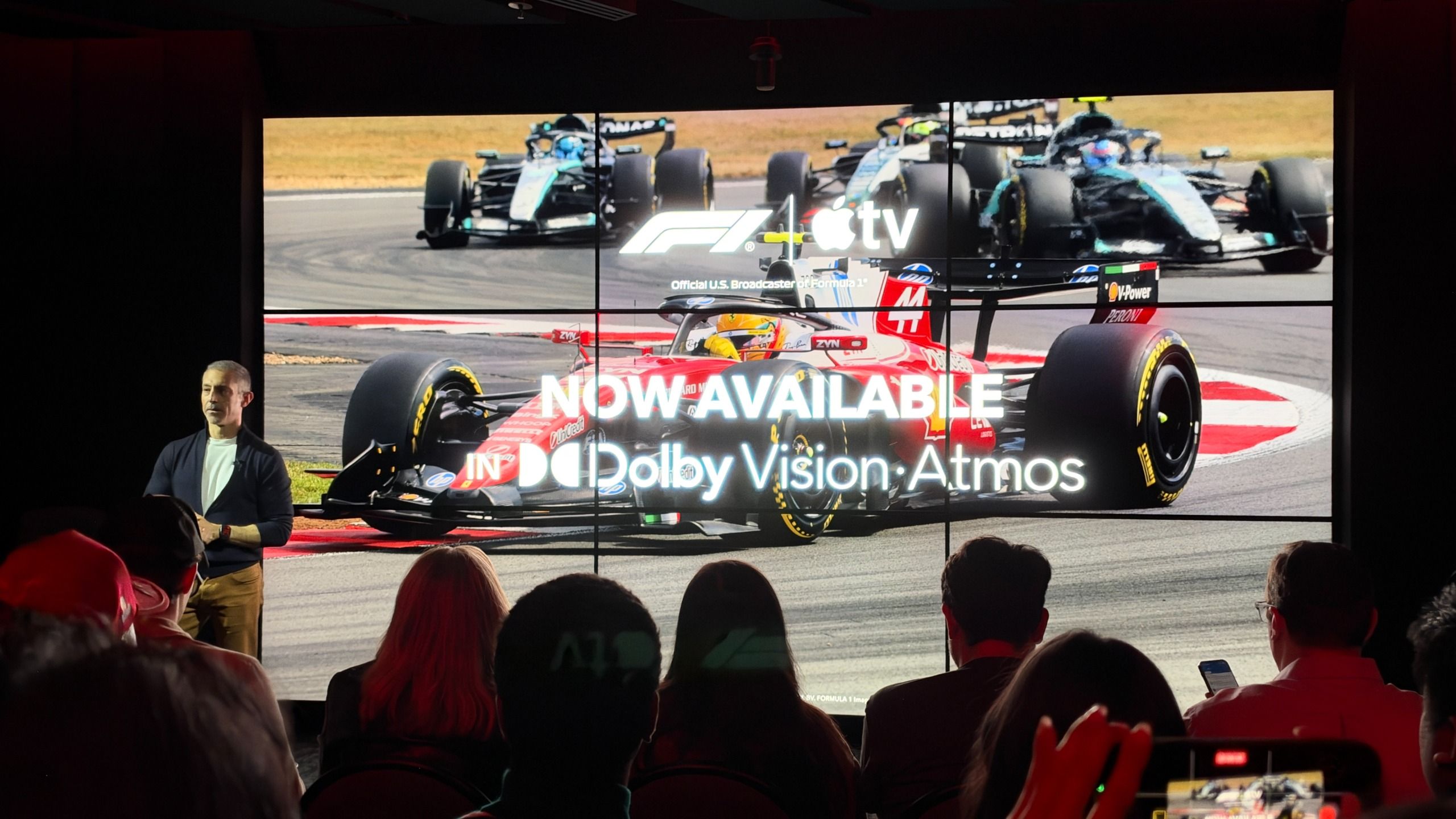
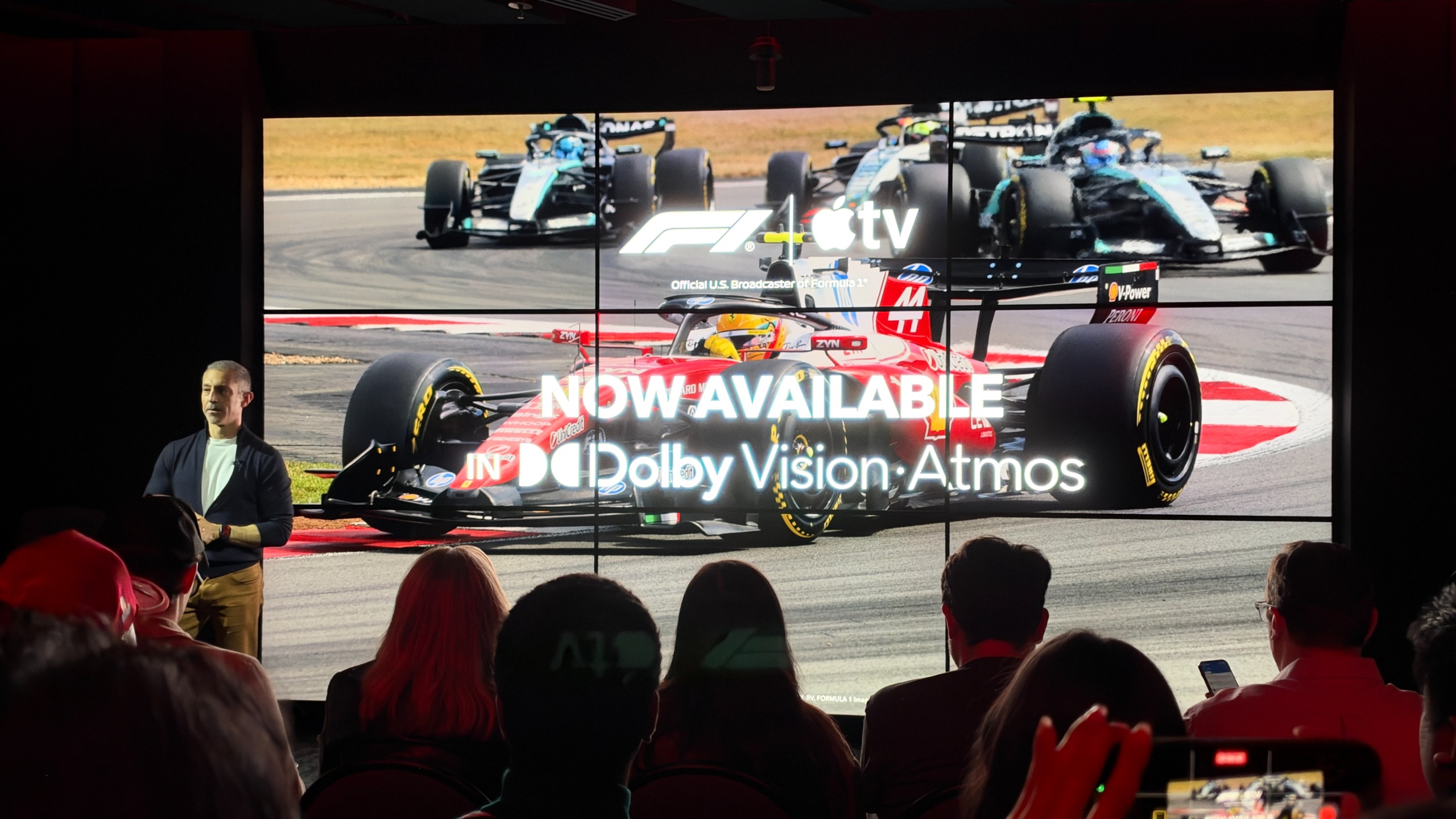
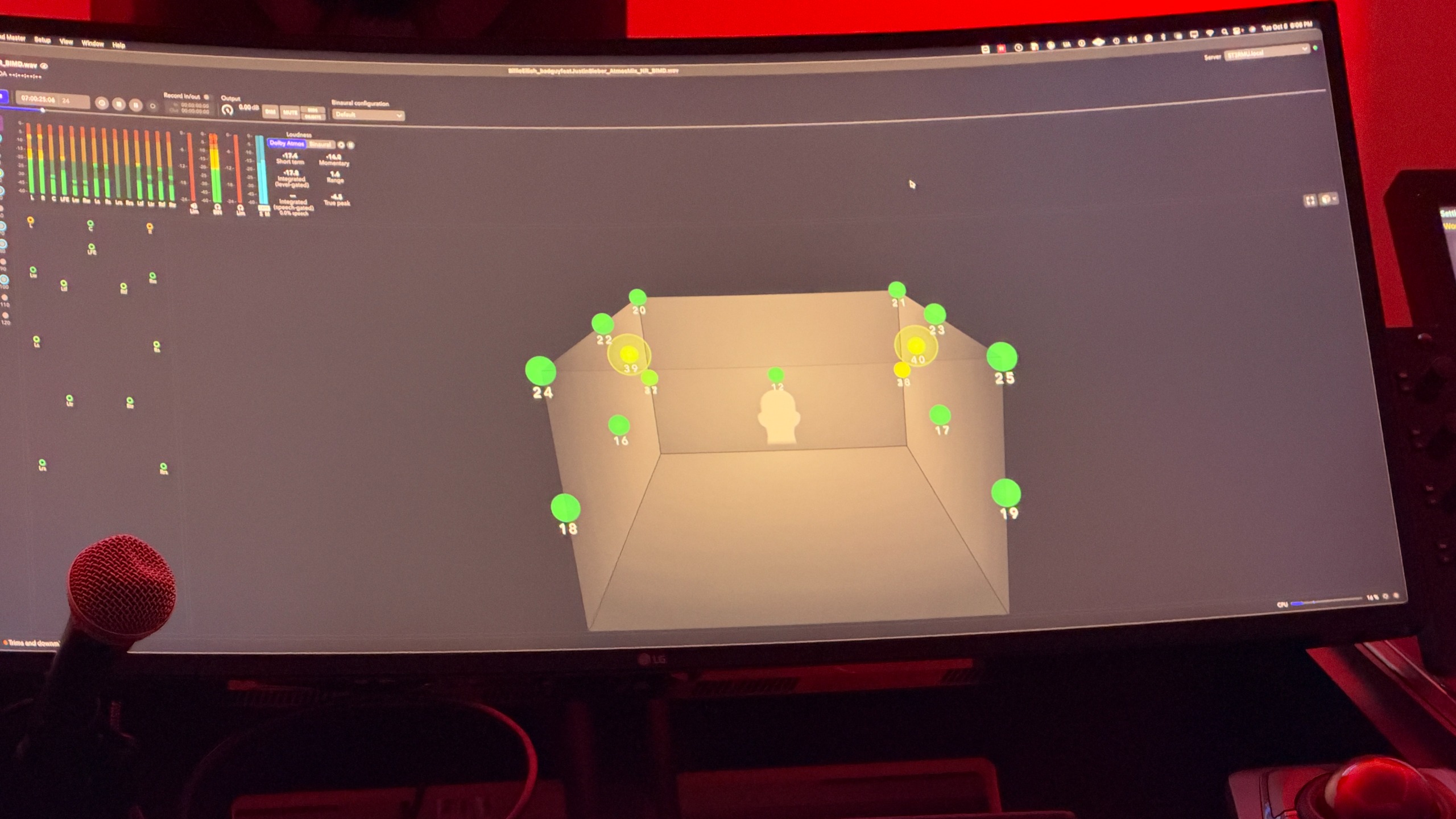
Beginning with the upcoming United States Grand Prix at the Circuit of the Americas in Austin, Texas, Apple TV will introduce live Dolby Atmos sound to its Formula 1 racebroadcasts. Crucially, this technological leap is being achieved without overhauling the physical infrastructure of the track. Instead of deploying entirely new hardware or re-engineering microphone arrays, Apple’s broadcast engineers are harnessing and processing the existing trackside microphone setups in real-time, matching the spatial audio capabilities already beloved by consumers using AirPods Max, Apple Vision Pro, and advanced home theater setups.
Jim DeLorenzo, Apple’s Global Head of Sports, revealed that the initiative has long been a core element of the tech giant’s overarching sports broadcasting vision. By bridging the sensory gap between sitting in the grandstands and watching from a living room couch, Apple aims to transport fans directly into the paddock.
Chronology of Apple’s Sports Broadcast Evolution
Apple’s venture into live sports streaming has been characterized by a systematic, technology-first rollout, steadily shifting the paradigm of how traditional leagues are consumed on digital platforms:
Early Forays (2022–2023): Apple initiated its major live sports push with Friday Night Baseball on Apple TV+, experimenting with cinematic camera angles and deep device integration. Shortly after, the company secured a landmark 10-year partnership to stream Major League Soccer (MLS), instantly centralizing soccer fans into a single, highly streamlined digital ecosystem.
The Mobile Integration Era (2024–2025): Apple increasingly blurred the line between consumer tech and professional broadcasting. Productions utilized high-end mobile devices—such as the iPhone 17 Pro and iPhone 17 Pro Max—as primary broadcast cameras during live games, proving that standard consumer-grade optics, when paired with advanced computational photography, could match traditional broadcast hardware.
The F1 Takeover & Visual Standards (2026): Apple officially took over the broadcast rights for Formula 1 in the United States. Fans were immediately greeted with a streamlined interface, multi-view customization, and vivid Dolby Vision color grading.
The Audio Revolution (Late 2026 and Beyond): Building on its visual foundation, Apple announces the rollout of live Dolby Atmos for F1 broadcasts, premiering at the United States Grand Prix in Austin.
Supporting Data and Technical Architecture
To understand why adding Dolby Atmos to an F1 broadcast is a monumental engineering feat, one must look at the acoustic realities of a Grand Prix. A modern Formula 1 car powered by a 1.6-liter turbocharged V6 hybrid power unit produces sound pressure levels that frequently exceed 130 decibels—comparable to a military jet takeoff.
Traditionally, capturing this visceral sound meant managing massive amounts of audio clipping, wind distortion, and crowd noise across dozens of disparate trackside microphones.
How Apple’s Audio Engine Works:
Zero-Hardware Disruption: Rather than adding specialized spatial microphones around the 3.4-mile Austin circuit—which would require complex logistical negotiations with the Fédération Internationale de l’Automobile (FIA) and individual racing teams—Apple utilizes the standard, pre-existing global broadcast audio feed.
Real-Time Spatial Mapping: Apple’s proprietary post-production and live-mixing algorithms ingest these standard stereo and multi-channel feeds, dynamically remapping audio objects in real-time.
Directional Pan Tracking: When a car screams down the straightaway and dives into Turn 1, the audio dynamically tracks across the soundstage. If a car overtakes on the left side of the screen, the mechanical whine and tire squeal pan organically from left to right, matching the visual vector on screen.
Early demonstrations held in New York City showcased a night-and-day comparison between standard stereo mixes and the new Dolby Atmos live stream. When played through reference-grade multi-speaker home setups (such as a 9.1.4 configuration) or spatial audio-enabled headphones, the mix allows fans to isolate distinct auditory cues—such as a rival engine shifting gears in a blind corner or the collective roar of a grandstand—with pinpoint positional accuracy.
Official Responses and Industry Insights
Speaking exclusively with TechRadar, Apple leadership emphasized that the pursuit of immersive audio was a deliberate response to the inherent limitations of home viewing.
"One of the things that we thought about for quite some time is the audio side of that… how can we get to a point where we have not just Dolby Vision, but Dolby Atmos," explained Jim DeLorenzo, Apple’s Global Head of Sports.
DeLorenzo noted that the overwhelming majority of fans experience races remotely, making spatial immersion vital to recreating the emotional weight of a live event:
"Any sporting event, when you’re there, one of the things that is so impactful on the experience is the sound. Because the sound in an F1 race is so visceral… if we can bring a little bit more of this into somebody’s viewing experience when they’re not at the track, that’s going to help connect them a little bit more."
Addressing the technical hurdle of upgrading broadcast quality without disrupting the delicate flow of a live global feed, DeLorenzo stressed the efficiency of their engineering pipeline:
"We don’t change the mic array for this… We are always trying to figure out, how do we break down that barrier a little bit between the people who can go to the event and the people who are watching at home? Because the reality is, the vast majority of people are not going to the live sporting event that they’re watching, right? They’re watching at home. So, we want to try and break that down so people can have that same kind of experience and feel like they’re there."
Reflecting on the milestone, DeLorenzo added:
"This one is pretty cool in that it’s never been done before with F1. When you can do something that’s never been done before… it raises the bar even more."
When pressed about what future technologies might be in the pipeline, DeLorenzo teased that Apple’s engineering teams are continuously pushing boundaries behind closed doors:
"We’re trying all kinds of stuff that hasn’t shipped yet, that we hope to ship at some point."
Implications for the Future of Sports Streaming
Apple’s integration of Dolby Atmos into Formula 1 broadcasts sends a clear signal to the wider sports and broadcasting industry: high-end audiovisual fidelity is no longer reserved for Hollywood blockbusters and scripted streaming series.
1. Raising Fan Expectations
As consumers grow accustomed to Dolby Vision and Dolby Atmos in live sports, legacy broadcasters relying on compressed 1080p video and flat stereo sound will face mounting pressure to modernize. Apple’s blueprint proves that live sports can feel cinematic, immediate, and deeply personal.
2. Cross-Pollination Across Apple Sports Properties
While live Dolby Atmos is currently making its debut in Formula 1, the tech world is already speculating on where this innovation might travel next. Apple has a proven track record of incubating features in one sport before scaling them across its portfolio—as seen with iPhone-shot broadcasts moving from Friday Night Baseball into MLS matches. It is entirely plausible that Major League Soccer matches could soon receive custom spatial audio treatment, placing viewers directly in the acoustic center of a raucous stadium crowd.
3. The Vision Pro Horizon
The ultimate manifestation of Apple’s immersive sports strategy lies in spatial computing. With Apple already rolling out ultra-immersive, courtside viewing experiences for select NBA games and baseball matchups on the Apple Vision Pro, adding multi-channel spatial audio to F1 lays the technical groundwork for a fully realized, 360-degree virtual trackside experience. Imagine sitting in a virtual suite above Turn 1, tracking the spatial audio of 20 carbon-fiber race cars ripping past you in real-time.
For now, the immediate future centers on Austin, Texas, where the lights will go out and the engines will roar to life in true spatial audio, marking a thrilling new chapter for motorsport fans across the United States.