
Drake Bell Slams SAG-AFTRA Over Health Insurance Rejection: "Do Not Join SAG"
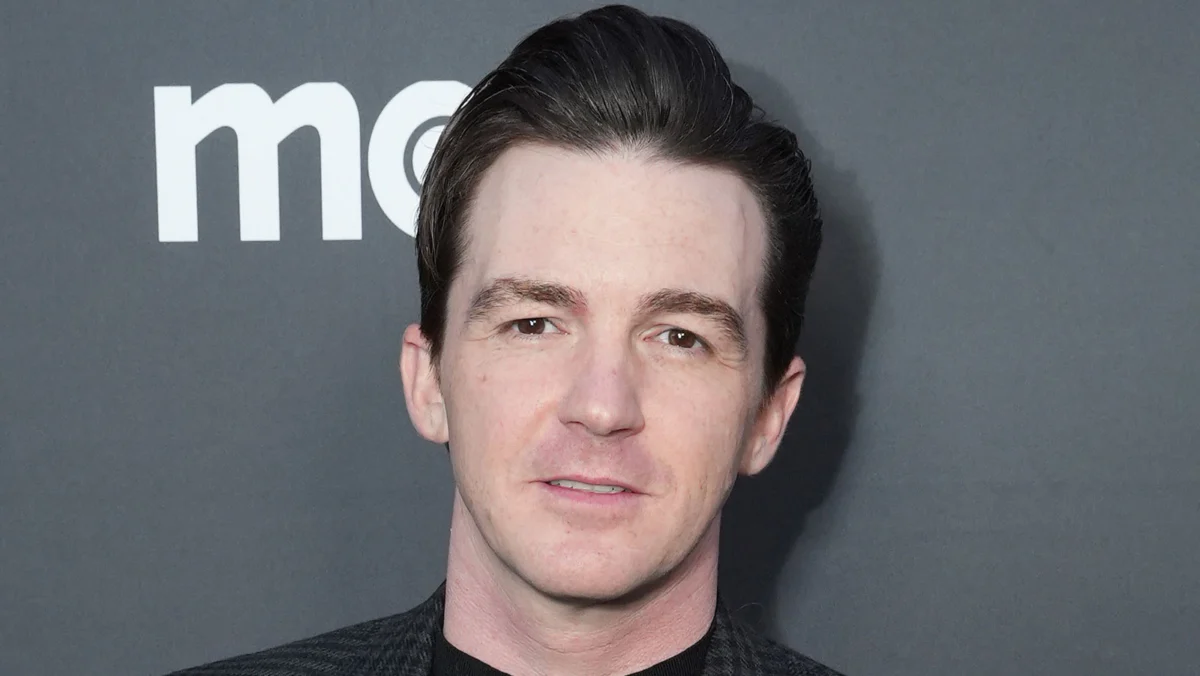
LOS ANGELES — Actor and musician Drake Bell has launched a scathing public critique against SAG-AFTRA, expressing outrage after discovering he does not qualify for the actors’ guild health insurance plan. The Drake & Josh star took to social media to air his grievances, sharing screenshots of his eligibility status and calling into question the leadership and structural integrity of the prominent union.
The public dispute has once again spotlighted the often-punishing realities of working in the entertainment industry, where decades of steady employment do not always translate into basic employment-backed benefits like health coverage.
Main Facts: The Social Media Outcry
The controversy began when Bell posted a series of updates to his Instagram Stories, detailing his frustration with the SAG-AFTRA Health Plan. The actor shared a screenshot of the official actors’ guild portal, which delivered blunt news regarding his coverage status: "You do not qualify for Health Plan coverage at this time."
According to the portal’s breakdown, Bell’s reported covered earnings for the eligibility period spanning July 2025 to June 2026 failed to meet the union’s minimum thresholds. A secondary notice provided specific financial figures, revealing that Bell had earned $17,480.53 toward the requirement—falling short by $11,452.47 of the $28,933 minimum required to unlock health coverage.
The financial shortfall triggered an immediate and sharp reaction from the veteran performer.
"Do not become an actor. Do not join SAG," Bell captioned the post, accompanied by a middle-finger emoji. "You can work steadily for 35 years and they will say [that]."
In subsequent posts, Bell directly targeted the guild’s leadership, tagging SAG-AFTRA President Sean Astin. Directing his frustration at the union’s administration, Bell wrote, "You’re doing a bang-up job," before adding a contentious critique of actor-led unions: "How about stop using actors to run things maybe? They literally just know how to say words in front of a camera."
A Career in Review: From Nickelodeon Stardom to Voice Acting
To understand the weight of Bell’s public frustration, one must look at his long history in the entertainment business. Bell is far from a newcomer; he has spent the better part of three and a half decades working in front of cameras and microphones.
Early Breakthroughs and Sitcom Success
Bell first rose to prominence as a child and teen actor in the late 1990s and early 2000s. He became a familiar face to millions of households through his work on iconic Nickelodeon sketch-comedy and sitcom programming. His breakout roles included appearances on The Amanda Show (beginning in 1999) and All That (2004).
However, his defining cultural footprint came in 2004 with the premiere of Drake & Josh, a hit sitcom co-starring Josh Peck. The show ran for four successful seasons, becoming a cornerstone of millennial pop culture and generating massive syndication revenue for the network over the years.
Transitioning to Voice Acting and Beyond
As he transitioned into adulthood, Bell carved out a lucrative niche in voice acting, most notably portraying Peter Parker / Spider-Man for the animated series Ultimate Spider-Man, which debuted in 2012 on Disney XD. His distinct vocal portrayal of the web-slinger became a staple of 2010s animation, leading him to reprise the role across multiple interconnected Disney/Marvel projects, including Phineas and Ferb (2013), Avengers Assemble (2013), and Hulk and the Agents of S.M.A.S.H. (2013).
Despite a resume spanning numerous film, television, and voice-over credits, Bell’s recent earnings within the specific monitoring window failed to clear SAG-AFTRA’s strict financial bar, illustrating how modern gig-economy structures within Hollywood can leave even recognizable faces behind.

Chronology of the Controversy
The unfolding of events highlights the instantaneous nature of modern celebrity grievances and their rapid amplification across digital platforms:
- Late 2025 / Early 2026 Earning Period: Bell accumulates $17,480.53 in SAG-AFTRA-covered earnings, falling well short of the $28,933 threshold mandated by the union’s health plan guidelines for the July–June cycle.
- The Portal Notification: Upon logging into the SAG-AFTRA Health Plan member portal, Bell receives the automated rejection notice stating he lacks the required minimum earnings to secure coverage.
- The Instagram Outburst: Bell takes screenshots of the portal messages and uploads them to his Instagram Stories, appending critical commentary directed at prospective actors, the guild itself, and SAG-AFTRA President Sean Astin.
- Public and Media Reaction: Entertainment journalists, industry watchers, and fans take notice, reigniting wider conversations regarding Hollywood union healthcare requirements, minimum earnings thresholds, and the economic instability faced by middle-tier performers.
Supporting Data: Understanding SAG-AFTRA Health Plan Thresholds
To contextualize why a veteran actor with a 35-year career could be denied coverage, it is crucial to examine how entertainment industry unions structure their health and pension plans.
Unlike traditional corporate jobs where full-time employees automatically receive health insurance, entertainment unions operate on a "tiered earnings" model. Because actors, voiceover artists, and background performers often move from project to project—experiencing periods of heavy employment followed by extended dry spells—unions like SAG-AFTRA require members to hit specific financial benchmarks within designated eligibility periods to maintain coverage.
How the SAG-AFTRA Health Plan Works
- Earnings-Based Eligibility: Members must earn a baseline amount through union-covered work over a rolling one-year or multi-quarter period. For Bell’s specific notice window, the baseline threshold was set at $28,933.
- The Residual Trap: While veteran actors often rely on residuals (payments made for reruns, syndication, and streaming broadcasts of past work), not all residual streams count equally toward health insurance qualifications, or they may dwindle significantly over time depending on the project type and distribution agreements.
- The "Cliff" Effect: If an artist earns $28,932, they qualify; if they earn $28,931, they risk losing their health insurance entirely. In Bell’s case, his reported earnings of $17,480.53 meant he was roughly 40% short of the required threshold, leaving him with a $11,452.47 deficit.
This binary qualifying system has long been a point of contention among union rank-and-file members. While leadership defends the thresholds as mathematically necessary to keep the fund solvent for working actors, critics argue that the system disproportionately harms character actors, voice artists, and legacy performers whose work output fluctuates year by year.
Official Responses and Union Dynamics
As of press time, neither SAG-AFTRA nor union President Sean Astin has issued an official statement addressing Bell’s specific social media posts. However, the comments have struck a nerve within a broader cultural and industrial landscape that has seen intense scrutiny over union administration, executive compensation, and member benefits.
SAG-AFTRA (Screen Actors Guild-American Federation of Television and Radio Artists) represents approximately 160,000 media professionals worldwide. Managing the health and retirement funds for such a massive, diverse membership is notoriously complex. The guild has frequently faced internal debates regarding how health plan qualification rules are calculated, especially following the disruptions caused by the historic 2023 entertainment industry strikes and the rapid shift toward streaming-dominated models that often reduce upfront pay and residual longevity for performers.
Furthermore, Bell’s criticism of actor-led leadership touches on a long-standing debate within union governance. While members often take pride in electing peers who understand the creative realities of set life, detractors occasionally argue that governance requires specialized administrative expertise in labor economics, healthcare fund management, and corporate negotiation.
Implications for the Industry
Drake Bell’s public airing of his healthcare grievances carries several broader implications for Hollywood, labor unions, and aspiring artists:
1. The Myth of Permanent Security
Bell’s situation serves as a stark warning to aspiring artists regarding the financial volatility of the profession. Mainstream audiences often assume that anyone who stars in a successful television show is set for life. However, past earnings do not roll over indefinitely into current health credits. For performers who experience gaps in major studio bookings, maintaining basic safety nets requires constant, continuous employment within union-backed productions.
2. Growing Frustration with Legacy Unions
The public nature of Bell’s remarks reflects a growing willingness among performers to publicly air grievances against their representative guilds. In the wake of intense labor negotiations, industry strikes, and evolving digital distribution models, rank-and-file members are increasingly vocal about structural gaps in benefits, transparency, and the efficacy of health and pension thresholds.
3. The Reality of Streaming and Residual Decline
Much of the friction regarding modern union earnings stems from the streaming era. Shows like Drake & Josh originally aired during the peak of the traditional cable television model, which generated steady, lucrative syndication checks. As the industry has pivoted toward streaming platforms that often buy out residual payments or pay lower upfront rates, legacy actors find it increasingly difficult to clear the earnings bars required to maintain standard health and welfare protections.
Looking Ahead
While Bell’s remarks were born out of personal frustration with an automated portal rejection, they have once again brought to light the precarious financial tightrope walked by many professional actors. Whether this public confrontation will prompt any internal review or dialogue from SAG-AFTRA leadership regarding how health plan thresholds are communicated and structured remains to be seen. In the meantime, Bell’s warning stands as a blunt reminder of the stark economic realities hidden behind the glitz and glamour of Hollywood.
