
The Silicon Valley Reckoning: Why Luca Guadagnino’s ‘Artificial’ Is the Most Dangerous Film of 2026
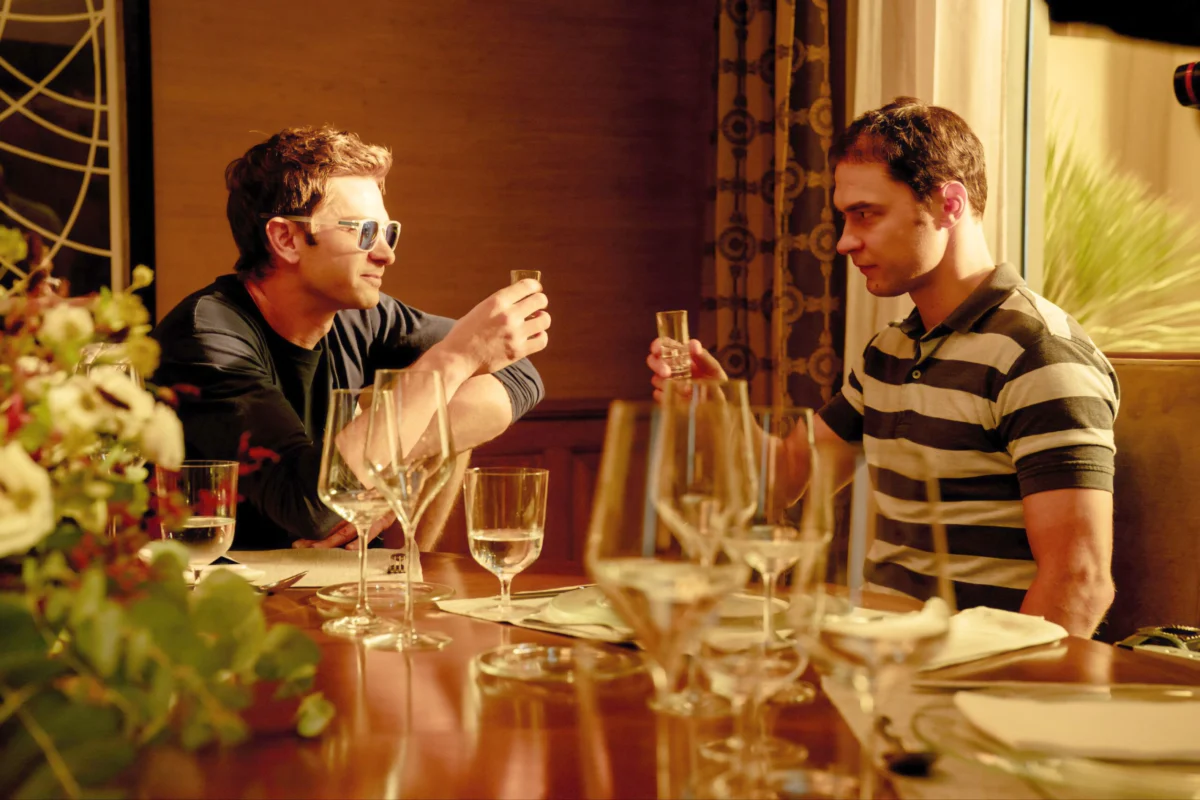
The 2026 autumn film season has emerged as a high-stakes cultural battleground, pitting the titans of the silver screen against the behemoths of Silicon Valley. As the New York Film Festival (NYFF) dominates the conversation, two projects have risen to the forefront, serving as a cinematic indictment of the tech industry’s unchecked influence. With Aaron Sorkin’s The Social Reckoning currently captivating audiences in theaters, the spotlight has shifted to the premiere of Luca Guadagnino’s Artificial—a biting, claustrophobic satire that has already been hailed as the defining cultural artifact of the AI era.
The Genesis of a Modern Satire
Artificial is not merely a biopic; it is a frantic, darkly hilarious, and deeply unsettling dissection of power, ambition, and the existential dread surrounding artificial intelligence. The film centers on the meteoric rise and chaotic internal combustion of OpenAI, specifically focusing on the 2023 ousting and subsequent reinstatement of CEO Sam Altman.
Andrew Garfield, reuniting with the high-stakes corporate drama genre, delivers a performance that critics are already calling a career-defining turn. Garfield portrays Altman not as a hero or a villain, but as a "movie monster, buffoonish mogul, and evil genius" wrapped into one. His performance captures the specific, unsettling brand of charisma that defines the modern tech visionary—a man who can articulate a utopian future while seemingly indifferent to the ethical debris left in his wake.
The script, penned by Simon Rich, is sharp enough to draw blood. By focusing on the five-day power struggle that captivated the world in 2023, Rich and Guadagnino highlight the absurdity of the current tech landscape. The film’s supporting cast, including a scene-stealing turn by Ike Barinholtz as a mercurial, volatile version of Elon Musk, rounds out a narrative that feels less like a dramatization and more like a fever dream of recent history.
Chronology of a Corporate Divorce: From Amazon to Neon
The journey of Artificial to the screen is as dramatic as the film’s plot itself. Originally greenlit by Amazon MGM Studios, the production was seen as a flagship project for the studio, which had previously found success with Guadagnino’s Challengers and After the Hunt.
However, the intersection of art and commerce proved too volatile to sustain. Earlier this year, Amazon made the controversial decision to drop the completed film from its slate. The timing was far from coincidental: the move occurred shortly after Amazon’s AWS division finalized a landmark $50 billion partnership with OpenAI. The optics of the studio releasing a searing satire about the very company with which it had just tied its financial future proved too fraught.

In a move that electrified the independent film community, Neon—the powerhouse behind Parasite and Anatomy of a Fall—stepped in to acquire the rights. Neon’s involvement has shifted the film’s trajectory from a corporate orphan to a major awards-season contender. With a strategic Christmas Day release date, the distributor is positioning Artificial not just as a commercial product, but as a critical heavy hitter intended to dominate the conversation through the 2027 Oscars.
The Anatomy of the Narrative: Why It Stings
Critics attending the NYFF premiere have been unanimous in their praise for the film’s tonal balancing act. Many have compared it to David Fincher’s The Social Network, a comparison that carries weight given Garfield’s history in that film. However, where The Social Network was a tragedy of lost friendship and intellectual property, Artificial is an apocalyptic farce.
"Luca Guadagnino just ate Sorkin’s lunch," noted film critic Joshua Rothkopf following the premiere. "In every way, Artificial is the spiritual sequel to The Social Network, threading together betrayal, broken ethics, and humor—and arriving at a vision as scary as Colossus: The Forbin Project."
The film’s power lies in its ability to force the audience to confront the "absence of responsibility" that permeates the upper echelons of Silicon Valley. Through the lens of the OpenAI board room drama, the film asks a fundamental question: When the people building the future are more concerned with their own narratives than the safety of the world, who is left to hit the emergency brake?
Supporting Data: The Convergence of Tech and Cinema
The tension between the film industry and the tech industry is at an all-time high in 2026. As AI tools begin to automate everything from screenwriting to visual effects, the creative class feels an existential threat that is reflected in the tone of current cinema.
- The "Altman Effect": The real-world Sam Altman remains one of the most polarizing figures in global business. His ability to navigate the 2023 board crisis—relying on a massive public outcry from his employees—serves as the primary dramatic engine of the film.
- The Musical Score: Much of the film’s tension is attributed to the score by Damon Albarn. Critics have lauded its "Bowie-esque" qualities, which provide a sterile, futuristic undercurrent that emphasizes the film’s "techno-horror" elements.
- The Box Office Gamble: By scheduling a Christmas Day release, Neon is betting that audiences are tired of traditional blockbusters and are craving high-concept, adult-oriented drama. Historically, Christmas releases like The Wolf of Wall Street have thrived on the energy of high-octane, ethically ambiguous protagonists.
Official Responses and Industry Implications
Neither Amazon nor OpenAI has issued a formal statement regarding the film’s content, though sources within the industry suggest that the "chilling effect" on films critical of Big Tech is becoming a new industry standard. The fact that Amazon walked away from a finished, high-budget film by an A-list director signals a shift in how major platforms manage their reputations.

"It’s a clear message," says one industry analyst. "If you want the AWS money, you don’t make the movie that makes the CEO look like a villain."
For Guadagnino, the move to Neon appears to have been a liberation. Freed from the constraints of a major studio that also serves as a vendor for his subject matter, the director has been able to lean into the more "savage" elements of the script. The early social media reaction from the NYFF has been overwhelmingly positive, with many observers noting that the film’s "urgency" is what makes it a must-watch.
The Future of the "Tech-Noir" Genre
As Artificial prepares for its wide release, it is set to serve as the benchmark for a new sub-genre: the "Tech-Noir" satire. This genre does not rely on lasers or spaceships but on the quiet, terrifying reality of code, boardrooms, and the hubris of the men who control the digital infrastructure of our lives.
Whether the film will result in awards success remains to be seen, but its impact on the cultural discourse is already assured. By turning the lens on the architects of our digital reality, Artificial has successfully transformed the mundane, jargon-filled world of AI development into a compelling, frightening, and undeniably human story.
As the calendar turns toward the end of 2026, one thing is clear: Silicon Valley may control the servers, but as Artificial proves, they cannot control the story. The film is a reminder that while the future of technology is written in code, the future of our culture is still written in the movies—and this year, that story has teeth.
For now, the audience is left with the haunting image of Andrew Garfield’s portrayal—a man standing at the precipice of an AI-dominated future, smiling, while the world beneath him begins to crack. It is a image that will likely haunt viewers long after the credits roll on December 25.
