
The Anatomy of a Dynasty: Why Grey’s Anatomy Texas Is ABC’s Most Calculated and Crucial Gamble in 19 Years

For more than two decades, television dynasties have rarely been built by accident. Sustaining a prime-time series over multiple generations requires a delicate, high-wire balancing act: a cocktail of magnetic characters, high-octane storylines, ironclad brand loyalty, and strict genre discipline. When networks attempt to shake things up by experimenting with adjacent genres, they risk diluting the core appeal that drew audiences to the screen in the first place.
ABC is currently reckoning with this exact television axiom. For two decades, viewers have faithfully tuned in to Grey’s Anatomy, enduring horrific hospital attacks, catastrophic plane crashes, and an ever-revolving door for the Chief of Surgery position. Yet, despite its monumental, multi-generational cultural footprint—spanning over 400 episodes and defying the traditional lifespan of network television—the franchise has struggled to launch a companion series that matches its longevity or recaptures the raw magic of its parent show.
That is about to change. Nineteen years after the network first rolled the dice on Private Practice, ABC is officially developing Grey’s Anatomy Texas. This upcoming medical-based spinoff represents a strategic return to form for the network, offering the franchise its best chance yet to build a sprawling, multi-show universe akin to powerhouse procedural families like NCIS, Law & Order, and One Chicago.

Main Facts: The Anatomy of the New Spinoff
The announcement of Grey’s Anatomy Texas marks a major turning point for ABC’s longest-running primetime medical drama. While details regarding the exact casting, premiere window, and showrunning hierarchy are trickling out, the core concept has energized the fandom.
- The Core Premise: Unlike previous expansions that ventured into the worlds of first responders or private wellness clinics, Grey’s Anatomy Texas returns directly to the high-stakes, adrenaline-fueled realm of emergency medicine.
- The Setting: Moving away from the state-of-the-art, tech-heavy halls of Seattle’s Grey Sloan Memorial Hospital, the new series drops medical professionals into a high-pressure, resource-limited environment somewhere in the Lone Star State.
- The Franchise Legacy: This marks only the third official spinoff in Grey’s Anatomy history, following Private Practice (2007) and Station 19 (2018).
- The Strategic Goal: ABC aims to replicate the formulaic yet endlessly expandable success models seen in Dick Wolf and Taylor Sheridan universes, proving that the Grey’s intellectual property can thrive even as the flagship series approaches its twilight years.
Chronology: A 19-Year Evolution of the Grey’s Universe
To understand why Grey’s Anatomy Texas is such a significant departure—and a necessary course correction—we must look back at how ABC has historically expanded the Shonda Rhimes-created universe.
2005: The Birth of a Phenomenon
Created by Shonda Rhimes, Grey’s Anatomy premiered on March 27, 2005. It instantly captured the cultural zeitgeist by chronicling the personal and professional lives of surgical interns, residents, and attendings at Seattle Grace Hospital (later Seattle Mercy West, and eventually Grey Sloan Memorial). Anchored by Ellen Pompeo’s Meredith Grey, the show became a cultural touchstone through its signature blend of soapy romance, emotional voiceovers, and life-or-death medical crises.

2007: The First Experiment (Private Practice)
Recognizing the massive pull of the flagship series, ABC launched the franchise’s first spinoff, Private Practice, in 2007. The show followed Dr. Addison Montgomery (Kate Walsh) as she left Seattle for a cooperative private practice in Los Angeles.
- Why it worked (partially): It succeeded largely because it stayed within the medical sphere. Fans tuned in to watch the further development of a beloved character making high-stakes, creative medical decisions. However, the tone leaned heavily into serialized relationship drama and ethical debates, lacking the frantic, pulse-pounding, hallway-running terror of an emergency room.
2018: Shifting Gears (Station 19)
More than a decade later, ABC tried a different tactical approach. Premiering in 2018, Station 19 shifted genres entirely, following a group of Seattle firefighters.
- The Reception: While the series enjoyed a loyal fanbase and several crossover events with Grey’s Anatomy, it struggled to capture the absolute entirety of the medical drama’s core audience. Fans of surgical procedures and differential diagnoses were suddenly watching structural fires, gas leaks, and search-and-rescue operations. Lives were certainly on the line, but the fundamental appeal—watching brilliant doctors solve baffling medical mysteries against a ticking clock—was missing.
2026: Returning to the Source (Grey’s Anatomy Texas)
Now, nineteen years after Private Practice first aired, ABC is course-correcting. By greenlighting Grey’s Anatomy Texas, the network is acknowledging a fundamental rule of television franchising: if you want to keep procedural fans hooked, you give them the same core framework they fell in love with, simply told through a fresh lens.

Supporting Data: Why Procedural Franchises Succeed
When examining the long-term viability of television properties, network data consistently shows that genre discipline and familiar frameworks breed audience retention. Look no further than the titans of modern television:
- The NCIS Blueprint: Donald P. Bellisario’s naval investigative juggernaut spawned multiple iterations (NCIS: Los Angeles, NCIS: New Orleans, NCIS: Hawai’i, NCIS: Sydney). The secret to their collective longevity? They never stopped investigating murders through forensic and tactical procedure; they simply changed the zip code and the local flavor of the team dynamics.
- The Law & Order Formula: Dick Wolf built an empire by keeping the investigative and legal framework identical, whether tracking crimes in Manhattan, examining true-crime hate incidents, or exploring organized crime syndicates.
- The One Chicago Matrix: While NBC successfully crossed genres between Chicago Fire, Chicago P.D., and Chicago Med, each show grounded itself in the high-stress, blue-collar emergency services of a single major American city, allowing for seamless crossovers and unified fan loyalty.
Grey’s Anatomy attempted to mimic the One Chicago multi-genre approach with Station 19, but data indicates that medical drama enthusiasts are a distinct breed. They crave the sterile, high-tension atmosphere of the operating room, the psychological weight of bedside diagnoses, and the eccentricities of brilliant, flawed surgeons.
Official Responses and Industry Perspectives
Behind the scenes, network executives and creators have long debated how to expand the Grey’s universe without diluting its brand equity. Speaking on the challenges of maintaining a 20-year-old television institution, showrunner Meg Marinis and ABC’s creative development teams have emphasized the necessity of balancing nostalgia with fresh narrative territory.
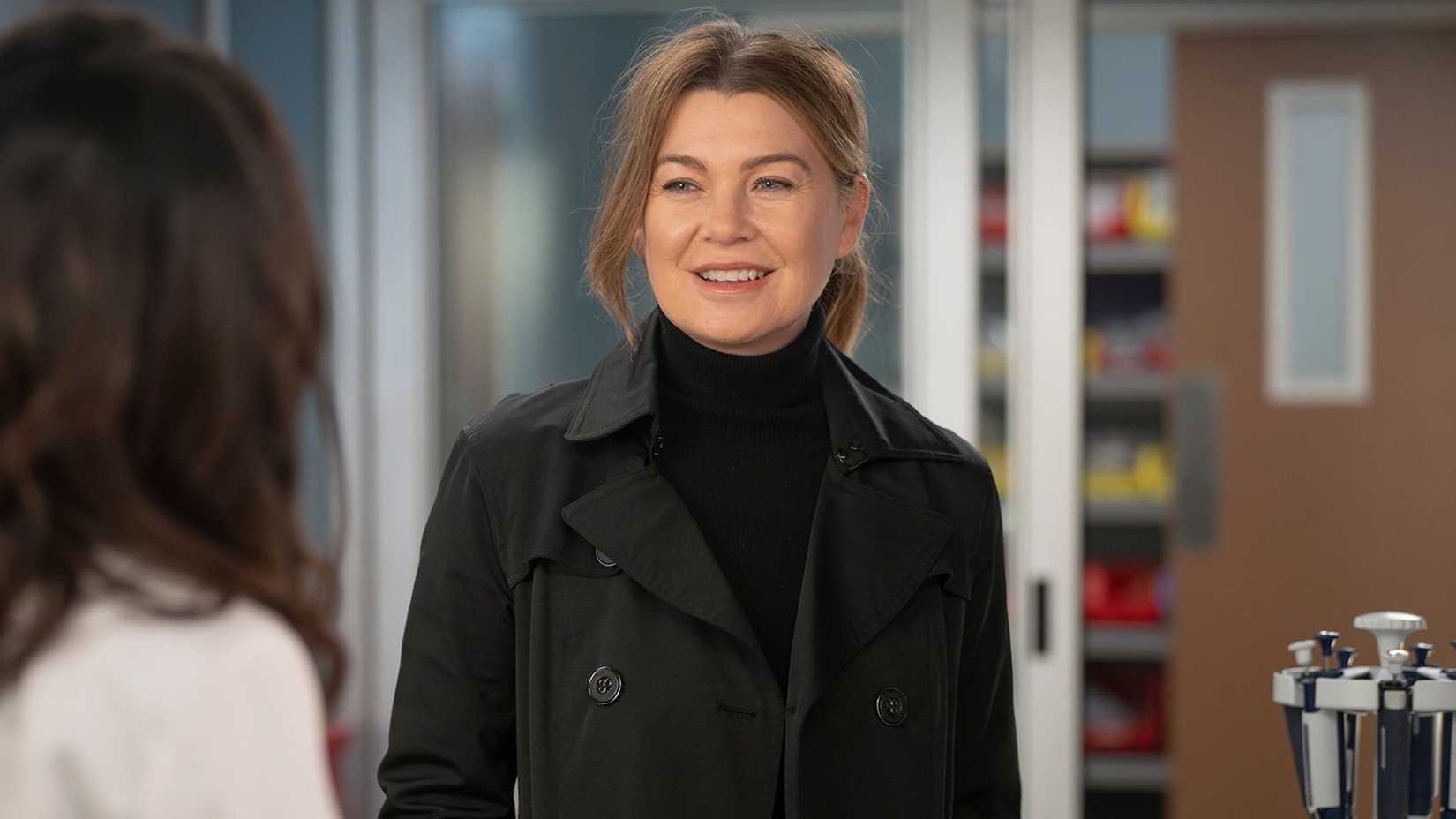
Industry insiders note that while fans initially resisted shifts like Station 19, social media sentiment and network focus groups heavily favored a return to pure medicine.
"Television dynasties aren’t sustained by accident," notes network strategy analysts. "When an audience has invested twenty years into the psychological and physical trials of hospital workers, asking them to pivot permanently to firefighting is a heavy lift. A medical spinoff anchored in a completely different regional environment hits the sweet spot: it is familiar enough to comfort legacy viewers, yet distinct enough to forge its own identity."
Furthermore, actors from the broader Grey’s universe have expressed excitement over the franchise’s continued expansion. The flexibility of the format allows for potential guest appearances, crossover events, and the introduction of fresh talent unburdened by two decades of complex television continuity.

Implications: What Grey’s Anatomy Texas Means for the Future of ABC
The greenlighting of Grey’s Anatomy Texas carries massive implications for both ABC and the broader television landscape.
1. Proof of Concept Beyond Meredith Grey
For years, critics wondered whether Grey’s Anatomy could survive without its titular character, Meredith Grey (Ellen Pompeo). As the flagship series successfully transitions into an ensemble-driven era under showrunner Meg Marinis, Grey’s proves that its universe is larger than any single actor. Expanding geographically to Texas signals that the brand itself is the star.
2. The Small-Town vs. Big-City Dynamic
The narrative implications of setting a medical drama in Texas are vast. While the doctors at Seattle’s Grey Sloan Memorial have access to cutting-edge robotic surgery, endless funding, and elite fellowship programs, a Texas-based regional or rural hospital operates under entirely different constraints.

- Creative Problem Solving: Limited resources mean doctors must rely on ingenuity, raw instinct, and tight-knit collaboration.
- High-Impact Regional Emergencies: The Lone Star setting opens the door for wild, high-stakes trauma scenarios unique to the region—ranging from massive highway pile-ups and agricultural accidents to extreme weather events, sports injuries, and localized public health crises.
3. Securing ABC’s Primetime Future
As traditional broadcast networks fight to retain linear viewers against the dominance of streaming platforms, trusted intellectual property remains currency. By establishing a robust medical procedural franchise in Texas, ABC is effectively laying the groundwork for a post-Grey’s era. Should the flagship series eventually wind down its historic run, Grey’s Anatomy Texas stands ready to inherit the mantle, keeping millions of devoted medical drama fans engaged on Thursday nights for years to come.
Ultimately, Grey’s Anatomy Texas is more than just another spin-off attempt—it is a masterclass in network self-awareness. By returning to the emergency room triage rooms, operating tables, and high-stakes medical puzzles that made the original series a global phenomenon, ABC is setting up its crown jewel for a second act that could easily outlive us all.
