
From Arcade Cabinets to Streaming Queues: Why 2018’s ‘Tomb Raider’ Is Finding New Life on Netflix
By Entertainment Desk
Published October 22, 2026
Main Facts
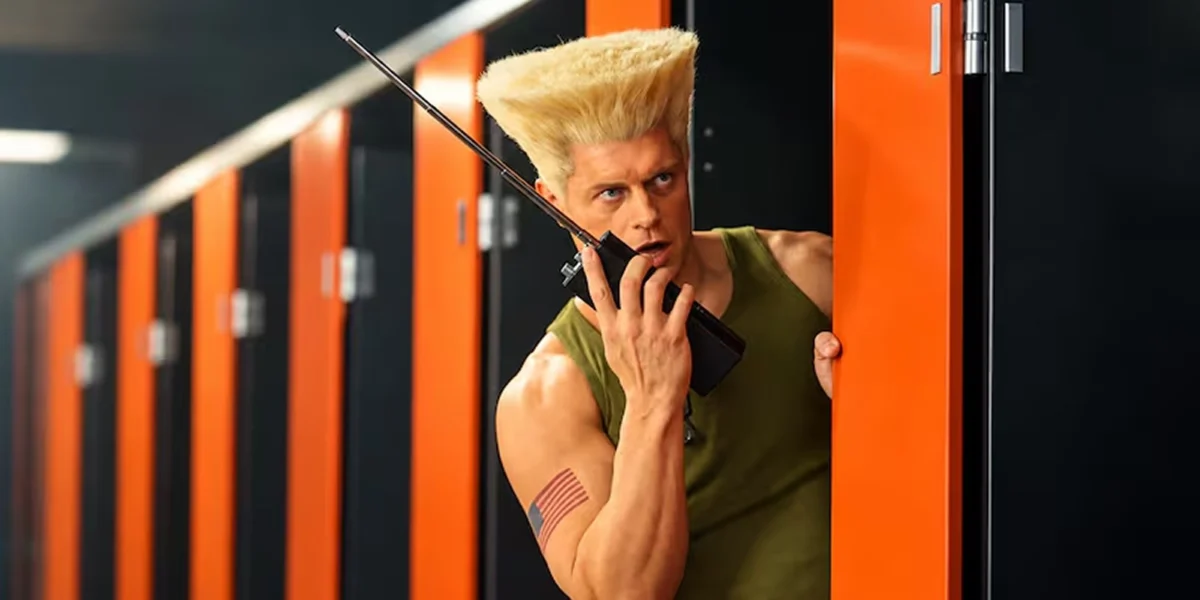
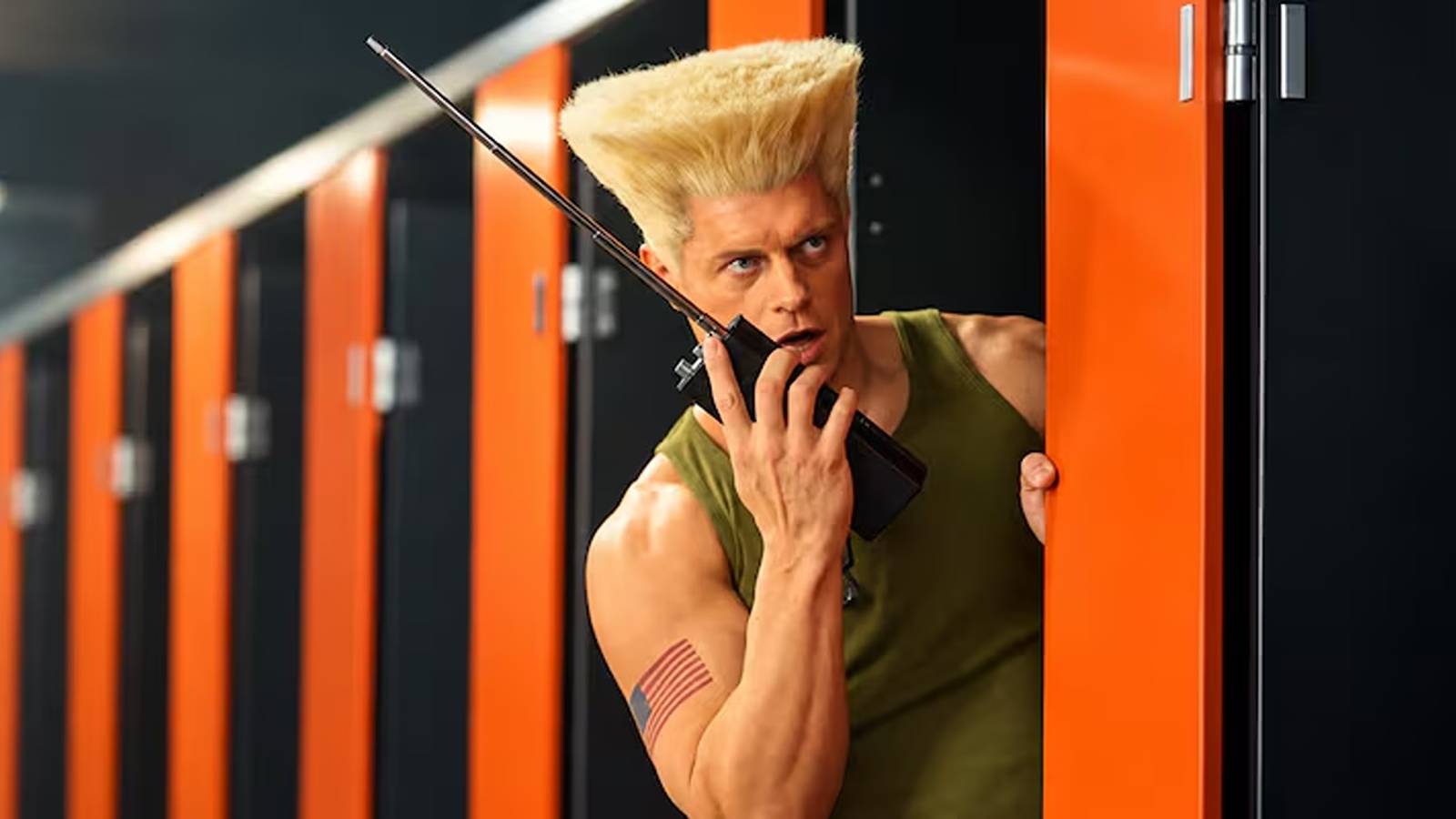
The entertainment landscape is experiencing yet another wave of video-game adaptations dominating public attention across various platforms. Most recently, the newly released Street Fighter feature film sprinted to the number-one spot at the box office, proving that audiences remain hungry for arcade-era nostalgia. However, while Street Fighter captured the top financial tier despite mixed reviews regarding its narrative and casting choices, a completely different video-game adaptation has quietly conquered a different arena: streaming.
MGM’s 2018 action-adventure reboot Tomb Raider, starring Alicia Vikander as the iconic archaeologist-turned-survivor Lara Croft, has surged into Netflix’s Top 10 movies list, according to streaming data aggregator FlixPatrol. Directed by Roar Uthaug and heavily inspired by Crystal Dynamics’ acclaimed 2013 video game reboot, the film has long been considered one of the more unfairly overlooked adaptations of its genre. As modern audiences look for cinematic adventures that balance high-octane spectacle with emotional grounding, Vikander’s gritty portrayal of Lara Croft is enjoying a much-deserved second wind.
Chronology: The Evolution of Modern Lara Croft on Screen
To understand why the 2018 film is finding a renewed audience on Netflix, it helps to trace the trajectory of the Tomb Raider franchise over the past decade, alongside shifting trends in video-game adaptations:
- March 2013: Crystal Dynamics releases the critically acclaimed Tomb Raider video-game reboot, shifting Lara Croft away from the invincible pulp heroine of the 1990s and reframing her as a vulnerable, resourceful young woman fighting for survival on a brutal island.
- March 16, 2018: MGM releases Tomb Raider, directed by Roar Uthaug and starring Alicia Vikander. The film adapts key survival elements from the 2013 game, tracking Lara’s search for her missing father, Lord Richard Croft (Dominic West), and her clash with the nefarious Trinity operative Mathias Vogel (Walton Goggins).
- 2019–2022: Following a modest box-office run (grossing roughly $275 million worldwide), MGM greenlights a sequel. Directors Ben Wheatley and later Misha Green are attached to helm the project with Vikander returning. However, prolonged production delays caused by the COVID-19 pandemic ultimately stall the film.
- July 2022: MGM loses the film rights to the Tomb Raider franchise back to the estate, officially canceling the Vikander-led sequel and clearing the path for new iterations.
- October 2024: Netflix expands the franchise’s footprint in the animation space with Tomb Raider: The Legend of Lara Croft, starring Hayley Atwell as the voice of Lara in a story bridging the survivor trilogy with the classic era.
- Present Day (October 2026): While Street Fighter dominates the theatrical box office, 2018’s Tomb Raider climbs back into Netflix’s global Top 10, proving its enduring appeal as Prime Video simultaneously prepares a high-profile live-action series starring Sophie Turner.
Supporting Data and Production Analysis
The enduring appeal of the 2018 Tomb Raider film lies largely in its commitment to physical realism and character-driven stakes. Unlike the campy, hyper-stylized blockbusters of the early 2000s starring Angelina Jolie, Uthaug’s film leaned heavily into the brutal, visceral survival mechanics popularized by modern gaming.
Action Grounded in Reality
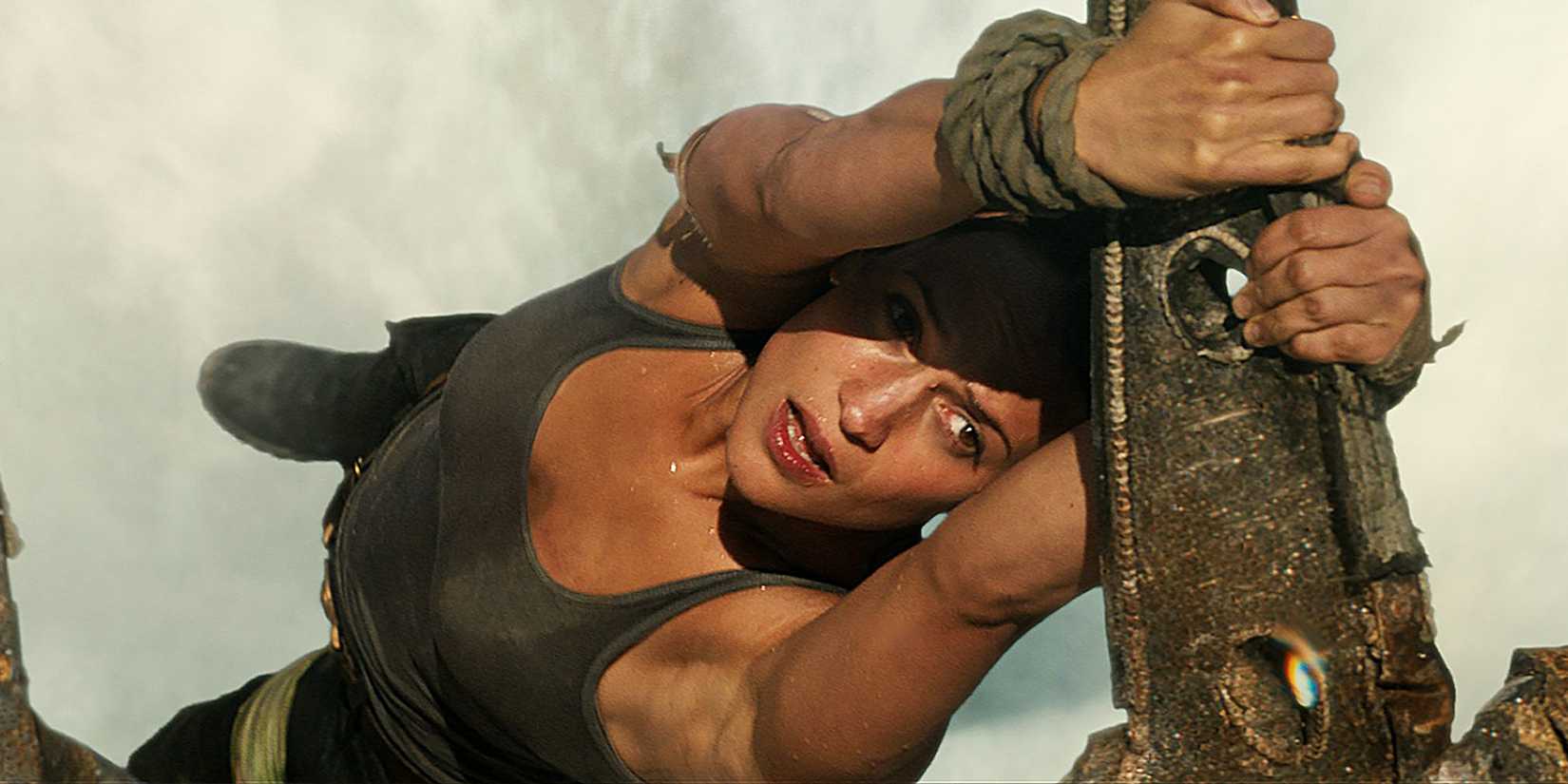
Director Roar Uthaug eschewed heavy computer-generated spectacle in favor of practical stunts and tangible hazards. From an intense bicycle courier chase through the streets of London to the heart-pounding sequence where Lara fights for her life on a rusted ship teetering over a raging waterfall, the film establishes early on that its protagonist is not born an invincible action hero. She gets bruised, cut, exhausted, and terrified—themes that resonated strongly with players of the 2013 reboot.
Standout Performances
Alicia Vikander—who won an Academy Award for her work in Ex Machina—brought a unique blend of athleticism and emotional vulnerability to the role. Unlike traditional action vehicles where violence has zero psychological cost, Vikander’s Lara undergoes a harrowing transformation when she is forced to take a human life for the first time. This quiet, deeply unsettling moment of trauma separates the film from mindless popcorn flicks.
Furthermore, the supporting cast elevates the material. Walton Goggins delivers a nuanced, grounded villain in Mathias Vogel—not a mustache-twirling cartoon mastermind, but a desperate man trapped on the island just as long as Lara, driven by a obsessive desire to return to his family. Daniel Wu provides a grounded, steady presence as Lu Ren, the ship captain who aids Lara on her expedition.

Official Responses and Creative Insights
The themes of trauma, resilience, and adventure-as-therapy have long been central to the modern incarnation of Lara Croft. Creators across both live-action and animation have frequently emphasized that Lara’s globe-trotting exploits are fundamentally an emotional coping mechanism.
When discussing the animated continuation of the character’s journey in Netflix’s Tomb Raider: The Legend of Lara Croft, showrunner Tasha Huo offered deep insight into the psychological makeup that defines the modern iteration of the character:
"I’m a big proponent of therapy and self-analysis as a way to just grow as a human being. It’s fantastic. And I’m glad Lara can do it. She hates therapy! So using adventure as therapy is a really great way for Lara to learn how to be better."
This sentiment directly mirrors the narrative arc established in the 2018 film. In both mediums, Lara’s refusal to accept her father’s death drives her into extreme physical jeopardy, forcing her to confront her inner demons in the most dangerous corners of the earth.
While the live-action cinematic universe shifted away from Vikander due to corporate and logistical hurdles—paving the way for Sophie Turner’s upcoming tenure under Prime Video—the 2018 film remains a foundational stepping stone in proving that video-game adaptations could possess genuine dramatic weight.
Implications for the Future of Video-Game Adaptations
The simultaneous cultural moments enjoyed by Street Fighter at the box office and Tomb Raider on Netflix point to a broader, highly lucrative reality for Hollywood: video-game intellectual property has officially graduated from niche nerd culture to mainstream cinematic dominance.
For years, video-game adaptations carried a notorious curse, plagued by poor writing, tonal dissonance, and alienating deviations from source material. However, the success of streaming platforms in resurrecting titles like 2018’s Tomb Raider demonstrates that audiences evaluate these films on their long-term merits. If a project invests in strong casting, physical stunt work, and psychological depth—even if it receives lukewarm critical reception initially—it can find a passionate, enduring audience in the digital ecosystem.
As Prime Video gears up for its own high-stakes Tomb Raider television series with Sophie Turner, and as cinematic universes continue to mine classic arcade and console libraries for inspiration, the blueprint laid down by Vikander and Uthaug serves as a vital reminder. Audiences do not just want to see their favorite pixels rendered in live-action; they want to feel the bruises, share in the grief, and embark on the psychological journey right alongside the hero.
