
Reign, Records, and Red Carpets: Inside the Historic 2026 MTV Video Music Awards
The question of whether pop royalty can withstand the test of time was answered emphatically at the 2026 MTV Video Music Awards. As music’s biggest stars descended upon Los Angeles, the night unfolded as a generational masterclass, a celebration of enduring legacy, and a testament to modern chart dominance.
Headlining the evening was none other than the Queen of Pop herself, Madonna, who entered the ceremony leading all nominees with a staggering 11 nods. By the end of the night, she had cemented her legendary status by converting those nominations into a dominant seven wins, proving that her artistic evolution continues to capture both public fascination and critical acclaim. Yet, the night was equally defined by Taylor Swift, whose steady accumulation of Moonpersons allowed her to shatter historical records and stake her claim as a defining titan of 21st-century music.
From genre-defining K-pop sensations to breakthrough newcomers, the 2026 VMAs delivered a night of high-stakes competition, unforgettable performances, and monumental milestones that will be analyzed by music historians and pop culture enthusiasts for years to come.
Main Facts: Madonna’s Triumphant Return and Swift’s Historic Milestone
The 2026 VMAs will be remembered primarily as a historic tug-of-war between two of the music industry’s most formidable female forces: Madonna and Taylor Swift.
Madonna’s seven-win sweep was nothing short of breathtaking. Heading into the evening with a leading 11 nominations, the icon captured one of the night’s most prestigious accolades: Artist of the Year. Her creative footprint was felt across multiple categories, securing the win for Best Collaboration alongside Sabrina Carpenter for "Bring Your Love," and taking home the trophy for Best Dance with "Confessions II — The Film." True to form, the win in the dance category offered a humorous moment for the icon, who openly admitted to a brief bout of confusion over how the genre landscapes have shifted—though her work clearly resonated with voters. Madonna’s dominance extended deep into the technical and long-form categories, where she swept Best Cinematography, Best Choreography, Best Long-Form Video, and Best Album for Confessions II.
Meanwhile, Taylor Swift—the second-most nominated artist of the night—left her own indelible mark on the ceremony. Swift was honored with the inaugural Artist Director Honors, recognizing her meticulous world-building and visionary approach to music videos. She closed out the evening by capturing the night’s ultimate prize, Video of the Year, for her cinematic masterpiece "The Fate of Ophelia."

Most importantly, Swift’s dual wins pushed her career total of VMA Moonpersons to an unprecedented 32, allowing her to break her tie with Beyoncé and secure sole possession of the record for the most VMAs won by any artist in history.
Chronology of the Night: From Red Carpet Glitz to the Final Moonperson
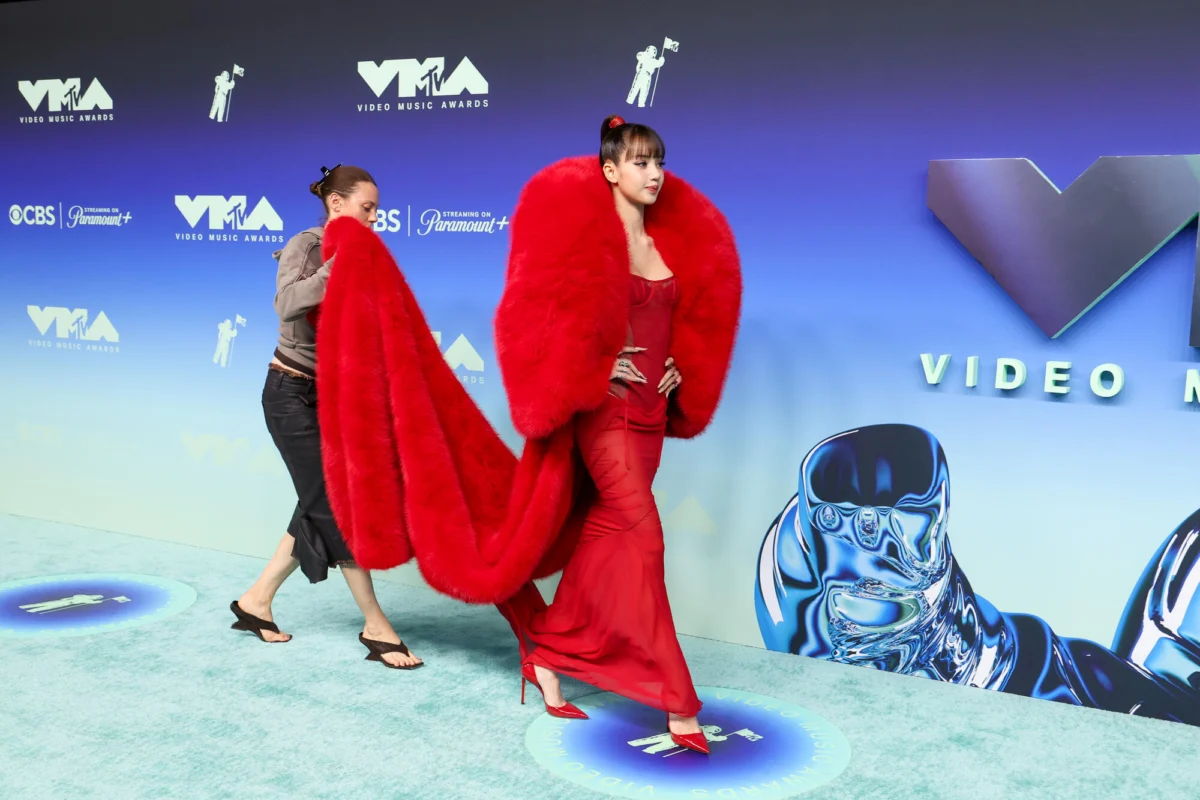
The energy inside the venue in Los Angeles was palpable from the moment the first limousine pulled up to the red carpet. Stars arrived in dazzling ensembles that immediately set social media ablaze, with photo galleries updating in real-time as fashion icons, emerging talents, and veteran superstars posed for the cameras.
As the main ceremony commenced, the momentum quickly tilted toward the evening’s heavy hitters. Early awards established a dynamic landscape where global phenomenons and fresh faces shared the spotlight. K-pop powerhouse BTS captured early enthusiasm, winning Best K-Pop and the fan-voted Best Group before later claiming the major title of Song of the Year for "Swim."
As the broadcast moved through its midpoint, the genre categories showcased the incredible diversity of contemporary music. Cardi B and Kehlani took Best Hip-Hop with "Safe," Bruno Mars triumphed in Best R&B with "IJust Might," and Olivia Rodrigo secured Best Alternative with "The Cure." Latin music made waves when Bad Bunny took home Best Latin for "Nuevayol," while Ella Langley claimed Best Country with "Choosin’ Texas."
The tension peaked during the latter half of the ceremony as the major artist and video categories were announced. Madonna claimed her victories in rapid succession across the dance and collaborative spaces, while the audience waited with bated breath for the final marquee announcements.
The climax of the night arrived when Taylor Swift was revealed as the winner of Video of the Year for "The Fate of Ophelia," a triumphant capper to an evening that also saw her receive the first-ever Artist Director Honors. As the confetti fell and the final credits rolled, the narrative of the night was set in stone: a harmonious, albeit competitive, co-existence between past, present, and future legends of pop.

Supporting Data: Complete Breakdown of the 2026 VMA Winners
The 2026 VMAs honored excellence across traditional genre boundaries, technical execution, and fan-voted social categories. Here is the complete breakdown of who took home a Moonperson:
Major Categories
- Video of the Year: "The Fate of Ophelia" — Taylor Swift (Winner)
- Artist of the Year: Madonna (Winner)
- Song of the Year: "Swim" — BTS (Winner)
- Best New Artist: Sienna Spiro (Winner)
- Best Collaboration: "Bring Your Love" — Madonna and Sabrina Carpenter (Winner)
Genre Categories
- Best Pop: "Dream" — Lisa featuring Kentaro Sakaguchi (Winner)
- Best Hip-Hop: "Safe" — Cardi B feat. Kehlani (Winner)
- Best R&B: "I Just Might" — Bruno Mars (Winner)
- Best Alternative: "The Cure" — Olivia Rodrigo (Winner)
- Best Dance: "Confessions II — The Film" — Madonna (Winner)
- Best Latin: "Nuevayol" — Bad Bunny (Winner)
- Best K-Pop: "Swim" — BTS (Winner)
- Best Country: "Choosin’ Texas" — Ella Langley (Winner)
Craft & Technical Categories
- Best Direction: "Opalite" — Taylor Swift (Winner)
- Best Art Direction: "Stateside" — PinkPantheress and Zara Larsson (Winner)
- Best Cinematography: "Confessions II — The Film" — Madonna (Winner)
- Best Editing: "House Tour" — Sabrina Carpenter (Winner)
- Best Choreography: "Confessions II — The Film" — Madonna (Winner)
- Best Visual Effects: "Hate That I Made You Love Me" — Ariana Grande (Winner)
Social & Special Categories
- Best Group: BTS (Winner)
- Best Long-Form Video: Madonna — "Confessions II — The Film" (Winner)
- Best Album: Madonna — Confessions II (Winner)
- Song of Summer: Ariana Grande — "Hate That I Made You Love Me" (Winner)
- Video Vanguard Award: Nirvana (Winner)
- Artist Director Honors: Taylor Swift (Winner)
Official Responses and Industry Reactions
The aftermath of the 2026 VMAs sparked widespread commentary across the entertainment world, highlighting both the emotional weight of the wins and the cultural significance of the honorees.
Industry analysts pointed to Madonna’s dominant night as a masterclass in artistic resilience. Despite decades in the spotlight, her ability to pivot into modern dance landscapes and collaborate seamlessly with younger artists—such as Sabrina Carpenter—demonstrated an unmatched institutional understanding of pop music trends. Her multi-category sweep signaled to critics that creative innovation has no expiration date.
On the other side of the spectrum, Taylor Swift’s achievement in breaking the all-time VMA win record drew praise from peers and industry executives alike. Accepting her awards, Swift emphasized the collaborative nature of visual storytelling, a sentiment that underscored the value of the newly minted Artist Director Honors. Her milestone of 32 career Moonpersons sets a high watermark for future generations of recording artists.
Furthermore, the international scope of the winners—highlighted by BTS sweeping major categories including Song of the Year and Best Group, alongside Lisa capturing Best Pop—underscored the increasing globalization of the American music award circuit. Industry insiders noted that MTV’s shifting voter base continues to embrace cross-cultural artistry, ensuring that the VMAs remain a truly global barometer of musical success.
Implications: What the 2026 VMAs Mean for the Future of Music
The outcomes of the 2026 MTV Video Music Awards carry significant implications for the trajectory of the pop music industry moving forward.

First, the dual triumphs of Madonna and Taylor Swift challenge traditional narratives about the lifecycle of female pop stars. By proving that legacy acts can command the contemporary charts and sweep competitive categories against younger counterparts, Madonna has redefined the boundaries of longevity in pop music. Meanwhile, Swift’s record-breaking 32 VMAs position her as an enduring benchmark for commercial and artistic output in the digital streaming era.
Second, the structural recognition of craft—through awards like the inaugural Artist Director Honors and technical categories dominated by meticulous long-form projects—signals a broader industry pivot. In an era dominated by short-form social media clips, artists are increasingly rewarded for investing in cinematic, cohesive, and deeply narrative-driven visual albums. Madonna’s Confessions II — The Film and Swift’s "The Fate of Ophelia" prove that high-concept videography remains a potent vehicle for artistic expression.
Finally, the strong showing by international acts like BTS and Lisa points toward a permanently globalized future for pop music dominance. As language barriers continue to dissolve on mainstream charts, future award shows will likely reflect an even more diverse tapestry of sounds, cultures, and fan communities. The 2026 VMAs did not just crown the best of the year; they provided a roadmap for where the industry is headed next.
