
The Cinematic Misstep of the Decade: Analyzing the Controversy Surrounding "The Social Reckoning"
By [Your Name/Journalistic Staff]
Editor’s Note: The following article contains significant spoilers for "The Social Reckoning."
In the landscape of 2026 cinema, few films have arrived with as much anticipation—or crashed with as much systemic failure—as The Social Reckoning. Marketed as a spiritual successor to David Fincher’s 2010 masterpiece The Social Network, Aaron Sorkin’s latest directorial effort has been met with a critical firestorm. While the film attempts to chronicle the tumultuous years between 2019 and 2021 within the walls of Facebook, it ultimately collapses under the weight of its own self-seriousness. The film’s most egregious offense, however, is not its clunky dialogue or its uneven pacing; it is a climactic, dramatized re-enactment of the January 6, 2021, insurrection at the United States Capitol, a sequence that many critics and viewers alike have labeled the most ill-conceived cinematic moment of the year.
The Main Facts: A Narrative Overreach
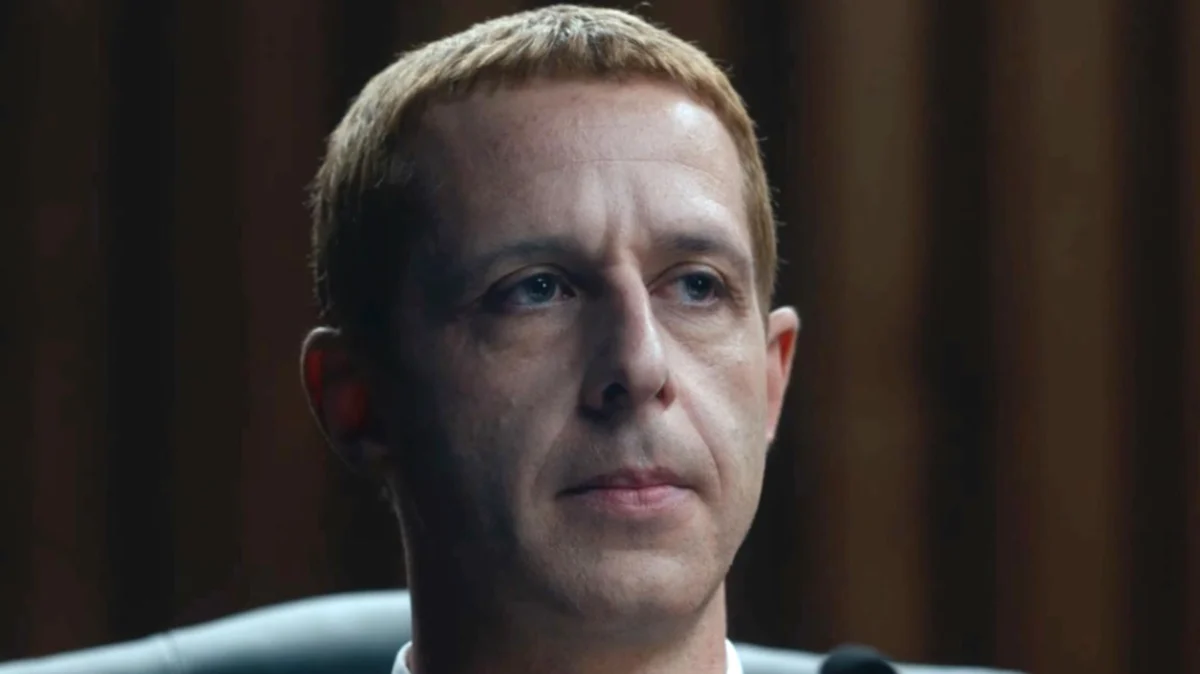
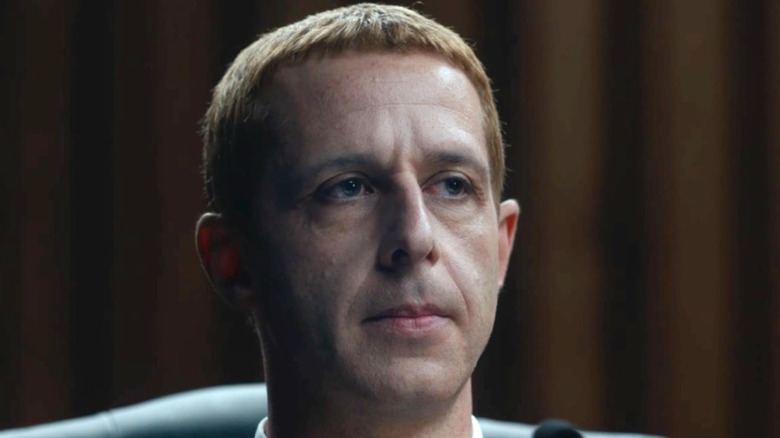
At its core, The Social Reckoning is an ambitious, if deeply misguided, attempt to dramatize the intersection of algorithmic radicalization and real-world political violence. The film centers on the whistleblowing efforts of Frances Haugen (portrayed by Mikey Madison) and her collaboration with Wall Street Journal reporter Jeff Horwitz (Jeremy Allen White). Running parallel to this investigative thread is the depiction of Mark Zuckerberg (played by Jeremy Strong), whose narrative arc focuses on the mounting pressure of Senate hearings and the internal corporate dissonance of Facebook’s leadership.
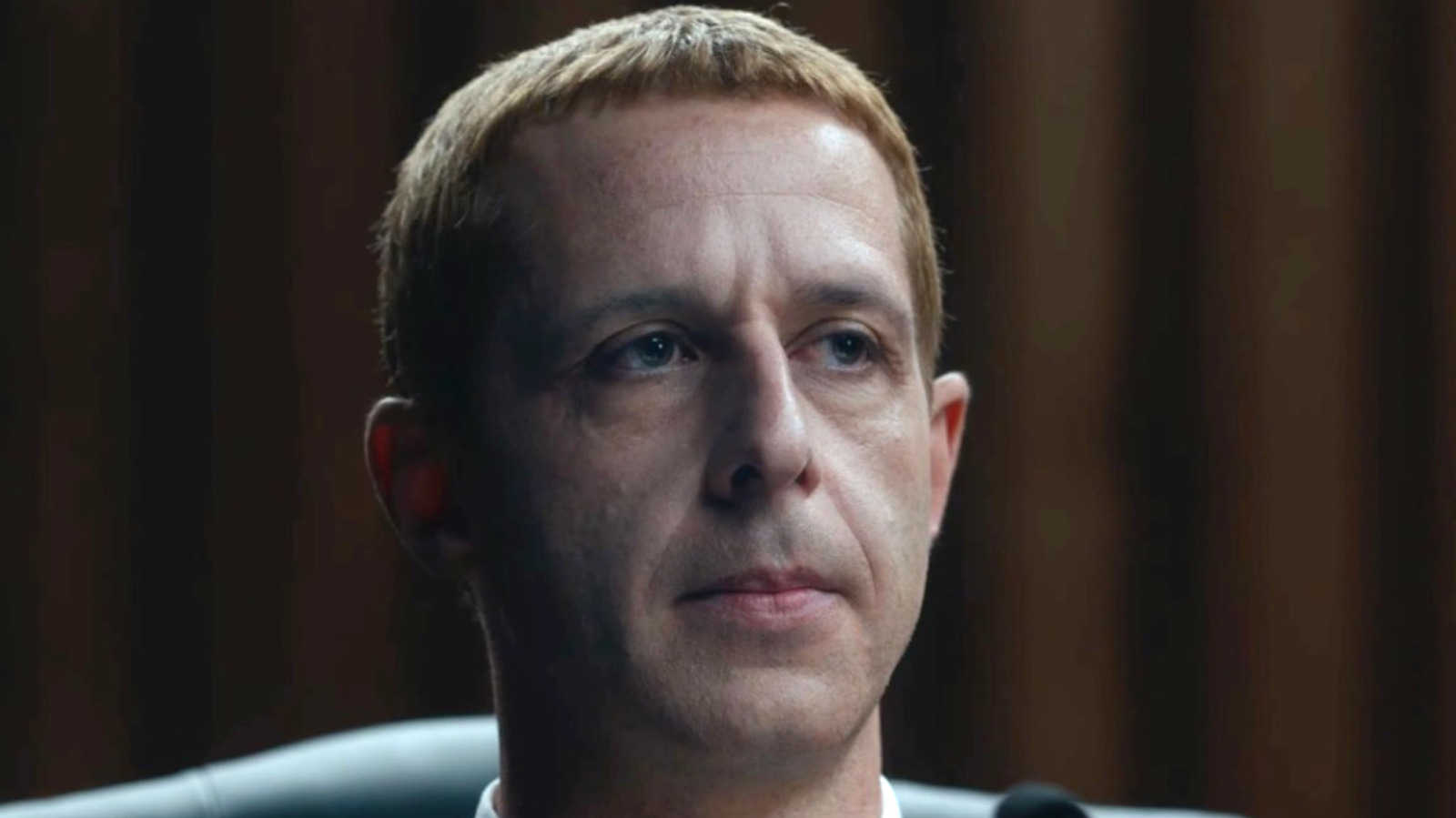
The primary point of contention lies in Sorkin’s decision to bridge these two disparate threads—corporate bureaucracy and national trauma—by placing the January 6 insurrection at the center of the film’s climax. By framing the assault on the Capitol not merely as a historical event, but as the inevitable "payoff" for Facebook’s content moderation policies, the film creates a causal link that feels both reductive and deeply exploitative. Rather than providing insight into the complexities of social media’s influence, the film relies on a ham-fisted dramatization that has left audiences and critics questioning the ethical boundaries of historical re-enactment in narrative film.
A Chronology of Artistic Miscalculation
To understand why the inclusion of the January 6 footage is so polarizing, one must look at the film’s structure. The movie opens with a disjointed prologue that introduces a peripheral character: a young woman (played by Portia Doubleday) who is stopped by police officers. In a sequence that feels more like an amateur editorial than a dramatic scene, the character is shown live-streaming an encounter with law enforcement, invoking racial rhetoric to manufacture a viral moment.
This prologue is presented as an isolated incident, yet as the narrative progresses, the film continuously returns to this character to track her descent into extremist rhetoric—a journey that is, predictably and clumsily, facilitated entirely by Facebook algorithms.
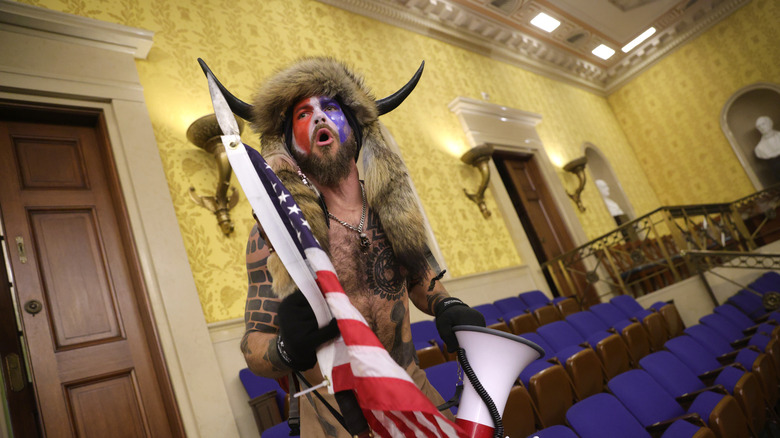
The chronology of this character’s radicalization serves as a narrative anchor for the entire film, leading to the inexorable conclusion: the January 6 riots. By the time the third act arrives, the audience is subjected to a granular, high-budget recreation of the Capitol riot, complete with depictions of violence against law enforcement and the desecration of the building. The film concludes by revealing that the character from the prologue is present in the mob, a "gotcha" moment that is intended to underscore the film’s thesis but instead highlights a profound lack of narrative subtlety.
Supporting Data and Historical Context
The reaction to the film is rooted in the uncomfortable proximity of the depicted events. Writing in late 2026, the cultural consciousness is still processing the full extent of the 2021 insurrection. The event, which occurred as Congress attempted to certify the 2020 election results, remains a defining point of American political division.
The film attempts to justify its inclusion of the event by focusing on the delayed moderation of posts made by then-President Donald Trump. However, the depiction ignores the broader, multifaceted causes of the event, opting instead to present a simplified, binary view of social media as the sole progenitor of political collapse. Critics have pointed out that while the film aims for "truth-telling," it lacks the necessary historical distance to handle the subject matter with the required gravitas.
Furthermore, the physical production of these scenes has drawn sharp criticism. Reports from the set suggest that the production team went to great lengths to replicate the interior of the Capitol, including the specific areas where human waste and physical destruction were recorded. For many, seeing these events restaged for a blockbuster movie is not a catalyst for enlightenment, but a source of genuine distress. The "sweaty, desperate" tone of the film, as described by early reviews, is exacerbated by the sheer lack of restraint in these sequences.
Official Responses and Industry Reception
The critical consensus has been overwhelmingly negative. Leading film outlets, including /Film and Looper, have characterized the film as a low point in Sorkin’s otherwise distinguished career. Chris Evangelista of /Film noted that the film’s tone is consistently heavy-handed, while other reviewers have argued that the movie treats its audience as if they are unable to grasp the complexities of the tech industry without the crutch of a forced, violent climax.
While Sony Pictures has remained largely silent regarding the specific backlash to the January 6 scenes, industry insiders have noted that the film’s box office performance has suffered significantly following the negative word-of-mouth. The "social reckoning" that the title promises has, in an ironic twist, become a reckoning for the film itself, as audiences vote with their feet and avoid what is widely considered a deeply cynical exercise in filmmaking.
The Implications for Future Political Dramas
The failure of The Social Reckoning raises significant questions about the future of political dramatization in Hollywood. Is there a statute of limitations on how soon a national tragedy can be adapted for the screen? Does the medium of prestige drama demand a level of nuance that this film failed to provide?
- The Ethics of Re-enactment: The film serves as a cautionary tale for studios. When filmmakers choose to recreate real-world violence, the burden of proof is on them to demonstrate that the scene serves a narrative purpose that cannot be achieved through exposition or archival footage. By opting for a full-scale reconstruction, The Social Reckoning loses the audience’s trust.
- The Perils of "Preachy" Writing: Sorkin has long been known for his rapid-fire, intellectual dialogue, but critics argue that his recent work has veered into didacticism. When a screenplay becomes more interested in "making a point" than in developing authentic human interactions, the result is the kind of self-parody seen in the final act of this film.
- Audience Fatigue: In an era where viewers are constantly bombarded with political content on their feeds, the desire for "escapist" cinema is at an all-time high. The Social Reckoning fails to provide an escape, instead choosing to drag the viewer back into the most toxic elements of the recent past without offering a new perspective or meaningful resolution.
In conclusion, The Social Reckoning stands as a masterclass in how not to handle sensitive historical material. By prioritizing a heavy-handed, didactic message over coherent character development and respect for the gravity of the events it depicts, the film has alienated its audience and likely ensured its place in the history books—not as a profound commentary on the tech era, but as a textbook example of artistic hubris. As the film continues its theatrical run, it serves as a stark reminder that even the most talented creators can lose their way when they allow their political impulses to overshadow the fundamental requirements of good storytelling.
