
Embracing the Absurd: How Cobra Kai Defied Television Norms to Reinvigorate The Karate Kid Legacy
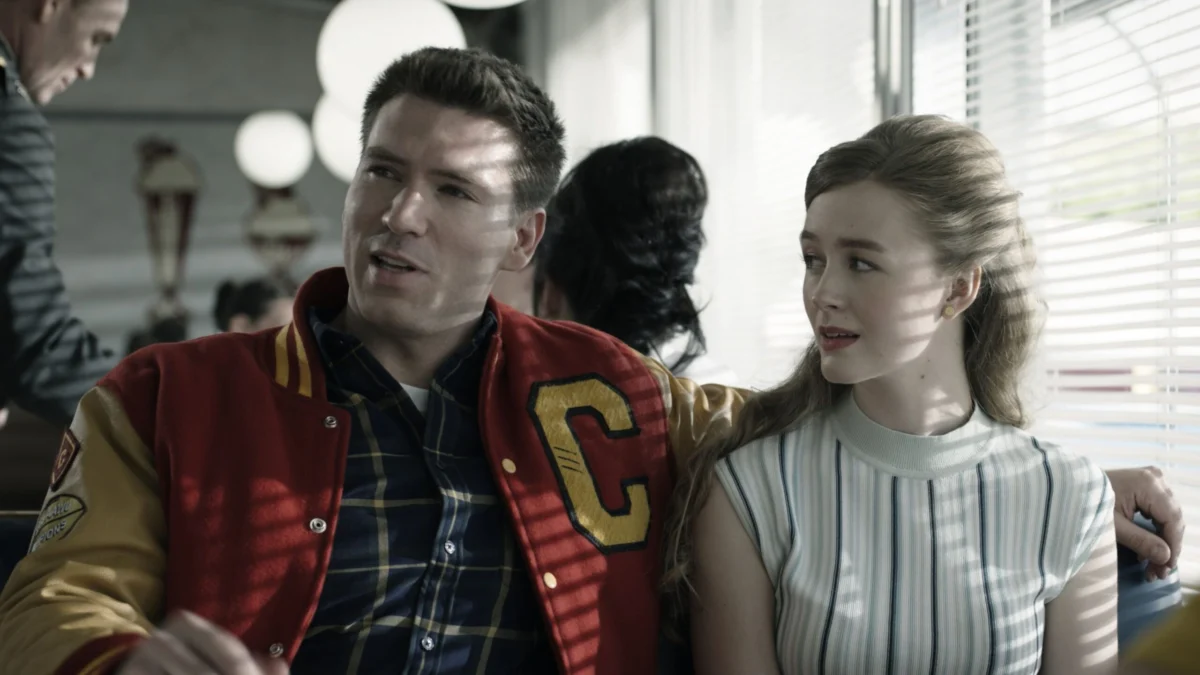
In an era of Peak TV dominated by gritty realism, grounded prestige dramas, and hyper-cautious plotting, Netflix’s Cobra Kai stands out as a glorious, unapologetic anomaly. While contemporary television audiences generally expect high-end dramas to tether themselves to plausibility—favoring authentic human behavior, logical consequences, and stories that respect the boundaries of the real world—Cobra Kai has built its massive, multi-season success on a foundation of pure, unadulterated absurdity. Across six seasons and 65 action-packed episodes, the hit martial arts comedy-drama has repeatedly asked its viewers to accept scenarios that would make a soap opera blush. Yet, rather than alienating its audience, this willingness to lean into the bombastic has become its greatest asset.
Main Facts: The Implausible Mechanics of a Modern Phenomenon
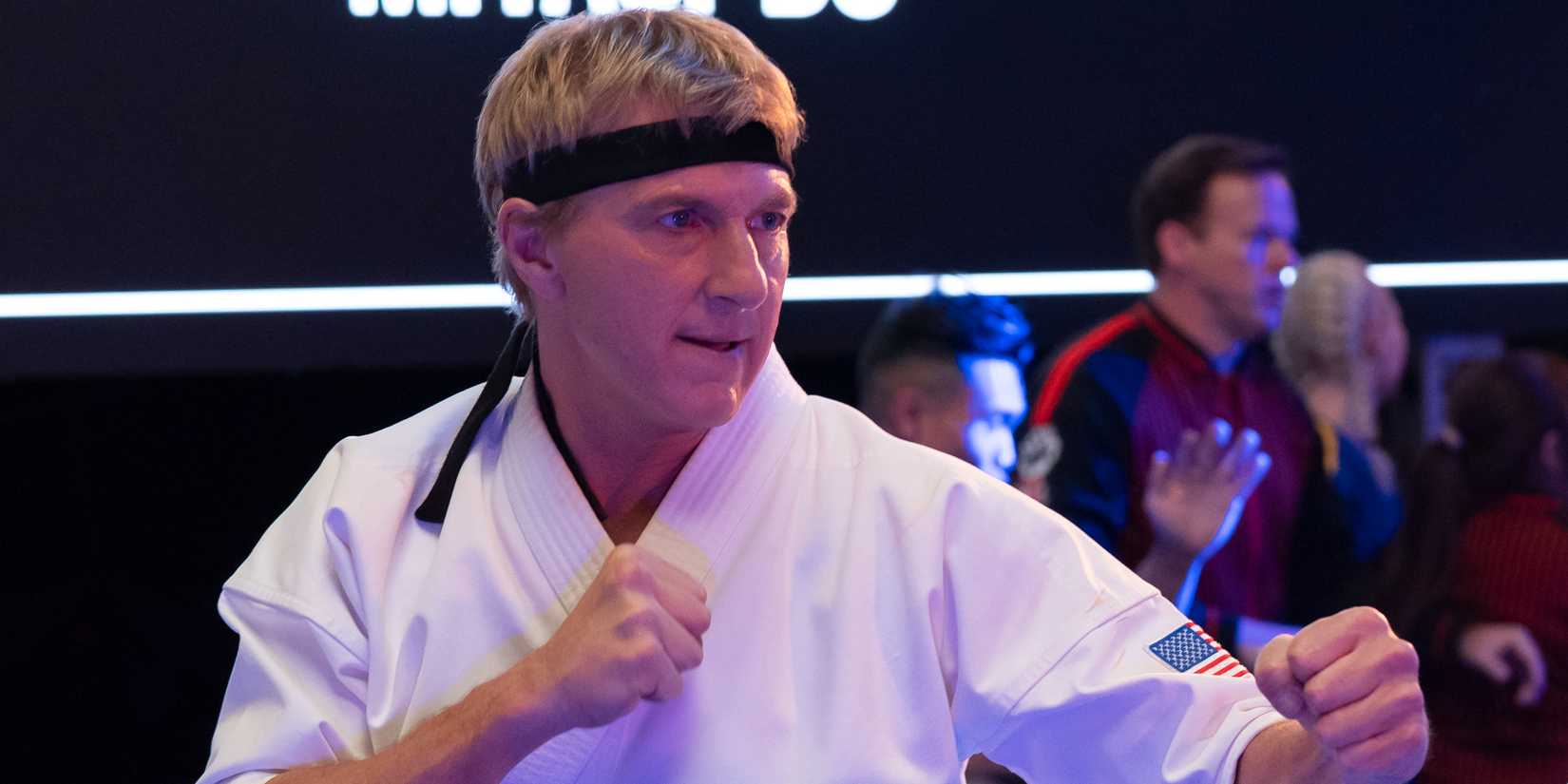
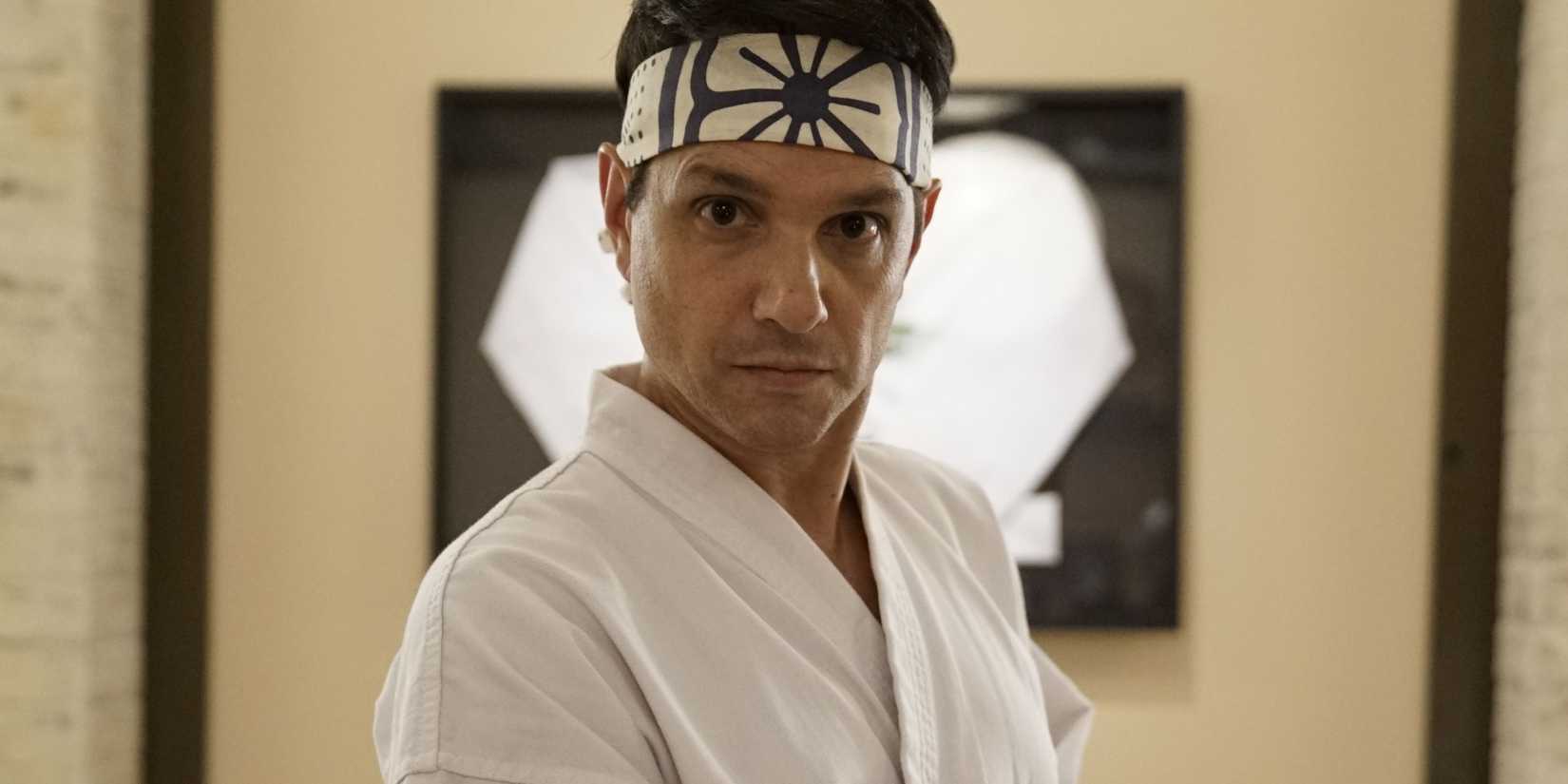
At its core, Cobra Kai acts as a direct television sequel to the iconic 1984 film The Karate Kid. The series initially reunites audiences with former rivals Daniel LaRusso (Ralph Macchio) and Johnny Lawrence (William Zabka) decades after their legendary showdown at the All Valley Karate Tournament. What begins as a modest, character-driven study of two middle-aged men wrestling with the ghosts of their past quickly spirals outward into something entirely unrecognizable.
By modern standards of storytelling, the plot mechanics of Cobra Kai defy all logic:
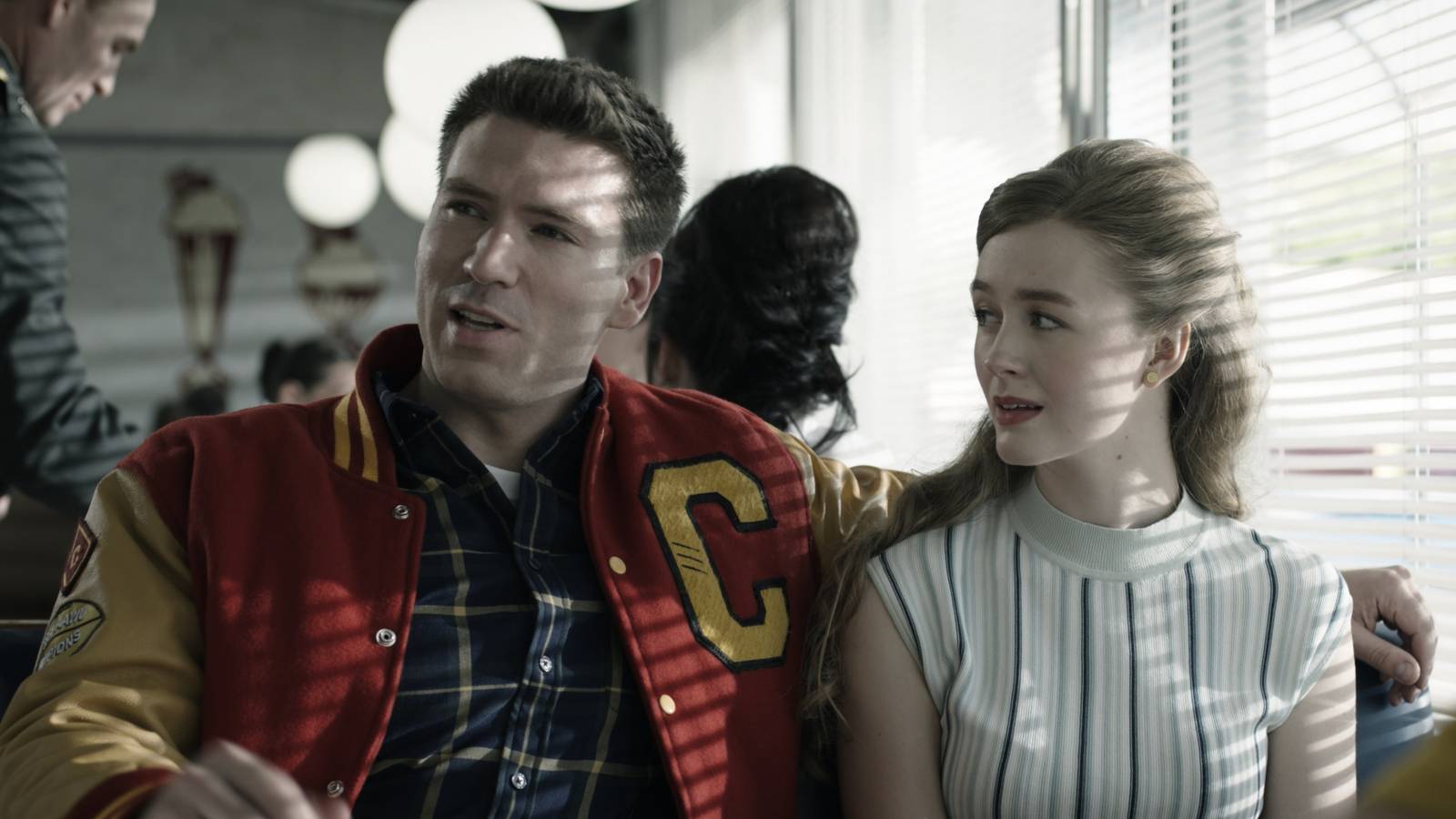
- The Escalation to Gang Warfare: Local high school karate rivalries evolve into elaborate, organized turf wars, complete with coordinated home invasions, calculated assaults, and escalating acts of multi-continental revenge.
- The Authorities Are Missing in Action: Teenagers are routinely hospitalized with severe injuries from illicit street brawls, yet local law enforcement and school administrators maintain a bafflingly passive stance, allowing the violence to escalate from term to term.
- Committed Parental Complicity: Concerned parents across the fictional San Fernando Valley continuously look past the obvious dangers, happily funding and permitting their children to train at aggressive dojos with proven tracks records of delinquency.
Despite these outlandish narrative swings, Cobra Kai succeeds because it approaches every piece of high-stakes nonsense with deadpan sincerity. The cast’s committed performances ensure that even the most far-fetched developments—from school-wide martial arts riots to international tournament conspiracies—are sold with a poker-faced authenticity that invites the audience to accept them as gospel.
Chronology: From Small-Town Nostalgia to Global Martial Arts Epics
Understanding Cobra Kai requires looking at its unique evolution across shifting platforms and cultural landscapes.
Phase 1: The YouTube Red Origins (2018–2019)
When creators Hayden Schlossberg, Josh Heald, and Jon Hurwitz first launched the series on YouTube Red (later YouTube Premium), the scope was remarkably tight. Seasons 1 and 2 centered heavily on the psychological fallout of Johnny Lawrence opening the Cobra Kai dojo to reclaim his lost dignity, and Daniel LaRusso reacting as a protective, albeit flawed, mentor. While already featuring heightened teenage drama, the stakes remained tethered primarily to local high school social dynamics and neighborhood tension.

Phase 2: The Netflix Acquisition and Expansion (2020–2023)
When Netflix acquired the series ahead of its third season, the training wheels came off completely. With a broader global platform and a green light to scale up production values, Cobra Kai embraced its inner live-action anime. Seasons 3 through 5 introduced international villains, elaborate weapons training, high-tech corporate espionage via Terry Silver, and massive dojo mergers that turned Southern California into a literal war zone governed by martial arts law.
Phase 3: The Grand Finale and the Sekai Taikai (2024–2025)
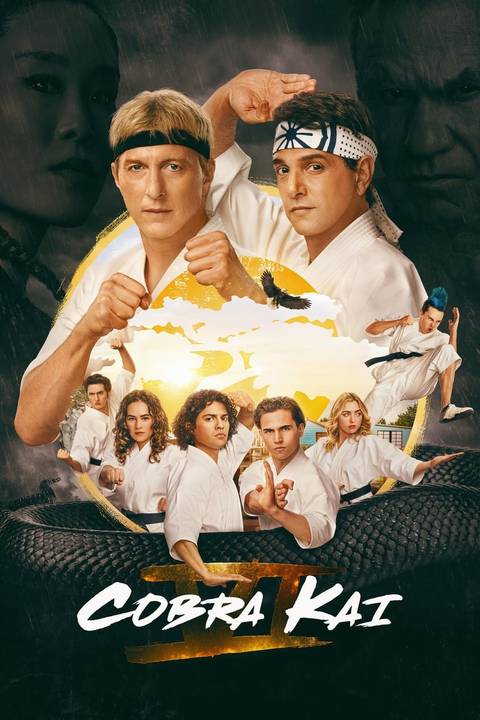
Culminating in its sixth and final season, the series expanded beyond the borders of the United States entirely, entering the global arena of the Sekai Taikai—an elite international martial arts tournament. By treating high-stakes global combat with the same melodramatic intensity previously reserved for a local strip-mall karate class, Cobra Kai achieved a scale that no viewer of the original 1984 film could have possibly predicted.
Supporting Data: Critical Reception and Audience Engagement
The gamble to abandon realism has paid off handsomely in metrics, cultural impact, and critical staying power.
- Critical Acclaim: Throughout its run, the series has maintained overwhelmingly positive critical consensus, regularly scoring in the high 90s on aggregator platforms like Rotten Tomatoes. Critics frequently praise the show’s rare ability to balance genuine emotional beats with campy, nostalgic fun.
- Streaming Dominance: Following its move to Netflix, Cobra Kai routinely rocketed to the platform’s global top ten charts, proving that serialized nostalgia, when executed with high energy, possesses massive international cross-demographic appeal.
- Franchise Revitalization: The show’s popularity successfully breathed new life into intellectual property that had otherwise lay dormant outside of the poorly received 2010 Jackie Chan/Jaden Smith feature film remake. It converted original nostalgic fans and younger, modern viewers into a unified, highly engaged fanbase.
Official Responses and Creative Intentions: Why Realism is Overrated
The creative team behind Cobra Kai has never hidden the fact that the show is intentionally divorced from reality. In various interviews, the showrunners have emphasized that the magic of the universe lies in treating adolescent emotional stakes as if they were matters of life and death.
Furthermore, the narrative strategically includes characters who voice the audience’s inner disbelief. Chief among them is Amanda LaRusso, played by Courtney Henggeler. Amanda frequently breaks the tension by pointing out how completely ridiculous it is for grown adults to wage psychological warfare over a youth karate tournament. By acknowledging the absurdity through a grounded character, the writers give themselves permission to lean even harder into the madness while maintaining a wink-and-nod relationship with the viewers.
Cast members like Ralph Macchio and William Zabka have similarly noted that the series works precisely because it captures the melodramatic lens through which teenagers view the world—where a high school rivalry feels like an existential battle between absolute good and absolute evil.
Implications: Rewriting the Karate Kid Legacy
Perhaps the most remarkable achievement of Cobra Kai is its paradoxical ability to make the original Karate Kid film trilogy feel more grounded and emotionally resonant, despite its own narrative flying completely off the rails.
Recontextualizing the Villains
Consider Terry Silver, introduced in The Karate Kid Part III as a comically over-the-top, wealthy corporate villain who devotes an absurd amount of time and resources to tormenting a high schooler. In the vacuum of the 1989 film, Silver’s actions felt cartoonish. However, Cobra Kai leans into his character by exploring his post-Vietnam War psychological trauma, his manipulative codependency with John Kreese (Martin Kove), and his deep-seated mental instability. Suddenly, a campy 1980s movie villain is reframed as a tragic, deeply complex figure.
Challenging the Hero’s Journey
The series also fundamentally disrupts the clean-cut moral binaries of the original films. Through Johnny Lawrence’s perspective, the show forces audiences to re-examine Daniel LaRusso’s behavior, questioning whether Daniel was always the golden-hearted hero he believed himself to be—even tackling the ongoing cultural debate over whether his iconic 1984 crane kick was a legal maneuver. Kreese’s abusive mentorship is similarly unpacked, shifting away from shallow villainy toward a generational cycle of trauma and abuse.
A New Blueprint for Legacy Sequels
In a broader entertainment landscape saturated with cynical cash-grabs and overly reverent reboots, Cobra Kai offers a vital lesson in legacy-sequel execution. It proves that franchises do not need to constantly modernize themselves by shedding their past or attempting grim, gritty overhauls. Instead, properties can lean heavily into their inherent corniness, elevate their supporting players, and trust that audiences will gladly embrace the fun if the emotional core remains entirely sincere.
Cobra Kai succeeds because it understands a fundamental truth of entertainment: viewers will forgive almost any level of narrative absurdity, provided the characters fighting inside the storm feel real, earned, and deeply human.
