
From Trailer Triumph to Critical Disappointment: Why Other Mommy Failed to Live Up to the Hype
Main Facts: The Rise and Fall of a High-Concept Horror Feature
Few cinematic marketing campaigns in recent memory generated as much immediate online frenzy as the promotional rollout for Other Mommy. Boasting a deliciously unsettling premise, top-tier talent both in front of and behind the camera, and an arresting visual aesthetic, the film arrived as one of the most anticipated horror releases of the year. However, as the film officially landed in theaters and before critics, the gap between promotional hype and actual execution became glaringly apparent.
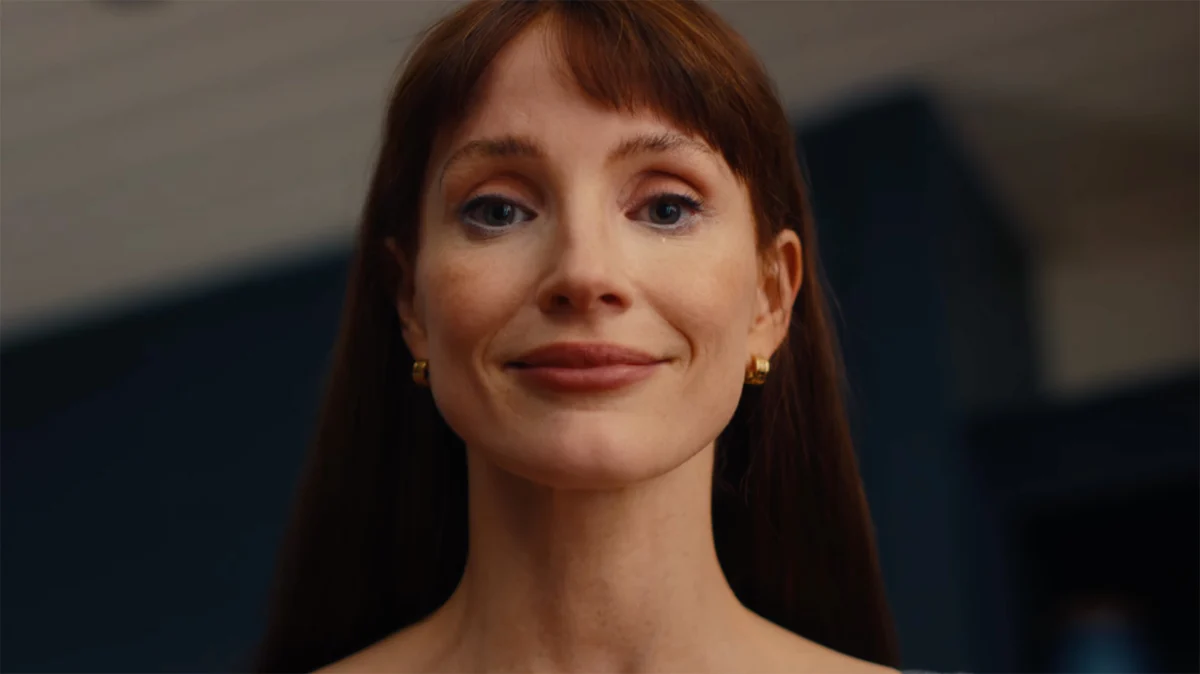
At its core, Other Mommy features Academy Award winner Jessica Chastain in a high-wire dual role. She portrays Ursula, a stressed-out working mother, alongside the titular supernatural entity that haunts her young daughter by masquerading as a grotesque mirror-image of the maternal figure. Directed by Rob Savage—a filmmaker who previously commanded digital-era horror attention with Host—and penned by Nathan Elston, the screenplay is adapted from Josh Malerman’s eerie 2024 bestselling novel Incidents Around the House. Adding further industry weight to the project, modern horror master James Wan served as a producer.
Despite this heavy-hitting pedigree, the critical response has proven far more terrifying to the studio executives than anything projected on screen. Other Mommy currently sits at a dismal 23% approval rating on review aggregation site Rotten Tomatoes. While critics have universally lauded Chastain’s physical commitment and the underlying psychological concept, the overarching consensus paints a picture of a misfired project that squanders a slam-dunk premise on budget-conscious spectacle, inconsistent tone, and a remarkably thin narrative.
Chronology: From Literary Page to Promotional Peak and Critical Backlash
To understand how Other Mommy stumbled, it is helpful to trace its journey from conception to release:
- The Literary Origin (2024): Josh Malerman publishes Incidents Aroundthe House, a chilling novel exploring familial dread, domestic instability, and an intrusive supernatural entity known as "Other Mommy" that preys on a young child’s psychological vulnerabilities.
- Adaptation and Development: Filmmaker Rob Savage and screenwriter Nathan Elston board the project. James Wan signs on as a producer to shepherd the adaptation into a mainstream cinematic fright flick.
- Casting and Production: Jessica Chastain is cast in the demanding dual role of Ursula and the malevolent entity. Production focuses heavily on practical and digital effects to bring the doppelgänger’s unnatural movements to life.
- The Trailer Debut: The studio drops a teaser trailer that instantly becomes one of the most buzzed-about promotional clips of the year, showcasing eerie domestic horror, creepy smiles, and a palpable sense of dread that hooks audiences globally.
- The Theatrical Release and Critical Reckoning: The film premieres to the public and press. Rather than matching the terrifying promise of its trailer, the feature is met with widespread critical pans, rapidly accumulating a low 23% Rotten Tomatoes score and sparking industry debates over trailer-driven hype.
Supporting Data: Critical Breakdown and Box Office Repercussions
The disparity between marketing brilliance and critical execution has provided a fascinating case study for industry analysts. While trailers are engineered to extract the absolute best, most kinetic moments of a film, Other Mommy apparently front-loaded its strongest assets into two minutes of footage, leaving the remaining 88 minutes of its brisk runtime feeling hollow.
The breakdown of major critical reviews highlights a recurring set of grievances:

- Tone and Coherence: Critics noted that the movie struggles to maintain a consistent atmosphere. What starts as an effective domestic thriller frequently degrades into jarring supernatural excess.
- Visual Effects: Several reviewers took aim at the film’s reliance on computer-generated imagery (CGI) for Chastain’s monstrous transformations, comparing the digital distortion unfavorably to classic practical effects.
- Runtime and Substance: Despite a lean 90-minute runtime, critics argued that the script failed to flesh out its mythology, leaving substantial gaps in narrative momentum.
Despite these creative shortcomings, the heavy initial momentum of the trailer ensured substantial curiosity during opening weekend, proving once again that high-concept marketing can successfully drive theatrical foot traffic even in the face of flagging word-of-mouth.
Official Responses and Reviewer Consensus
The cultural dialogue surrounding Other Mommy has been dominated by professional film critics attempting to reconcile a phenomenal lead performance with a flawed script.
Writing for Variety, critic Siddhant Adlakha delivered one of the most scathing notices, categorizing the film as "among the most limp and ineffectual works to grace the screen this year." Adlakha specifically pointed out the film’s tonal misfires, describing sequences of "psychological pranks involving ball pits, wonky gravity, and a CGI Chastain alternatingly melting like the Batman villain Clayface and flailing about like an inflatable tube man."
Carlos Morales of IGN echoed similar sentiments, labeling the project "a great idea looking for a better movie." Morales lamented that director Rob Savage wasted a prime premise on a generic script, noting that while Chastain "commits even with such flimsy material," the movie ultimately "runs out of energy long before the credits roll."
Conversely, not all notices were entirely negative. Nick Schager of The Daily Beast viewed the film through a more forgiving, entertaining lens. While conceding that Savage’s plot was "far too superficial and insubstantial to be remembered as a frightening classic," Schager praised the production’s "unbridled roller-coaster momentum and hallucinatory haunted-house energy," singling out Chastain’s "creepily composed visage" as a deliciously devious highlight.
Peter Gray of The AU Review offered a balanced international perspective, noting that while the film benefits from a genuinely unnerving introduction, it quickly devolves into "an increasingly silly exercise in supernatural excess." Gray observed that the entity, despite Chastain’s dedicated physical contortions, remained "dramatically hollow."

Finally, Richard Lawson of The Hollywood Reporter praised the underlying conceit—anthropomorphizing a child’s intuitive anxiety regarding instability within the family unit—while ultimately faulting the execution. Lawson argued that the film failed to build sustained suspense because the entity "starts creepy and only gets more so," resulting in an attractive yet vacuous collection of jump scares.
Implications: The Trailer Trap in Modern Horror Marketing
The trajectory of Other Mommy serves as a cautionary tale for modern Hollywood marketing departments and horror franchises alike. As audiences grow increasingly sophisticated, the reliance on high-impact, heavily curated trailers can sometimes create an insurmountable expectation gap.
When a promotional trailer over-delivers, it sets a psychological baseline that the actual feature film must clear. If the narrative lacks depth, or if the visual effects fail to sustain the dread established in the marketing preview, the resulting backlash can overshadow the genuine merits of the production—such as Jessica Chastain’s widely praised, fearless physical performance.
Moving forward, studios facing similar high-concept horror releases will likely study Other Mommy to find a healthier balance between promotional allure and narrative substance, ensuring that a film’s artistic execution can proudly stand shoulder-to-shoulder with the hype that precedes it.
