
Unearthing a Masterpiece: Everything We Know About Brad Bird’s Decades-In-The-Making Netflix Sci-Fi Noir, ‘Ray Gunn’
Main Facts
Following the meteoric, Oscar-winning triumph of KPop Demon Hunters, Netflix Animation is setting its sights on another monumental release: Ray Gunn, the long-gestating sci-fi neo-noir passion project from visionary director Brad Bird. Scheduled to premiere on Netflix on December 18, 2026, the film represents the realization of a creative journey spanning roughly three decades.
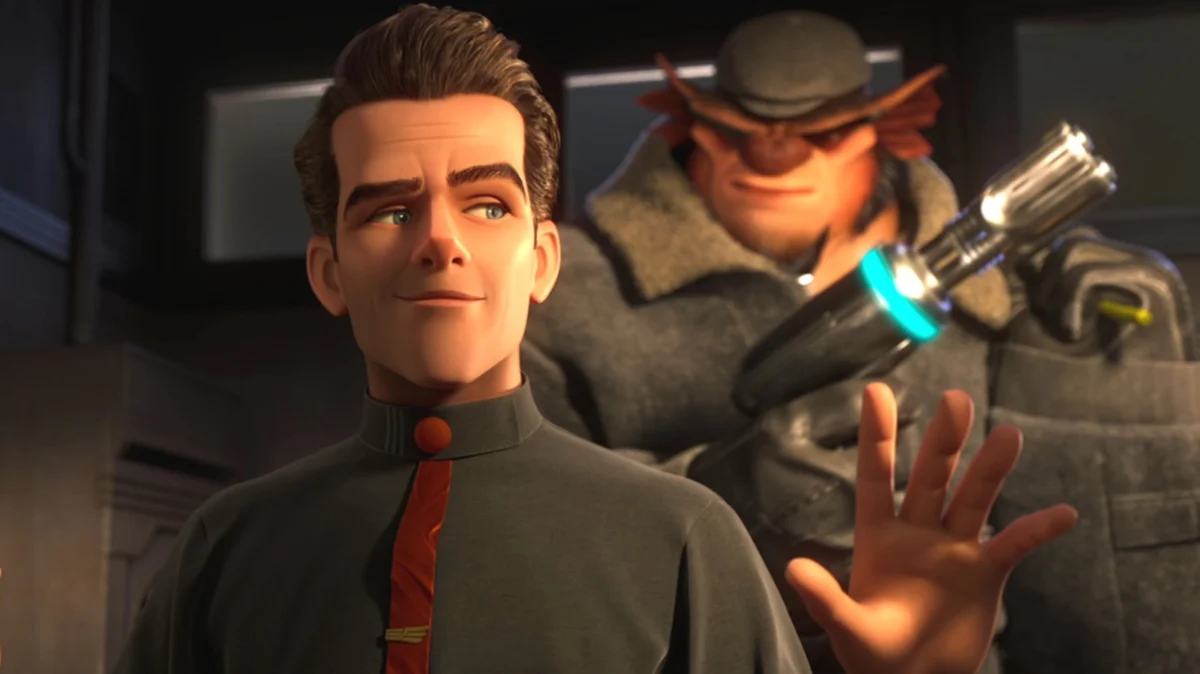
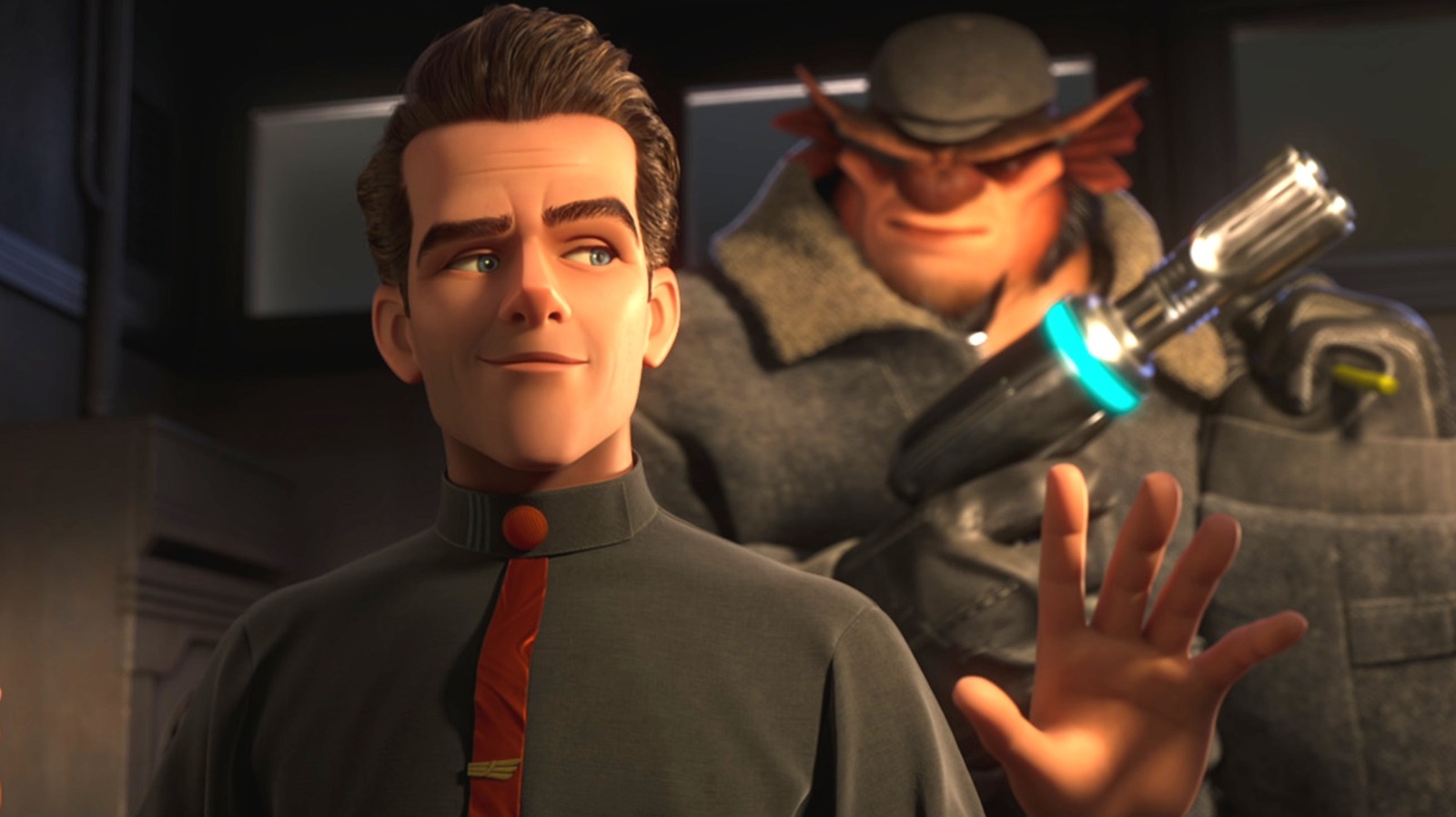
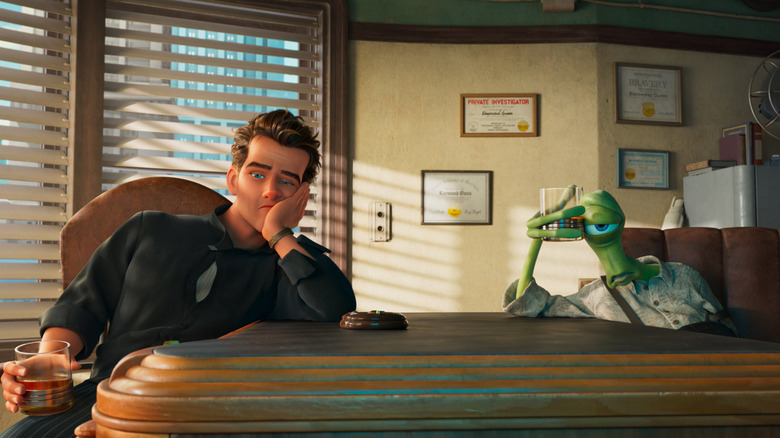
Boasting a star-studded voice cast, Ray Gunn stars Sam Rockwell as Raymond "Ray" Gunn, a down-on-his-luck, small-time private eye navigating a retrofuturistic underworld. He is joined by his one-eyed extraterrestrial partner, Eyera, voiced by legendary singer-songwriter Tom Waits. Their target—or savior, depending on how the case unfolds—is a glamorous, enigmatic pop starlet and femme fatale named Venus Nova, brought to life by Scarlett Johansson.
The film blends classic hardboiled detective tropes with speculative sci-fi aesthetics, featuring hovering vehicles, laser-based weaponry, and deeply stylized architecture that merges midcentury modern design with dystopian metropolitan grit. Produced through a partnership facilitated by John Lasseter’s Skydance Animation and Netflix, Ray Gunn is positioned as one of the most significant animated releases of the decade.
Chronology of a Dream: From the 1990s Rejection to Netflix
The path to getting Ray Gunn on screen is one of Hollywood’s most fascinating modern development legends.
The Early Conception
Brad Bird first conceived the world and characters of Ray Gunn alongside writer and director Matthew Robbins in the early 1990s. During an era when traditional animation studios were heavily focused on family-friendly fairy tales and musical comedies, Bird’s pitch—a mature, cynical, genre-bending detective story—faced significant headwinds. Studio executives were hesitant to invest in an animated feature targeting older audiences, leaving the project without financial backing.
The Pixar Crossroads
Famously, Ray Gunn is the exact project that Pixar Animation Studios passed on during its early development slate. Facing a crucial fork in the road, studio leadership opted to greenlight an original superhero concept instead. That pivot resulted in The Incredibles (2004), which became an unprecedented critical and commercial success, cementing Bird’s status as an elite filmmaker. Meanwhile, Ray Gunn was placed back on the shelf—or, as Bird colorfully describes it, locked away inside a crate reminiscent of the Raiders of the Lost Ark warehouse.
The Resurgence
For decades, the property languished as corporate structures shifted and studio ownership changed hands multiple times. However, when an opportunity arose through Skydance Animation and subsequent backing from Netflix, Bird was asked what unproduced ideas he still longed to make. Upon mentioning Ray Gunn, he discovered that the current management team was not only unaware of the project’s history but eager to finally bring it to life. With the green light secured, Bird dusted off his original 1990s blueprints, proving that patience and perseverance can rescue even the most elusive cinematic visions.
Supporting Data & Creative Collaborations
Despite the 30-year gap between its conception and production, Bird maintains that Ray Gunn remains roughly 75% true to his original vision, noting that only about a quarter of the film has undergone contemporary restructuring. To bring this retrofuturistic universe to life, Bird has assembled a powerhouse behind-the-scenes creative team.
The Return of Michael Giacchino
Frequent collaborator and Academy Award-winning composer Michael Giacchino returns to score Ray Gunn. Giacchino, whose legendary partnership with Bird includes The Incredibles, Ratatouille, and The Incredibles 2, emphasizes the deep collaborative trust required to score an animated feature. Speaking on the integration of music and storytelling, Giacchino noted the vital importance of ensuring that the score and the narrative speak with a unified voice from the very beginning of the production process.
Kimbra’s Pop Soundscapes for Venus Nova
To capture the authentic, earworm-heavy pop music required for Scarlett Johansson’s character, Venus Nova, Bird turned to Grammy-winning New Zealand singer-songwriter Kimbra. Following a recommendation from one of the film’s animation supervisors, Bird reached out to Kimbra to write original tracks that could balance immediate commercial catchiness with a slightly ironic, cynical edge fitting for the film’s noir tone. According to the production preview, Kimbra delivered a series of tracks that instantly anchor the pop-star persona of the film’s central femme fatale.
Stylistic and Architectural Influences
The visual language of Ray Gunn draws heavily from mid-20th-century artistic movements. The architectural landscape merges the dramatic, moody skyscrapers of Hugh Ferriss with the exuberant, futuristic optimism of Googie architecture. This creates an intentional friction: a world that feels simultaneously nostalgic and wildly advanced, perfectly mirroring the psychological duality of the noir genre.
Official Responses and Creative Philosophy
During a recent advance press day and roundtable interview, Brad Bird shed light on the creative philosophies driving the film, particularly concerning modern storytelling trends and character design.
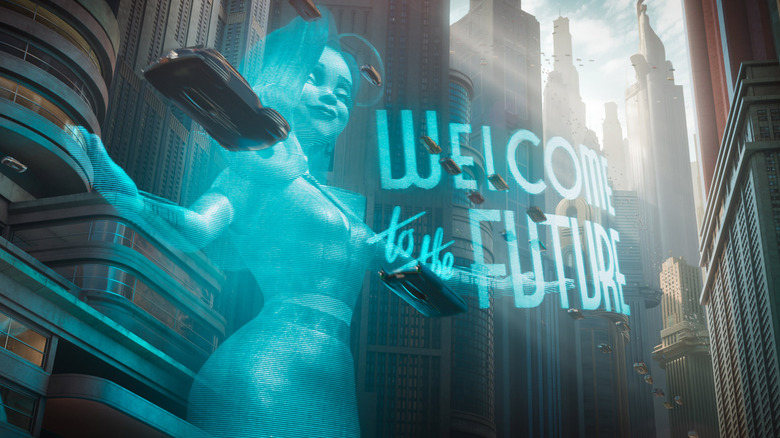
Navigating Accidental Trends
When asked about the recent cultural explosion of retrofuturism—seen in television series and media like Fallout, For All Mankind, and Severance—Bird expressed mild amusement at the timing. He noted that he spent decades watching other filmmakers incorporate retrofuturistic elements into their projects, often fearing that audiences would accuse Ray Gunn of imitating contemporary trends.
"Everybody’s going to think I’m copying these other things," Bird joked during the roundtable. "In fact, we were doing it first if somebody had backed it back then, but I didn’t see a reason to change it just because someone else has used it in another way."
The Art of Imperfect Character Design
Bird also offered a masterclass in his approach to character animation, critiquing the traditional industry habit of idealizing human characters to the point of blandness. Rather than striving for symmetrical perfection, Bird deliberately modeled his animated leads after classic cinematic icons who defied conventional standards of beauty.
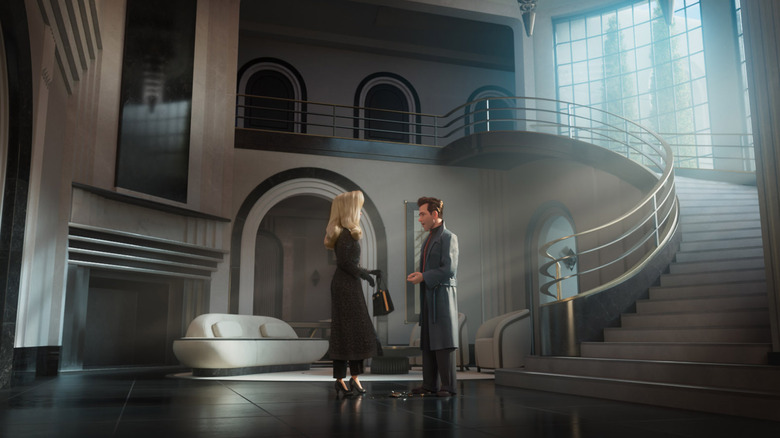
Pointing to cinematic legends like Humphrey Bogart and Lauren Bacall, Bird emphasized that true screen presence is born from human imperfections:
"The mistake that people have traditionally made in animation is when they have a lead human character, they tend to idealize them to the point of blandness, and they’re not interesting to look at… It’s the things that are not perfect that make them interesting to look at. Ray’s eyebrows are way big, and they’re kind of like Montgomery Clift in his early films… Bogart has a weird kind of lisp, and he shouldn’t be a leading man, and yet he totally is. And so that’s why movies are this mystery. There’s no science to it. It’s art."
Implications for the Industry
The release of Ray Gunn on December 18, 2026, carries significant implications for both Netflix Animation and the broader cinematic landscape.
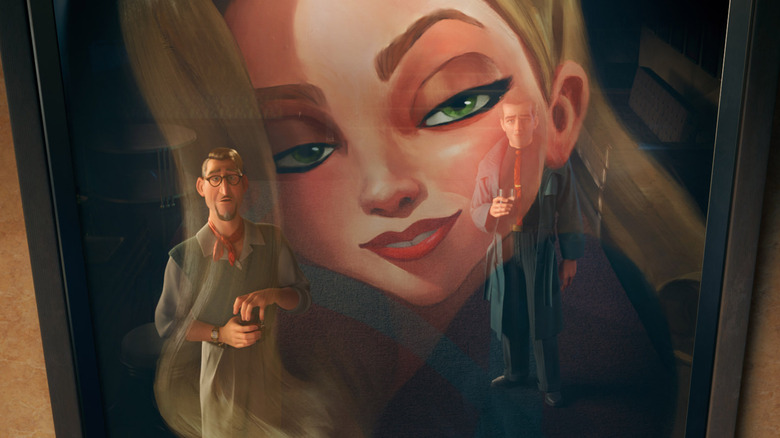
Following the critical validation brought by KPop Demon Hunters, Netflix is aggressively proving its viability as a premier home for risk-taking, director-driven animated features. By financing an expensive, mature-skewing sci-fi noir project that major traditional studios rejected decades ago, Netflix is positioning itself as a sanctuary for auteur-driven passion projects that Hollywood’s risk-averse studio system might otherwise pass over.
Furthermore, Ray Gunn challenges the outdated commercial bias that traditionally restricted high-budget animation to family-oriented demographics. If Bird’s mature, stylish, and long-awaited vision succeeds with audiences this December, it could open the floodgates for more adult-oriented, original animated features from major streaming platforms and studios alike, cementing animation not as a mere genre for children, but as an unlimited medium for master filmmakers of all stripes.
