
The Resurrection of Global Television: Music Box Films Secures Rights to the Supernatural Phenomenon ‘The Returned’
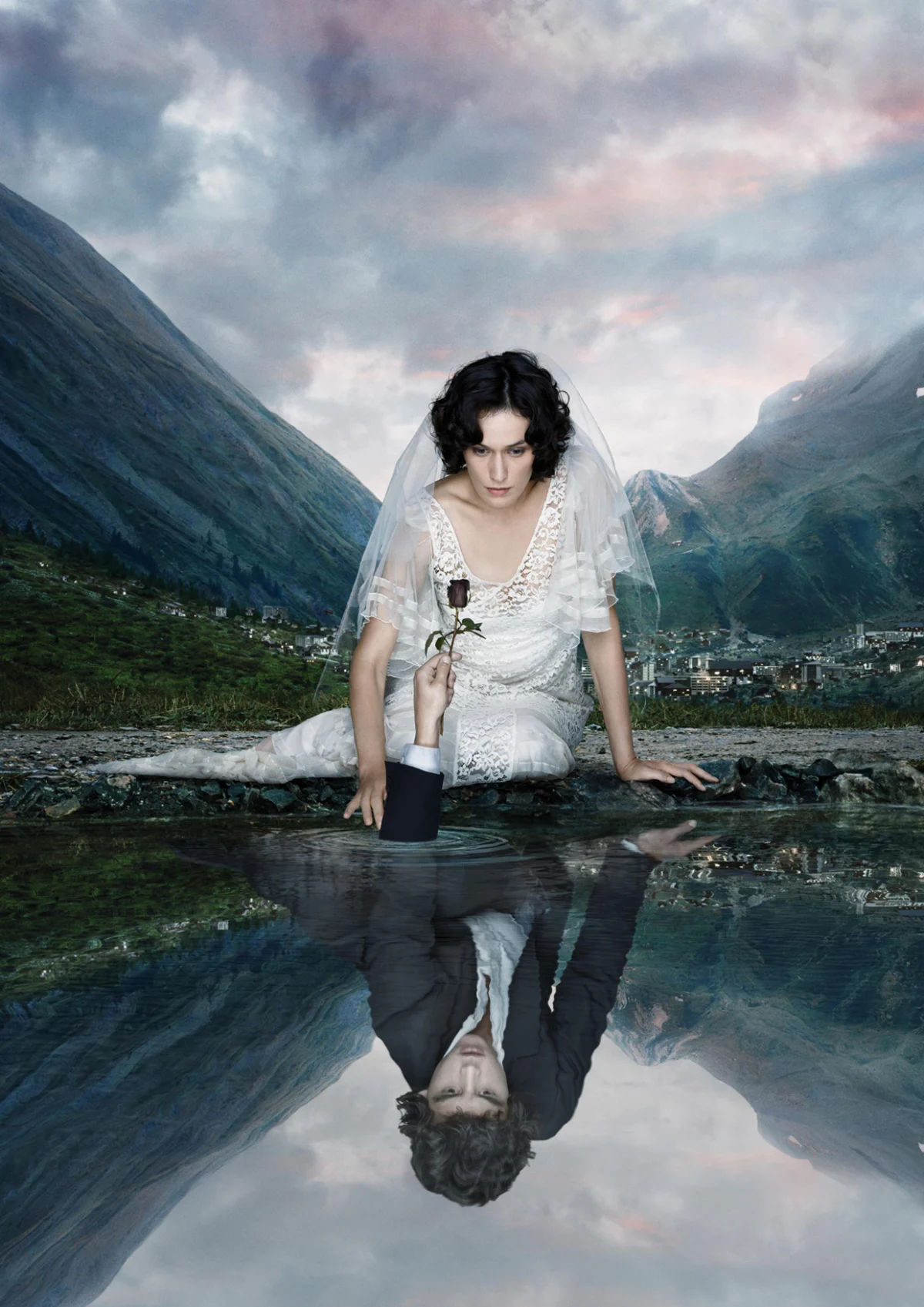
In a significant strategic move that underscores the shifting landscape of high-end international television, Chicago-based arthouse distributor Music Box Films has successfully acquired the U.S. rights to the French supernatural sensation The Returned (originally titled Les Revenants). The deal, which brings the critically acclaimed Canal Plus series to American audiences, marks a continuation of Music Box’s mission to bridge the gap between European cinematic prestige and the burgeoning demand for high-concept, serialized drama in the United States.
As streaming platforms and boutique distributors increasingly look beyond domestic borders to satisfy the appetite of sophisticated viewers, The Returned stands as a benchmark for international success. By blending the atmospheric tension of psychological drama with the chilling intrigue of the supernatural, the series has transcended its French origins to become a global cultural touchstone.
The Core Narrative: A Mountain Town Reclaimed by the Past
At its heart, The Returned is an exercise in dread, mourning, and the existential disruption of normalcy. Set in a secluded, mist-shrouded mountain town, the narrative follows a group of men, women, and children who suddenly appear on their doorsteps, bewildered and disoriented. The catch, however, is as terrifying as it is poignant: these individuals have been dead for years.
Unlike traditional zombie narratives that rely on mindless violence or apocalyptic tropes, the series focuses on the psychological fallout of these "returnees" attempting to reintegrate into a society that has moved on in their absence. As they navigate their former lives, their arrival is punctuated by a series of gruesome, ritualistic murders that echo the methods of a notorious serial killer from the town’s past. This confluence of supernatural mystery and investigative suspense creates a uniquely claustrophobic atmosphere that has resonated with audiences worldwide.
Based on the 2004 film Les Revenants by Robin Campillo, the television adaptation serves as both an expansion and a reimagining of the original premise. Under the creative vision of Fabrice Gobert, the series elevates the genre, trading jump-scares for a slow-burn meditation on grief and the nature of memory.
A Chronology of a Global Hit
The trajectory of The Returned from a local French production to a global phenomenon is a masterclass in modern media distribution.
- Development and Origin: Created by Fabrice Gobert—whose directorial debut, Lights Out, garnered significant attention at the Cannes Film Festival’s Un Certain Regard section—the series was developed as a flagship project for Canal Plus. Production was helmed by the prestigious Haut et Court, a company renowned for its commitment to high-caliber filmmaking, including Laurent Cantet’s Palme d’Or winner The Class.
- The French Bow: Upon its premiere in France, The Returned shattered expectations, quickly becoming the highest-rated French-language series on Canal Plus. It established a standard for visual fidelity and narrative depth that few television programs achieve.
- International Expansion: The series, represented by Zodiak Rights, saw a wave of international interest. Its debut on the U.K.’s Channel 4 was a resounding success, averaging a robust 1.5 million viewers—a remarkable figure for a subtitled foreign-language drama.
- The Music Box Acquisition: Music Box Films, led by William Schopf and managed by Ed Arentz, identified the potential for The Returned to capture the American "prestige TV" market. The acquisition, negotiated between Schopf and Zodiak’s Glen Hansen, positions the series for a multi-platform release.
- The U.S. Rollout: Following an initial broadcast on a major U.S. network in October, Music Box has scheduled a Video-on-Demand (VOD) release for January 1, followed by a physical media release on DVD and Blu-ray on January 21.
Production Pedigree and Creative Vision
The excellence of The Returned is largely attributed to the synergy between its producers at Haut et Court and a cast of seasoned cinematic professionals. Producers Caroline Benjo, Jimmy Desmarais, and Carole Scotta have cultivated a reputation for bringing a "big screen" aesthetic to the small screen. This cinematic approach is reflected in every frame of the series, from the moody, melancholic cinematography of the French Alps to the deliberate pacing of the storytelling.
The cast is a veritable who’s who of French cinema, featuring powerhouse performances from Anne Consigny, Clotilde Hesme, Celine Sallette, Guillaume Gouix, Frederic Pierrot, and Samir Guesmi. By casting actors primarily associated with feature film rather than standard television fare, the producers ensured that the emotional weight of the narrative was grounded in authentic, nuanced performances rather than genre-specific histrionics.
Regarding the thematic underpinnings of the show, producer Caroline Benjo noted, "American TV and cinema have always been for us the ultimate landmark of the zombie genre, and our idea with The Returned was to play with the genre and be an homage to it at the same time." This self-aware approach allows the series to subvert the expectations of genre fans while simultaneously attracting viewers who typically avoid supernatural horror.
Implications for the American Distribution Landscape
The acquisition of The Returned is not an isolated event for Music Box Films; it is part of a deliberate, long-term strategy to curate an "upscale" library of international content. The company has previously seen success with the Swedish Girl with the Dragon Tattoo trilogy and the Wallander series, proving that American audiences are increasingly eager to consume foreign-language content if the quality is high enough.
The move also signals a broader trend: the "Europeanization" of American viewing habits. As platforms like Netflix and Amazon have normalized subtitles and international production styles, smaller distributors like Music Box have found a lucrative niche. By picking up high-profile projects like the German period drama Generation War—which is also slated for a theatrical and home video release through Music Box—the company is positioning itself as the primary gateway for European prestige television.
This strategy serves two purposes. First, it fills a gap in the market for sophisticated, mature storytelling that often gets lost in the noise of network television. Second, it provides a viable business model for foreign productions to find long-term sustainability in the U.S. market, moving beyond the "one-off" film festival circuit and into the permanent libraries of American households.
Looking Ahead: The Future of Cross-Border Content
William Schopf, President of Music Box Films, has been vocal about the importance of these acquisitions, stating that The Returned "epitomizes the very best of the crop of outstanding international television productions finding its way onto U.S. screens." This sentiment reflects a growing consensus among industry insiders: the barriers to entry for international media are crumbling.
As the industry looks toward 2024 and beyond, the success of The Returned will likely serve as a blueprint for future acquisitions. The combination of strong, recognizable source material (in this case, the original French film), a high-production value pedigree, and a clear, multi-platform release strategy offers a template for success in an increasingly fragmented digital marketplace.
For the viewer, the arrival of The Returned represents more than just a new show to binge; it signifies a democratization of global storytelling. When a series from a French mountain town can captivate a Chicago-based distributor and find an audience of millions across the U.K. and the U.S., it proves that the most compelling stories are not bound by language or geography. As we move into the next phase of the streaming era, The Returned remains a towering example of how to bridge the divide between the local and the global, the cinematic and the serial, and the living and the dead.
