
Remembering Freddie Jackson: The Velvet-Voiced R&B Titan Who Defined an Era
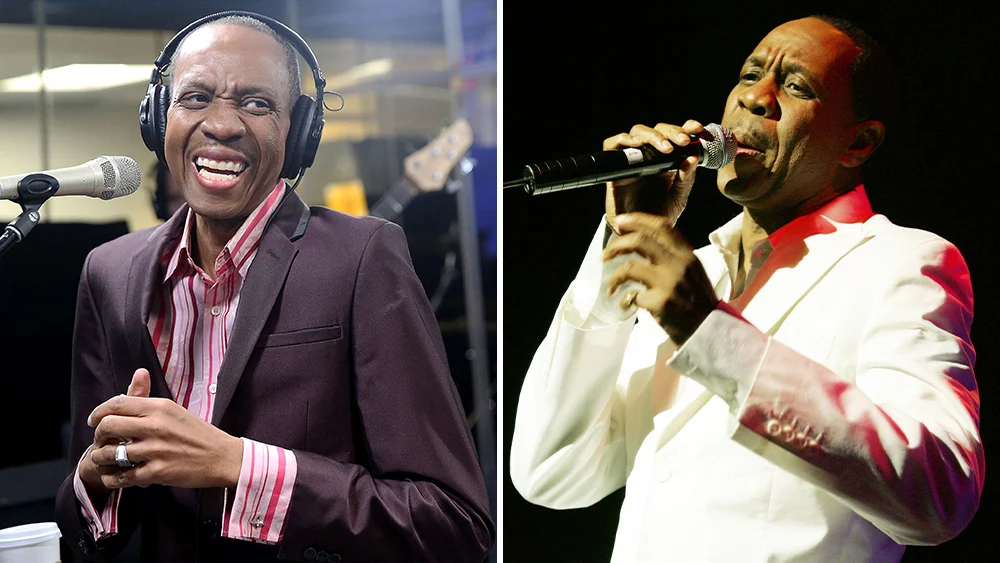
By Global Entertainment Desk
Published October 7
Main Facts: The Passing of a Soul Icon
Freddie Jackson, the towering baritone whose smooth, emotive delivery and effortless romanticism defined the sound of 1980s and early ’90s rhythm and blues, has died. He passed away on October 5, just days after celebrating his 70th birthday.
The news was confirmed on Tuesday via official statements released across Jackson’s social media channels, casting a wave of grief over the international music community. As of press time, no official cause of death has been publicly disclosed, and details regarding surviving family members or memorial arrangements remain unreleased.
Over a remarkable six-year stretch at the peak of his commercial powers, Jackson achieved what few artists ever manage: a staggering 10 No. 1 hits on the Billboard R&B charts, complemented by an additional eight Top 10 singles. Armed with a voice that could swing effortlessly from tender vulnerability to soaring, gospel-infused passion, Jackson was not merely a radio staple—he was the definitive architect of the quiet storm era, soundtracking romances, heartbreak, and late-night radio dedications for millions worldwide.
Chronology: From Harlem Roots to Global Stardom
Early Life and the Mystic Merlin Era
Born Frederick Anthony Jackson on October 2, 1956, in Harlem, New York, the future star’s musical education began in the heart of the church. Like many great soul and R&B legends, Jackson honed his vocal prowess singing in gospel choirs, developing the rich timbre and dynamic control that would later become his signature.
Before finding solo glory, Jackson cut his teeth in the Los Angeles-based band Mystic Merlin. With the funk and fusion outfit, he recorded three albums, gaining invaluable studio experience and road-tested confidence. However, the pull of his native New York and a desire to explore a more deeply personal, romantic brand of soul music eventually led him back to the East Coast to launch a solo career that would alter the landscape of contemporary R&B.
The 1985 Breakthrough
In 1985, Jackson signed with Capitol Records and unleashed his solo debut album, Rock Me Tonight. The impact was immediate and seismic. The album’s lead singles, "Rock Me Tonight (For Old Times Sake)" and "You Are My Lady," rocketed to No. 1 on the Billboard R&B chart back-to-back, establishing him as an overnight sensation. Both tracks also crossed over into the mainstream consciousness, breaking into the Top 20 of the Billboard Hot 100 pop singles chart.
This explosive commercial reception earned Jackson two prestigious Grammy Award nominations: one for Best New Artist (ultimately losing out to British smooth-pop powerhouse Sade and her classic "Smooth Operator") and another for Best R&B Vocal Performance, Male, for "You Are My Lady."
The Reign of R&B Dominance
Far from being a flash in the pan, Jackson followed his debut with an astonishingly consistent run of chart-topping material. His second studio album, 1987’s Just Like the First Time, proved that his introductory success was no fluke. Throughout the late 1980s, his voice was ubiquitous on urban radio formats, driven by a string of chart-dominating anthems including "Tasty Love," "Jam Tonight," "Hey Lover," and "Nice ’N’ Slow."
His collaborative streak also yielded gold; his duet with fellow R&B luminary Melba Moore, "A Little Bit More," climbed to the top of the charts, cementing his status as a premier duet partner. Jackson’s artistic peak during this era was officially recognized in 1988 when "Nice ’N’ Slow" won the American Music Award for Favorite Soul/R&B Single.
Transition into the 1990s and Later Years
As musical tastes began to shift toward the dawn of New Jack Swing and hip-hop-infused soul in the early 1990s, Jackson successfully adapted. He secured consecutive No. 1 R&B hits in the decade’s opening years with "Love Me Down" and "Do It Again."
His fifth album, Time for Love (1992), marked the end of his foundational era with Capitol Records, yielding a No. 7 peak on the R&B albums chart. Seeking new creative horizons, Jackson transitioned to RCA Records for his 1994 release, Here It Is, which proved to be his final major commercial blockbuster on the traditional charts, hitting No. 11 and featuring the No. 2 R&B hit "I Could Use a Little Love (Right Now)."
Refusing to rest on his laurels, Jackson continued to record and release independent and label-backed projects well into the 21st century, releasing more than a dozen albums across his career up through 2018. Even as the industry evolved, his dedicated fanbase ensured that his later releases consistently found a home in the upper half of the R&B charts.
Supporting Data: Chart Statistics and Discography
To fully understand Freddie Jackson’s footprint in American music history, one must look at the sheer weight of his chart achievements.
Platinum and Gold Milestones
- Rock Me Tonight (1985): Certified Platinum; peaked in the pop Top 10.
- Just Like the First Time (1987): Certified Platinum.
- Don’t Let Love Slip Away (1988): Certified Gold.
- Do Me Again (1990): Certified Gold.
Jackson achieved an unprecedented four consecutive No. 1 albums on the Billboard R&B Albums chart, a feat reserved for the true elite of black popular music during the vinyl and cassette eras.
Selected No. 1 R&B Hits
- "Rock Me Tonight (For Old Times Sake)" (1985)
- "You Are My Lady" (1985)
- "Tasty Love" (1987)
- "Jam Tonight" (1987)
- "Nice ’N’ Slow" (1988)
- "Hey Lover" (1988)
- "A Little Bit More" (with Melba Moore, 1988)
- "Love Me Down" (1990)
- "Do It Again" (1990)
(Plus additional chart-toppers rounding out his historical total of 10).
Television, Film, and Media Legacy
Jackson’s timeless vocal performances transcended pure audio recordings, becoming a textured backdrop for American pop culture across decades. His music has been licensed for dozens of television shows and feature films, ranging from daytime soap operas like One Life to Live and primetime favorites like The Golden Girls and Family Matters, to critically acclaimed series like Ally McBeal.
On the silver screen, his songs have enhanced narratives in animated features such as All Dogs Go to Heaven, cultural touchstones like Love & Basketball, and modern comedies including Chris Rock’s Top Five. Furthermore, Jackson was a beloved fixture of musical television performance, making three appearances on Dick Clark’s American Bandstand and over half a dozen memorable turns on the iconic Soul Train.
Official Responses: Tributes from Peers and Legends
As word of Jackson’s passing spread through the entertainment industry, fellow musicians, longtime collaborators, and cultural institutions rushed to pay tribute to a man remembered as much for his warm personality as for his extraordinary vocal instrument.
Melba Moore, his longtime friend and duet partner on the smash hit "A Little Bit More," released an emotionally charged statement on Tuesday afternoon:
"My heart is broken over the loss of a great singer and even a greater friend, Freddie Jackson. When we worked together on songs such as our hit, ‘A Little Bit More,’ his sense of humor had me laughing during the sessions. We had such a special relationship. I will forever miss my dear friend. Rest peacefully, Freddie."
Industry organizations and younger generations of R&B artists similarly flooded digital spaces with condolences, citing Jackson as a primary vocal influence. His 2019 receipt of the Legend Award at the Black Music Honors ceremony serves as a permanent reminder that his contributions were duly celebrated by his peers while he was still here to witness the adoration.
Implications: The Enduring Legacy of a Quiet Storm Master
The death of Freddie Jackson marks the quiet fading of a distinct golden era in American popular music—the apex of traditional, sophisticated adult-contemporary R&B often categorized under the banner of "quiet storm."
Unlike the digitally manipulated vocal landscapes of modern pop, Jackson’s artistry was anchored in raw, unadulterated human emotion. He belonged to a lineage of classic soul crooners who treated a microphone like a confession booth, capable of making a stadium full of people feel as though he was singing directly to each individual listener.
While trends in popular music cycled through endless stylistic mutations over the decades—from the synthesizer-heavy dance beats of the mid-’80s to the hip-hop soul of the ’90s and the streaming-driven sonic pastiches of today—Jackson’s recorded catalog remained a pristine, unassailable monument to romance. His music continues to find new audiences through digital sampling, film synchs, and the enduring devotion of a fanbase that grew up slow-dancing to his records in basements, auditoriums, and living rooms across the globe.
Freddie Jackson leaves behind a musical footprint that cannot be easily replicated. Though the velvet voice that commanded the airwaves for over three decades has fallen silent, the songs that defined an era—and soundtracked the intimate moments of millions of lives—will continue to echo through the corridors of music history for generations to come.
