
The Sanderson Sisters Reign Supreme: Why ‘Hocus Pocus’ Remains the Undisputed Queen of Halloween Streaming
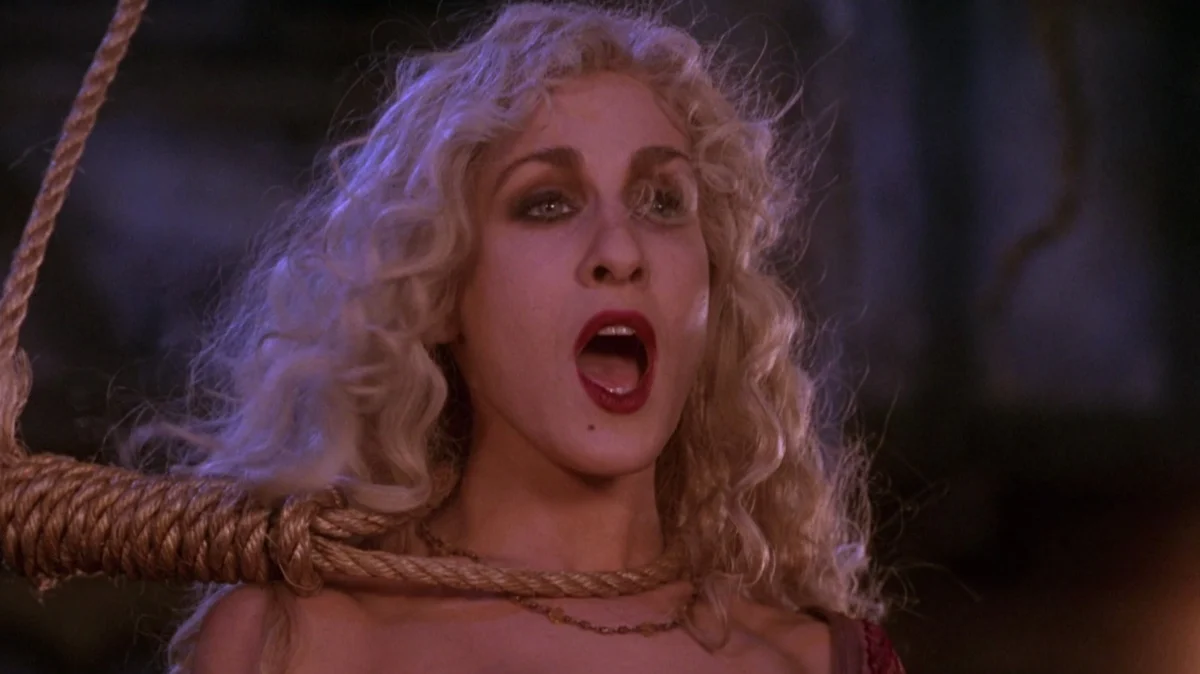
As the calendar turns to October and the air grows crisp, a familiar ritual begins in households across the globe. For millions of viewers, the transition into the Halloween season isn’t marked by the latest gritty, blood-soaked slasher film, but by the return of three bumbling, diabolical witches to the town of Salem. More than three decades after its initial release, Kenny Ortega’s 1993 cult classic Hocus Pocus has officially cemented its status as Disney’s most reliable streaming powerhouse, once again topping the Disney+ charts as the definitive must-watch for the spooky season.
The Phenomenon: A Streaming Titan in 2026
Data from industry trackers like FlixPatrol confirms that Hocus Pocus currently holds the No. 1 spot on Disney+ during the height of the October season. In an era of infinite content choices, the 96-minute feature remains a cornerstone of the platform’s library. Its success is not merely a product of seasonal algorithms but a reflection of deep-seated cultural nostalgia.
While horror enthusiasts may spend their October nights dissecting the merits of modern genre cinema, the vast majority of family-oriented viewers—and the generations of "90s kids" who grew up with the film—gravitate toward the whimsical, campy, and undeniably charming antics of Winifred, Sarah, and Mary Sanderson. The film’s ability to dominate the charts 33 years later is a rarity in an industry defined by the "new release" cycle, proving that Hocus Pocus has transcended its medium to become a holiday tradition akin to A Christmas Story or It’s the Great Pumpkin, Charlie Brown.
A Rocky Beginning: The Chronology of a Cult Classic
To understand the current dominance of Hocus Pocus, one must look at its humble and rather confused origins. When the film premiered in July 1993, it was a box-office failure, a casualty of a marketing department that seemingly had no idea how to sell a "Halloween movie" in the middle of a sweltering summer.
The 1993 Misstep
Released in the dead of summer, the film struggled to find its footing, grossing just over $39 million domestically against a $28 million budget. Critics at the time were largely dismissive, often labeling it a "Disney trifle" that lacked the narrative depth of other family classics.
The Cable Renaissance
The film’s salvation arrived in the form of the Disney Channel and Freeform’s "13 Nights of Halloween" programming block throughout the late 1990s and 2000s. Through constant cable rotation, the movie found its true audience. It became the background noise of every millennial’s childhood autumn, embedding its quotes and imagery into the collective consciousness.
The 30th Anniversary Resurgence
By 2023, the film’s status had shifted from "guilty pleasure" to "national treasure." The 30th-anniversary re-release saw the film re-enter the box office top 10, a feat nearly unheard of for a three-decade-old live-action family film. This served as the final confirmation that Hocus Pocus was no longer just a movie; it was a seasonal event.
The Anatomy of the Magic: Why It Works
The enduring appeal of Hocus Pocus can be attributed to a perfect storm of casting, aesthetic, and tone.
The Sanderson Trio
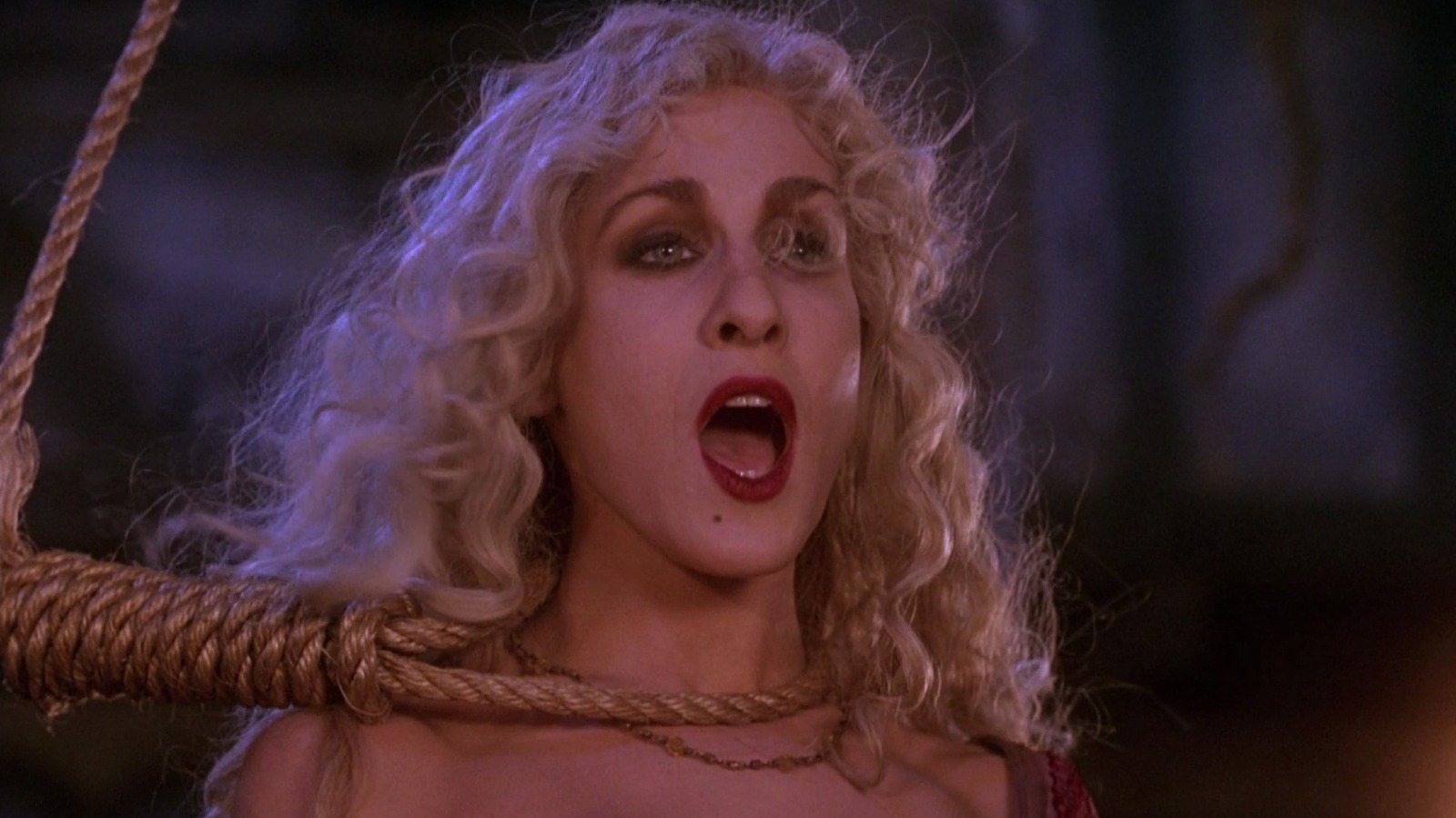
At the heart of the film’s longevity is the chemistry between Bette Midler (Winifred), Sarah Jessica Parker (Sarah), and Kathy Najimy (Mary). Their performance is a masterclass in balance; they are genuinely menacing enough to provide stakes for the young protagonists, yet their vanity, bickering, and fish-out-of-water reactions to 20th-century technology provide the film’s beating heart of comedy.
The Salem Atmosphere
The production design captures a quintessential "Halloween" aesthetic—the orange leaves, the colonial architecture of Salem, and the gothic flair of the Sanderson cottage. It avoids the nihilism of modern horror, opting instead for a "gateway horror" feel that allows younger viewers to experience a thrill without being truly traumatized.
The Plot Structure
The film follows a classic "fish out of water" structure: Max Dennison, a cynical teenager uprooted from Los Angeles to Salem, finds himself at odds with his little sister, Dani, and his crush, Allison. The catalyst—Max lighting the Black Flame Candle—is a simple, effective inciting incident that keeps the plot moving at a brisk 96-minute pace. It is a lean, efficient narrative that feels like a brisk autumn evening.
Supporting Data: The Franchise Engine
The proof of the film’s power lies in the numbers. Following the 2022 release of Hocus Pocus 2, the franchise saw a massive surge in engagement. Disney+ data consistently showed both the original and the sequel appearing in the top 10 simultaneously, creating a "halo effect" where the legacy of the first film drove interest in the new entry.
This multi-generational reach is key to Disney’s long-term strategy. Parents who grew up watching the original on VHS or cable are now sitting down with their own children to introduce them to the Sanderson Sisters. This cycle ensures that the franchise remains relevant, keeping the IP (Intellectual Property) at the forefront of Disney’s seasonal marketing campaigns.
The Future: A Trilogy in the Making
The success of Hocus Pocus 2 has paved the way for Hocus Pocus 3, which is currently in development. While details remain under wraps, the industry consensus is that Disney is viewing the franchise as a cornerstone of their streaming identity.
The Theatrical Debate
A significant point of discussion among fans and industry analysts is the release strategy for the upcoming third installment. While Hocus Pocus 2 was a streaming-exclusive success, many critics argue that the third film deserves a theatrical release. A theatrical run would not only serve as a massive cultural event but would also provide a "prestige" boost to the franchise, solidifying its place in the pantheon of great film trilogies.
Addressing the "Sequel Mistake"
Critics of the second film pointed to its over-reliance on CGI and a slight deviation from the grounded, "small-town" feel of the original. For Hocus Pocus 3 to succeed, it must balance the scale of a modern blockbuster with the intimate, cozy vibe that defined the 1993 original. The pressure is on, but given the "rabid" nature of the fanbase, the appetite for a conclusion to the trilogy is immense.
Implications for the Streaming Landscape
The sustained dominance of Hocus Pocus provides a blueprint for how legacy studios should handle their back catalogs.
- Seasonal Programming: By anchoring their streaming platforms around "anchor titles" that correlate with specific times of the year, studios can reduce churn and maintain subscriber loyalty.
- IP Longevity: The film proves that a "flop" is not a life sentence. With proper stewardship and a willingness to leverage nostalgia, studios can turn perceived failures into billion-dollar franchises.
- The Power of Gateway Horror: There is a massive, underserved market for horror films that are "spooky but safe." Disney has essentially cornered this market, and other studios are currently scrambling to find their own equivalent of the Sanderson Sisters.
Conclusion: A Spell That Won’t Be Broken
As October continues, the Black Flame Candle remains lit, and the Sanderson Sisters continue to fly across the screen. Hocus Pocus is a testament to the power of nostalgia and the enduring appeal of a well-told story. Whether it is the humor, the history, or simply the comfort of seeing the same familiar faces every year, the film has achieved something rare in the modern entertainment landscape: it has become a necessary part of the holiday itself.
For as long as the leaves turn gold and the nights grow long, audiences will continue to return to Salem, proving that some spells—especially those cast by three witches in 1993—are truly impossible to break. As we look forward to the third chapter of this saga, one thing is certain: the Sanderson Sisters aren’t going anywhere.
