
Entering the Master’s Realm: The Ultimate Reading Guide to Stephen King’s Essential Works for Beginners

Main Facts: Navigating the Vast Library of the King of Horror
With a literary career spanning over half a century, Stephen King has firmly established himself as the preeminent master of modern horror and suspense. Having authored more than sixty novels and numerous short story collections, his footprint on popular culture is inescapable. However, for the uninitiated reader, the sheer volume of his bibliography can feel remarkably daunting.
King’s writing style is distinctively literary, prioritizing deep character psychology, atmospheric world-building, and intricate social commentary over cheap thrills. Consequently, not every masterpiece in his catalogue serves as an ideal entry point. Works that are universally celebrated by seasoned fans—such as the sprawling, 1,000-page post-apocalyptic epic The Stand or the multi-author collaboration The Talisman—fail to offer a fair representation of his signature tone for newcomers, often bogged down by slow pacing or complex, collaborative lore.

To demystify his extensive library, literary critics and longtime readers recommend a targeted approach. Rather than diving headfirst into his most massive tomes, beginners should look to a curated selection of essential novels and short stories that capture King’s narrative strengths: deep-seated psychological dread, vivid small-town American settings, deeply flawed yet relatable protagonists, and seamless blends of the real and the supernatural.
Chronology of Discovery: A Recommended Reading Order
For those looking to step into the harrowing, captivating world of Stephen King for the first time, a strategic progression ensures an appreciation of his stylistic evolution without causing reader burnout. Below is a structured, chronological path through ten essential works designed for the newcomer.

1. The Shining (1977)
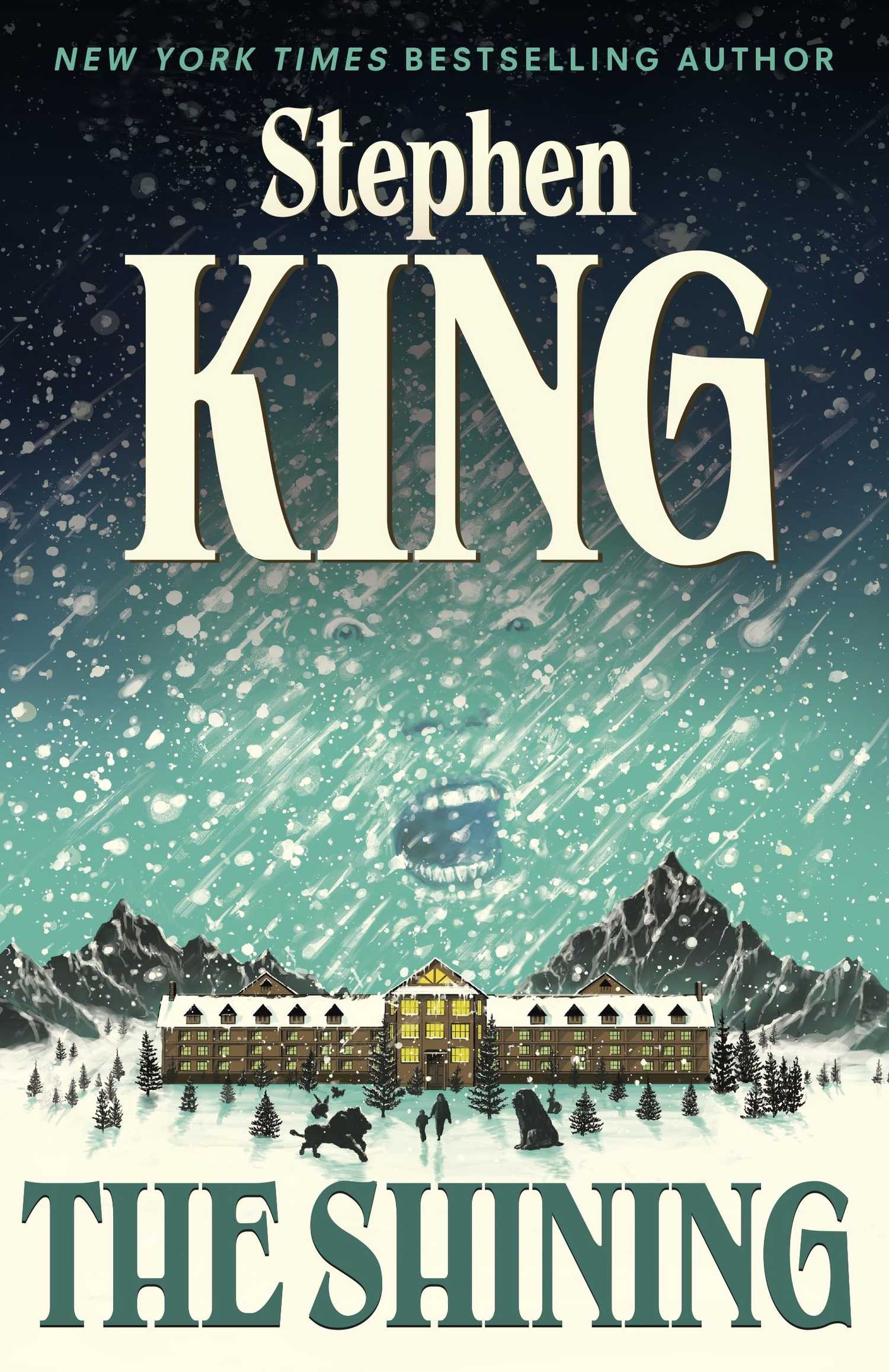
While not his very first publication, The Shining is arguably the absolute best place to start. The novel follows Jack Torrance, an aspiring writer battling alcoholism and a history of abusive tendencies, who accepts a winter caretaker position at the isolated Overlook Hotel in the Colorado Rockies, joined by his wife, Wendy, and psychic son, Danny.
When a massive blizzard cuts the family off from the outside world, the hotel’s malevolent psychic energy feeds upon Danny’s abilities and Jack’s personal demons. Unlike Stanley Kubrick’s famous cinematic adaptation, the novel paints Jack as a deeply sympathetic, tragic figure—a character archetype that recurs throughout King’s bibliography. Its exploration of psychological dread mixed with supernatural terror makes it an undisputed masterclass in introductory horror.
2. Carrie (1974)
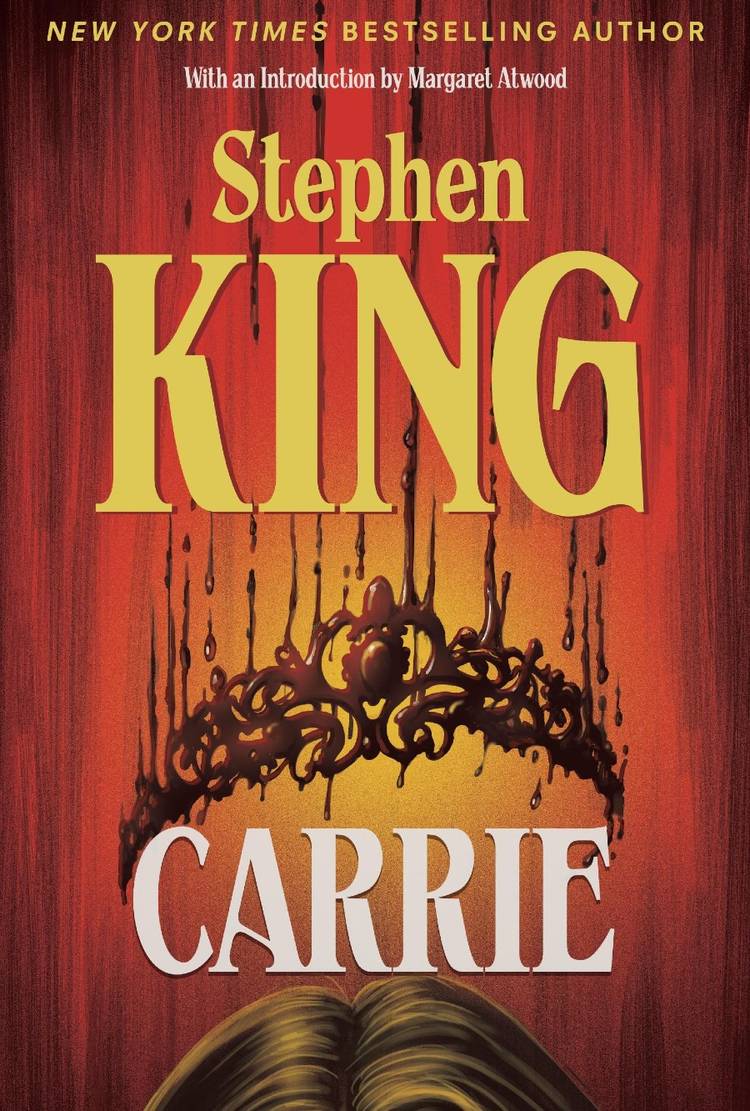
As King’s very first published novel, Carrie offers a brilliant glimpse into the genesis of his career. Set in a small-town Maine community—a setting that would become his literary signature—the book follows Carrie White, an isolated, telekinetic teenager raised by a fanatically religious, abusive mother. After enduring relentless bullying culminating in a cruel prom prank, Carrie unleashes a wave of apocalyptic psychic revenge.
Told through a unique epistolary format combining third-person narrative with fake book excerpts, news articles, and scientific reports, Carrie tackles real-world social issues through a supernatural lens. For readers intimidated by the format, the acclaimed audiobook narrated by original film star Sissy Spacek provides a seamless alternative.
3. Misery (1987)
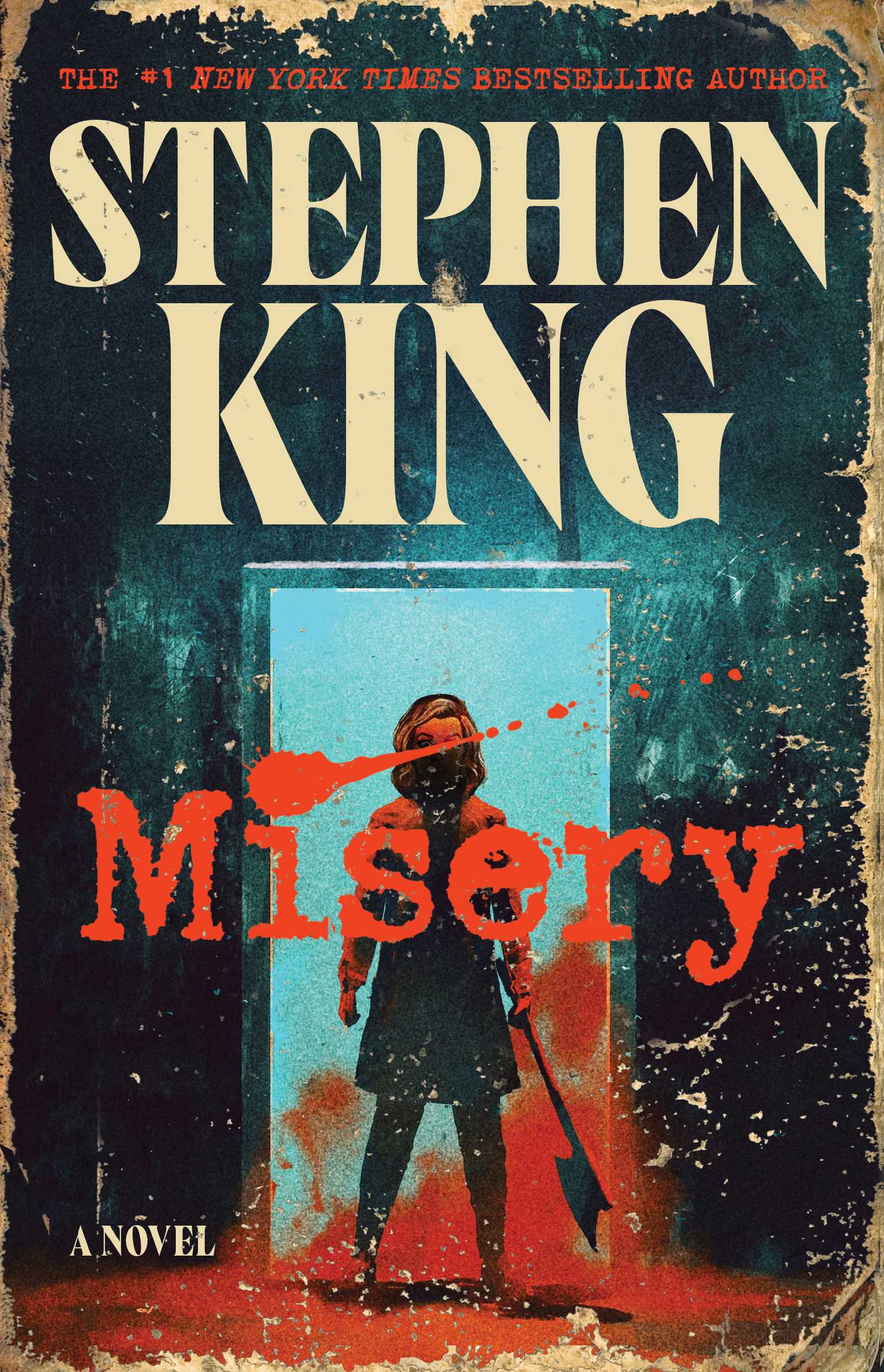
Shifting away from the supernatural entirely, Misery demonstrates King’s profound mastery of psychological thrillers. The story centers on Paul Sheldon, a successful romance novelist who crashes his car during a Colorado blizzard. He is rescued by Annie Wilkes, a former nurse and self-proclaimed "number one fan."
When Annie discovers that Paul’s latest unpublished manuscript kills off her favorite character, Misery Chastain, she holds him captive, subjecting him to horrific physical and psychological torture to force a rewrite. Clocking in at a brisk 300 pages, Misery is tightly paced, entirely self-contained, and completely detached from the wider mythological web of King’s shared universe, making it highly accessible to newcomers.
4. Night Shift (1978)
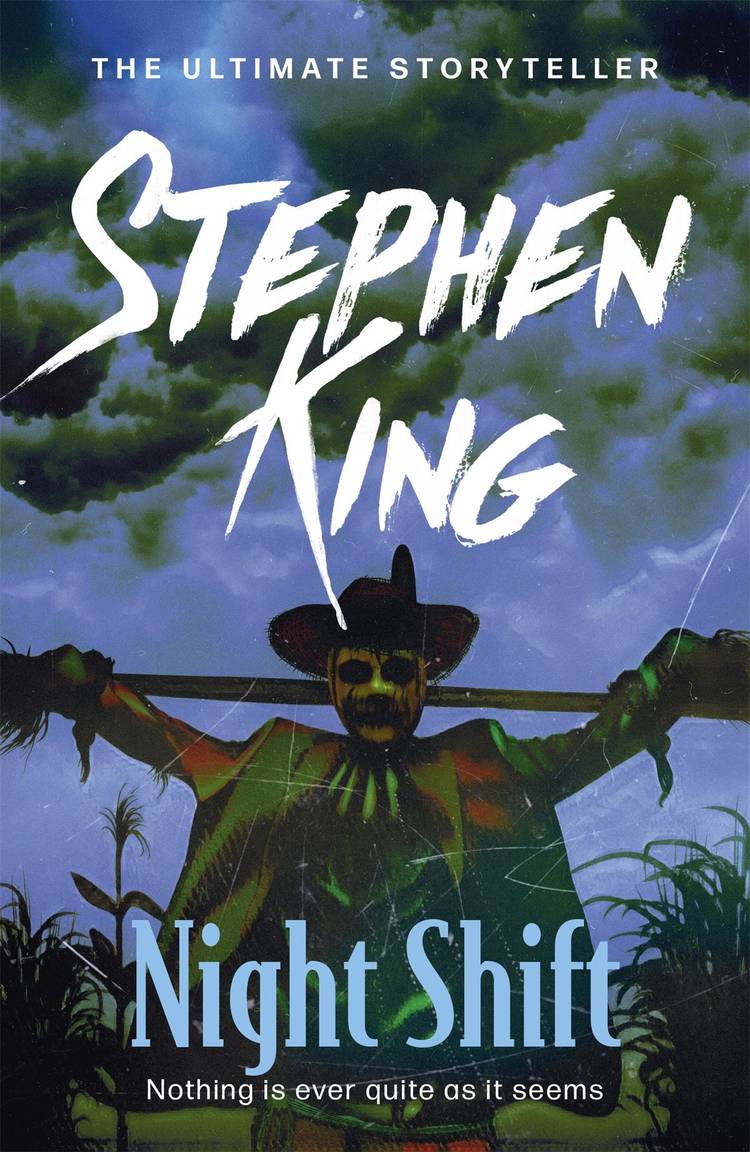
After sampling his novels, readers should explore King’s mastery of short-form fiction with Night Shift. This foundational 1978 collection features iconic tales like "Children of the Corn" and "Graveyard Shift," many of which have been adapted into films. Written during a period when King was still striving to solidify his reputation, these stories carry a visceral, urgent punch. Furthermore, astute readers will spot subtle narrative threads and Easter eggs connecting these shorts to longer epics like Salem’s Lot, IT, and The Dark Tower.
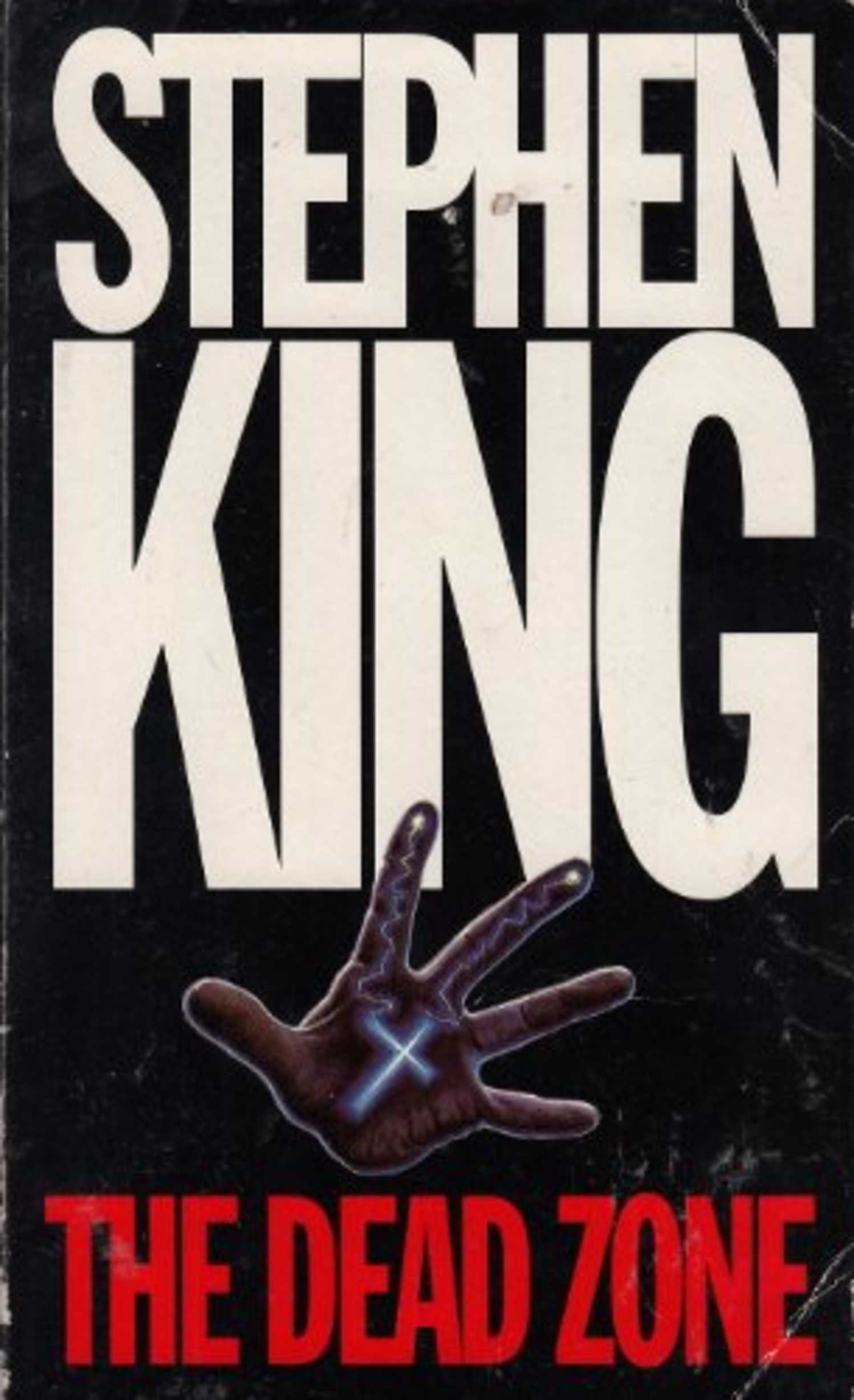
5. The Dead Zone (1979)
For readers seeking a lighter dose of the supernatural, The Dead Zone provides a compelling pivot. Johnny Smith awakens from a nearly five-year coma following a horrific accident to discover he has developed clairvoyant abilities: by simply touching someone, he can witness their past, present, and future. Initially viewing this gift as a curse, Johnny’s mission shifts dramatically when a touch reveals that a rising political candidate will spark global catastrophe, leading Johnny to contemplate assassination. The novel serves as a brilliant litmus test for King’s character-driven dramas.
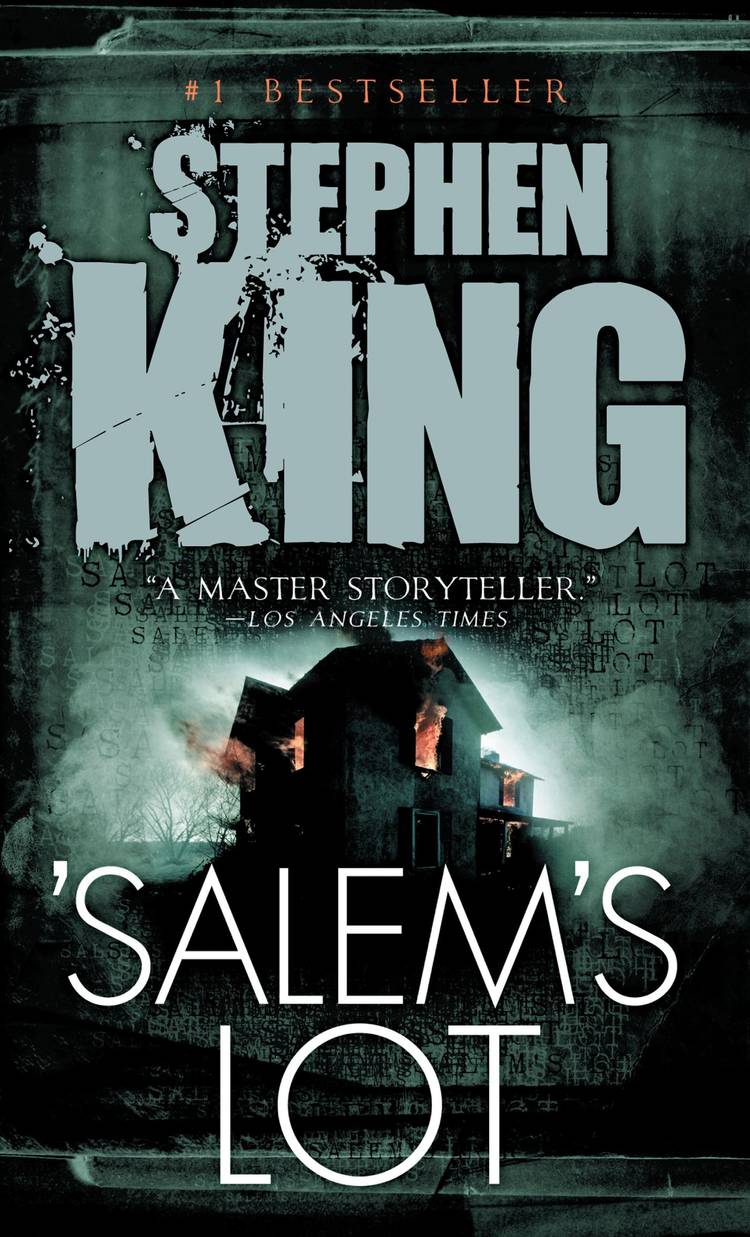
6. Salem’s Lot (1975)
Drawing heavy inspiration from Bram Stoker’s Dracula, Salem’s Lot is Stephen King’s modern reimagining of the vampire mythos. Author Ben Mears returns to his sleepy Maine hometown of Jerusalem’s Lot to write about the notoriously haunted Marsten House, only to discover that a predatory ancient vampire, Kurt Barlow, has quietly taken up residence and begun converting the local populace. The novel brilliantly deconstructs the dark, rot-filled underbelly of small-town America while establishing vampire lore that eventually ties directly into The Dark Tower series.
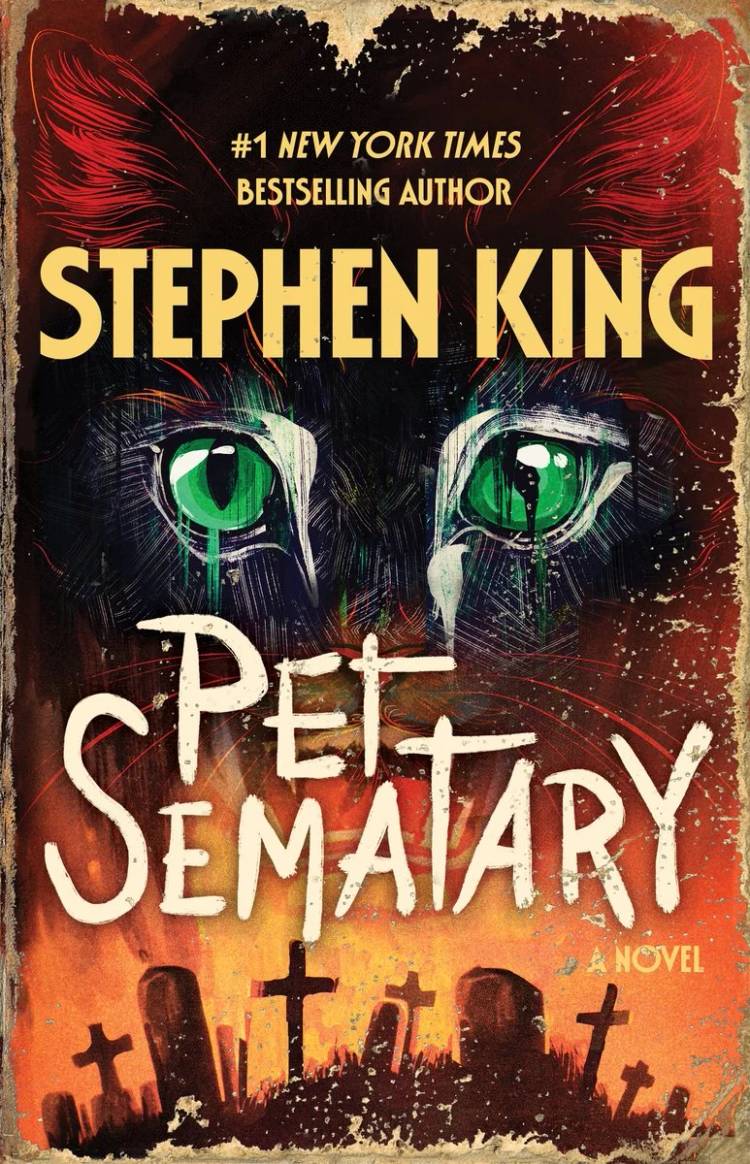
7. Pet Sematary (1983)
Widely cited by King himself as his most genuinely disturbing and frightening work, Pet Sematary is a stark exploration of grief, mortality, and the desperate human refusal to accept death. Dr. Louis Creed moves his young family to rural Ludlow, Maine, living near a busy highway and a local pet cemetery situated atop an ancient, cursed Micmac burial ground. When tragedy strikes, Louis turns to the burial ground, unwittingly unleashing resurrected horrors. The book’s brisk pacing and emotional rawness make it an unforgettable, if harrowing, experience.
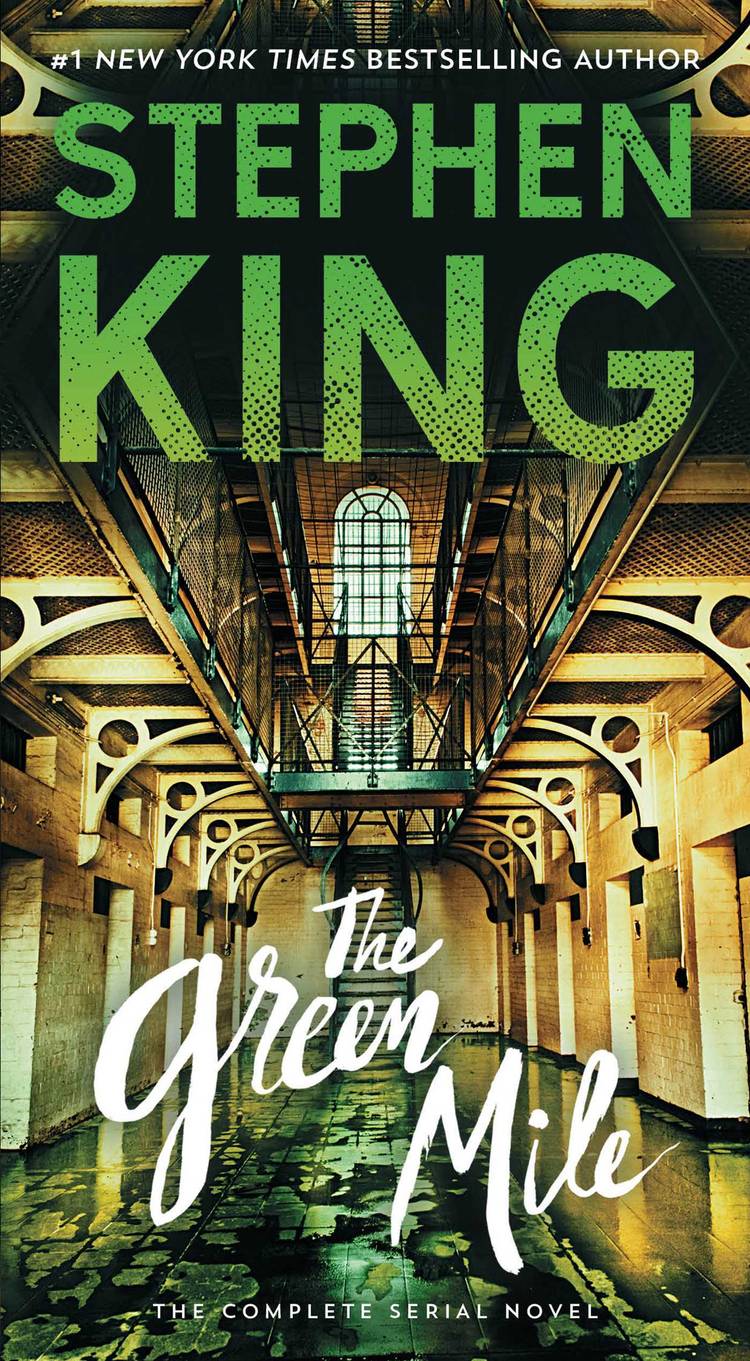
8. The Green Mile (1996)
Marking a departure into historical drama, The Green Mile focuses on Paul Edgecombe, a death row corrections officer at Cold Mountain Penitentiary during the Great Depression. Paul forms an unlikely bond with John Coffey, a towering, gentle Black man convicted of a brutal double homicide, who possesses miraculous, divine healing abilities. Although fundamentally a drama rather than a horror story, the novel retains King’s signature conversational prose and penetrating psychological focus.
9. IT (1986)
Though massive in scope, IT earns its place on a beginner’s reading list due to its staggering cultural footprint and irresistible narrative hook. The story chronicles the "Losers Club"—a band of bullied childhood outcasts in Derry, Maine—as they confront an ancient, shapeshifting cosmic entity, most frequently manifesting as Pennywise the Dancing Clown, which awakens every 27 years to feed on children. Balancing childhood nostalgia with harrowing terror, IT remains one of King’s most emotionally resonant achievements.
10. The Gunslinger (1982)
Finally, after exploring the breadth of King’s classic standalone works, readers are prepared to tackle The Gunslinger, the opening salvo of his magnum opus: The Dark Tower series. Blending dark fantasy, Western motifs, and cosmic mythmaking, the eight-book series follows Roland Deschain, the last gunslinger of Mid-World, on a desperate quest to reach the enigmatic Dark Tower, the nexus of all time and space. Because nearly every major Stephen King work ultimately ties back to this sprawling epic, experiencing it feels like the ultimate culmination of a literary journey.
Supporting Data: The Scale of Stephen King’s Literary Empire
To understand why a curated reading guide is necessary, one must examine the raw data surrounding Stephen King’s bibliography:
- Total Publications: Over 65 novels, alongside roughly 200 short stories and novellas.
- Page Counts: While standard novels range from 300 to 500 pages, major epics like The Stand and IT eclipse the 1,000-page threshold.
- Global Impact: King has sold over 350 million copies of his books worldwide, with translations available in dozens of languages.
- Adaptations: His works have inspired more than 100 film and television adaptations, making his fictional universes some of the most widely visualized properties in entertainment history.
Official Responses and Industry Reception
Literary critics and publishing houses have long recognized Stephen King not merely as a genre writer of pulp horror, but as an essential voice in contemporary American literature.
In 2003, King was honored with the National Book Foundation’s Medal for Distinguished Contribution to American Letters, a milestone that cemented his status within high-literary circles. Reflecting on his career, critics frequently praise his uncanny ability to render ordinary, blue-collar American characters with profound empathy before subjecting them to extraordinary, often terrifying circumstances.
Adapting directors and producers have consistently echoed these sentiments. Filmmakers ranging from Stanley Kubrick and Frank Darabont to Mike Flanagan have noted that the true brilliance of adapting King’s work lies not in the monsters under the bed, but in the psychological vulnerability of the human beings forced to confront them.
Implications: The Legacy of a Shared Literary Universe
The careful curation of Stephen King’s bibliography carries broader implications for modern storytelling and the concept of the "shared universe." Long before Marvel popularized cinematic universes, King was quietly weaving an intricate, multiversal web connecting his novels through recurring characters, fictional towns like Castle Rock and Derry, and cosmic entities like the Crimson King.

For the modern reader, stepping into King’s bibliography is more than a casual literary exercise; it is an initiation into a vast, interconnected cultural landscape. By starting with accessible, tightly wound psychological thrillers and supernatural classics, and gradually working up to sprawling epics like The Dark Tower, readers unlock a deeply rewarding reading experience. Ultimately, King’s enduring legacy proves that great horror is not about the shock of the scare, but the enduring strength of the human spirit staring into the dark.
