
Beyond the Stars and Into the Living Room: The Enduring Legacy of Earth-Bound Sci-Fi Sitcoms
The traditional sitcom has long been defined by the familiar: the suburban living room, the workplace water cooler, or the local neighborhood hangout. Yet, since the mid-20th century, television creators have sought to inject the genre with high-concept “juice,” leading to the birth of the “magi-com”—a fusion of domestic comedy and the supernatural. While shows like The Flying Nun and the infamous My Mother the Car experimented with the limits of reality, it was the integration of science fiction into the domestic sphere that truly captured the public imagination.
By grounding fantastical, extraterrestrial, or futuristic concepts within the mundane realities of Earth, these shows utilized a potent narrative juxtaposition: the “fish-out-of-water” archetype. From the 1960s to the modern era, the sci-fi sitcom has proven to be a resilient, lucrative, and culturally significant sub-genre.
The Evolution of the Genre: A Chronology of Domestic Sci-Fi
The lineage of the Earth-bound sci-fi sitcom is a direct descendant of the fantasy craze of the 1960s. When Bewitched and I Dream of Jeannie proved that audiences were hungry for the juxtaposition of magical beings in everyday life, producers looked to the stars for the next logical step.
1963: The Blueprint—My Favorite Martian
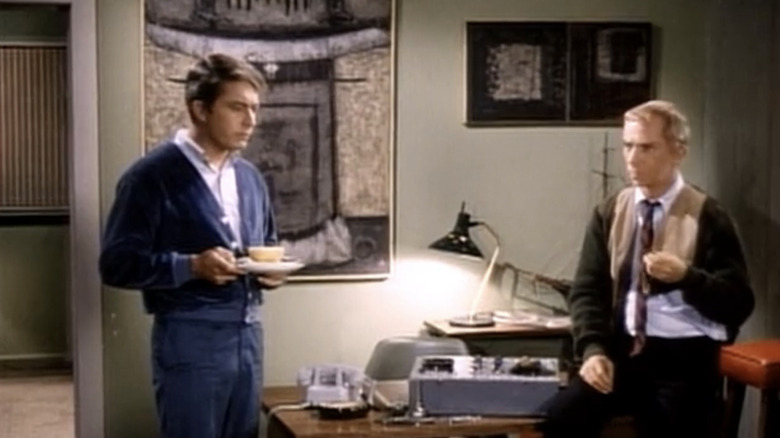
The premiere of My Favorite Martian in 1963 established the foundational DNA for decades of sci-fi comedy. By casting Ray Walston as the sophisticated, telepathic Martian and Bill Bixby as the grounded journalist Tim O’Hara, the show created the “odd couple” dynamic that would define the genre. It was a novel concept for the era: an alien crash-landing in an L.A. apartment, forced to navigate the complexities of human society while concealing his identity. The show’s success paved the way for the "magi-com" wave, proving that speculative fiction could be just as funny as it was imaginative.
1978: The Breakout—Mork & Mindy
Spun off from the juggernaut Happy Days, Mork & Mindy elevated the genre by introducing the singular comedic brilliance of Robin Williams. Playing Mork, an alien sent from the planet Ork to study human behavior, Williams transformed the premise into a showcase for improvisational genius. By moving in with Mindy McConnell (Pam Dawber) in Colorado, Mork became more than a visitor; he became an avatar for human self-reflection. The show bridged the gap between 1960s curiosity and 1980s irony, serving as a critical influence for later series like 3rd Rock from the Sun.
1986: The Puppet Phenomenon—ALF
The 1980s brought a darker, more cynical, yet undeniably cuddly edge to the genre with ALF. Gordon Shumway, a wisecracking extraterrestrial with a penchant for eating the family cat, disrupted the wholesome Tanner household. ALF was significant because it balanced the high-concept absurdity of a puppet protagonist with a surprisingly grounded family dynamic. It became a cultural touchstone, proving that sci-fi sitcoms could achieve massive mainstream merchandising success while maintaining a cult-like following that persists to this day.
1996: The Peak of Assimilation—3rd Rock from the Sun
By the mid-90s, the "aliens living among us" trope had been well-worn, yet 3rd Rock from the Sun revitalized it with a sophisticated, character-driven approach. Led by the acclaimed John Lithgow, the series followed a group of researchers assuming human guises to study Earth. Its strength lay in the ensemble—Kristen Johnston, French Stewart, and a young Joseph Gordon-Levitt—who leaned into the absurdity of human rituals. It remains one of the most intellectually clever entries in the genre, exploring the human condition through the eyes of those who find it perpetually confusing.
1999: The Satirical Expansion—Futurama
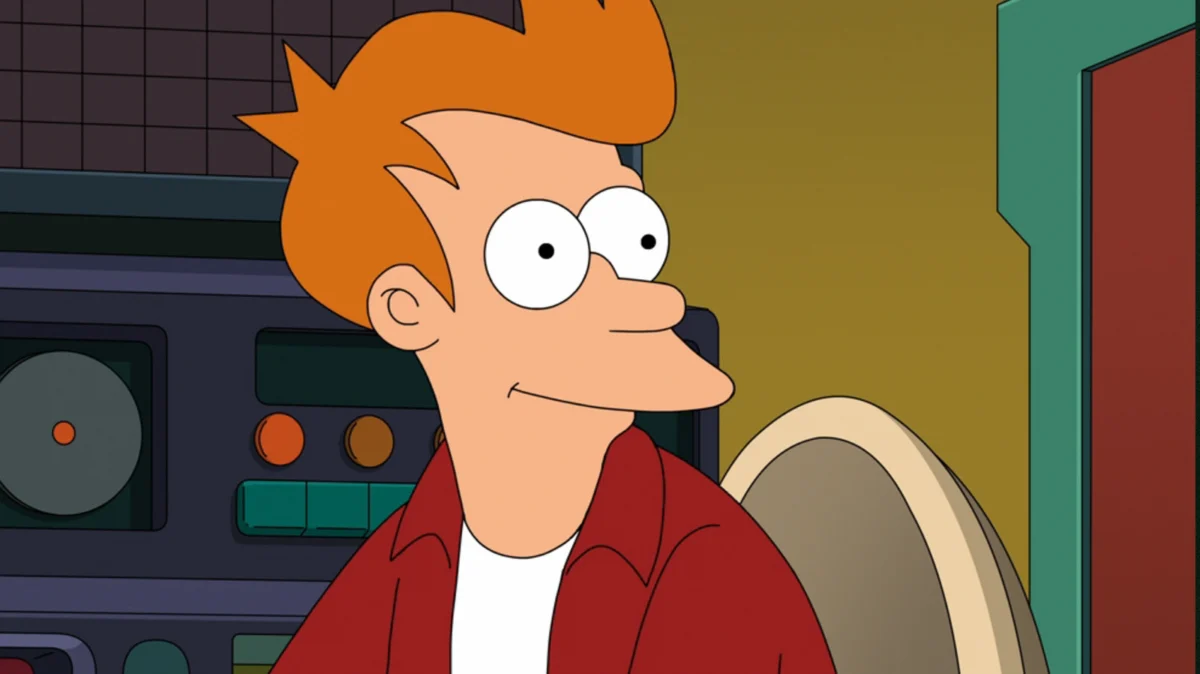
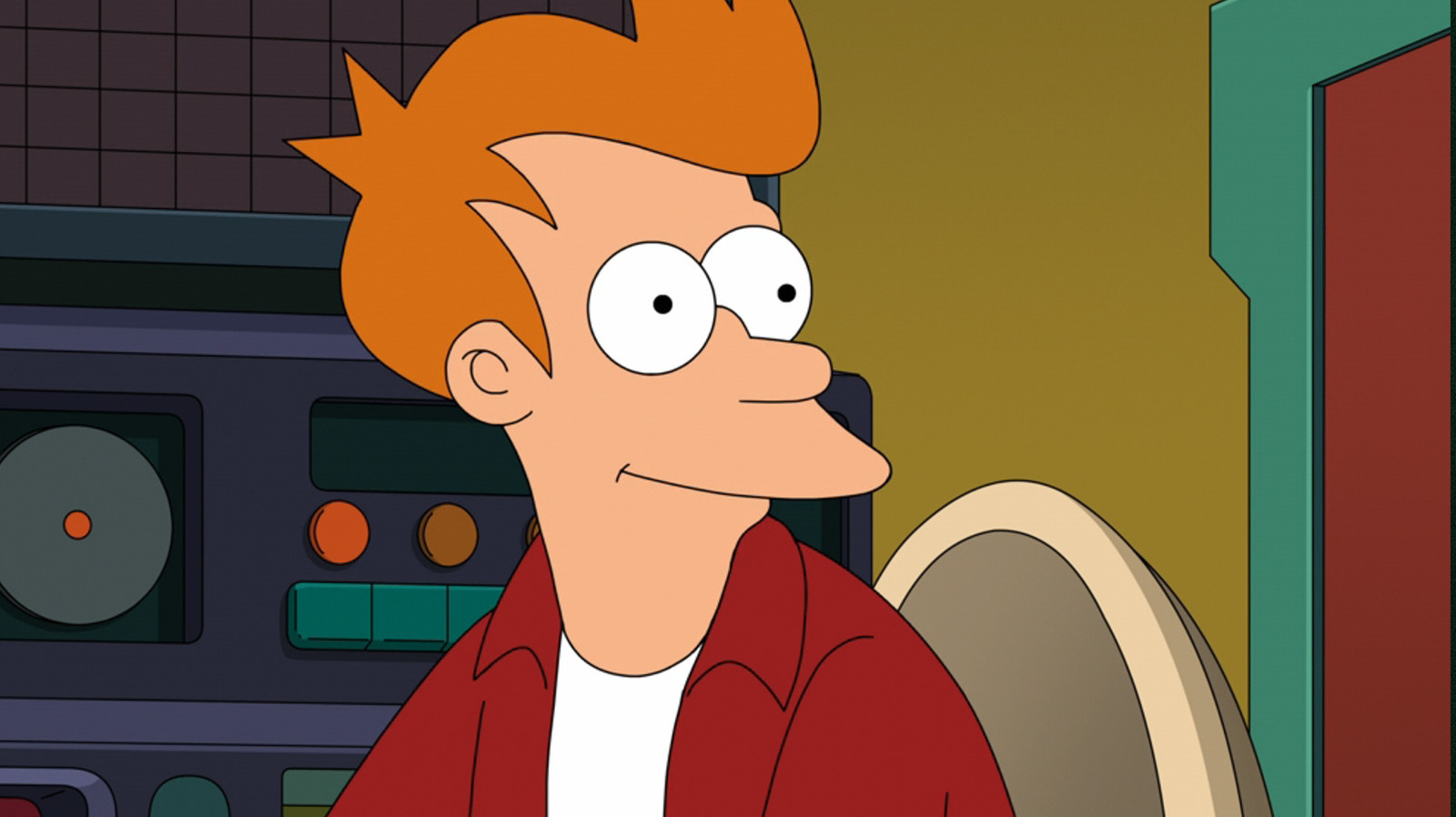
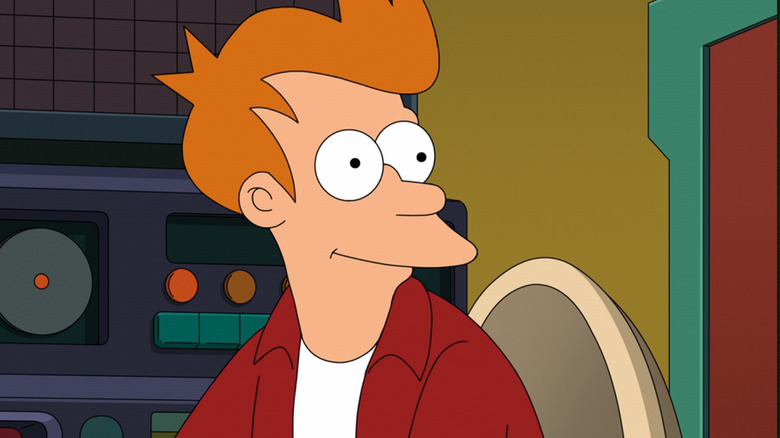
While Futurama takes place largely in the year 3000, it is fundamentally an Earth-bound sitcom, as the protagonist Philip J. Fry finds himself struggling to adapt to a “new” Earth. Matt Groening utilized the show to dismantle the tropes of science fiction that had accumulated over the previous century. Rather than using the future to deliver moralistic warnings, Futurama used it to deliver irreverent, subversive humor, effectively bridging the gap between the traditional sitcom and speculative satire.
Supporting Data: Why the "Fish-Out-of-Water" Works
The enduring popularity of these shows is not accidental; it is rooted in psychological and narrative theory. The "fish-out-of-water" trope provides a natural mechanism for "defamiliarization"—a literary technique where the familiar is made strange, allowing the audience to see their own customs and societal norms from an objective, often hilarious, perspective.
According to television analysts, the "Sci-Fi Sitcom" formula relies on three key pillars:
- The Secret: The constant tension of keeping the protagonist’s identity hidden, which generates consistent plot momentum.
- The Domestic Anchor: By placing the character in a family unit or a living situation, the show anchors the "high concept" in "low stakes" comedy (e.g., doing laundry, grocery shopping, or dealing with neighbors).
- The Philosophical Mirror: The alien character inevitably asks, "Why do humans do that?" forcing the audience to laugh at the inherent contradictions of their own existence.
Industry Perspectives: The Actor’s Gamble
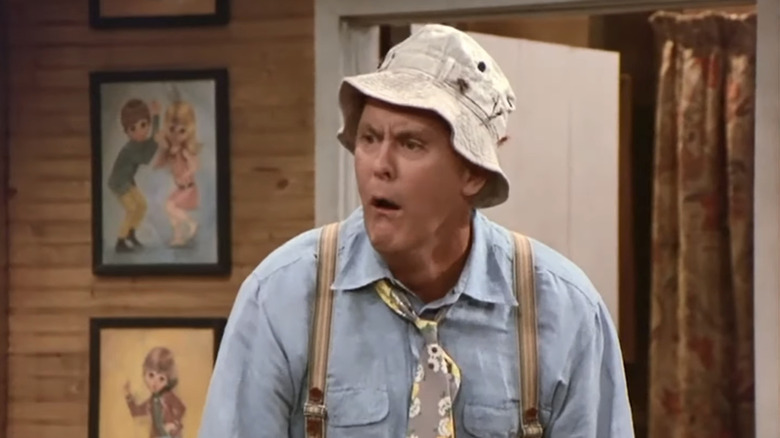
It is often noted that established actors risk their prestige when moving into sci-fi sitcoms, yet these roles have frequently become career-defining moments. John Lithgow’s decision to join 3rd Rock from the Sun at the height of his dramatic career was initially viewed with skepticism by his peers. However, his performance demonstrated that the sci-fi sitcom could offer the same dramatic depth as traditional prestige television.
Similarly, the transition of Robin Williams from Happy Days guest star to the lead of Mork & Mindy highlighted the industry’s realization that sci-fi sitcoms were not merely "kiddie shows." They were high-budget, high-talent vehicles that required actors capable of juggling slapstick, science-heavy jargon, and emotional vulnerability.
The Broader Implications: A Cultural Mirror
The legacy of these shows extends beyond the laugh track. They have served as a barometer for how society views the "other." In the 1960s, My Favorite Martian was about assimilation; in the 1980s, ALF was about the friction of the nuclear family; and in the 1990s, 3rd Rock from the Sun was about the skepticism of the information age.
Furthermore, these shows have conditioned modern audiences to accept complex, high-concept narratives in shorter, 22-minute formats. Without the groundwork laid by Mork & Mindy or 3rd Rock, the success of modern genre-bending comedies might not have been possible. They taught us that science fiction does not always require grand space battles or intergalactic politics to be profound; sometimes, all it requires is an alien trying to figure out how to use a microwave or why humans celebrate birthdays.
Conclusion: The Future of the Earth-Bound Sitcom
As we look toward the current television landscape, the influence of these five series remains evident. Whether it is in the surrealist humor of shows like Resident Alien or the animated satire of Solar Opposites, the DNA of the Earth-bound sci-fi sitcom is everywhere.

By bringing the infinite possibilities of the universe down to the size of a living room, these shows have allowed us to laugh at the vastness of existence. They remind us that while we may be separated from the stars by millions of miles, the human experience—with all its weird, wonderful, and nonsensical rules—is truly universal. As long as there are "aliens" looking at our planet with confusion, there will be a place for the sci-fi sitcom in the pantheon of television history.
