
Spooky Pages and Shared Solitude: Inside the Creative Haunting of ‘Haunted Comic Club’
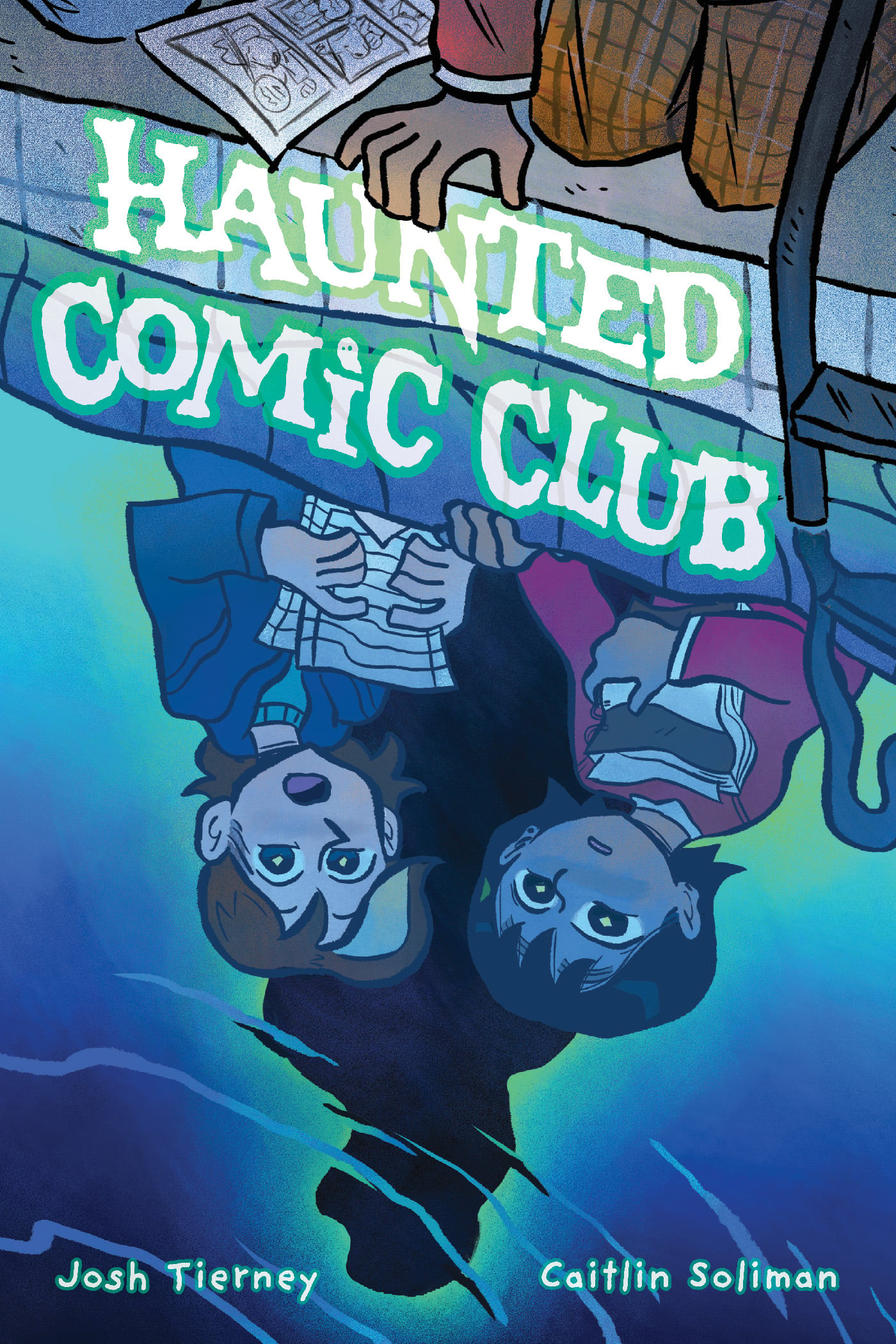
The intersection of middle-grade storytelling and genuine horror is a delicate tightrope to walk, yet it is exactly where Eisner-nominated writer Josh Tierney and artist Caitlin Soliman have found their creative home. With the recent release of Haunted Comic Club via Oni Press, the creative duo has delivered a narrative that captures the bittersweet loneliness of childhood and the transformative power of artistic collaboration. The graphic novel, which follows two outcasts who bond over the spectral mysteries of their local community center, serves as both a love letter to the medium of comics and a chilling ghost story for younger readers.
The Genesis of a Haunting: Main Facts and Premise
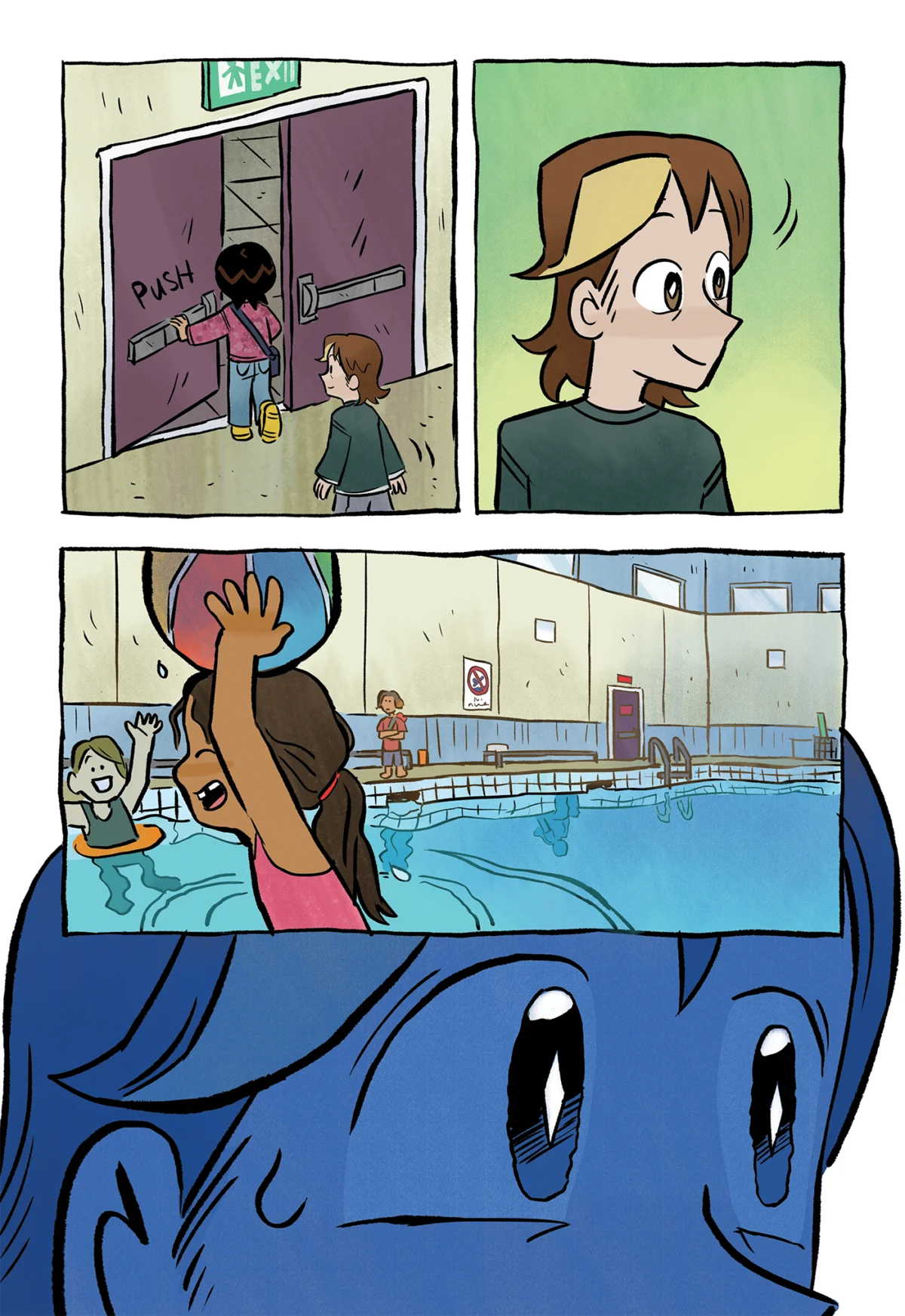
At its core, Haunted Comic Club is a story of connection. It follows Will and Anita, two young protagonists who find themselves occupying the same space within the "Tween Zone"—a local youth center that serves as a sanctuary for those who struggle to find their place in the rigid social hierarchies of middle school. While Will feels like an outsider constantly observing from the perimeter, Anita is a reluctant attendee, dropped off by parents seeking a substitute for childcare, leaving her to retreat into the isolation of the facility’s art room.
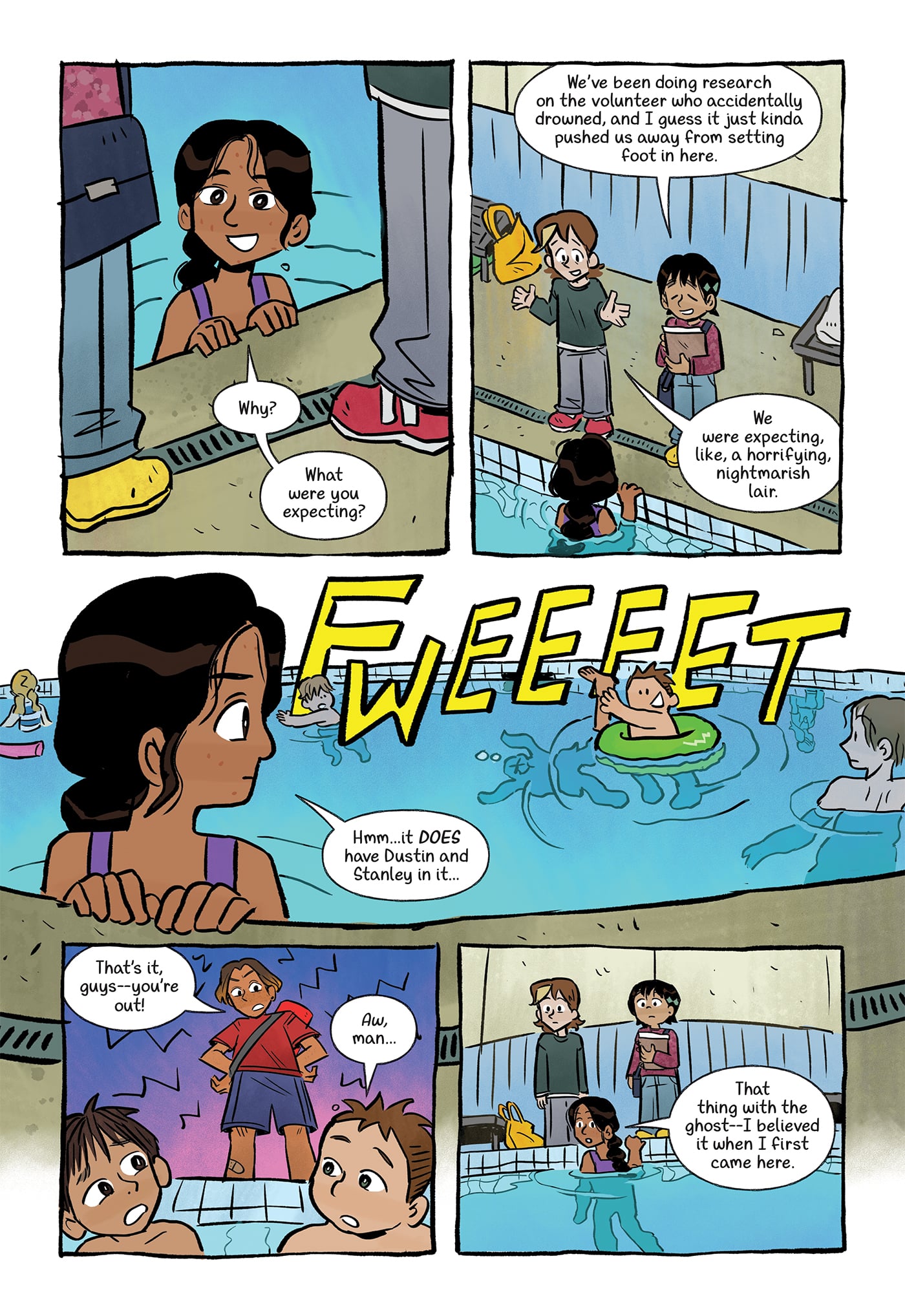
Their paths converge when they begin a comic-making club, but their creative output takes a turn for the supernatural. Inspired by local urban legends regarding a teenage volunteer who tragically drowned in the center’s pool, the duo decides to center their comic on the very entity that is said to haunt the building’s halls. The result is a meta-fictional narrative that blurs the line between the art the characters are creating and the haunting reality unfolding around them.
A Chronology of Collaboration
The partnership between Tierney and Soliman is not a new development; it is a refined evolution of a professional bond that has spanned years. Their initial collaboration on the horror webcomic Iris Complex established a creative shorthand that proved essential when approaching this longer-form graphic novel.
Phase 1: The Foundation of Iris Complex
Before Haunted Comic Club existed as a manuscript, Tierney and Soliman were testing their synergy on Iris Complex. During this time, Soliman served primarily as the artist, bringing Tierney’s scripts to life. This period was characterized by experimentation—a time for the duo to understand each other’s visual and narrative sensibilities. It was a lower-stakes environment that allowed for the development of the "horror-lite" aesthetic that would eventually define their current work.
Phase 2: Collaborative Co-Creation
The transition to Haunted Comic Club marked a significant shift. For this project, Soliman moved from being a purely visual executor to a full-fledged co-creator. This meant participating in the brainstorming process from the earliest outlines, contributing dialogue, and shaping the emotional arc of the characters. As Tierney notes, this was the first time he had worked so intimately with another creator, and the result was a project that felt deeply personal to both parties.
Phase 3: The Editorial and Publishing Process
The final stage involved bringing the project to Oni Press. This phase required a professionalization of their workflow. Soliman, in particular, had to pivot from the more informal, "gestural" style of their earlier webcomic work to a more polished, structured approach suitable for print. This involved streamlining file management and adhering to the rigorous standards of the publishing house, ensuring that the visual narrative remained consistent throughout the book’s duration.
The Anatomy of the Urban Legend
Central to the narrative is the urban legend of the Tween Zone’s resident spirit. The legend posits that a former teenage volunteer met a tragic end in the facility’s pool. The haunting, however, is not merely a trope; it serves as a metaphor for the lingering influence of those who have passed through our lives.
"There’s a rumor about a teenage volunteer who drowned in the Tween Zone pool a couple years back, the result of an unfortunate accident," Tierney explains. The manifestations of this spirit—ectoplasmic residue in empty containers, wet footprints appearing in dry hallways, and the inexplicable short-circuiting of electronic devices—provide the necessary "spooky" atmosphere to keep middle-grade readers engaged. Yet, the story adds a layer of pathos: the suggestion that the spirit may still linger because she cared deeply for the children who once attended the center. This nuance shifts the haunting from simple malice to a manifestation of protective, albeit spectral, concern.
Artistic Evolution: From Gestural to Defined
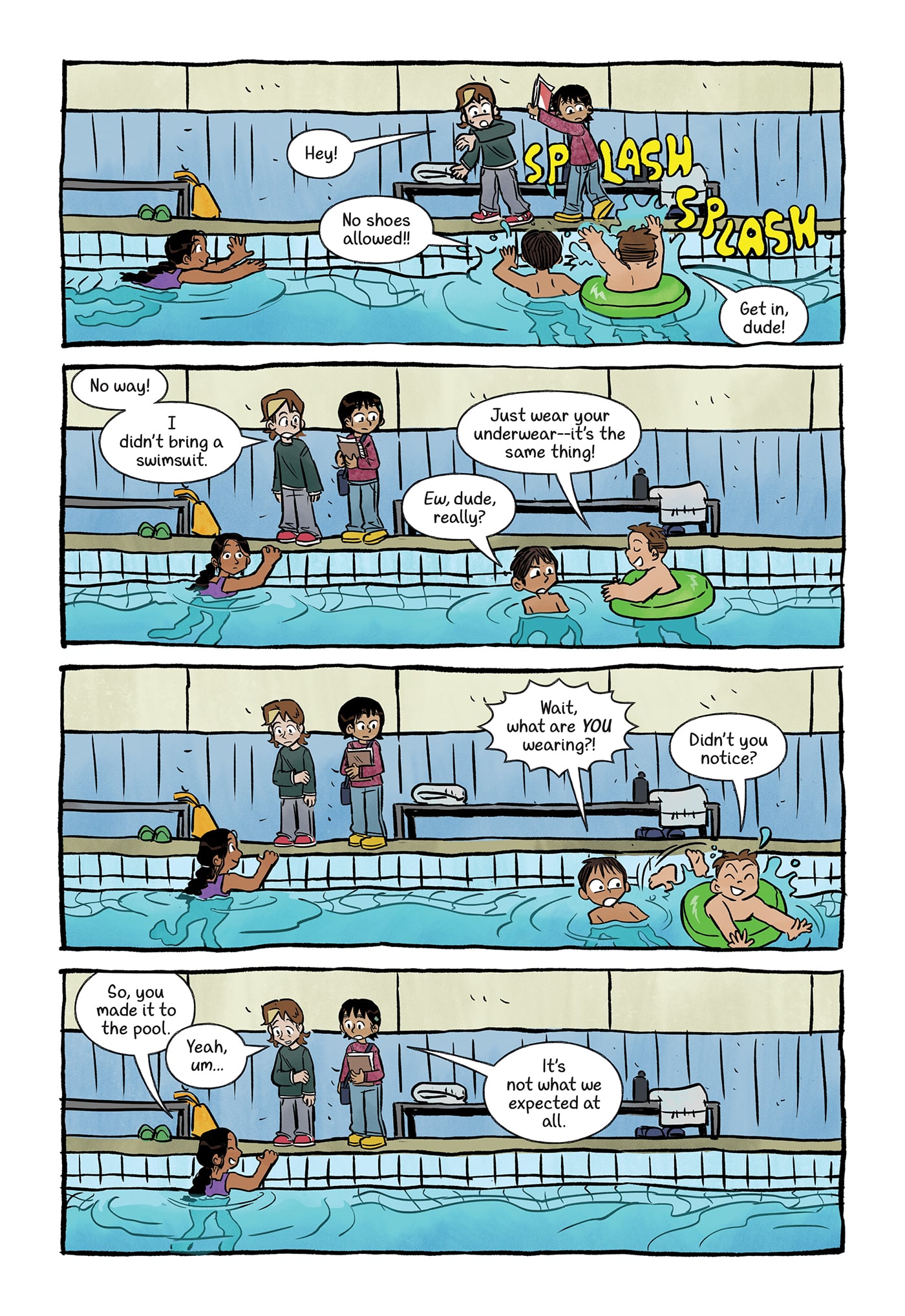
Caitlin Soliman’s approach to the visual language of the book underwent a transformation during the production process. Initially, the sketches and pitch materials were characterized by a "flowy" and "gestural" style. However, as the world of the Tween Zone became more defined, so too did the art.
"I think how I settled on the style was mainly me worrying about being able to draw the characters consistently," Soliman reflects. "Having more defined shapes helped with that." This shift towards a more structured visual language allowed for better character recognition and pacing, ensuring that the transition between the "real world" of the Tween Zone and the "fictional world" of the comic the characters are writing remained distinct yet visually cohesive.
Influences and the Horror Canon
When asked about the horror influences that shaped the tone of Haunted Comic Club, the creators cite a diverse array of media that extends beyond the middle-grade demographic.
The Influence of J-Horror
Tierney highlights his affinity for Japanese horror, specifically the work of Kiyoshi Kurosawa. He points to the film Pulse as a masterclass in atmospheric dread, emphasizing that the film’s ability to make the world feel "other" was a key inspiration for how the Tween Zone should feel to Will and Anita. Additionally, the film Cult, directed by Koji Shiraishi, was cited for its unique blend of genuine terror and dark humor—a tonal balance that Haunted Comic Club attempts to mirror.
Found Footage and Creature Features
Soliman’s influences lean into the visceral and the tactile. Her appreciation for the "found footage" genre, including the 2014 film Exists, informed the feeling of "being there" that the comic strives for. She also highlights the 2005 film Isolation for its oppressive, claustrophobic atmosphere. For those looking for literary inspiration, Soliman recommends works by Stephen Graham Jones and John Langan, noting that their ability to create lingering dread is something she strives to translate into her own visual storytelling.
Implications for Young Creators
Perhaps the most significant implication of Haunted Comic Club is its role as a catalyst for young readers to engage with their own creative processes. By documenting the struggles of Will and Anita—the moments of writer’s block, the excitement of a breakthrough, and the joy of sharing a finished page—the book acts as a manual for artistic expression.
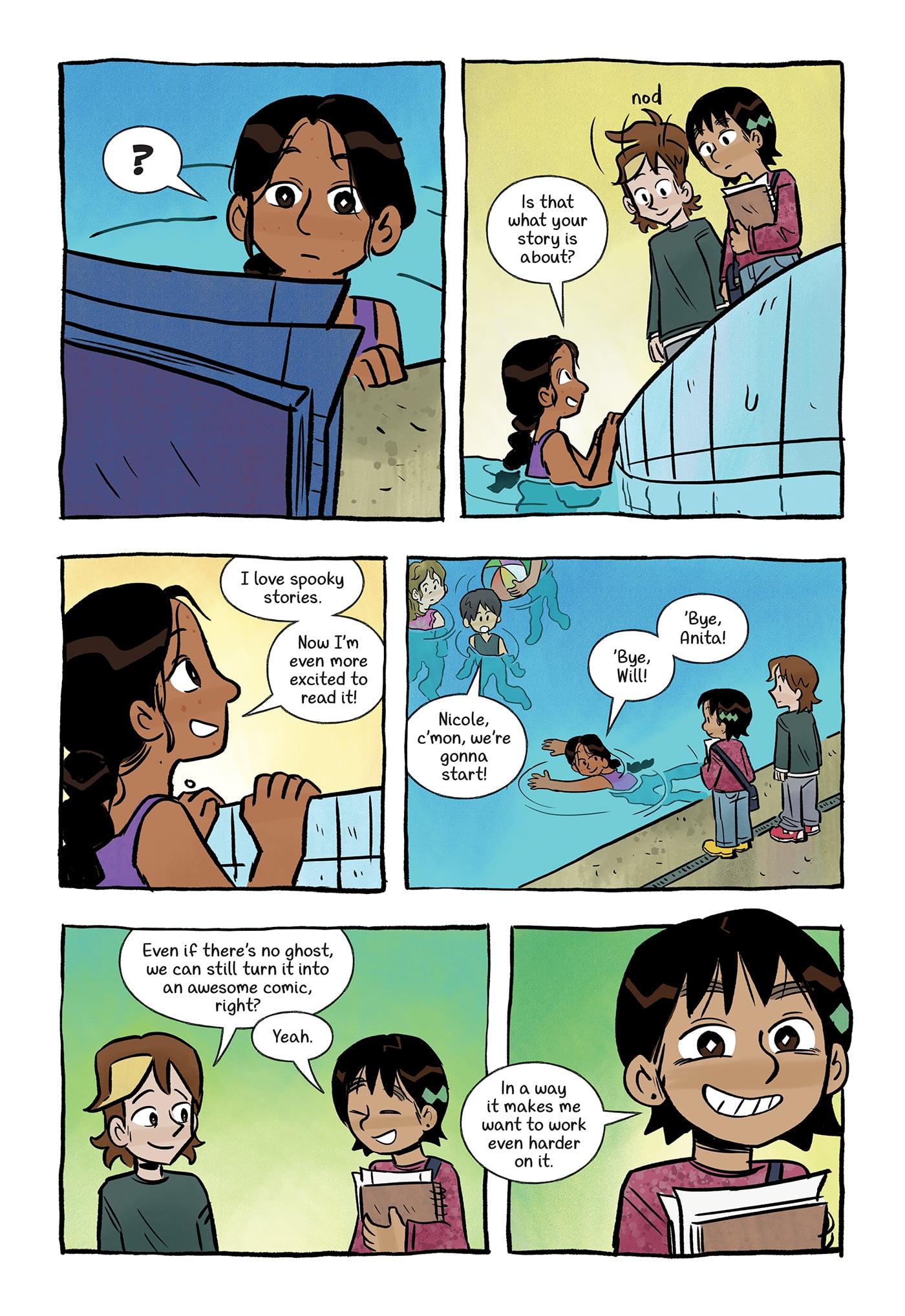
The story validates the loneliness that often accompanies the creative process, reframing it not as a state of social failure, but as the fertile ground from which new ideas grow. By placing the creation of a comic at the heart of the mystery, Tierney and Soliman are encouraging their audience to pick up a pencil and start their own clubs, suggesting that the most powerful ghost stories are the ones we tell together.
Conclusion: A New Standard for Middle-Grade Horror
Haunted Comic Club is a testament to the fact that horror can be an effective lens through which to explore the complexities of friendship and self-discovery. By grounding the supernatural elements in the very real, very human experience of being a lonely child, Tierney and Soliman have crafted a narrative that resonates on multiple levels. It is a story that respects the intelligence of its audience, inviting them into a world where the lines between the living and the legend are thin, and where the most important thing you can do is keep drawing.
