
The Reign of Carrie: How Stephen King’s Trash Can Draft Redefined Modern Horror
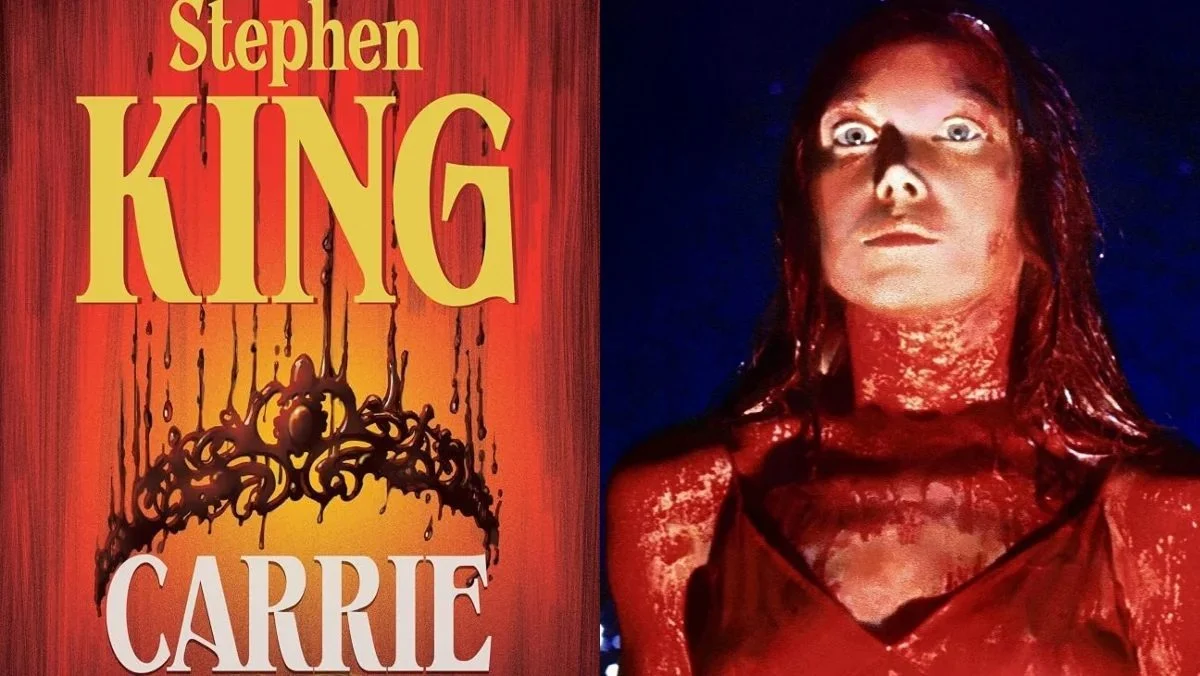
When literary scholars and horror aficionados debate the most influential text in the history of the genre, Mary Shelley’s 1816 masterpiece Frankenstein frequently claims the crown. Merging Gothic terror with proto-science fiction, Shelley laid an undeniable blueprint. However, when examining the landscape of modern horror over the past half-century, a different titan takes the throne: Stephen King’s 1974 debut novel, Carrie.
The cultural and artistic footprint of Carrie spans across written literature and cinematic adaptations, birthing a prolific literary career that continues to shape modern horror auteurs. Yet, had it not been for a timely intervention by the author’s wife, Tabitha King, the telekinetic outcast Carrie White might have burned away in a Maine household wastebasket rather than terrifying generations of readers.
Main Facts: The Catalyst of Modern Horror
Published in April 1974 by Doubleday, Carrie tells the story of a bullied, socially isolated teenage girl gifted with latent telekinetic powers who unleashes apocalyptic vengeance upon her high school classmates during prom night.
The book fundamentally altered horror literature’s primary focal point. Prior to Carrie, the genre relied heavily on supernatural external threats—ghosts, ancient curses, vampires, and cosmic monsters. King shifted the lens toward the true monsters of human existence: cruelty, religious zealotry, adolescent isolation, and domestic abuse.
Furthermore, the novel packed a profound feminist subtext. Released during the height of the 1970s women’s liberation movement—a time when women were fiercely fighting for workplace equality and bodily autonomy—Carrie utilized its telekinetic premise as an explosive metaphor for female rage, puberty, and patriarchal oppression.

Chronology: From the Trash Can to Global Phenomenon
The journey of Carrie from a discarded writing exercise to a cornerstone of pop culture is a legendary piece of publishing lore.
- Early 1970s: Stephen King lives a modest life in a trailer in Maine with his wife, Tabitha, and their two children. Working days as an English teacher at Hampden Academy, King spends his nights writing short stories, several of which find homes in men’s magazines like Cavalier.
- The Inciting Incident: King attempts to write a short story about an outcast high school girl with telekinetic abilities. Frustrated after completing just three pages, he crumples up the manuscript and throws it into the trash.
- Tabitha’s Intervention: Tabitha King rescues the pages from the wastebasket, reads them, and insists that her husband has tapped into something vital. She encourages him to expand the narrative.
- April 1974: Doubleday publishes Carrie. The novel finds solid commercial success, securing a paperback mass-market deal that nets King a $200,000 advance. This financial windfall allows King to quit teaching and write full-time, setting the stage for masterpieces like The Shining (1977) and The Stand (1978).
- 1976: Director Brian De Palma brings the novel to the screen. Starring Sissy Spacek as Carrie and Piper Laurie as her fanatical mother, Margaret, the film becomes a massive critical and commercial hit, earning Academy Award nominations and cementing the story’s visual iconography.
- Decades Following: Carrie spawns multiple cinematic remakes, a notorious Broadway musical, and a forthcoming Prime Video television series spearheaded by Mike Flanagan, proving its enduring resilience across generations.
Supporting Data and Box Office Impact
The financial and cultural success of Carrie proved that King’s unique brand of grounded, small-town American horror could translate into box-office gold.
In the mid-1970s, horror was undergoing a gritty cinematic renaissance. William Friedkin’s The Exorcist (1973) terrified audiences and popularized supernatural thrillers, while Tobe Hooper’s The Texas Chain Saw Massacre (1974) laid the groundwork for the modern slasher. Into this landscape stepped Brian De Palma’s adaptation of Carrie. Operating on a modest budget of less than $2 million, the film grossed over $33 million domestically, proving the commercial viability of King’s adaptations.
To date, King’s bibliography has been adapted into dozens of television series and feature films, ranging from terrifying horror milestones to dramatic masterworks like The Shawshank Redemption and The Green Mile. Economically and creatively, these multi-billion-dollar multimedia franchises all trace their lineage back to the initial financial success of Carrie.
Official Responses and Critical Reception
Upon release, literary critics recognized that King possessed an uncanny ear for authentic American dialogue, teenage cruelty, and suburban dread. However, the cultural reception went far beyond standard book reviews.
Sociologists and feminist literary critics analyzed Carrie as a landmark text exploring the horror of female puberty and religious repression. The character of Margaret White personified the weaponization of religious dogma, while Carrie’s treatment by her peers mirrored the institutionalized bullying prevalent in American high schools.
Reflecting on the book’s enduring legacy in various interviews over the decades, Stephen King has frequently acknowledged that the book was a product of its time—an era of shifting social mores where traditional power dynamics between men and women, adults and teenagers, were being aggressively challenged. Directors and writers who followed, from John Carpenter to modern creators like Mike Flanagan, have consistently cited King’s ability to ground supernatural concepts in deeply human emotional trauma as the gold standard of the genre.
Implications: The Enduring Legacy of Carrie White
The ripples of Carrie can be felt across virtually every corner of contemporary pop culture. It established a cinematic and literary archetype that persists today: the tormented, marginalized youth pushed past their breaking point.
Direct Influences and Pop Culture Trope-Makers
- Teen Horror and the "Final Girl": The bloody prom queen trope has been endlessly parodied and paid homage to across television and film, from animated sitcoms like The Simpsons to teen dark comedies like Heathers (1988). The image of a heroine covered in blood fighting back against her oppressors directly informed the "final girl" evolution seen in franchises like Scream.
- Supernatural Teen Outcasts: Modern media is rife with characters who share DNA with Carrie White. Netflix’s Stranger Things features Eleven, a socially isolated, telekinetic youth thrust into an unfamiliar environment who commits morally ambiguous acts of survival and vengeance, yet retains the complete sympathy of the audience.
- Genre Successors: Films like Andrew Fleming’s The Craft (1996) and Karyn Kusama’s Jennifer’s Body (2009) heavily lean into the Carrie formula, utilizing female supernatural vengeance as an allegory for overcoming abuse, patriarchal control, and adolescent trauma.
- Opening Doors for Authors: By proving that horror could be both deeply literary and wildly commercial, Carrie paved the way for subsequent horror and thriller authors—such as R.L. Stine, Clive Barker, and later generations of crossover writers—to capture mainstream bookshelves.
The Voice of the Othered
Ultimately, Carrie White resonated—and continues to resonate—because she embodies the feeling of being "othered." Whether readers or viewers connected with her through the lens of shyness, neurodivergence, non-conformity, or the general awkwardness of adolescence, her pain spoke directly to the lived experience of millions.
As new adaptations continue to emerge, including modern television reimaginings, it is clear that Carrie White will not fade into the background. More than fifty years after Stephen King fished those three crumpled pages out of the trash, the Queen of Horror still reigns—reminding us all of the devastating cost of treating our fellow humans without kindness.
